Best Public Hunting Near Dallas-Fort Worth
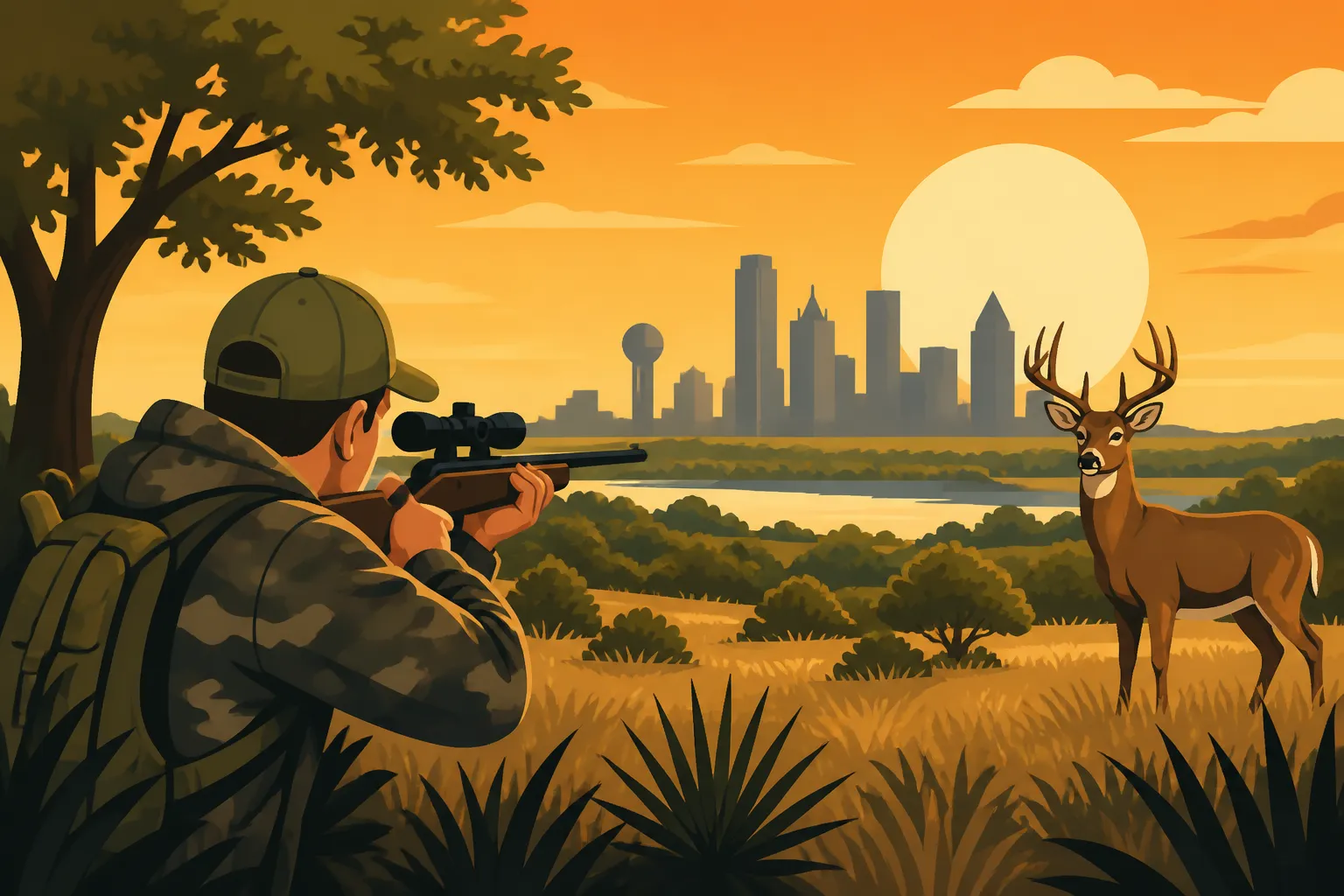
Finding quality public hunting land near a major metropolitan area like Dallas-Fort Worth can feel like searching for a needle in a haystack. The sheer population density, combined with the vast amount of private land in Texas, makes identifying accessible and productive spots a real challenge for many hunters. This guide is here to unravel the complexities and point you toward genuine opportunities for public hunting within a reasonable drive of the DFW metroplex.
The Reality of Public Hunting Near Dallas-Fort Worth
Let's be honest, the thought of public land hunting often conjures images of remote wilderness, vast open spaces, and minimal competition. While Texas certainly has its share of wild country, the reality for hunters living around Dallas-Fort Worth is a bit different. We're talking about a thriving urban sprawl, and that means public hunting grounds often come with their own unique set of considerations. It's not impossible to find success, but it certainly requires a different mindset and approach than hunting a sprawling private lease.
Understanding the Landscape
When you look at a map of North Texas, particularly around the DFW area, you’ll notice a patchwork of urban development, agricultural fields, and then, nestled in between, some surprising pockets of public land. These aren't usually vast, unbroken tracts of pristine wilderness. Instead, they often consist of smaller Wildlife Management Areas (WMAs), U.S. Army Corps of Engineers properties around lakes, and occasionally a state park that offers limited hunting seasons. The key is understanding that these areas are managed for multiple uses, and hunting is just one component. You might find hiking trails, fishing access, or birdwatching areas alongside your hunting spot, which requires a heightened sense of awareness and respect for all users.
The Challenge of Pressure and Limited Space
One of the biggest frustrations for hunters on public land near DFW is the hunting pressure. More people, fewer acres. It's a simple equation. You're not going to be the only one with the brilliant idea to hunt that particular WMA. This means early mornings are even more critical, scouting becomes paramount, and you often have to hike further or think outside the box to find areas less disturbed by other hunters. The limited acreage also means animals might be more skittish and patterns can change rapidly due to human disturbance. It forces you to be more adaptable, more patient, and certainly more observant. Don't go in expecting private ranch solitude; go in expecting to earn your opportunities.
Key Public Hunting Opportunities Around DFW
Despite the challenges, there are legitimate public hunting options for those willing to put in the effort. These areas typically fall into a few categories, each with its own characteristics and rules. Knowing where to look and what to expect from each type of land is your first step toward success.
Wildlife Management Areas (WMAs)
Texas Parks and Wildlife Department (TPWD) manages a network of Wildlife Management Areas specifically for conservation and public recreation, including hunting. Near DFW, you’ll find several WMAs that offer diverse hunting opportunities, though many operate on a drawn hunt system for popular game like deer. Others may have general permits for smaller game or feral hogs. For instance, the Cooper WMA near Cooper, Texas, offers archery deer hunting and some upland game, but often requires specific permits or drawn hunt access. The Gus Engeling WMA, further east but still within a couple hours' drive, is renowned for its deer, hog, and squirrel hunting, but almost exclusively operates on a drawn hunt basis. It’s critical to consult the TPWD Outdoor Annual or the WMA's specific rules before planning a trip, as regulations can vary significantly from one WMA to another. These are often excellent resources for game management, so even if access is limited, the quality can be high.
National Forests and Corps of Engineers Lands
The U.S. Forest Service manages the Caddo and Lyndon B. Johnson (LBJ) National Grasslands, located just northwest of DFW. These lands offer some of the most accessible general public hunting opportunities in the region. Here, you can hunt whitetail deer, feral hogs, small game, and even eastern turkey in certain areas. The key difference here is that many sections of the National Grasslands allow general hunting with a valid hunting license and the Annual Public Hunting Permit (APH). This is a game-changer compared to drawn hunts, as you don't need to apply and get selected; you just show up and hunt, respecting all regulations. Similarly, many U.S. Army Corps of Engineers lands around the numerous lakes in the DFW area (e.g., Lake Ray Roberts, Lake Texoma, Lake Lewisville) have designated areas open to hunting. These can be smaller, fragmented tracts, but they often hold excellent populations of white-tailed deer and feral hogs, along with waterfowl opportunities if you're targeting the lake shorelines. Always check the specific Corps lake office for their hunting maps and regulations, as rules can be highly site-specific.
State Parks with Hunting Opportunities
While many Texas State Parks are focused on camping, hiking, and general outdoor recreation, a select few do offer limited hunting opportunities, often through drawn hunts. These are usually highly controlled and short-duration hunts designed for population control. For example, some state parks might host youth hunts or hunts for specific game animals like white-tailed deer. The chances of getting drawn for a state park hunt can be low due to high demand, but they often provide a unique and well-managed hunting experience on otherwise protected lands. It's worth looking into the Texas Drawn Hunts & Public Hunt Draw 2026 if you're serious about these specialized opportunities. These hunts are a great way to experience a different side of Texas parks.
Navigating the Texas Public Hunt System
Hunting public land in Texas, especially near DFW, isn't always as simple as just walking onto a piece of property with your license. Texas has a structured system designed to manage access, ensure fair chase, and maintain wildlife populations. Understanding this system is crucial to avoiding frustration and staying legal.
The Annual Public Hunting Permit (APH)
For many of the general access public lands, like sections of the National Grasslands or some WMAs, you’ll need to purchase an Annual Public Hunting Permit (APH). This permit, often referred to as a "Type 100" or "Public Hunting Lands Permit," unlocks thousands of acres across the state. It typically costs around $48 (check the most current Texas Hunting License: Cost, Types & How to Buy (2026) for exact figures) and is valid for one year. Think of it as your key to a vast, though sometimes crowded, outdoor playground. When you buy your APH, you'll also gain access to the Public Hunting Lands Map Booklet, which details all the properties included in the program, the species available, and specific regulations for each location. It's essential to study this booklet or use digital mapping tools like onX Hunt, which overlays these public land boundaries, to understand exactly where you can and cannot hunt. Showing up without thoroughly checking these resources is a recipe for disappointment.
Texas Drawn Hunts: Applying for Limited Access
For premier public hunting opportunities, especially for white-tailed deer, exotic species, or turkey on popular WMAs and State Parks, the Texas Drawn Hunts system is your gateway. This lottery-style system allows hunters to apply for permits to hunt specific areas and species during designated periods. The application windows typically open in late summer and early fall, with drawings happening throughout the year. While the odds can be low for highly sought-after hunts, applying is relatively inexpensive, and the payoff can be huge – access to some truly fantastic hunting grounds that see much less pressure than general APH lands. Don't be discouraged by the odds; think of it as buying a lottery ticket for an incredible hunting experience. Many experienced public land hunters near DFW consistently apply for these hunts as a primary strategy, as they offer some of the best opportunities for quality game.
Species You Can Hunt on Public Land Near DFW
The variety of game you can pursue on public lands within a reasonable drive of Dallas-Fort Worth might surprise you. While trophy deer might be harder to come by, consistent action can be found, especially if you focus on species that thrive in diverse habitats and handle pressure well.
Deer and Hogs: The Primary Targets
Without a doubt, white-tailed deer and feral hogs are the two most popular species for public land hunters in North Central Texas. While the DFW area isn't known for the massive trophy bucks of South Texas, you can absolutely find good deer on public lands. Success often comes down to scouting diligently, understanding deer patterns in high-pressure areas, and being willing to hike deeper into less-accessible spots. The National Grasslands, for example, have decent deer populations, though they'll be smaller-bodied animals on average. Feral hogs, on the other hand, are abundant and can be hunted year-round on most public lands with an APH. They provide consistent action and are an excellent way to gain public land experience. Focusing on hogs can be a highly rewarding pursuit, and it often leads to discovering prime deer habitat as well. If you’re interested in a more comprehensive guide to hunting hogs, check out the Feral Hog Hunting in Texas: Year-Round Guide.
Dove and Waterfowl: Migratory Bird Opportunities
Beyond big game, the DFW region offers fantastic opportunities for migratory birds. Dove season, which kicks off with the Sept 1 Opener Guide, is a public land hunter's paradise. Many WMAs and Corps of Engineers lands feature dove fields or agricultural areas that attract thousands of birds. It's a fast-paced, social hunt that requires good shotgun skills and often a lot of shells! Similarly, waterfowl hunting can be surprisingly good on public lakes and rivers around DFW. Lake Ray Roberts, Lake Texoma, and other large reservoirs often have public access points for duck and goose hunting. This typically requires specialized gear like decoys and calls, but the rewards of a successful duck hunt at sunrise can be truly memorable. Make sure to understand the specific regulations for migratory birds, including federal duck stamps and HIP certification.
Essential Strategies for Success on DFW Public Lands
Success on public land isn't about luck; it's about preparation, persistence, and smart tactics. When you're competing with other hunters and dealing with wary animals, every advantage counts.
Master Your Maps and Scouting Tools
This cannot be stressed enough: digital mapping applications are your best friend on public land. Tools like onX Hunt or GoHunt allow you to view public land boundaries, property lines, topo maps, satellite imagery, and even historic weather patterns. This means you can identify potential bedding areas, travel corridors, water sources, and pinch points before you even set foot on the property. Use these apps to mark potential stand locations, plan your entry and exit routes to avoid disturbing game, and find areas that are harder for others to access. Learning how to scout for deer before season in Texas using these tools is paramount. Don't just show up and wander; have a plan, even if that plan needs to be flexible. Knowing the lay of the land digitally helps you identify those overlooked spots where a pressured buck might hide.
Adapt Your Tactics to High-Pressure Environments
Forget what you might have seen on TV hunting shows filmed on private, low-pressure ranches. Public land hunting near DFW demands a different approach.
- Go Deep: Be willing to hike further than others. Many hunters stick close to parking areas. The deeper you go, the less pressure animals typically encounter.
- Hunt Mid-Day: While dawn and dusk are prime, pressured animals sometimes move during the quiet mid-day hours when other hunters are at lunch or back at their trucks.
- Utilize Natural Cover: Set up in thick cover, not just along trails. Animals on public land are extremely wary of open spaces.
- Still Hunting/Stalking: Instead of just sitting, consider still hunting slowly through promising areas, especially for hogs or deer in thicker cover. For some exotic hunts, like Aoudad, a spot-and-stalk approach is often required, and these skills translate well to pressured public land.
- Noise Discipline: Be extra quiet. Minimal talking, stealthy approaches, and keeping gear from clanging will pay dividends.
Gear Up Smart for Public Land Hunts
Your gear choices can significantly impact your success and comfort on public land.
- Lightweight and Mobile: Since you'll likely be hiking, shed unnecessary weight. A good quality, comfortable backpack is essential.
- Mapping Device: As mentioned, a reliable GPS or mapping app like onX Hunt on your phone (with a portable charger) is non-negotiable.
- Binoculars and Rangefinder: Essential for spotting game and confirming distances in diverse terrain.
- Ground Blinds: While a box blind or tripod might be ideal for a static setup, a lightweight ground blind can be perfect for quick, adaptable setups on public land, especially for bowhunting in Texas or setting up in areas where permanent structures aren't allowed.
- Scent Control: Even if you don't fully buy into the hype, minimizing your human odor is always a good idea when dealing with skittish animals.
- Field Dressing Kit: Be prepared to field dress your animal on site and be ready for a potentially long pack-out. Review How to Field Dress a Deer in Hot Weather if you're hunting during early seasons.
Important Regulations and Considerations
Hunting public land in Texas, especially close to populated areas, means you need to be extra vigilant about rules and etiquette. Ignorance of the law is never an excuse, and disrespecting other users can quickly lead to negative experiences for everyone.
Understanding Local and Statewide Rules
Always, always consult the current Texas Outdoor Annual and any specific regulations for the WMA or public land unit you plan to hunt. Texas hunting seasons: complete calendar by species will give you the big picture, but individual public land tracts often have unique rules regarding:
- Legal means and methods: Are rifles allowed, or is it archery-only? Muzzleloader season and counties are specific to certain times and places.
- Bag limits and antler restrictions: These can differ from county-wide limits.
- Mandatory check-in/check-out procedures: Many WMAs require you to check in before hunting and check out (and report your harvest) afterward.
- Vehicle access: Are ATVs allowed? Can you drive on certain roads?
- Camping restrictions: Where can you camp, if at all?
- Use of bait or feeders: Is hunting over feeders & corn in Texas legal on that specific piece of public land? Generally, it's not allowed on many public properties.
- CWD Zones: Be aware of any CWD zones in Texas and associated carcass transport rules.
These rules aren't just suggestions; they are strictly enforced to protect resources and ensure public safety. A quick phone call to the local TPWD office or WMA manager can clarify any doubts.
Respecting the Land and Other Users
Public land is for everyone. You might encounter hikers, birdwatchers, mountain bikers, or other hunters. Maintaining a respectful attitude is paramount.
- Clean Up: Pack out everything you pack in, and then some. Leave no trace. This includes spent shell casings, food wrappers, and anything else you brought with you.
- Be Visible: Especially during rifle seasons, wear hunter orange (check specific requirements, but it's generally a good idea for safety).
- Give Space: If you see another hunter, quietly move to another area. Don't crowd someone's spot.
- Clear Lanes of Fire: Always be aware of your surroundings and what's beyond your target. Safety is the ultimate priority.
- Understand Boundaries: Use your mapping apps to know exactly where public land ends and private property begins. Trespassing, even accidentally, is a serious offense.
By following these guidelines, you not only ensure your own safety and legality but also contribute to a positive perception of hunters on public lands, helping to preserve these valuable opportunities for future generations.
Comparing Selected DFW Area Public Hunting Options
| Hunting Area | Primary Species | Access Type | Driving Time from DFW (Approx.) | Key Considerations |
|---|---|---|---|---|
| Caddo National Grassland | Deer, Hog, Squirrel, Turkey | APH Permit | 1 – 1.5 hours | General hunting, some pressure, diverse habitat. |
| Lyndon B. Johnson (LBJ) National Grassland | Deer, Hog, Squirrel, Turkey | APH Permit | 1 – 1.5 hours | Similar to Caddo, good access, can be crowded. |
| Cooper WMA | Deer (archery), Hog, Upland Game | Drawn Hunt / APH for some | 1.5 – 2 hours | Highly managed, limited entry for deer. |
| Lake Ray Roberts WMA | Deer, Hog, Waterfowl | APH Permit | 1 hour | Scattered tracts, good waterfowl, can be wet. |
| Lake Texoma (Corps Lands) | Deer, Hog, Waterfowl | APH Permit | 1.5 – 2 hours | Multiple access points, popular for waterfowl. |
| Gus Engeling WMA | Deer, Hog, Squirrel | Drawn Hunt Only | 2 – 2.5 hours | Premium deer hunting, tough draw odds. |
Note: Driving times are estimates and can vary greatly depending on traffic and specific access points.
Disclaimer
Hunting regulations and opportunities in Texas are subject to change. Always consult the most current Texas Parks and Wildlife Department Outdoor Annual and specific rules for any public hunting land you plan to visit before heading out. This guide provides general information and should not be used as the sole basis for making hunting decisions. Always prioritize safety and ethical hunting practices.