Rolling Plains Hunting Lease Cost & Options
Finding the perfect hunting lease in the vast expanse of the Texas Rolling Plains can feel like an overwhelming quest, full of unknowns regarding price, availability, and what to expect on the ground. This guide is designed to demystify the process, walking you through the typical costs, a range of options, and crucial considerations to help you secure a lease that fits your hunting goals and budget in this unique region.
Understanding the Texas Rolling Plains Hunting Landscape
The Rolling Plains region of Texas offers a distinct hunting experience, different from the dense brush of South Texas or the piney woods of East Texas. It's a land of contrasts, where open prairies meet mesquite bosques, and agricultural fields border rugged breaks. Understanding this landscape is key to appreciating its hunting potential and what goes into pricing a lease here.
What Makes the Rolling Plains Unique for Hunters?
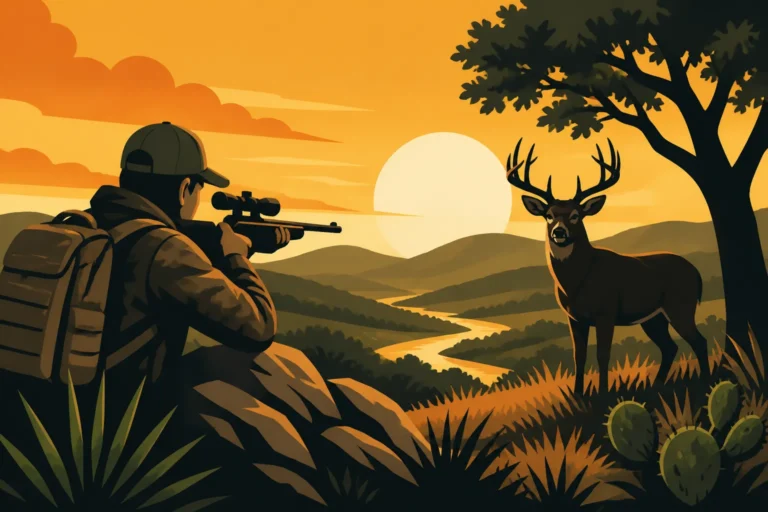
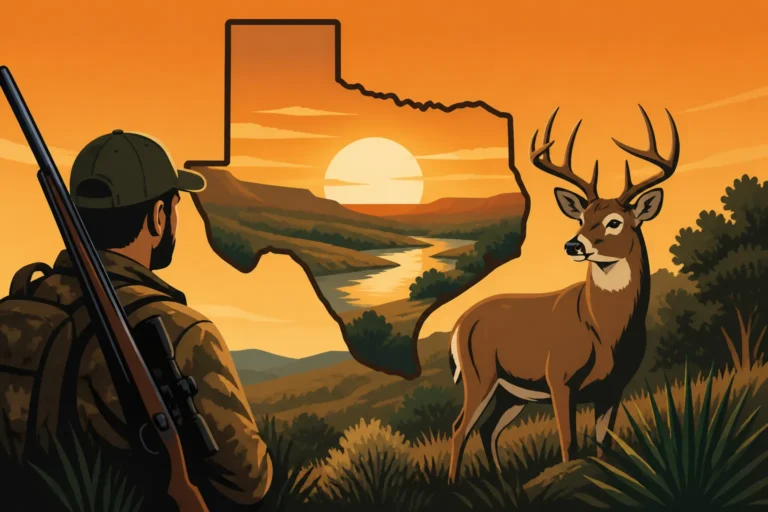
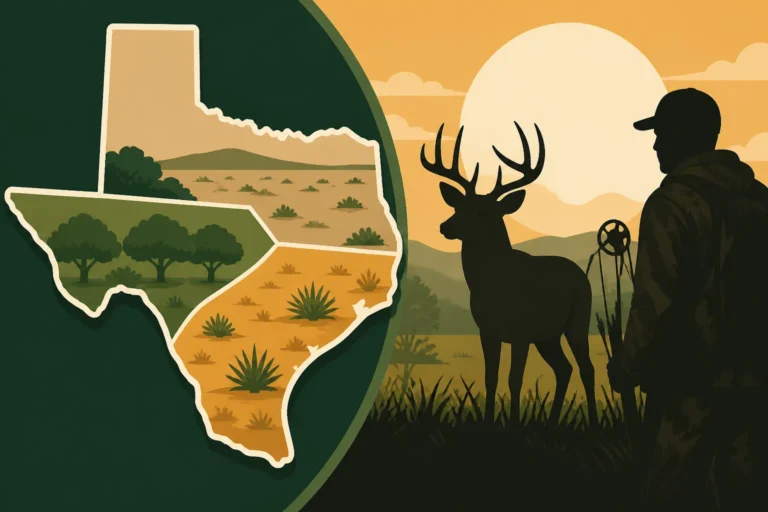
Imagine rolling hills covered in native grasses, dotted with stands of mesquite, prickly pear, and various hardwoods along creek bottoms. This is the heart of the Texas Rolling Plains, stretching across a significant portion of the state, roughly from the Red River in the north down to the Edwards Plateau. Counties like Childress, Cottle, Motley, Knox, Haskell, Throckmorton, Baylor, Young, Jack, Clay, and Montague are prime examples of this ecological area. The diverse habitat, with its mix of cover, water sources, and cultivated fields, creates an ideal environment for a variety of game species.
Unlike some heavily managed areas, the Rolling Plains often offers a more "wild" feel, where natural food sources and habitat play a greater role. Hunters often describe the thrill of glassing vast areas, spotting game moving between cover and feed. The topography varies, from nearly flat agricultural land to steep, rocky draws and river breaks, all of which influence game movement and where you'll find animals concentrated. This combination of open spaces and dense pockets of cover provides a truly challenging and rewarding hunt, demanding keen observation and strategic planning.
Primary Game Species and Their Appeal
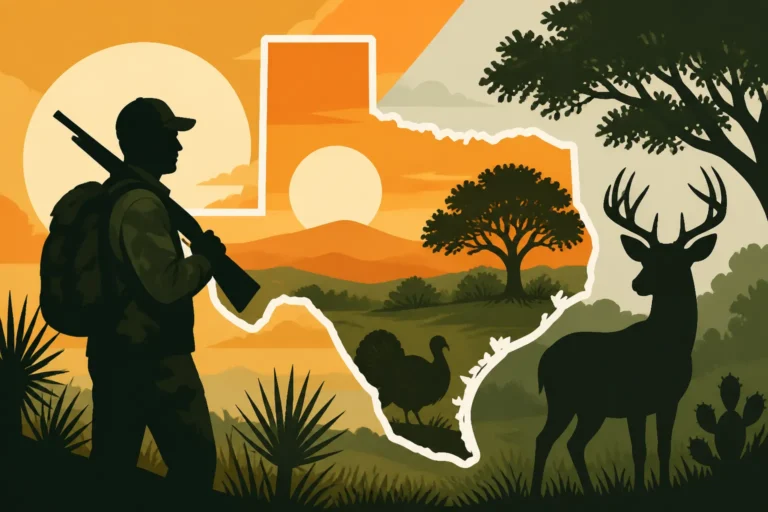
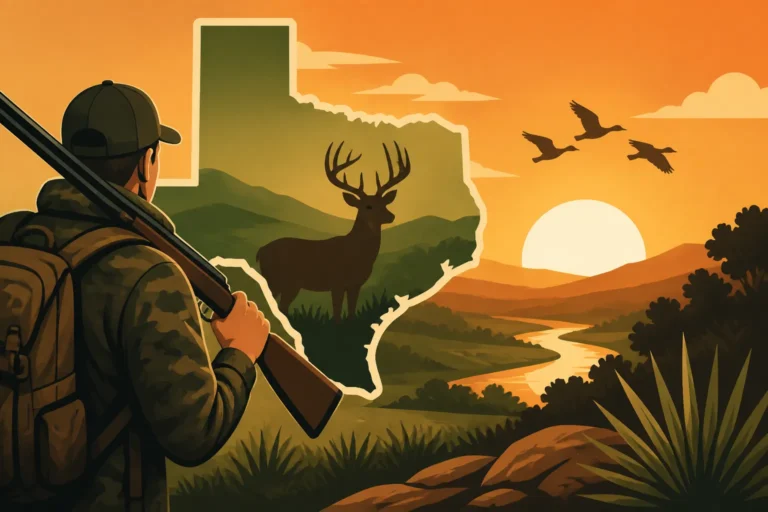
The Rolling Plains truly shines for two main categories: white-tailed deer and bobwhite quail, though feral hogs and Rio Grande turkey also offer exciting opportunities.
When it comes to white-tailed deer, the Rolling Plains produces some truly impressive bucks. While not typically known for the sheer antler mass seen in some South Texas giants, the deer here often have wide spreads and good tine length. Hunting methods frequently revolve around utilizing the natural terrain alongside strategic feeder placements. Bucks will often travel long distances between bedding areas in the brush and food sources, whether it's native browse, acorns, or supplemental protein/corn. Understanding their patterns requires patience and good scouting, often involving trail cameras set up near water sources, natural funnels, or known travel corridors. The hunting season here generally follows the statewide Texas Deer Season 2026-2027: Dates by Zone, with rifle season running from early November through early January.
For bobwhite quail, the Rolling Plains is legendary. It’s often considered one of the last strongholds for wild bobwhite populations in Texas. The habitat of mixed grass, forb, and brush provides excellent cover and food for these fast-flying birds. Quail hunting in Texas: Bobwhite & Blue is a passion for many, and the Rolling Plains draws hunters from across the country for the chance to work dogs through prime habitat. Successful quail hunting here depends heavily on habitat quality, which can fluctuate with rainfall, impacting the annual hatch. Many leases in this region are specifically sought after for their quail potential, with deer often being a secondary but welcome bonus. The thrill of a covey flush and the skill required to hit these speedy birds make it a highly desirable hunt.
Feral hogs are ubiquitous across Texas, and the Rolling Plains is no exception. They thrive in the mixed habitat, often found rooting in agricultural fields or wallowing near creek beds. While there isn't a specific Texas Hog Hunting Season (There Isn't One), they can be hunted year-round and offer a fantastic opportunity for population control and a challenging hunt. Many deer leases will include hog hunting as part of the package. Rio Grande turkeys are also prevalent, especially along river systems and in areas with mature trees for roosting. Spring turkey season here offers an exciting challenge, often requiring skilled calling and patience to bring in a wary gobbler.
Deciphering Rolling Plains Hunting Lease Costs
Let's face it, one of the biggest questions on any hunter's mind is, "What's this going to cost me?" Hunting leases in the Rolling Plains, like elsewhere, come with a wide range of price tags. It’s not just about the sticker price; there are many factors at play that determine the final cost, and some hidden expenses you absolutely need to factor in.
Factors Influencing Lease Price
Several key elements come together to dictate the price of a hunting lease in the Rolling Plains:
- Acreage and Property Size: Naturally, larger tracts of land generally command higher overall lease fees. However, the price per acre might actually decrease on larger parcels as landowners seek to lease their entire property. For smaller groups or individual hunters, a smaller, well-managed property might be more appropriate and affordable.
- Game Quality and Abundance: This is often the biggest driver. A lease with a proven history of producing trophy white-tailed deer or consistent covey flushes of bobwhite quail will undoubtedly be more expensive. Landowners who actively manage their land for wildlife, perhaps through supplemental feeding programs or habitat improvements, will reflect that investment in their pricing. If you're looking for Rolling Plains Hunting: Quail & Deer specifically, expect properties known for strong populations to be at the higher end.
- Amenities and Infrastructure: Does the lease come with a cabin, a well, electricity, a shed for storage, or established blinds and feeders? Properties offering these "turnkey" features are incredibly convenient but will add to the cost. A primitive lease with no existing infrastructure will be significantly cheaper, but you'll need to factor in the expense and effort of bringing in your own setup, including things like a mobile home or travel trailer, water, and generator.
- Access and Road Quality: A lease with easy, all-weather road access will be more desirable and thus more expensive than one requiring a high-clearance 4×4 or that becomes impassable after a rain.
- Length of Lease Term: A day hunt or weekend lease will have a per-person or per-group fee, while a full season or annual lease will be a larger lump sum. Annual leases often offer better value for money if you plan to hunt multiple species or spend a lot of time on the property, allowing you to establish feeders and blinds.
- Number of Hunters: Some landowners price per hunter, while others price per lease, allowing the lease group to determine how many people split the cost. The more hunters sharing a single lease, the lower the individual cost, but it can also lead to more hunting pressure and potential conflicts if not managed well.
Typical Price Ranges for Leases
It's tough to give exact figures that hold true year after year, as the market fluctuates with demand, economic conditions, and even rainfall patterns affecting game populations. However, for a quality annual deer and/or quail lease in the Rolling Plains, you can expect to pay anywhere from $5 to $15 per acre annually, and sometimes even higher for exceptional properties with top-tier amenities or trophy potential.
If you're looking at a lease priced per hunter, expect a range of $1,500 to $4,000+ per hunter for an annual lease, depending on the factors mentioned above. Day hunts are a different beast, typically ranging from $250 to $750+ per hunter per day for guided or semi-guided experiences, often with a harvest fee for deer.
Here's a general table to illustrate the range, but remember these are estimates:
| Lease Type | Typical Price Range (Annual) | Key Considerations |
|---|---|---|
| Primitive Land | $5 – $8 per acre | No amenities, you bring everything. |
| Basic Lease | $8 – $12 per acre | Fences, some roads, maybe a water source. |
| Amenity-Rich Lease | $12 – $15+ per acre | Cabin, electricity, water, established blinds/feeders. |
| Per-Hunter Lease | $1,500 – $4,000+ per hunter/year | Often on properties with active management or guides. |
| Day Hunt (Guided) | $250 – $750+ per hunter/day | Includes guide, often blinds/feeders. Harvest fees extra. |
These numbers are a starting point. Always inquire about what's included and what's extra. Some landowners might offer a lower per-acre price but then charge for access to a cabin or for electricity usage.
Hidden Costs to Consider
The lease fee is just the beginning. Savvy hunters budget for these additional expenses:
- Feed and Supplements: If you plan on Hunting Over Feeders & Corn in Texas (Legal Guide), you'll need to buy corn, protein pellets, or other feed. This can add hundreds, if not thousands, of dollars to your annual budget, especially if you're running multiple feeders. Don't forget the cost of the feeders themselves, like a Best Deer Feeder Setup for Texas.
- Blinds and Stands: Whether you bring your own or need to purchase new ones, a good Box Blind vs Tripod vs Ground Blind in Texas can be a significant investment. Consider the longevity and weather resistance for the often harsh Texas conditions.
- Trail Cameras: Essential for scouting and monitoring game, trail cameras require batteries and, if cellular, a data plan. These can quickly add up.
- Insurance: Many landowners require lease holders to carry liability insurance. This protects both you and the landowner in case of an accident. It's a small but vital expense.
- Travel Expenses: Don't underestimate the cost of fuel for trips to and from the lease, especially if you're driving long distances from urban centers like Dallas or Fort Worth.
- Processing and Taxidermy: If you're successful, you'll have costs associated with processing your game. Factor in potential taxidermy fees if you bag a trophy. How to Field Dress a Deer in Hot Weather is a skill you'll want to master to save on initial processing.
- Licenses and Endorsements: Don't forget your Texas Hunting License: Cost, Types & How to Buy (2026), plus any necessary endorsements for migratory birds if you're chasing quail or turkey.
Exploring Your Rolling Plains Hunting Lease Options
Once you've got a handle on the costs, it's time to explore how to actually find and secure a lease in the Rolling Plains. It can be a competitive market, so having a good strategy is crucial.
Finding a Lease: Traditional & Modern Approaches
The hunt for a hunting lease often feels like a hunt in itself! You've got several avenues to explore, each with its own advantages.
Traditionally, word-of-mouth has been king. Many prime leases never hit the open market, instead passing from one trusted group of hunters to another. Networking with other hunters, joining local conservation groups, or even just chatting with folks at your local feed store or sporting goods shop can open doors. Sometimes, a casual conversation can lead to a lead on a new lease opening up.
In today's digital age, online platforms have become incredibly popular. Websites like Texas Hunting Leases (often through larger real estate sites), LeaseHunter.com, or even Facebook groups dedicated to Texas hunting leases are common places to find listings. These sites allow landowners to advertise their properties, often with photos, acreage details, and specific rules. Be prepared to act fast, as good leases get snapped up quickly. When you're scouting potential properties online, or even driving around, applications like onX Hunt can be incredibly useful. You can use it to view property lines, owner names (in some cases), topography, and satellite imagery to get a feel for the land before you even step foot on it. It’s an invaluable tool for How to Scout for Deer Before Season in Texas and understanding potential access points or neighboring properties.
Land brokers specializing in recreational properties are another excellent resource. While they might charge a fee or commission, they often have access to leases that aren't publicly advertised and can help match you with a property that meets your specific needs and budget. They can also assist with contract negotiations and ensure all legal bases are covered.
Types of Leases Available
Not all leases are created equal, and understanding the different structures can help you target the right opportunity.
- Full Season/Annual Leases: These are the most common and sought-after. You lease the property for an entire year, giving you access for multiple seasons (deer, turkey, hogs, quail, etc.) and allowing you to set up permanent blinds, feeders, and game cameras. This offers the most flexibility and the best chance to learn the property and its game patterns. It's often the best value if you plan to spend significant time hunting throughout the year.
- Day Hunts/Weekend Leases: Ideal for hunters who can't commit to a full season or who want to sample different areas. Many outfitters in the Rolling Plains offer guided or semi-guided day hunts for deer, quail, or hogs. These usually come with a daily fee and sometimes a trophy or harvest fee. They can be a great way to experience hunting in the region without the long-term commitment and investment of an annual lease.
- Guided vs. Unguided: On a guided hunt, an experienced outfitter provides the expertise, takes you to prime spots, helps with game recovery, and often includes lodging and meals. Unguided leases, typically annual leases, mean you're completely on your own, responsible for all aspects of the hunt, from scouting to field dressing.
- Family Leases vs. Group Leases: Some landowners prefer to lease to a single family, aiming for a consistent, low-impact group. Others are open to groups of friends, which can be a cost-effective way to share the expenses, but requires clear rules and communication within the group.
Due Diligence Before Signing
Never, ever jump into a lease agreement without doing your homework. A little legwork upfront can save you a world of headaches later on.
First and foremost, insist on a written lease agreement. This document should clearly outline the lease term, cost, allowed species, bag limits (if different from state regulations), permitted hunting methods, access points, rules regarding guests, liability clauses, and any specific landowner expectations (e.g., gate closures, trash removal, vehicle restrictions). It’s your legal protection and ensures everyone is on the same page.
Inspect the property thoroughly before signing. Walk the boundaries, check out the water sources, evaluate the condition of fences and roads, and look for signs of game. Don't rely solely on photos or descriptions. Pay attention to neighboring properties – are they heavily hunted? Are there potential issues with trespassing or poaching?
Talk to the landowner extensively. Ask about their expectations, the history of the property, and their wildlife management philosophies. A good relationship with the landowner is paramount for a successful and long-lasting lease. If possible, talk to previous lessees. They can offer invaluable insights into the property, the landowner, and potential challenges. Ask about game populations, pressure, and general satisfaction.
Finally, confirm the legalities. Ensure the property is properly fenced, and clarify any special rules regarding CWD in Texas: Zones, Rules & Carcass Transport. Understanding the specific regulations for the county you're hunting in is crucial for a legal and ethical hunt.
Maximizing Your Rolling Plains Hunting Experience
Securing a lease is just the first step. To truly make the most of your time in the Rolling Plains, you need the right gear, smart strategies, and a solid understanding of how to be a responsible and effective hunter in this unique environment.
Essential Gear and Preparation
The Rolling Plains can be hot and dry, but also cold and wet, sometimes all in the same week. Being prepared with the right gear is key to comfort and success.
- Footwear: Good snake boots for Texas hunting are almost non-negotiable. The region is home to rattlesnakes and other venomous snakes, and much of the hunting involves walking through brush and tall grass. Invest in a comfortable, durable pair.
- Clothing: Layering is always smart. Early season hunts might call for lightweight, breathable camo, while late season can bring freezing temperatures. Camouflage patterns that mimic mesquite and dry grasses will serve you well.
- Optics: Given the often-open terrain, quality binoculars and a rangefinder are crucial. You'll spend a lot of time glassing for game, especially for deer and even locating quail coveys. A good rifle scope for Texas deer hunting is equally important for those longer shots often presented in the open country.
- Feeders and Blinds: If your lease doesn't provide them, consider investing in reliable deer feeders for Texas (spin, gravity, or protein). For blinds, a well-placed box blind can offer comfort and concealment, especially when combined with a feeder. For bowhunting, a ground blind might be more versatile.
- Game Retrieval: A sturdy game cart can be a lifesaver for hauling deer or hogs out of tough terrain, especially if you're hunting alone or far from vehicle access.
Effective Hunting Strategies
Hunting in the Rolling Plains requires adaptable strategies to match the diverse game and terrain.
For white-tailed deer, a combination of feeder hunting and scouting is common. Setting up Best Deer Feeder Setup for Texas with corn or protein can attract deer, but remember that the biggest bucks are often wary of feeders during daylight. Use trail cameras to pattern their movements and consider hunting natural travel corridors or water sources away from feeders. Spot-and-stalk hunting can be effective in more open areas, particularly for mule deer if you're on the western edge of the Rolling Plains, but it requires patience and excellent glassing skills. During the rut, rattling and grunting can be highly effective, especially when bucks are cruising for does. Knowing when to rattle for bucks in South Texas (which shares some rut timing with parts of the Rolling Plains) can be a game-changer.
Quail hunting is typically done with pointing dogs. Focus on areas with good cover and a mix of native grasses and forbs that provide both food and protection. Walking creek bottoms or the edges of agricultural fields can be productive. Be prepared to walk a lot and to shoot quickly!
For feral hogs, opportunistic hunting over feeders or by cruising roads in the early morning and late evening is common. Thermal imaging is increasingly popular for Hog Hunting Methods in Texas: Thermal, Night & Trapping, and can be incredibly effective in the dark for population control.
Respecting the Land and Landowner Relations
A good hunting lease is a privilege, and maintaining a positive relationship with your landowner is paramount. This isn't just about politeness; it's about being a responsible steward of the land and ensuring future opportunities.
Always adhere to the landowner's specific rules and property boundaries. If they ask you to close a gate, close it. If they have areas off-limits, respect that. Communicate regularly about your hunting plans, any issues you observe (like fence breaks or suspicious activity), and your harvest. Leave the property cleaner than you found it, taking out all your trash. Offering a helping hand with small chores, like fence mending or feeder filling, can go a long way in building goodwill. Remember, you're not just a hunter on their land; you're a temporary caretaker. Building a reputation as a responsible and respectful hunter will open doors, not only for renewing your current lease but potentially for future opportunities.
Disclaimer
The information provided in this guide is for general informational purposes only and does not constitute legal advice. Hunting regulations and lease agreements can be complex and are subject to change. Always consult the latest Texas Parks and Wildlife Department Outdoor Annual and ensure you have a clear, written lease agreement with your landowner before engaging in any hunting activities.