Best Gear for Bobwhite Quail on a Texas Lease
You've finally secured that prime bobwhite quail lease in Texas, maybe after years of searching, and the excitement is building! But as the season draws closer, a common question starts to niggle: "Do I really have all the right gear for hunting these elusive little rockets in the unique Texas terrain?" It's a valid concern, because showing up unprepared for a fast-paced, dog-driven upland hunt can lead to a lot of frustration and missed opportunities. This comprehensive guide is designed to walk you through all the essential gear you'll need to make your bobwhite quail hunting experience on a Texas lease as successful and enjoyable as possible.
Essential Firearms for Bobwhite Quail
When you're chasing bobwhite quail across the diverse landscapes of a Texas lease, your choice of firearm is paramount. These birds explode from cover with incredible speed, demanding a shotgun that's quick to shoulder, swings smoothly, and delivers a consistent pattern. It’s not just about what you shoot, but how you shoot it, and the right gun can make all the difference in those fleeting moments.
Shotgun Gauge and Choke Recommendations
For bobwhite quail, a lighter, faster-swinging shotgun is generally preferred. The classic choice is a 20-gauge, which offers a great balance of light recoil and effective shot payload. Many seasoned hunters even opt for a 28-gauge for its incredibly nimble feel and surprisingly dense patterns, especially for those who cherish the sport. While a 12-gauge will certainly get the job done, its heavier weight can become a burden after a full day of walking, and its larger shot pattern can sometimes be overkill on such small birds, potentially damaging the meat. The key is finding a shotgun that fits you well and feels like an extension of your body, allowing for instinctive pointing and follow-through.
The choke constriction is another critical factor. Given the typical flushing distances of bobwhites – often within 15 to 30 yards – an open choke is usually ideal. Many hunters start with an Improved Cylinder (IC) or even a Skeet choke in their first barrel for those close-quarter flushes. If you're running a double-barrel, a Modified (MOD) choke in the second barrel can be beneficial for longer follow-up shots on birds that manage to put some distance between themselves and your position. The goal is to produce a wide enough pattern at close range to increase your chances of connecting with these erratic flyers, without blowing them to smithereens. Experiment with different chokes on a patterning board before the season starts to see how your specific shotgun and ammunition perform.
Ammunition Choices for Fast-Flying Birds
Once you've settled on your shotgun and chokes, the right ammunition is next on the list. For bobwhite quail, you'll want fast, light loads with smaller shot sizes. Generally, 7.5 or 8 shot is the go-to choice. These smaller pellets create a denser pattern, increasing your chances of hitting the bird without over-penetrating and ruining the meat. High-velocity loads can give you a slight edge in lead time, which can be crucial when birds are flushing unexpectedly from thick cover.
It's also worth considering the shot material. While lead shot is still the most common and effective for upland birds, some public hunting areas or specific leases might have restrictions requiring non-toxic shot. Always double-check the regulations for your specific lease or hunting area. If non-toxic shot is mandated, bismuth or steel can be viable alternatives, though you might need to adjust your choke selection accordingly as steel patterns differently than lead. Carrying a variety of loads with you can also be a smart move, allowing you to adapt to different conditions or shot distances throughout the day.
Upland Hunting Apparel and Protection
Hunting bobwhite quail in Texas isn't a stroll through a manicured park. You'll be busting through dense brush, traversing uneven terrain, and contending with everything from thorns to venomous snakes. Your clothing and protective gear aren't just about looking the part; they're about ensuring comfort, safety, and endurance for a long day afield.
Durable, Brush-Resistant Clothing
The thick mesquite, prickly pear, and various thorny shrubs that characterize many Texas quail habitats demand robust clothing. Regular denim or thin canvas just won't cut it after a few hours, leaving you scratched, torn, and miserable. You'll want briar-proof or brush pants, often made from heavy-duty nylon or Cordura, that can withstand repeated abuse from thorns and abrasive vegetation. Many popular brands like GoHunt's gear selection often feature rugged upland pants designed specifically for this kind of environment. These pants usually come with reinforced fronts or chap-like overlays to protect your legs.
For your upper body, a durable, long-sleeved shirt is crucial to protect your arms from scratches and sun exposure. Layering is key in Texas, where mornings can be crisp and afternoons scorching. A lightweight, moisture-wicking base layer, followed by a sturdy hunting shirt, and perhaps a light vest for cooler starts, will serve you well. Many quail vests also come with integrated game bags, which leads us to the next point. A good hunting vest, preferably in blaze orange for visibility, should have ample pockets for shells, water, dog treats, and a spacious, easy-access game pouch in the back to stash your harvested birds.
Footwear and Snake Protection
Perhaps no other piece of gear is as critical for Texas quail hunting as your footwear and snake protection. The terrain is often uneven, rocky, and filled with hidden hazards. A pair of comfortable, supportive, and waterproof hunting boots is non-negotiable. Look for boots that offer good ankle support to prevent twists and sprains, and a grippy sole for traction on loose soil and rocks. Break them in well before the season to avoid blisters – there's nothing worse than having to cut a hunt short because of sore feet.
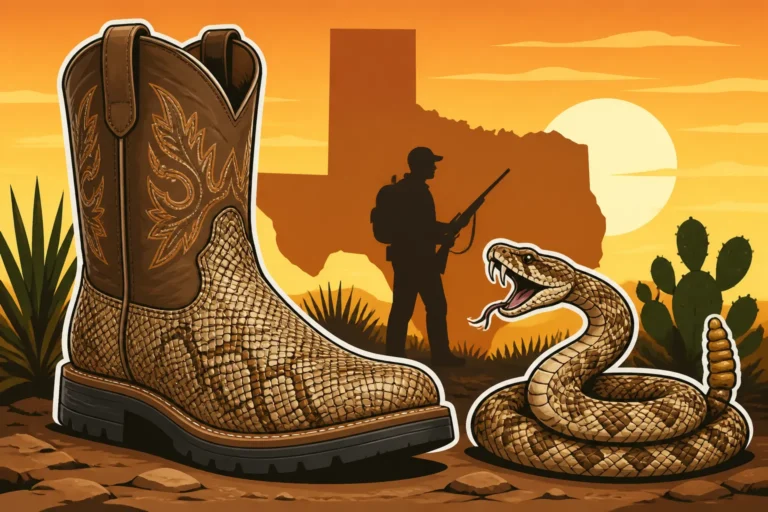
Beyond comfort, serious snake protection is an absolute must in Texas. Rattlesnakes are prevalent in many quail territories, and a bite can be life-threatening. You have two main options: dedicated snake boots or snake gaiters worn over your regular boots. Snake boots offer comprehensive protection from your foot up to your knee, providing peace of mind. Brands like Lacrosse or Irish Setter offer excellent snake boot options. If you prefer your existing hunting boots, high-quality snake gaiters that extend from your ankle to just below your knee are an effective alternative. Whichever you choose, ensure they are comfortable enough for long walks and provide genuine penetration resistance against fangs. Remember, an ounce of prevention is worth a pound of cure, especially when it comes to venomous snakes. You can learn more about choosing the right protective gear in our guide on Best Snake Boots for Texas Hunting.
Navigation, Communication, and Bird Handling Gear
Out on a large Texas lease, especially if it's new to you, getting around efficiently and safely is vital. Furthermore, once you've successfully brought down some birds, you need the right tools to handle them properly. These often-overlooked items can truly enhance your hunting experience.
GPS and Communication Devices
Even with a detailed map of your lease, a reliable GPS device or a smartphone with a robust hunting app is indispensable. Apps like onX Hunt or HuntStand provide detailed property lines, topo maps, and satellite imagery, helping you stay within your lease boundaries, mark covey flushes, and navigate back to your vehicle or camp. Many leases are vast, and it’s easy to get disoriented, especially when following dogs through dense cover. Having your hunting plan outlined on a mapping app, perhaps even a public hunt drawing application from Texas Parks and Wildlife, can be a game changer. The ability to drop pins at key locations like water sources, dense cover, or even where you last saw a covey can save you a lot of time and effort.
Beyond navigation, communication with your hunting partners is crucial, especially if you're spreading out. Two-way radios are excellent for maintaining contact in areas with spotty cell service, which is common in many rural Texas landscapes. A fully charged cell phone is always good to have for emergencies, but don't rely on it as your sole communication device. Consider a portable power bank to keep all your electronics charged throughout the day. It’s also wise to have a basic whistle for signaling your dog or fellow hunters, especially if you get separated.
Bird Vests, Bags, and Game Processing Essentials
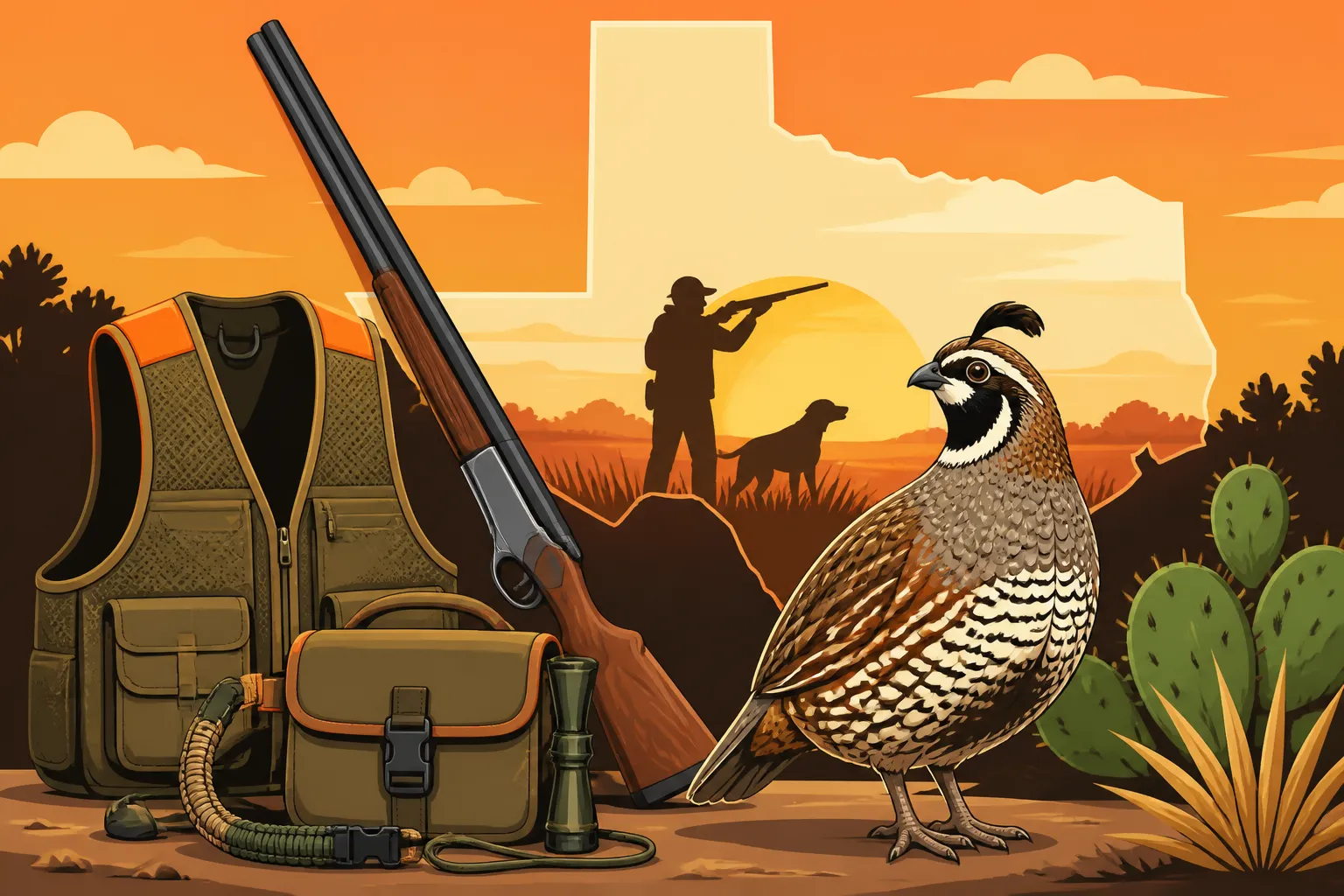
A good bird vest is more than just a place to carry shells; it's your mobile command center for the day. Look for a vest with plenty of pockets for those shotgun shells, a water bottle, dog treats, and a first-aid kit. The most critical feature is a large, blood-proof game bag on the back, ideally with mesh for ventilation to help cool your birds. The faster you can cool your game, the better the meat quality will be. Some vests even have hydration bladders built in, which is a lifesaver on hot Texas days.
| Item Type | Key Feature | Why It's Essential for Quail |
|---|---|---|
| Shotgun | Light, fast-swinging | Quick shots on flushing birds |
| Choke | Improved Cylinder/Skeet | Wide pattern for close range |
| Ammunition | 7.5 or 8 shot, fast loads | Dense pattern, effective kill |
| Pants | Briar-proof | Protection from thorns & brush |
| Boots | Supportive, waterproof | Comfort, traction on uneven ground |
| Snake Protection | Boots or Gaiters | Safety from venomous snakes |
| Bird Vest | Game bag, pockets | Carry birds, shells, water |
| GPS/App | Maps, boundary lines | Navigation, marking finds |
| Water Bottle | Capacity for hunter/dog | Crucial for hydration |
| Game Shears | Sharp, sturdy | Field dressing birds |
For actual bird handling, a small pair of game shears can be incredibly useful for quickly field dressing birds in the field. Removing the entrails helps them cool down even faster and reduces the risk of spoilage, especially if you're not heading straight back to camp. Make sure you also have a small cooler with ice in your vehicle to immediately transfer your harvested birds. Keeping them cool is paramount to preserving the quality of that delicious bobwhite meat. Our guide on How to Field Dress a Deer in Hot Weather offers insights that can also be applied to smaller game in terms of quick cooling, though the tools differ.
Dog Gear and Training Aids
For many, hunting bobwhite quail without a well-trained bird dog is like eating a steak without a knife and fork – it’s just not the same, and a lot harder! Dogs are indispensable for finding and flushing birds, and especially for retrieving downed quail in thick cover. Having the right gear for your canine companion ensures their safety and optimizes their performance.
E-Collars and Tracking Systems
A reliable e-collar is almost universally used by serious quail hunters. It's not a punishment tool, but a communication device that allows you to give your dog commands from a distance, reinforcing training, and ensuring their safety around roads, fences, or other hazards on the lease. Look for a collar with a long range and multiple stimulation levels, including tone and vibration, allowing for subtle corrections. Brands like Garmin and SportDOG offer excellent e-collar systems designed for upland hunting.
Beyond e-collars, an integrated GPS tracking system is a game-changer. These systems, often combined with the e-collar, allow you to see your dog's location on a handheld device, which is invaluable when your dog is out of sight in thick cover or on point. This prevents lost dogs and helps you quickly locate them when they've locked up on a covey. Many of these systems also track your dog's mileage and speed, providing interesting data after a long day afield. For those moments when you're watching your pointer freeze up, knowing exactly where they are without having to blindly push through dense brush is incredibly reassuring.
Protective Vests and First Aid for Dogs
Just like humans, hunting dogs need protection from the harsh Texas environment. A good protective vest, often made from Cordura or similar tough material, can shield your dog's chest and belly from thorns, sharp sticks, and even minor cuts. These vests are usually brightly colored (like blaze orange) to increase visibility, making it easier to keep track of your dog and differentiate them from game. While not snake-proof, they do offer a layer of protection that can sometimes mitigate injuries from snake bites, particularly to the chest.
A comprehensive dog first aid kit is an absolute must-have. Your dog will be covering miles of challenging terrain, and injuries can happen. This kit should include items like antiseptic wipes, wound dressings, vet wrap, pain relievers (consult your vet for appropriate dosages), tweezers for thorn removal, and even a snake bite kit (though immediate vet care is always paramount for snake bites). Knowing how to administer basic first aid can prevent a minor injury from becoming a serious problem and might even save your dog's life. Always have fresh water and a bowl readily available for your dog, especially in the Texas heat – hydration for your hunting companion is just as important as it is for you.
Disclaimer
Please remember that hunting regulations and best practices can change. Always consult the most current Texas Parks and Wildlife Department Outdoor Annual before heading afield. This guide provides general information and should not be taken as legal advice. Stay safe, hunt ethically, and respect the land and wildlife.