Are Feral Hogs Good to Eat?
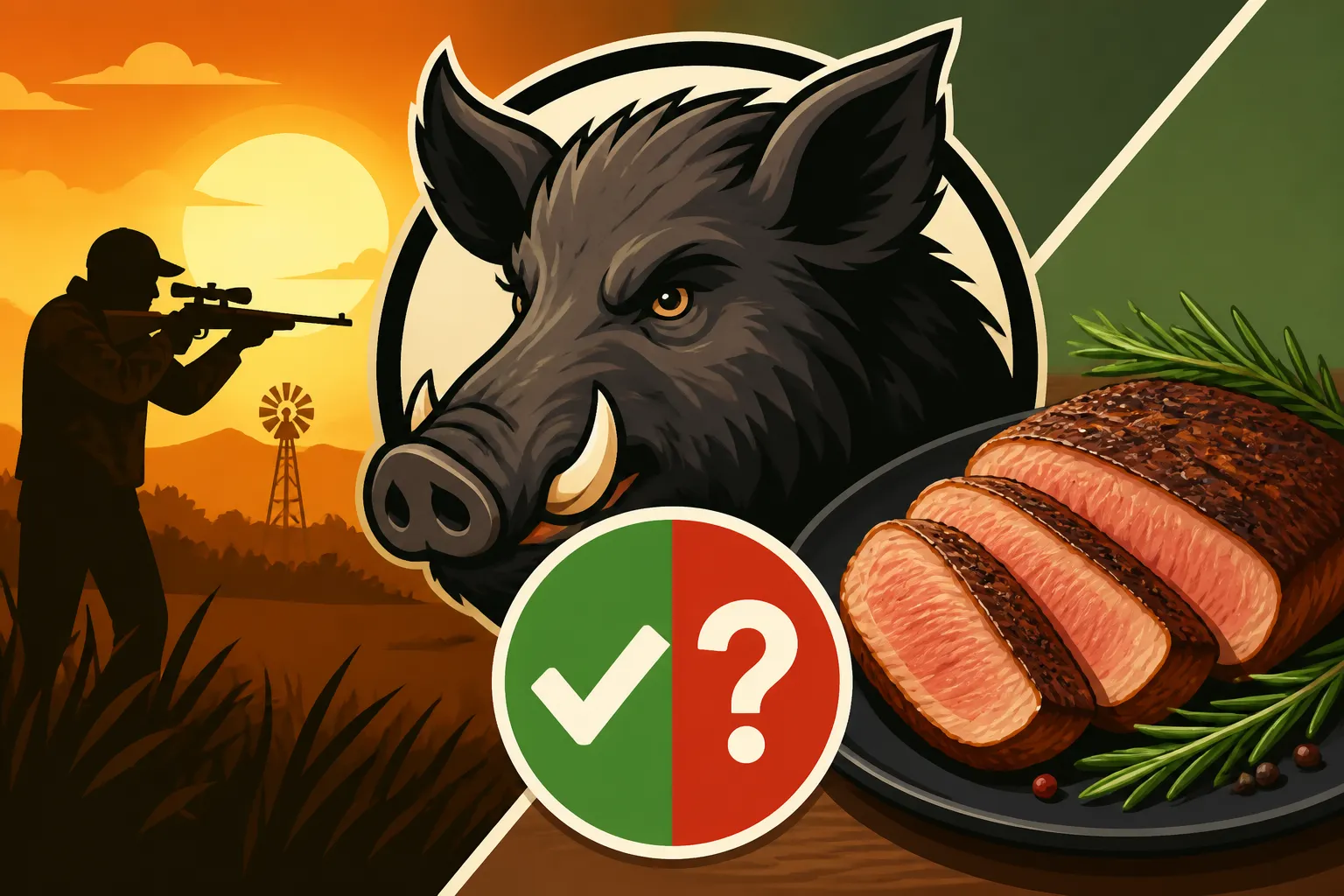
For many Texas hunters, the question isn't if you'll encounter a feral hog, but when – and what to do with it once you've harvested it. There's often a lot of uncertainty and even some old wives' tales floating around about whether these wild hogs are truly good to eat. This comprehensive guide will cut through the misinformation, offering a realistic look at the safety, taste, and best practices for preparing your feral hog harvest, ensuring you can confidently enjoy the bounty of the Texas landscape.
The Big Question: Are Feral Hogs Safe to Eat?
Let's address the elephant in the room, or rather, the hog in the brush: safety. Many hunters are hesitant to consume feral hog meat due to concerns about parasites or diseases. It's a valid concern, but with proper knowledge and handling, feral hog meat can absolutely be safe and delicious. The key lies in understanding the potential risks and taking appropriate precautions throughout the entire process, from field dressing to your kitchen.
Understanding Potential Health Risks
Feral hogs, being wild animals, can carry various parasites and diseases that are transmissible to humans if the meat is not handled or cooked correctly. The most commonly cited concern is trichinosis, caused by the Trichinella parasite. While cases in humans are rare, they are almost always linked to consuming undercooked wild game, particularly pork or bear. Other concerns include brucellosis, a bacterial disease, and less commonly, leptospirosis. It's important to note that these risks are generally manageable, and the presence of these pathogens isn't a given in every hog.
Think of it this way: you wouldn't eat undercooked chicken or beef, and the same principle applies here. The vast majority of commercially raised pork is tested and treated to mitigate these risks, but with a wild animal, the responsibility falls squarely on the hunter. The good news is that thorough cooking effectively eliminates the risk of trichinosis and most other bacterial pathogens.
Proper Field Dressing and Processing
The first line of defense against potential contamination starts the moment the hog hits the ground. Rapid and hygienic field dressing is crucial, especially given the notorious Texas heat. Get those guts out as quickly as possible to begin the cooling process and minimize bacterial growth. Wearing gloves during field dressing is non-negotiable; it's a simple step that greatly reduces your risk of exposure to brucellosis, which can enter the body through cuts or mucous membranes. Remember, brucellosis is often associated with the reproductive organs and blood.
Once field dressed, focus on cooling the carcass rapidly. This might involve quartering the hog and placing it in coolers with ice, much like you would if you were learning to process other game. Check out our guide on how to cool a deer fast in Texas heat for similar best practices that apply to hogs. The cleaner and quicker you can get the meat chilled, the better its quality and safety will be. Many hunters choose to skin their hogs immediately, while others prefer to let them hang and cool before skinning. Either way, ensure the meat doesn't come into contact with dirt, mud, or internal organs after dressing.
The Importance of Cooking Temperature
This is the golden rule for consuming feral hog meat: cook it thoroughly. There’s no such thing as medium-rare feral hog if you want to be absolutely safe. The United States Department of Agriculture (USDA) recommends cooking all pork to an internal temperature of at least 145°F (63°C) for whole cuts, followed by a three-minute rest. However, for wild game, especially hogs where trichinosis is a concern, many experts and veteran hunters advise cooking to a higher temperature, typically 160°F (71°C) to 170°F (77°C), especially for ground meat or roasts.
Using a meat thermometer is not just a suggestion; it's a necessity. Insert it into the thickest part of the meat, avoiding bone. When the desired temperature is reached, you can be confident that any potential parasites or bacteria have been neutralized. Don't eyeball it or rely on the meat "looking done." Safety first, flavor second, and with proper cooking, you can have both!
What Does Feral Hog Meat Actually Taste Like?
Okay, with safety covered, let's get to the delicious part: taste! This is where opinions truly diverge, and for good reason. Unlike the consistent flavor of domestic pork, feral hog meat is incredibly variable, often leading to conflicting reports. Some swear it's the best wild game meat they've ever had, while others find it too strong or "gamey." The truth, as often is the case, lies somewhere in the middle and depends on several key factors.
Factors Influencing Flavor and Texture
The flavor and texture of feral hog meat are heavily influenced by their diet, age, sex, and environment.
- Diet: This is perhaps the biggest factor. A hog that's been feasting on acorns in the Texas Hill Country will likely have a milder, nuttier flavor than one that's been rooting around a farmer's cornfield or, worse, scavenging around a landfill or livestock pens. Hogs that primarily eat vegetation and natural forage tend to have cleaner, less intense flavors.
- Age and Sex: Younger hogs, especially sows (females) or barrows (castrated males), generally have more tender, milder-tasting meat. Older boars (intact males), particularly during breeding season, can have very strong, musky odors and flavors, sometimes referred to as "boar taint." This is due to hormones and compounds that accumulate in their fat and glands. While not harmful, it can be unpalatable to many. Some hunters will inspect the fat for a strong odor immediately after field dressing, as a quick indicator.
- Environment and Activity Level: Feral hogs live a tough, active life. This means their muscles are well-developed, leading to a leaner, more fibrous meat compared to their domesticated, sedentary cousins. This leanness can be a benefit for some, offering a more robust texture, but it also means the meat can dry out if not cooked properly.
Understanding these variables means that one feral hog experience doesn't define them all. Don't write off feral hog meat after trying just one!
Comparing Feral Hog to Domestic Pork and Wild Boar
To truly understand feral hog flavor, it's helpful to compare it to what many people are familiar with:
- Domestic Pork: This is the baseline. Domestic pork is typically mild, fatty, and consistently flavored due to controlled diets and selective breeding. It's the "vanilla" of pork.
- Feral Hog: As discussed, feral hog meat is far more diverse. At its best, it can be described as richer and more flavorful than domestic pork, with a slight "wild" or "gamey" hint that isn't overpowering. It's leaner and has a firmer texture. At its worst (e.g., an old boar), it can be very strong, musky, and tough. Think of it as domestic pork with an adventurous, rustic side. Some compare it to a cross between pork and venison, leaning more towards pork.
- "True" Wild Boar: In Europe, "wild boar" refers to a distinct species, Sus scrofa. While Texas feral hogs are descendants of domestic pigs that have gone wild, they are often colloquially referred to as wild boar. The taste of a European wild boar can be even more intense and gamey than a Texas feral hog, having been wild for countless generations and adapted to truly wild diets. So, while related, they're not exactly the same thing.
Here's a quick comparison table to help visualize the differences:
| Feature | Domestic Pork | Feral Hog | European Wild Boar |
|---|---|---|---|
| Flavor Profile | Mild, consistent, sweet | Variable, richer, "wilder" | Intense, gamey, robust |
| Texture | Tender, fatty | Leaner, firmer, sometimes tough | Lean, very firm, fibrous |
| Fat Content | High, marbled | Low to moderate | Low |
| Diet | Controlled feed | Opportunistic (wild plants, insects, crops) | Wild forage (nuts, roots, fungi) |
| Common Uses | Roasts, chops, bacon | Slow-cook, grind, sausage | Stews, roasts, charcuterie |
| Primary Concern | Overcooking | Thorough cooking (parasites) | Thorough cooking (parasites) |
From Field to Fork: Preparing Your Feral Hog Harvest
Now that we've covered safety and taste, let's talk practical steps. Getting your feral hog from the field to your dinner plate involves careful handling and smart preparation choices to ensure both safety and culinary enjoyment. This isn't just about butchering; it's about making decisions that maximize the potential of every cut.
Essential Field Dressing Tips for Quality Meat
The journey to a delicious meal begins immediately after the shot. As mentioned before, gloves are a must. Start by making a cut from the sternum to the pelvis, carefully avoiding the internal organs. Once the body cavity is open, reach in and sever the esophagus and trachea up near the diaphragm, then gently roll the entrails out. Don't forget to remove the anus and rectum by cutting around it and pulling it through the pelvic canal.
If you plan to skin the hog, do it as soon as possible, especially in warm weather. Hang the hog by its hind legs from a sturdy tree or game hoist. Make a cut down the inside of each leg to the main body cut, and carefully peel the hide off. This can be quite a workout, as hog hides are tough! Once skinned, get that carcass cooled down. For smaller hogs, a large cooler with ice might suffice. For larger ones, quartering it is usually the best approach for rapid chilling. For detailed advice on this initial stage, you might find our article on Field Dressing & Processing Game in Texas Heat helpful.
Butchering and Deboning for Different Cuts
Once chilled, it's time to break down your hog. A feral hog offers a surprising variety of cuts, similar to domestic pork but with some differences due to their leaner build.
- Shoulder (Boston Butt & Picnic Roast): This is fantastic for slow cooking. The shoulder meat is rich in connective tissue, which breaks down beautifully when braised or smoked. This is where you'll get excellent pulled pork.
- Loin: The loin yields tender chops and roasts, but remember, it's very lean. Overcooking will dry it out. Consider brining loin cuts to retain moisture or wrap them in bacon before cooking.
- Ham (Hind Leg): This can be roasted whole (skin on for crackling!), or deboned and used for stew meat, roasts, or ground for sausage.
- Ribs: Feral hog ribs are often meatier and less fatty than domestic pork ribs. They're excellent smoked or slow-cooked.
- Belly: While less fatty than domestic pork belly, you can still cure it for bacon or use it for slow-cooked dishes.
- Trim: This is where a lot of your harvest will end up. All the smaller pieces of meat and sinew that aren't suitable for prime cuts can be ground. This ground meat is perfect for sausage, chili, tacos, or meatballs. Mixing it with a bit of pork fat from a butcher can improve texture and flavor, especially if your hog is particularly lean.
When deboning, keep your knives sharp and work cleanly. Separate muscle groups, trim off any excessive fat (especially if you suspect boar taint), and remove all silver skin and gristle. This meticulous trimming significantly improves the eating experience.
Marinades and Cooking Methods to Enhance Flavor
Given the leaner nature and potentially stronger flavor of feral hog meat, smart cooking techniques and marinades are your best friends.
- Marinades: A good marinade can tenderize the meat and infuse it with delicious flavors. Acidic marinades (vinegar, citrus juice) help break down muscle fibers, while oil-based marinades keep the meat moist. Herbs, garlic, onion, and spices can mask any subtle gamey notes. Marinate cuts for at least a few hours, or even overnight.
- Slow Cooking Methods: This is where feral hog truly shines. Smoking, braising, stewing, and slow-roasting are ideal for breaking down the tougher connective tissues and rendering the meat incredibly tender. Think of recipes like slow-cooked pulled pork, rich stews, or a flavorful chili.
- Grinding for Sausage: If you've got a lot of trim or an older, tougher hog, grinding it for sausage is a fantastic option. You can control the fat content and seasoning. Many hunters mix their hog grind with a percentage of domestic pork fat (typically 20-30%) to improve moisture and flavor. Consider making breakfast sausage, Italian sausage, or even bratwurst.
- High-Heat Searing (for tender cuts): For very young, tender loins or chops, a quick sear followed by a brief roast can work, but always ensure it reaches that safe internal temperature. Pounding thinner cuts into cutlets (like milanesa) and frying them can also be delicious, as the quick cooking time keeps them from drying out.
Don't be afraid to experiment! The variability of feral hog meat means there's no single perfect recipe, but rather a spectrum of possibilities waiting to be explored.
Dispelling Myths and Maximizing Your Harvest
There's a lot of lore surrounding feral hogs, some of it earned, some of it just plain misinformation. Clearing up these myths can help more hunters appreciate the culinary potential of their harvest and encourage sustainable practices. It's about moving past stereotypes and embracing the reality of these resilient animals.
Debunking the "Dirty Hog" Stereotype
One of the most persistent myths is that feral hogs are inherently "dirty" and therefore unfit for consumption. It's true that hogs love to wallow in mud and can be found in less-than-pristine environments. They are opportunistic omnivores and will eat almost anything. However, a hog's external habits do not directly dictate the quality or safety of its meat, provided it's healthy and handled correctly.
The critical factor, as we've already discussed, is proper field dressing and cooking. A hog harvested cleanly, field dressed promptly, kept away from ground contamination, and cooked thoroughly is no "dirtier" than any other wild game. The "dirty" label often conflates external appearance with internal health. While some hogs might be found in areas with higher parasite loads, the cooking process effectively neutralizes these concerns. If a hog appears visibly diseased or unhealthy, then, of course, pass on harvesting it. But don't let a mud wallow discourage you from a potential excellent meal.
Creative Recipes and Culinary Inspiration
Once you've got your processed hog meat, the culinary possibilities are extensive. Don't limit yourself to just grilling!
- Texas-Style Pulled Pork: This is a classic for a reason. Slow-smoke a shoulder or large roast until it's fall-apart tender, then shred it and mix with your favorite BBQ sauce. The lean nature of feral hog means it holds up wonderfully to long smoking sessions.
- Feral Hog Chili: Use ground feral hog in a hearty, spicy chili. The robust flavor of the meat stands up well to strong chili spices.
- Wild Hog Sausage: As mentioned, grinding for sausage is a fantastic option. Experiment with different spice blends – hot Italian, sage breakfast sausage, or even a chorizo. This is particularly useful for tougher cuts or older animals.
- Carnitas or Tacos: Slow-cook shoulder or belly pieces in lard or oil until crispy and tender. Shred the meat and serve in warm tortillas with your favorite toppings. The richness and texture are perfect for this dish.
- Stew or Goulash: Feral hog meat, especially from tougher cuts, is excellent in long-simmered stews with root vegetables, rich broth, and aromatic herbs.
- Smoked Ham: If you have a larger hind leg, consider curing and smoking it for a delicious, homemade ham. This is a more involved process but yields a truly spectacular result.
For more inspiration, look to recipes for domestic pork shoulder, wild boar, or even venison, and adapt them to the unique characteristics of your feral hog. Embrace the adventure of cooking wild game!
Ethical Considerations and Sustainable Harvesting
Hunting feral hogs isn't just about putting meat on the table; it's also a crucial conservation effort in Texas. These animals are an invasive species, and managing their populations is vital for the health of our native wildlife and agricultural lands. Embracing the culinary aspect of feral hog hunting contributes to a more holistic and sustainable approach.
The Role of Feral Hog Hunting in Texas Ecosystems
Feral hogs are a serious problem in Texas. They cause an estimated $500 million in damage annually to agricultural crops, livestock, and property. Beyond economic damage, they devastate native plant communities, compete with native wildlife for food resources, and spread diseases to livestock and even humans. They root up sensitive ecosystems, destroy wildlife habitat, and prey on fawns, ground-nesting birds, and other small animals.
Because of their destructive nature and prolific breeding rates, Texas has very liberal hunting regulations for feral hogs. There's no closed season, no bag limit, and on private land, you don't even need a hunting license to take them. This makes Feral Hog Hunting in Texas: Year-Round Guide an important part of land management across the state. Every hog harvested is a win for the environment. By utilizing the meat, hunters are taking full responsibility for their harvest and participating in a truly sustainable practice. Methods like Hog Trapping in Texas: Methods That Work and night hunting also contribute significantly to population control.
Making the Most of Every Part of the Animal
A true ethic of hunting involves respect for the animal and utilizing as much of the harvest as possible. With feral hogs, this extends beyond just the prime cuts.
- Meat: As we've extensively discussed, the meat itself is a valuable resource. Whether it's prime roasts, ground for sausage, or used in stews, make sure no good meat goes to waste.
- Fat: While feral hog fat is leaner than domestic pork, it can still be rendered down and used for cooking. It has a slightly richer flavor and can be excellent for frying potatoes or making confit.
- Bones: Don't discard the bones! They make incredible stock for soups and stews, adding a depth of flavor that store-bought broth simply can't match. Roasting the bones first before simmering them for hours creates an even richer stock.
- Hides (for some): While not as commonly utilized as deer hides, some people tan hog hides for leather, though the process can be challenging due to their thick, bristly nature.
- Tusks: For larger boars, the tusks can be cleaned and kept as a trophy or used in crafts.
By making the effort to use the meat and other parts of the feral hog, hunters demonstrate respect for the animal and contribute to a responsible, sustainable hunting culture that benefits Texas's ecosystems. It turns what could be considered a nuisance animal into a valuable food source, closing the loop on a truly wild harvest.
Disclaimer
Please remember that hunting regulations and best practices can change. Always consult the latest Texas Parks and Wildlife Department (TPWD) Outdoor Annual for the most up-to-date information on seasons, licensing, and regulations before heading into the field. This guide is for informational purposes only and should not replace professional advice or official government publications.