Best Counties for Hog Hunting in Texas
Trying to figure out where to focus your efforts for feral hog hunting in Texas can feel like trying to find a needle in a haystack – or, more accurately, a hog in a really, really big state. With hogs roaming all 254 counties, it's tough to pinpoint the true hotspots. This guide is here to cut through the noise, revealing the counties where you'll have the best shot at a successful hunt, backed by real data and practical advice.
Understanding Texas' Feral Hog Challenge
Texas has a massive feral hog population, estimated to be in the millions, causing astronomical damage to agriculture, wildlife habitats, and even urban areas. These animals breed rapidly, adapt quickly to various environments, and have very few natural predators, making them a year-round management challenge and a constant target for hunters. It's not just about the thrill of the hunt; it's a vital service to landowners and ecosystems.
The Impact of Feral Hogs Across the State
Feral hogs are incredibly destructive. They root up pastures, consume valuable crops like corn and peanuts, contaminate water sources, and compete directly with native wildlife for food. Imagine a farmer's frustration watching an entire field of newly planted crops decimated overnight by a sounder of hogs. It's a widespread problem, and their intelligence makes them tough to control. They learn quickly, becoming nocturnal in areas with high human activity and quickly avoiding traps or feeders once they've had a bad experience. This makes Feral Hog Hunting in Texas: Year-Round Guide essential reading for understanding the full scope of the issue.
Factors Contributing to High Hog Populations
Several factors contribute to the explosion of feral hog numbers in certain counties. Abundant water sources, fertile soil, and vast agricultural lands provide an endless buffet and ideal cover. Areas with a mix of dense brush, woodlands, and cultivated fields create perfect habitats. Additionally, a warmer climate means they can breed year-round without the harsh winter die-offs seen in colder states. The presence of private land that isn't actively managed for hog control can also lead to population surges, as hogs can find sanctuary and reproduce unchecked before spreading to neighboring properties.
Top Counties for Feral Hog Hunting in Texas
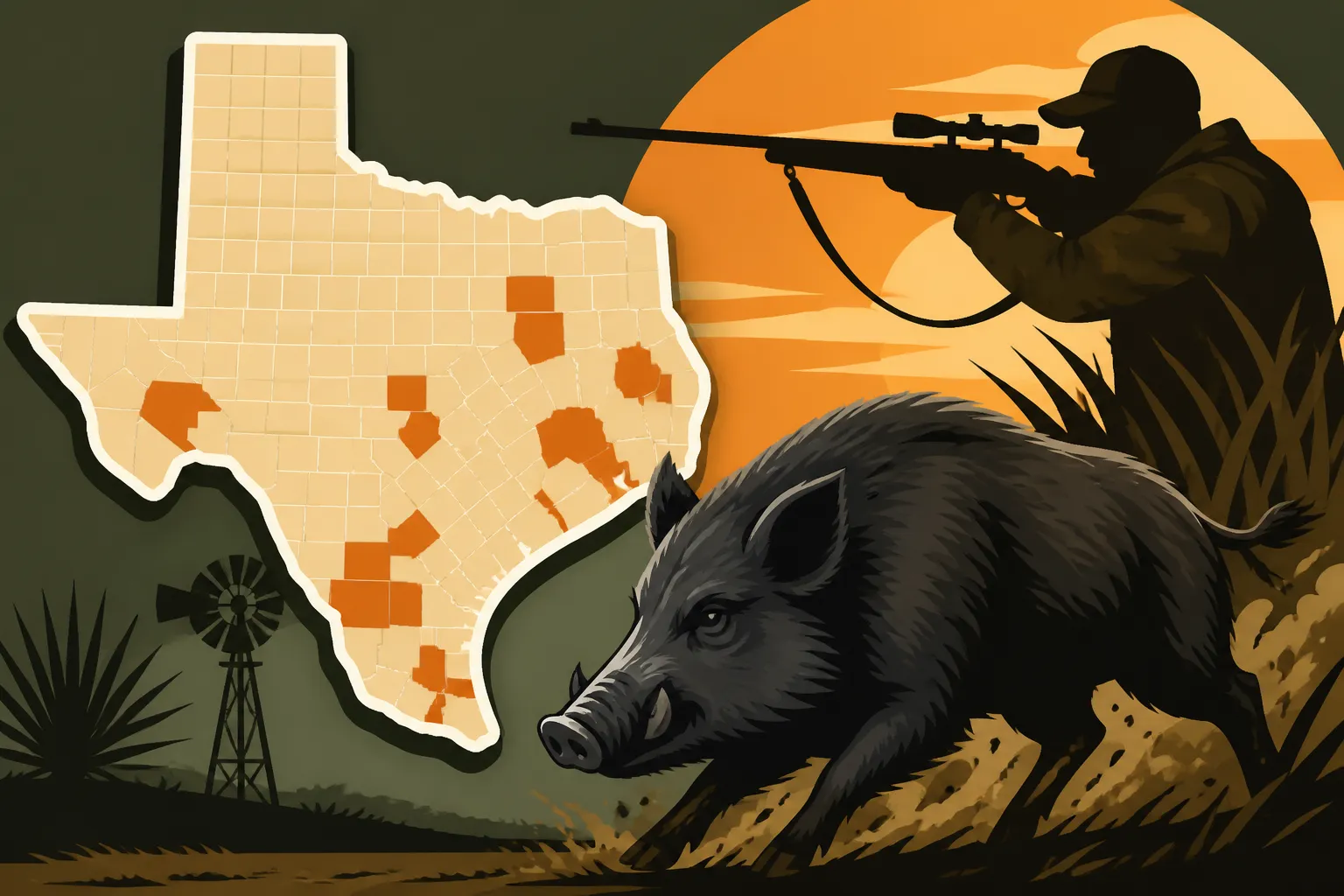
When we talk about the "best" counties for hog hunting, we're generally looking at areas with consistently high reported harvest numbers, significant agricultural damage, and a reputation among local hunters for dense populations. While hogs are truly everywhere, some areas just stand out.
East Texas Hotspots
East Texas is a prime region for feral hogs, largely due to its dense forests, numerous water bodies, and a mix of timber and agricultural operations. The Pineywoods region provides excellent cover, and the consistent rainfall keeps food and water readily available.
Tyler County
Tyler County consistently ranks high in reported hog harvest numbers. Its extensive woodlands, including parts of the Big Thicket National Preserve (though hunting here is highly regulated), offer vast refuge for hogs. Add to that the scattered agricultural fields and numerous creeks and rivers like the Neches, and you have a recipe for high hog density. Hunters here often focus on areas bordering private timberlands and active farms.
Polk County
Just west of Tyler, Polk County shares many of the same characteristics. It's a mix of dense forest, primarily pine and hardwoods, interspersed with ranches and smaller farms. The Trinity River runs through it, providing a crucial water source and travel corridor for hogs. Landowners and leaseholders in Polk County are usually quite motivated to reduce hog numbers, making it a potentially fruitful place to find hunting opportunities.
Central Texas and Hill Country Strongholds
While the Hill Country is famous for its whitetail, it also holds significant hog populations, especially in counties with a good mix of dense cedar breaks, live oak mottes, and riparian areas along rivers and creeks.
Mason County
Mason County, often lauded for its big whitetail, is also a serious hog producer. The diverse terrain, from rocky hillsides to fertile river bottoms along the Llano River, creates perfect habitat. The numerous pecan orchards and irrigated fields are a magnet for hogs. Hunting leases in Mason County often include hog control as a key component, so it's a great place to explore. Using mapping tools like onX Hunt can be incredibly beneficial here for identifying property lines and potential access points, especially around water sources and agricultural fields.
Gillespie County
Gillespie County, the heart of the Hill Country, also sees heavy hog activity. Vineyards, peach orchards, and cattle ranches provide abundant food sources. The dense cedar offers excellent bedding cover, and the many spring-fed creeks and the Pedernales River ensure water is never far. Landowners here are very keen on hog eradication, and many will welcome hunters.
South Texas Brush Country Densities
South Texas, known for its formidable brush and legendary whitetail, is also a hog hunter's paradise. The dense, thorny cover offers unparalleled protection, and the vast ranches provide ample room for hogs to thrive.
Live Oak County
Live Oak County is a classic South Texas hog haven. The intense brush, like mesquite, prickly pear, and various thorny shrubs, provides perfect concealment. The Nueces River and its tributaries ensure consistent water, and the massive cattle operations mean supplemental feeding for livestock often becomes a draw for opportunistic hogs. Many hunters seeking South Texas Trophy Whitetail: Brush Country Bucks often find themselves with opportunities for hogs as well.
McMullen County
Neighboring Live Oak, McMullen County is another area with consistently high hog numbers. The landscape is dominated by dense brush and deep drainages, creating ideal conditions. The abundance of water tanks and ranch ponds, combined with feed from deer feeders, keeps the hogs well-fed and reproducing. Finding a good hunting lease in this region that actively manages hogs can lead to fantastic hunting experiences.
Panhandle and West Texas Considerations
While less dense than other regions, hogs are expanding their range even into the more arid Panhandle and Trans-Pecos regions, particularly along river systems and irrigated farmland.
Childress County
In the Rolling Plains region, Childress County stands out. The Red River and its tributaries, combined with large agricultural operations (especially cotton and wheat), create pockets of high hog density in an otherwise more open landscape. Hogs here often stick close to the river bottoms and areas with dense plum thickets or riparian corridors.
Effective Tactics for Hunting Hogs in These Hotspot Counties
Once you've identified a promising county, the next step is to understand how to effectively hunt these intelligent and prolific animals. Hogs require a different approach than many other game species.
Scouting and Locating Hog Activity
Effective hog hunting starts with thorough scouting. This means looking for fresh tracks, rooting, rubbed trees (hogs love to scratch against trees or posts), and droppings.
Utilizing Trail Cameras
Trail cameras are invaluable tools for patterning hogs. Placing them near active rooting areas, water sources, or travel corridors will help you understand their movements, preferred feeding times, and the size of the sounders. Many hunters find that a good cellular trail camera, like those from Tactacam Reveal or Moultrie Edge, can alert them instantly to hog activity, allowing for a quick response. Knowing How to Pattern Hogs on Your Lease with these cameras can significantly boost your success rate.
Identifying Key Food and Water Sources
Hogs are constantly on the move for food and water. In agricultural areas, they will target corn, peanuts, milo, and wheat. In more natural settings, they'll root for tubers, eat acorns, wild berries, and carrion. Water sources like creeks, ponds, and even cattle troughs are essential for them, especially in hotter months. Mapping tools like onX Hunt or GoHunt can help you identify these crucial resources on a property, especially when you're exploring new areas. These apps provide detailed satellite imagery, property boundaries, and even public land overlays.
Popular Hunting Methods
Texas offers a variety of legal methods for hunting hogs, some of which are more effective than others, depending on the terrain and time of year.
Stand Hunting Over Bait or Feeders
Hunting over bait, typically corn, is one of the most common and effective methods. Hogs are creatures of habit, and once they find a reliable food source, they will return. Setting up a stand or blind downwind from a feeder or bait pile is a time-tested strategy. Remember to check regulations; while Hunting Over Feeders & Corn in Texas (Legal Guide) is generally allowed for hogs, always verify local rules. A good sturdy box blind can offer comfort and concealment, especially in areas with persistent hog activity.
Thermal and Night Hunting
Hogs are largely nocturnal, especially in areas with human disturbance. This makes night hunting, particularly with thermal optics, incredibly effective. Thermal scopes, like those from Pulsar or AGM, allow you to spot hogs in complete darkness by detecting their heat signatures. This method provides an ethical and efficient way to control large numbers of hogs. Understanding How to Hunt Hogs at Night With Thermal is a game-changer for serious hog hunters.
| Hunting Method | Best Conditions | Advantages | Disadvantages |
|---|---|---|---|
| Stand Hunting (Bait/Feeder) | Consistent hog activity, established patterns | High success rate, comfortable, good for beginners | Hogs can become wary, requires consistent baiting |
| Thermal/Night Hunting | Low light, nocturnal hogs, areas with dense cover | Extremely effective for large sounders, can cover large areas | Equipment cost, steep learning curve, requires specialized gear |
| Spot-and-Stalk (Day) | Open terrain, cooler weather, less pressured hogs | Challenging, rewarding, highly active | Difficult in dense cover, hogs are alert during day |
| Trapping | High populations, consistent damage, year-round | Removes large numbers, less time-intensive after setup | Initial investment, requires monitoring, hogs can become trap-shy |
Important Considerations for Hog Hunters
Beyond choosing the right county and method, there are other crucial aspects to ensure a safe, ethical, and successful hog hunt.
Legal and Ethical Responsibilities
While feral hogs are considered an invasive species and can be hunted year-round with no bag limit on private land, it's vital to know the specific regulations. For instance, on public lands or certain WMAs, there may be specific seasons or methods allowed. Always carry your Texas hunting license, even though it's not technically required for depredation hunting of hogs on private land with landowner permission, it's good practice. Always prioritize safety, shoot only when you have a clear target and backstop, and make ethical shot placements. Understanding Best Shot Placement for Hogs will ensure a quick and humane kill.
Post-Harvest Care and Processing
After a successful hunt, proper field dressing and processing are critical, especially in the warm Texas climate. Hogs are delicious, but like any wild game, require immediate care. Get the animal field dressed as quickly as possible to cool the meat down. This is especially important if you're hunting during the hotter months. Transporting the animal quickly to a cooler or processor is essential. If you're new to this, check out resources on How to Field Dress a Deer in Hot Weather, as many principles apply to hogs. Many local processors in high hog-density counties are experienced with feral hogs.
Finding Hunting Opportunities
Gaining access to private land is often the biggest hurdle for hog hunters. Start by reaching out to landowners directly in the hotspot counties identified. Many farmers and ranchers are desperate for hog control and will welcome responsible hunters. Hunting leases, especially those focusing on deer, often include hog hunting as a bonus. You can also explore day hunts or guided hunts offered by outfitters in these regions. For public land opportunities, the Texas Parks and Wildlife Department offers drawn hunts and some areas with over-the-counter access through the Annual Public Hunting Permit. Exploring resources on Public Hog Hunting in Texas can open up many options.
Disclaimer
Please be aware that hunting regulations and animal populations can change. Always consult the most current Texas Parks and Wildlife Department Outdoor Annual or website for up-to-date information before planning any hunt. This guide is for informational purposes only.