How to Find a Hunting Lease in Texas
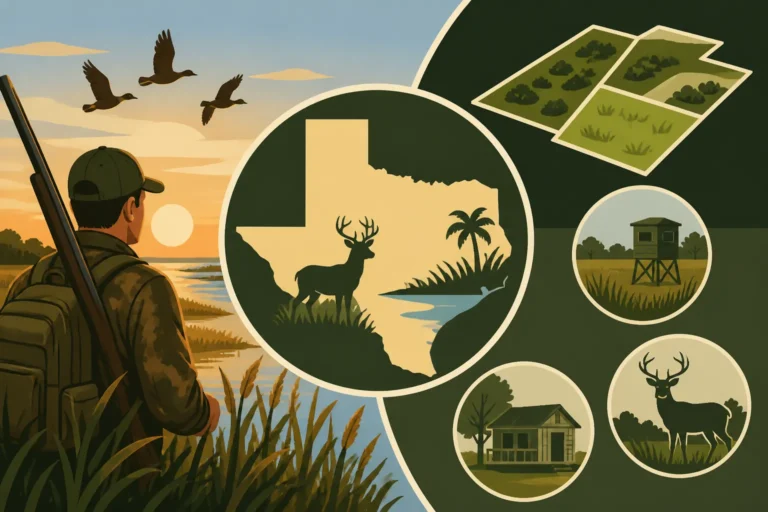
Trying to navigate the wild world of Texas hunting leases can feel like trying to track a mature buck through thick brush during a blue norther – utterly frustrating, confusing, and often, fruitless if you don't know where to start. It's a huge commitment, both financially and in terms of time, and securing the right spot can make or break your hunting season. This comprehensive guide is here to cut through the complexity, offering seasoned advice and practical steps to help you confidently find and secure that perfect hunting lease in the Lone Star State.
Understanding the Texas Lease Landscape
Texas is unique in that over 95% of its land is privately owned, making hunting leases an absolute cornerstone of the state's outdoor heritage. Unlike public lands in other states, if you want consistent access to quality hunting, especially for species like whitetail deer or exotics, a lease is almost always the answer. But with so much private land, the options, costs, and expectations can vary wildly.
The Allure and Challenge of Texas Leases
The allure of a good Texas hunting lease is undeniable. Imagine having your own slice of heaven, a place where you can manage game, set up your blinds just right, and create traditions with friends and family. It offers consistency, the ability to pattern animals over time, and a sense of ownership, even if it's temporary. You can tailor your experience, from intensive deer management with protein feeding to simply enjoying the peace and quiet of the outdoors.
However, the challenge is equally significant. Finding a truly good lease that fits your budget, hunting style, and group dynamic is a monumental task. The market is competitive, especially for prime locations in the Texas Hill Country or the famous South Texas Brush Country. Many of the best leases are passed down through generations or secured through word-of-mouth long before they ever hit the open market. You'll often face inflated prices, misleading descriptions, or properties that just don't live up to the hype. It takes patience, persistence, and a healthy dose of skepticism to avoid common pitfalls.
Key Types of Hunting Leases
Not all hunting leases are created equal, and understanding the different types available in Texas is crucial for managing your expectations and budget. Each comes with its own set of pros and cons, catering to different needs and financial capabilities.
Year-Round Leases: These are the gold standard for many Texas hunters. A year-round lease typically grants you access to the property for all legal hunting seasons throughout the year, plus off-season access for scouting, habitat work, and maintaining feeders and blinds. This type of lease allows for extensive game management, from planting food plots in Texas to protein feeding for bigger antlers, truly maximizing the potential of the land. However, they are also the most expensive and in-demand, often requiring a multi-year commitment. They are fantastic for building long-term relationships with landowners and deeply understanding the land and its wildlife.
Seasonal Leases: As the name suggests, seasonal leases grant access for specific hunting seasons, most commonly for deer or dove hunting. A deer season lease might run from September's archery season through the end of the general season in January or February. Dove leases are typically short-term, focusing on the September 1st opener. These can be more affordable than year-round leases and are a great option if you're primarily interested in one specific type of hunting. The downside is limited access outside of those seasons, which can make pre-season scouting or off-season work challenging or impossible.
Day Leases or Weekend Hunts: For hunters who can't commit to a full season or year-round lease, day leases or weekend hunts offer flexibility. These are often offered by hunting outfitters or landowners looking to maximize income from their property. You pay a fee for a specific period, usually a day or a few days, and hunt a designated area. This is a popular option for hunting exotics in Texas, like Axis deer or Aoudad sheep, or for a quick hog hunting trip. The cost per day can be high, but it eliminates the annual commitment and maintenance responsibilities. While convenient, the quality can vary wildly, and you rarely get the opportunity to truly learn the land.
Guided Hunts: While not strictly a "lease," guided hunts are often grouped into the conversation when talking about hunting access. With a guided hunt, you're paying for the full experience, including a guide, lodging, meals, and often, game retrieval and initial processing. These are perfect for beginner hunters or those seeking a specific trophy animal. The price is significantly higher, but everything is handled for you. Many outfitters in areas like South Texas or the Hill Country offer packages for trophy whitetail, making it an excellent option if you're looking for a top-tier experience without the long-term commitment of a lease.
Setting Your Lease Search Criteria
Before you even start scouring online listings or making phone calls, you need to get crystal clear on what you're actually looking for. Winging it will only lead to wasted time and potential frustration. Think of it like building a house – you wouldn't just start hammering nails without a blueprint, right? Your lease search needs a solid plan.
Budgeting and Financial Considerations
Let's be real: hunting in Texas can be expensive, and leases are often the biggest line item. Don't go into this blind. Sit down and figure out exactly what you and your group can realistically afford.
A typical deer lease in Texas can range from a few thousand dollars a year for a smaller, less-improved property in the Post Oak Savannah to upwards of $10,000-$20,000+ per gun for a prime South Texas trophy whitetail lease. Factor in not just the lease fee, but also annual costs like:
- Insurance: Most landowners require hunting lease insurance.
- Feed: Corn, protein, and feeder maintenance can add up quickly.
- Blinds and Feeders: If not provided, you'll need to purchase and maintain your own.
- Lodging: Does the lease include a camp house, or will you need to bring a camper or stay in a nearby hotel?
- Fuel and Travel: Don't underestimate the cost of driving back and forth, especially if the lease is a few hours away.
- Utilities: If there's a camp house, factor in electricity, water, and septic.
- Licenses and Tags: Of course, you'll need your Texas hunting license.
Be honest about your budget. It's better to find an affordable, simpler lease that you can enjoy without financial stress than to overextend yourself for a dream lease that turns into a nightmare. Consider a smaller group to split costs or look into less-pressured regions of the state if your budget is tighter.
Desired Game and Habitat
What are you actually trying to hunt? This seems obvious, but it profoundly impacts where you should be looking. If your heart is set on trophy whitetail deer, your focus will be on regions known for their big bucks, such as the South Texas Brush Country, the Edwards Plateau (Hill Country), or specific areas within the Rolling Plains. If feral hogs are your primary target, they're abundant across much of the state, so you might prioritize accessibility and cost.
Consider the habitat:
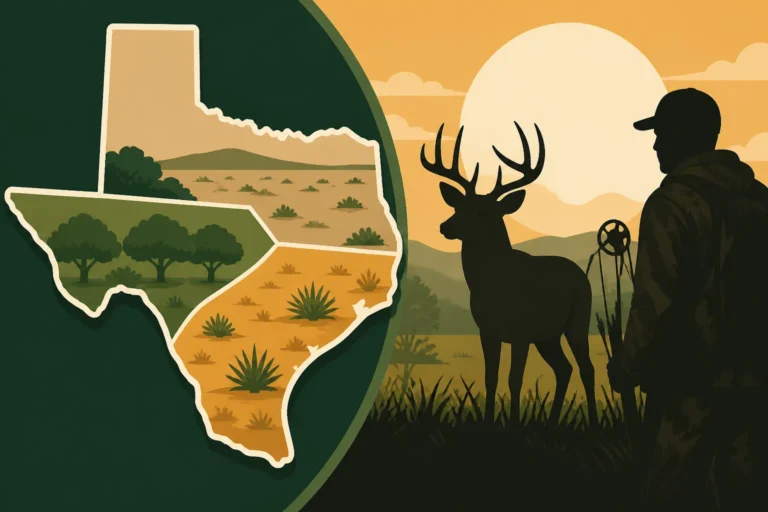
- Brush Country: Dense, thorny brush, excellent for whitetail, javelina, and many exotics. Found in South Texas.
- Hill Country: Rolling hills, cedar, live oaks. High deer density, but trophy potential can vary.
- Pineywoods: East Texas, dense timber, good for eastern turkey and smaller deer.
- Panhandle/Trans-Pecos: Open plains and mountains, home to mule deer and pronghorn.
Researching game populations and habitat types in different regions will help you narrow your search significantly. For instance, if you're chasing mule deer, you won't be looking for leases in East Texas; you'll be focusing on the Panhandle and Trans-Pecos regions. Knowing what you want to hunt helps you filter out irrelevant listings immediately.
Group Dynamics and Expectations
Are you hunting solo, with family, or with a group of buddies? The dynamics of your hunting party play a huge role in the type of lease you need.
- Solo Hunter: You have ultimate flexibility, but bear the full cost.
- Family Lease: You might prioritize safety, proximity to amenities, and a comfortable camp setup.
- Friend Group: This is common, but requires clear communication about responsibilities, rules, and finances. What are everyone's expectations for hunting pressure, trophy quality, and camp life?
Many lease disputes arise from unclear expectations within a group. Discuss these points upfront:
- Guest Policy: Can you bring non-hunting guests? What about other hunters?
- Game Limits: Will you follow strict harvest limits beyond state regulations?
- Work Days: Who is responsible for feeder filling, blind maintenance, and general upkeep?
- Camp Rules: Are there quiet hours? Alcohol policies?
- Children and Pets: Are they welcome?
Getting everyone on the same page before you even start looking for a lease will save you a world of headaches down the road. Some groups even draw up their own internal "lease agreement" to prevent misunderstandings.
Where to Look: Online Resources and Platforms
In today's digital age, the internet is often the first stop for hunters searching for a lease. While it's certainly a valuable tool, remember that the best leases often don't make it online. Still, it's an excellent way to get a feel for the market, current prices, and available properties.
Dedicated Hunting Lease Websites
There are several specialized websites that serve as marketplaces for Texas hunting leases. These platforms consolidate listings from landowners and outfitters, making it easier to browse options by region, species, and price. Some of the most popular include:
- Texas Hunting Leases (TexasLand.com): This site is a comprehensive resource that often features a wide range of properties, from small day leases to expansive year-round operations. They typically provide good detail, including maps, photos, and contact information.
- Texas Wildlife Association (TWA) Classifieds: The TWA offers a classifieds section on their website, which can be a treasure trove. These listings often come directly from landowners who are members of the TWA, sometimes offering properties managed with wildlife conservation in mind.
- Outdoor Texan: This platform also hosts hunting lease listings and is well-regarded for connecting hunters with landowners across the state.
- LeaseHunter.com: One of the oldest and most established hunting lease sites, LeaseHunter.com has been a go-to for Texas hunters for decades. It's usually packed with listings and allows for detailed searches.
When using these sites, be prepared to spend a lot of time sifting through listings. Look for clear descriptions, good photos (or a lack thereof, which can be a red flag), and contact information. Don't be afraid to reach out to multiple landowners or brokers, even if a listing isn't a perfect match, as they might have other properties available that aren't advertised. Always exercise caution and common sense when dealing with online contacts, and never send money sight unseen.
Social Media and Online Forums
Beyond dedicated lease sites, social media groups and online hunting forums can be surprisingly effective. Facebook groups dedicated to Texas hunting, deer leases, or specific regions (e.g., "South Texas Hunting Leases") often have active communities where landowners post available properties, and hunters can post "wanted" ads.
- Facebook Groups: Search for terms like "Texas Hunting Lease," "Deer Lease Texas," or "South Texas Hunting." Join several and actively monitor posts. You might find some excellent opportunities shared by individuals who prefer this informal method of advertising.
- Hunting Forums: Websites like TexasBowhunter.com or 2coolfishing.com (which also has a very active hunting section) have classifieds and forum discussions where leases are advertised. These communities are often tight-knit, and you might get valuable insights or leads from experienced members.
While these platforms can uncover hidden gems, they also require an extra layer of vigilance. Scams can unfortunately occur, so always verify the legitimacy of the poster and property before engaging further. A general rule of thumb: if it sounds too good to be true, it probably is. Platforms like onX Hunt can be incredibly useful here, allowing you to instantly check property boundaries, landowner names, and even satellite imagery to verify details provided by a prospective lessor. Similarly, using a tool like GoHunt can help you research game distribution maps and public land opportunities, even when considering private leases by providing a broader context of the area's hunting potential.
Boots-on-the-Ground and Networking Strategies
While online resources are convenient, many of the best hunting leases in Texas are never advertised publicly. They are found through old-fashioned networking and showing up in person. This approach requires more effort and time but often yields higher quality and more reliable opportunities.
Local Connections and Word-of-Mouth
This is arguably the most effective way to find a prime Texas hunting lease. The hunting community in Texas, especially in rural areas, thrives on relationships. Landowners often prefer to lease to someone they know, or someone vouched for by a trusted contact, rather than a complete stranger from an online ad.
- Talk to Everyone: When you're in a rural area, chat with locals at feed stores, gas stations, diners, and hardware stores. Mention you're looking for a hunting lease. You never know who might have a property, know someone who does, or overhear a conversation that leads to a lead.
- Networking: Attend local hunter education courses, game dinners, or outdoor expos. Join local conservation groups like the Texas Wildlife Association or Ducks Unlimited. These are excellent places to meet fellow hunters and landowners. Many people find their best leases this way. Building a reputation as a responsible, respectful hunter goes a long way.
Think about it: if you're a landowner, would you rather lease your valuable property to an unknown entity from the internet or to a polite, well-mannered individual who was recommended by a friend and has been seen contributing to the local community? The answer is usually the latter. This is why cultivating a network is invaluable.
Visiting Local Businesses and Events
Make specific trips to the areas where you'd like to hunt. Don't just drive through; stop and engage.
- Feed Stores and Co-ops: These are hubs for rural communities. Many feed stores keep informal bulletin boards for lease listings, or the staff might know who has land available. Consider visiting a McGregor Milling & Grain or Mumme's Inc. in South Texas, for example. These places are often the unofficial information centers for local landowners.
- Small-Town Cafes and Bars: Seriously, this isn't a joke. Local eateries and watering holes are where the community gathers. Strike up conversations. You'd be surprised how many leads can come from casual chats over a plate of enchiladas or a cold beer.
- Local Sporting Goods Stores: Smaller, independent shops often have strong ties to the local hunting scene. They might know about leases or be able to point you in the right direction.
- Community Bulletin Boards: Check general store or post office bulletin boards. Sometimes landowners post simple handwritten ads for leases.
- County Appraisal Districts: While you can't just walk in and ask for landowners with hunting land, understanding property lines and ownership can be a valuable tool in conjunction with other methods. Once you have a specific area in mind, you can often use county resources to identify large landowners. You might find a potential lease this way, then try to reach out directly. Using an app like onX Hunt, you can often pull up landowner information right from your phone, which can then be cross-referenced.
The key here is to be present, be polite, and be persistent. It might take several trips and many conversations, but the relationships you build and the knowledge you gain can pay off significantly in your search for the right lease.
Evaluating a Potential Lease
Once you've found a promising lead, the real work begins. Don't jump into a lease agreement without thorough investigation. This is where you put on your detective hat and ensure the property truly meets your needs and expectations.
Due Diligence and Property Scouting
This step is non-negotiable. You absolutely must visit the property in person, ideally more than once, and not just during prime hunting hours.
- Walk the Boundaries: Understand the full extent of the lease and identify any potential access issues or neighboring properties that might impact your hunting. Make sure the landowner has clearly marked boundaries.
- Assess Game Sign: Look for tracks, rubs, scrapes, bedding areas, and scat. Are there active game trails? Are deer, hog, or turkey tracks fresh and abundant? Don't rely solely on trail camera pictures provided by the landowner; see it for yourself.
- Water Sources: Identify natural water sources like creeks, tanks, or springs. These are crucial for wildlife, especially in the Texas heat.
- Cover and Habitat: Evaluate the diversity of cover. Is there enough dense brush for deer to feel secure? Are there open areas for food plots or strategic blind placement?
- Access Roads: Can you access all parts of the property easily, even after a heavy rain? Are there well-maintained roads or just rough trails?
- Amenities: Does the lease include a camp house, electricity, water, or septic? How is the condition of existing blinds or feeders?
- Cell Service: Often overlooked, but important for communication and for using cellular trail cameras. Many remote Texas leases have spotty or no cell service.
Pro Tip: Use a mapping app like onX Hunt during your scouting trips. It allows you to mark waypoints for game sign, potential blind locations, water sources, and property lines, giving you an invaluable digital record of your scouting efforts. This is far superior to relying on memory or handwritten notes. You can also review satellite imagery and topo maps before your visit to get a lay of the land.
Asking the Right Questions
Don't be shy. A good landowner will appreciate your thoroughness. Have a prepared list of questions to ensure you cover all your bases.
About the Property & Game:
- What is the history of the lease? How long has it been hunted?
- What game species are typically present, and what is the success rate for them?
- Are there any game cameras on the property, and can I see recent photos?
- What is the estimated deer population? Is there a deer management plan in place? (Especially relevant for areas with MLDP tags in Texas).
- Are there any known issues with trespassers or poachers?
- Are there specific areas off-limits, like agricultural fields or residential zones?
- What is the current antler restriction rule for this county? (e.g., the 13-inch rule in many Texas counties).
- Is there any active farming or ranching on the property during hunting season?
- Are there any existing food plots, and if not, is planting them permitted?
- What is the water situation for wildlife (tanks, creeks)?
About the Lease Agreement & Landowner:
- What is the exact lease term (e.g., 12 months, deer season only)?
- What are the payment terms (due dates, installment options)?
- Is hunting lease insurance required, and if so, what coverage limits?
- What are the rules regarding guests (hunting or non-hunting)?
- Are there any specific landowner rules beyond state regulations (e.g., no shooting does, specific caliber restrictions)?
- What kind of access does the landowner retain to the property? (e.g., checking cattle, personal hunting).
- Who is responsible for repairs to roads, fences, or camp facilities?
- What happens if there's a natural disaster or major property change (e.g., land sale)?
- Can I put up blinds and feeders, and when must they be removed?
- Is year-round access permitted for scouting and maintenance?
- What is the nearest town for supplies, emergencies, or a processing facility if you need to know where to take a deer for processing in Texas?
A table summarizing a lease evaluation checklist can be incredibly helpful:
| Category | Key Considerations | Check When Visiting | Questions for Landowner |
|---|---|---|---|
| Property Overview | Size, boundaries, terrain, access points | Walk perimeter, observe topography, drive all roads | Are all boundaries clearly marked? Any access issues? |
| Wildlife Potential | Game sign, habitat quality, water sources | Look for tracks, rubs, bedding; assess cover & water | What species are prevalent? Game management history? |
| Infrastructure | Roads, camp facilities, water, electricity | Inspect roads, check condition of any structures | Condition of camp? Utilities? Maintenance responsibilities? |
| Lease Terms & Rules | Duration, payment, guests, landowner access | Understand agreement details, review existing rules | Specific harvest limits? Guest policy? Landowner access? |
| Safety & Environment | Trespassers, CWD zones, fire risk, terrain hazards | Observe surroundings, ask about local issues | Known trespassing? Is property in a CWD zone? |
| Neighboring Properties | Neighboring land use, proximity to towns | Note surrounding properties, ask about neighbors | Any issues with neighbors? Sources of noise/pressure? |
By meticulously going through these steps, you minimize surprises and increase the likelihood of finding a lease that you and your group will truly enjoy for seasons to come.
Securing the Deal and Lease Agreements
You've found the perfect lease, scouted it extensively, and asked all the right questions. Now it's time to seal the deal. This stage is critical for protecting both you and the landowner, ensuring a clear understanding of rights and responsibilities.
Negotiating Terms and Responsibilities
While some landowners have fixed prices, others are open to negotiation. Your ability to negotiate might depend on the demand for the property, the length of the lease you're proposing, and your willingness to commit to certain land improvements or maintenance tasks.
- Be Prepared: Know your budget and what you're willing to offer. Have a clear idea of your group's collective responsibilities and limitations.
- Value-Add: Can you offer something extra? Perhaps you're handy with a tractor and can help with road maintenance, or you're willing to manage a portion of the property for brush control. These offerings can sweeten the deal for a landowner and potentially influence the price or terms.
- Clarity on Expectations: Reiterate what you understand the lease to include and exclude. For instance, confirm access dates, harvest limits, use of vehicles, and any restrictions on shooting hours or areas. Are you responsible for predator control on the lease, such as coyote hunting in Texas? Make sure this is clear.
- Insurance: Most landowners will require you to carry hunting lease insurance. Companies like Campbell Risk Management or Outdoor Underwriters specialize in this. It protects both you and the landowner in case of an accident on the property. Be prepared to show proof of insurance before signing any agreement.
Remember, a hunting lease is a partnership. A good negotiation creates a win-win situation where both parties feel respected and their needs are met.
The Importance of a Written Contract
Never, ever enter into a hunting lease agreement based solely on a handshake. While trust is essential, a written contract protects everyone involved by explicitly outlining the terms and conditions.
What to include in a hunting lease agreement:
- Parties Involved: Full names and contact information for all lessees (hunters) and the lessor (landowner).
- Property Description: Legal description of the land being leased, including acreage and a clear map of the boundaries.
- Lease Term: Start and end dates of the lease.
- Consideration (Payment): The total lease amount, payment schedule, and acceptable payment methods.
- Permitted Activities: Clearly state that the land is leased for hunting and associated recreational activities.
- Species to be Hunted: List all game species you are permitted to hunt.
- Hunting Rules: Include all landowner-specific rules (e.g., bag limits beyond state, weapon restrictions, no night hunting for deer).
- Access: Specify gates, roads, and any areas that are off-limits. Detail year-round access for maintenance or if it's strictly seasonal.
- Improvements: State what improvements are allowed (blinds, feeders, camp houses) and who owns them. Include conditions for removal at the end of the lease.
- Guests: Outline rules for inviting guests, including whether they can hunt and if there are additional fees.
- Liability and Indemnification: A clause protecting the landowner from liability in case of injury or accident to hunters or guests. This is where hunting lease insurance comes into play.
- Termination Clause: Conditions under which either party can terminate the lease early.
- Subleasing: State whether subleasing is permitted or prohibited.
- Hold Harmless Clause: Protects the landowner from damage to property or livestock caused by the lessees.
- Signature Lines: Signatures of all parties, preferably witnessed or notarized.
Don't hesitate to use a template or consult with an attorney to ensure your lease agreement is comprehensive and legally sound. Many hunting organizations, like the Texas Parks and Wildlife Department (TPWD) or Texas Wildlife Association (TWA), offer sample lease agreements that can be customized. A well-written contract prevents misunderstandings and provides a clear roadmap for a successful and enjoyable hunting season for everyone.
Final Thoughts on Texas Hunting Leases
Finding a great hunting lease in Texas can be a journey, not a sprint. It takes time, effort, and sometimes a bit of luck. But the reward—a private piece of the Texas wilderness to call your own, even if just for a season—is immeasurable. The memories you'll make, the challenges you'll overcome, and the connection to the land and its wildlife are what make it all worthwhile. Remember to be patient, do your homework, and always treat the land and its owner with the utmost respect. Happy hunting!
Disclaimer
Please note that hunting regulations, license requirements, and lease laws in Texas can change. Always consult the most current Texas Parks and Wildlife Department (TPWD) Outdoor Annual and applicable local ordinances before hunting or entering into any lease agreement. This guide is for informational purposes only and does not constitute legal advice.