Where to Hunt Aoudad Sheep in Texas
Hunting aoudad sheep in Texas is a dream for many, but finding these elusive, free-ranging exotics in the vast, rugged landscapes of the Lone Star State can feel like searching for a needle in a hayfield, especially if you're new to the pursuit. It's a challenging endeavor that demands patience, preparation, and knowing where to even begin your search. This guide is dedicated to helping you pinpoint the best regions and methods for a successful aoudad hunt in Texas, covering everything from public land opportunities to private outfitter experiences.
Understanding Aoudad Habitats in Texas
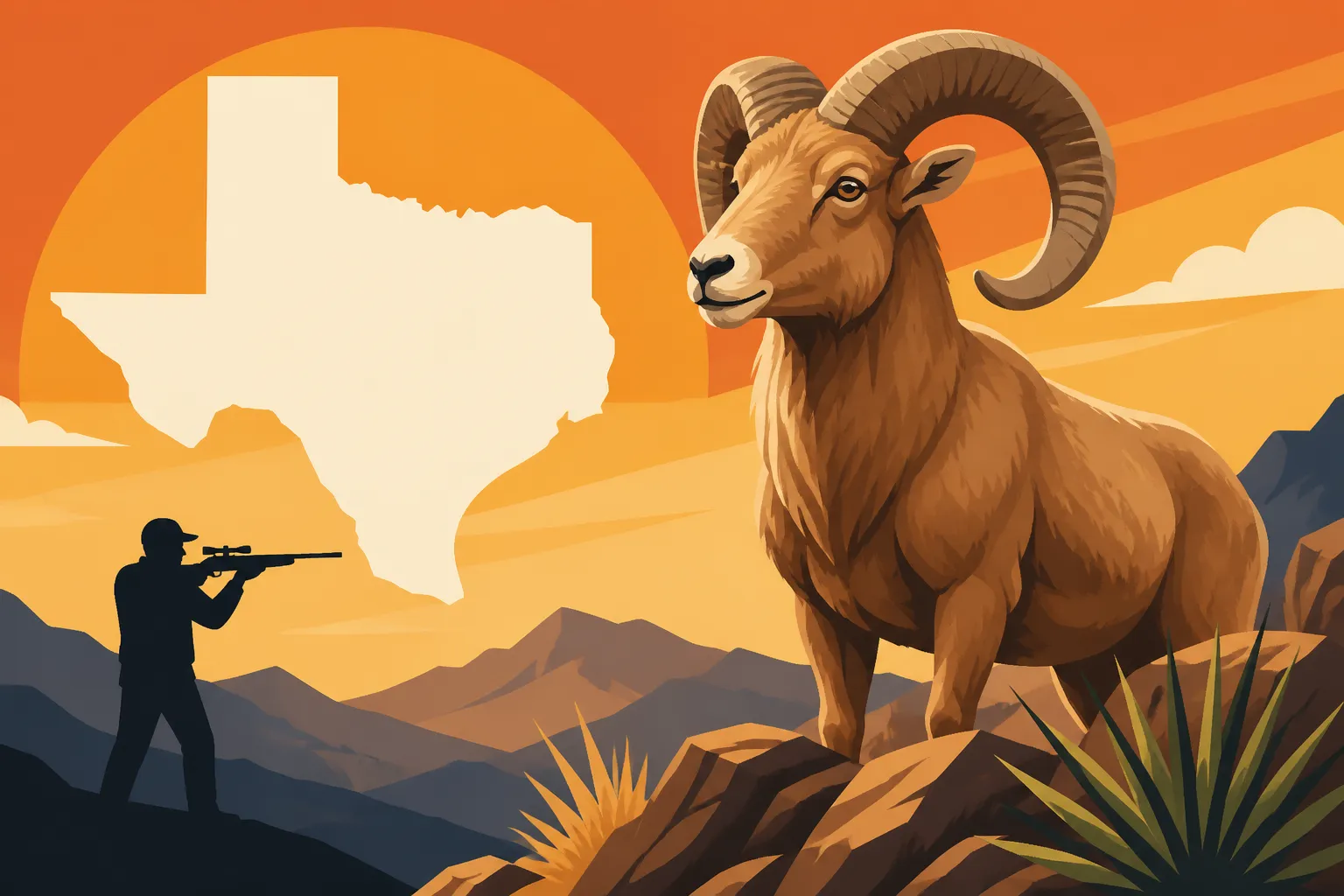
Aoudad, also known as Barbary sheep, are magnificent animals originally from North Africa. They thrive in arid, mountainous terrain, and Texas, with its diverse geography, provides surprisingly ideal conditions for them. They're not considered native game animals by Texas Parks and Wildlife, which means their hunting seasons and methods are quite different from native species. Understanding their preferred habitats is your first crucial step in locating them.
The Rugged Trans-Pecos Region
When most folks think of free-ranging aoudad in Texas, their minds immediately go to the vast and majestic Trans-Pecos region. This area, particularly the Davis Mountains, Glass Mountains, Chisos Mountains, and even parts of the Guadalupe Mountains, offers some of the most rugged, high-desert terrain in the state. We're talking about expansive, unforgiving landscapes characterized by steep canyons, rocky outcrops, and sparse vegetation, which is exactly where aoudad love to roam. These sheep are incredibly well-camouflaged and blend seamlessly into the tan and ochre hues of the desert, making them incredibly difficult to spot, even with good glass.
Hunting here is not for the faint of heart; it involves significant physical exertion, often miles of hiking up and down steep grades at elevations that can test your lungs if you're not accustomed to it. This is where you'll find true free-range aoudad, often in huge herds, ranging across properties and public lands. It's the quintessential aoudad hunting experience for those seeking a genuine challenge.
High Plains and Panhandle Areas
While less famous than the Trans-Pecos for aoudad, the breaks and canyons of the Texas Panhandle and parts of the High Plains also hold significant, often overlooked, populations of these hardy sheep. Think of places like Palo Duro Canyon State Park (though hunting is not allowed there, it gives you an idea of the terrain) or the rugged river breaks along the Canadian River. These areas might not have the dramatic towering peaks of the Trans-Pecos, but they offer deep, winding canyons and significant elevation changes that provide excellent cover and forage for aoudad.
The habitat here can be a mix of mesquite and juniper breaks, deep washes, and high mesa tops. Hunting these areas often involves different challenges, like navigating private land boundaries more frequently, but the reward can be a fantastic, less-pressured aoudad. If you're looking to explore different hunting grounds, don't overlook these northern and central western pockets of Texas. These regions often get less pressure for aoudad, meaning you might find some real gems.
Why Habitat Dictates Hunting Strategy
Understanding these distinct habitats isn't just academic; it directly influences your hunting strategy. In the Trans-Pecos, you're often looking at vast, open country where long-range glassing and Spot-and-Stalk Aoudad in West Texas tactics are paramount. Your ability to spot a sheep from miles away and then plan an approach through challenging terrain is key. On the other hand, in the Panhandle's deeper canyons, you might be dealing with more broken visibility, requiring more aggressive hiking and shorter-range glassing.
Knowing the typical vegetation and water sources in each area will help you predict where aoudad might be feeding, bedding, or watering. Aoudad are resilient and can go for extended periods without water, but they'll often be found within reasonable proximity to a water source, especially during dry periods. Being aware of the local topography and climate helps you decide on the right gear, from sturdy hiking boots to the appropriate optics.
Public Land Opportunities for Aoudad Hunters
For many hunters, the allure of public land hunting is irresistible. The challenge, the raw wilderness, and the satisfaction of earning your trophy without a hefty outfitter bill are incredibly rewarding. Texas does offer some limited, but fantastic, public land opportunities for aoudad, though they require dedication and often a bit of luck.
Drawn Hunts on Wildlife Management Areas
The Texas Parks and Wildlife Department (TPWD) runs an excellent public hunt drawing system, offering opportunities for various species, including aoudad, on some of the state's most coveted Wildlife Management Areas (WMAs). Texas Drawn Hunts & Public Hunt Draw 2027 are a fantastic way to access prime hunting ground that would otherwise be inaccessible. For aoudad, WMAs like the Elephant Mountain WMA in the Trans-Pecos region are legendary. These hunts are highly sought after, and the draw odds can be challenging, but they provide a chance at an exceptional free-range aoudad without the expense of a private lease.
Applying for these hunts involves staying on top of application deadlines, carefully reviewing the specific hunt details (e.g., weapon type, group size, duration), and being prepared for a truly wild experience if you're drawn. Remember, these are fair chase hunts in often vast and remote areas. Success is never guaranteed, but the experience itself is invaluable. It’s also wise to research the specific WMA’s terrain and past harvest reports to understand what you’re getting into. For instance, Black Gap WMA, while known for mule deer, also has aoudad and presents similar rugged challenges.
Over-the-Counter Annual Public Hunting Permit Access
Beyond the drawn hunts, the TPWD also offers the Annual Public Hunting Permit (APH). This permit, which costs a modest annual fee, grants access to thousands of acres across the state for various game, including some areas that hold aoudad. While these APH lands are generally not as renowned for trophy aoudad as the drawn hunt WMAs, they can offer excellent opportunities for hunters willing to put in the legwork and do their research.
The key with APH lands is often finding tracts that are suitable for aoudad, which means looking for those with rugged topography – even smaller canyons or rough breaks can hold sheep. These areas often receive more pressure, so diligent scouting and being willing to explore lesser-known sections are vital. The TPWD's public hunting map is an indispensable tool for identifying APH areas that might fit the bill. You'll need to confirm that aoudad are listed as a huntable species for the specific public hunting unit you're interested in, as rules can vary.
Challenges and Rewards of Public Land Aoudad
Hunting aoudad on public land in Texas presents unique challenges. You're dealing with vast, often untracked wilderness, variable animal densities, and the possibility of other hunters. Success usually hinges on extensive pre-hunt scouting (both physically and using tools like GoHunt's mapping features), being in excellent physical condition, and having top-tier optics. Think about it: you're trying to locate a well-camouflaged animal in country that seems to go on forever.
The rewards, however, are immense. Successfully harvesting an aoudad on public land, after meticulously planning and executing a demanding hunt, provides an unparalleled sense of accomplishment. It's a testament to your hunting skills, endurance, and dedication. Plus, the cost of entry is significantly lower than most private land options, making it accessible to a wider range of hunters.
Navigating Private Land and Outfitter Options
For many, especially those who can't dedicate weeks to scouting or don't have the physical ability for extreme public land hunts, private land and outfitter options offer a more structured and often higher-success-rate pathway to hunting aoudad in Texas. The state is famous for its hunting ranches, and aoudad are a popular exotic species offered by many.
Finding Aoudad Leases and Day Hunts
Texas is the land of hunting leases, and while many are focused on native species like whitetail deer or hogs, a growing number of landowners in aoudad country are offering specific aoudad leases or day hunts. These can range from a multi-day exclusive lease on a large ranch to a single-day guided hunt on a property known to hold aoudad. The cost will vary widely depending on the size of the ranch, the density of aoudad, the trophy potential, and whether it's a fully guided or semi-guided experience.
Websites and forums dedicated to Hunting Leases in Texas: Complete Guide (Cost & How to Find) are a great place to start looking. You might also find success by directly contacting ranch owners in the Trans-Pecos or Panhandle areas, especially if they already lease for other game. Don't be shy about asking specific questions regarding free-range status, success rates, hunt duration, and what's included in the price. The "free-range" aspect is crucial for many, as some operations might offer aoudad in smaller, high-fenced pastures, which can be a different experience.
Choosing the Right Outfitter Experience
If you're looking for a higher chance of success, less logistical planning, and perhaps a more comfortable camp experience, an aoudad outfitter is often the way to go. Outfitters specialize in these hunts and have the local knowledge, equipment, and access to prime private lands. When choosing an outfitter, consider their reputation, client testimonials, and importantly, their approach to hunting. Do they focus on fair chase, spot-and-stalk hunting, or more sedentary methods? How long have they been operating?
A good outfitter will be transparent about their success rates, the physical demands of the hunt, and what exactly is included in their packages. Many outfitters, especially those like GoHunt, provide detailed hunt comparisons and booking services, making the process of finding and vetting a reputable operation much smoother. Look for outfitters that specialize in aoudad and have a deep understanding of their behavior in the specific region they operate. This local expertise can make all the difference in a challenging hunt.
What to Expect: Costs and Inclusions
Aoudad hunts on private land or with an outfitter can range significantly in price, typically starting from a few thousand dollars and going up substantially for prime trophy hunts. The cost usually includes guiding services, meals, lodging (if it's a multi-day hunt), and sometimes even field dressing or caping services. What's often not included are your hunting license (a Texas Hunting License: Cost, Types & How to Buy (2026) is mandatory), gratuities for guides, and meat processing.
Here's a general breakdown of what to expect, though these are estimates:
| Hunt Type | Typical Cost Range (per hunter) | Inclusions | Common Location | Experience Level |
|---|---|---|---|---|
| DIY Public Land | $48 (APH) + Travel/Gear | Access permit only | Trans-Pecos, Panhandle WMAs | Expert |
| Semi-Guided Lease | $1,500 – $3,500 | Land access, basic directions, no full-time guide | Smaller private ranches | Intermediate |
| Fully Guided Day | $2,000 – $4,000 | Guide, land access, no lodging/meals | Diverse private ranches | Beginner/Intermediate |
| Fully Guided Multi-Day | $3,500 – $7,000+ | Guide, land access, lodging, meals, field dressing | Premier Trans-Pecos/Panhandle Ranches | All |
It's crucial to get a written agreement detailing all costs and inclusions before committing to any private land or outfitter hunt. Ensure there are no hidden fees. Aoudad are considered exotics, so Texas Hunting Seasons: Complete Calendar by Species will show they generally don't have a closed season or bag limit, though specific ranch rules will apply.
Essential Scouting, Gear, and Mindset for Aoudad Hunting
Regardless of whether you choose public or private land, preparing for an aoudad hunt in Texas requires a specific mindset and the right tools. This isn't your typical whitetail hunt from a box blind; this is a physically demanding and mentally challenging pursuit.
Pre-Hunt Preparation and Digital Scouting
Before you even set foot in Texas, your preparation should begin. For public land, utilize online tools from TPWD, USGS topographical maps, and satellite imagery to identify promising areas. Look for natural funnels, potential bedding areas on south-facing slopes (especially in cooler weather), and access points. Apps like onX Hunt or GoHunt (which also provides invaluable state-specific regulatory info and hunt unit data) are indispensable for marking waypoints, understanding terrain, and identifying public/private land boundaries.
For private land hunts, communicate extensively with your outfitter. Ask for maps, discuss typical weather patterns, and inquire about average shot distances. The more information you gather upfront, the better prepared you'll be. Scouting goes beyond just looking at maps; it includes getting your body in shape. Aoudad live in rugged country, and you'll be doing a lot of hiking, often at elevation. Start a rigorous exercise regimen well in advance to avoid being sidelined by fatigue.
Gear for a High-Country Aoudad Hunt
The right gear can make or break an aoudad hunt. Durability, light weight, and functionality are paramount.
- Optics: This is arguably the most critical component. High-quality binoculars (10×42 or 12×50 are popular) and a spotting scope (20-60x or 15-45x) are non-negotiable for glassing vast distances. A good rangefinder is also essential, as shot opportunities can often be at extended ranges in this open country. For recommendations, check out a guide on Best Hunting Optics for Texas: Scopes, Binos & Rangefinders.
- Rifle & Ammunition: A flat-shooting rifle capable of precision at longer ranges (300-500+ yards) is advisable. Calibers like .270, .30-06, 7mm Rem Mag, or .300 Win Mag with quality bullets are popular choices. Practice shooting from various positions, including prone, to prepare for field conditions.
- Backpack: A comfortable, durable pack capable of carrying water, snacks, extra layers, and potentially game meat is essential. Consider packs with an external frame for hauling heavy loads if you plan to pack out an animal.
- Footwear: Sturdy, broken-in hiking boots with good ankle support are an absolute must. You'll be traversing rocky, uneven terrain. Consider Best Snake Boots for Texas Hunting if hunting in warmer months or areas known for rattlesnakes.
- Clothing: Layering is key. Even in Texas, high-desert temperatures can fluctuate wildly between day and night. Breathable, moisture-wicking base layers, an insulating mid-layer, and a wind/water-resistant outer shell are recommended. Light, early-season camo might work, but solid earth tones are just as effective.
- Water & Food: Carry more water than you think you'll need. Dehydration is a serious risk in these arid environments. High-energy snacks are also crucial.
Physical and Mental Demands
Hunting aoudad is a true test of grit. The physical demands are significant: climbing steep slopes, navigating unstable scree fields, and hiking for miles with heavy gear. You need strong legs, good cardiovascular endurance, and resilience. But it's not just physical; the mental game is just as important. These hunts can be long, with many hours spent glassing seemingly empty hillsides. It's easy to get discouraged.
Aoudad can be incredibly wary, and a botched stalk means they'll vanish into the terrain as if by magic. Patience, persistence, and the ability to stay focused for extended periods are vital. Being able to quickly assess a situation, make a plan, and execute it under pressure will set you apart. Remember, the journey and the challenge are as much a part of the hunt as the harvest itself.
Disclaimer
Please note: Hunting regulations and seasons in Texas can change. Always consult the most current Texas Parks and Wildlife Department Outdoor Annual or website for the latest and most accurate information before planning any hunt. This guide is for informational purposes only and does not supersede official regulations.