Texas Hunting Seasons: Complete Calendar by Species
If you have ever stared at the Texas Outdoor Annual and felt like you were trying to decipher a complex legal code, you are not alone. The sheer size of Texas means that while one hunter is shivering in a blind in the Panhandle, another is sweating through their camo in the South Texas brush. This guide simplifies the confusion, providing a comprehensive roadmap to every major hunting season in the Lone Star State to help you plan your year with confidence.
Understanding the Texas Hunting Calendar System
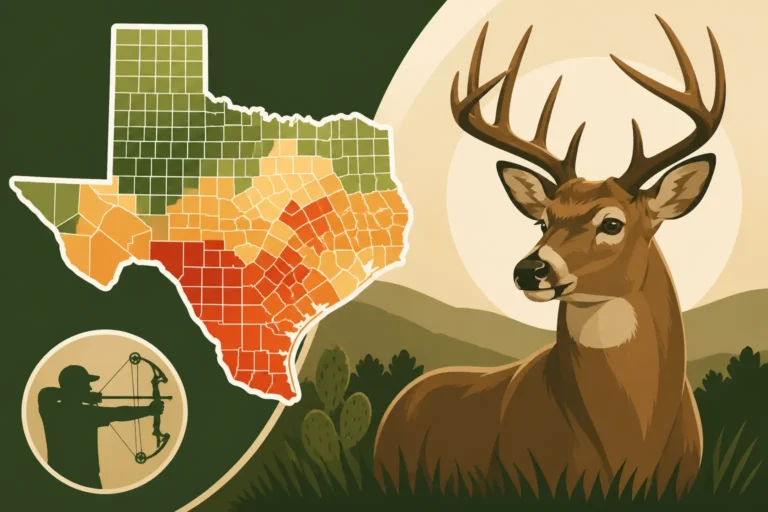
Navigating the hunting dates in Texas requires more than just a calendar; it requires a map. The state is divided into various zones—North, South, Central, and even specific coastal regions—because the biological needs of wildlife vary so drastically from the Oklahoma border down to the Rio Grande. For example, the breeding cycle of whitetail deer, often called the rut, occurs at different times depending on the county. If the state had a "one size fits all" season, hunters in some areas would completely miss the peak of activity.
Because of this diversity, the Texas Parks and Wildlife Department (TPWD) adjusts dates annually based on population surveys and environmental factors. When you are looking at Texas Deer Season 2026-2027: Dates by Zone, you have to realize that these aren't just arbitrary numbers. They are carefully selected windows designed to ensure the long-term health of the herds while giving hunters the best possible chance at success.
Regional Zoning and Why It Matters
The zoning system is primarily designed to protect species during their most vulnerable times while allowing for harvest when populations are at their peak. In the North Zone, winters arrive earlier and are much harsher. Vegetation dies back sooner, and animals begin their wintering patterns while South Texas is still experiencing eighty-degree afternoons. This is why you will see staggered opening dates for dove and waterfowl.
Hunters who live in a central location like Austin or San Antonio often find themselves playing both sides of the fence. By traveling just two hours in either direction, they can effectively double their hunting time. This is a common strategy for hardcore hunters who want to start their dove season early in the North Zone and finish it late in the South Zone. Understanding these lines—often delineated by major highways like I-10 or US-90—is the first step in mastering the Texas calendar.
The Impact of Rainfall and Climate on Timing
While the calendar tells you when you can hunt, the weather tells you when you should hunt. Texas is a land of extremes. A "wet year" in the Rolling Plains can lead to an explosion in quail populations, whereas a drought in the Hill Country can mean deer are hitting feeders more aggressively because natural forage is scarce. This environmental reality is why many hunters ask Is It Legal to Hunt Over Corn in Texas? as they prepare for a season where natural food might be nonexistent.
Climate also dictates the "feel" of the season. In many parts of Texas, the "early" seasons for deer or turkey can feel more like summer camping trips than traditional fall hunts. Proper preparation for these conditions—staying hydrated and managing scent in the heat—is just as important as knowing the opening date. Veteran hunters always keep one eye on the TPWD calendar and the other on the long-term moisture maps.
Whitetail Deer Season: The Crown Jewel
Whitetail deer are the undisputed kings of Texas hunting. With a population exceeding four million, the state offers some of the best opportunities in the country. However, because deer are everywhere from the suburbs of Dallas to the canyons of the Trans-Pecos, the season structure is multifaceted. It begins with the archery-only season, which traditionally opens on the Saturday closest to September 30th. This is a magical time for bowhunters to catch bucks in their bachelor groups before the pressure of the general season begins.
The general season usually kicks off in early November. This is when the orange vests come out and the woods truly wake up. During this time, it is vital to be aware of Texas Antler Restrictions: 13-Inch Rule & Counties, as many counties require a buck to have an inside spread of at least 13 inches to be legal for harvest. This rule has been instrumental in allowing younger bucks to reach maturity, leading to the trophy-class animals Texas is famous for today.
Archery, General, and Muzzleloader Dates
The progression of the deer season is designed to offer different experiences. Archery season is about stealth and close-range encounters. Many hunters prefer this window because the woods are quiet and the deer aren't yet "spooked" by the sound of rifles. Following the general season, there is often a muzzleloader-only season in specific counties. This late-season window is perfect for the primitive arms enthusiast who doesn't mind the cold and is looking for a more challenging hunt after the main crowds have left the woods.
In the South Zone, the general season often stays open later than in the North Zone. This is to account for the "South Texas Rut," which typically happens in mid-to-late December. If you are hunting near Laredo or Hebbronville, your best hunting might not even start until the hunters in the Panhandle have already put their rifles away for the year. This geographical shift is one of the most unique aspects of hunting in the Lone Star State.
Youth Weekends and Special Late Seasons
Texas is incredibly supportive of the next generation of hunters. Youth-only weekends usually occur just before the general season opens and again in early January. These weekends allow kids to get out in the woods with an adult mentor without the competition of the general public. It’s a great way to focus entirely on the child's experience, teaching them about ethics, safety, and the heritage of the sport.
Additionally, many counties offer a "Special Late Season." This is typically restricted to the harvest of antlerless deer and "unbranched antlered" bucks (spikes). This season is a management tool used to keep the doe-to-buck ratio in check and to prevent overpopulation, which can lead to habitat destruction and disease. It’s also an excellent time for hunters to fill their freezers with venison if they didn't have luck during the general season.
| Species | Typical Start Month | Typical End Month | Key Consideration |
|---|---|---|---|
| Whitetail Deer | October (Archery) | January | Check for Antler Restrictions |
| Mourning Dove | September | January (Split) | Three distinct zones |
| Feral Hog | Year-Round | Year-Round | No license for private land |
| Rio Grande Turkey | March (Spring) | May | Focus on the North/South Zones |
| Mule Deer | November | December | Very short season in West TX |
| Javelina | October | February/Year-Round | Zone dependent |
Migratory Birds: Dove, Waterfowl, and Cranes
For many Texans, the "real" New Year's Day is September 1st. This is the traditional opening of the dove season in the North and Central Zones. It is more than just a hunt; it is a social event involving tailgates, BBQ, and generations of families sitting on the edge of sunflower fields. The state is a major flyway for mourning and white-winged doves, and the action can be fast and furious.
Waterfowl hunting follows later in the autumn, with teal-only seasons usually occurring in September to catch the early migrants. The main duck and goose seasons are split into zones (High Plains Mallard Management Unit, North Zone, and South Zone). Hunting the Texas coast for redheads or the playas of the Panhandle for mallards offers vastly different experiences, but both require a keen understanding of the specific bag limits and species restrictions that change as the birds move through.
The September 1st Tradition (Dove)
Opening day of dove season is a heat-soaked rite of passage. You’ll find hunters from El Paso to Beaumont standing in rows near watering holes or grain fields. Because the season is so popular, TPWD provides Texas Dove Season 2026: Zones & Dates well in advance. One thing to watch out for is the "Special White-winged Dove Days" in the South Zone, which provide early opportunities to hunt these larger, desert-dwelling birds before the general South Zone season officially begins.
Success in dove hunting often comes down to scouting. Doves are creatures of habit; they want to feed in the morning, water in the afternoon, and roost in the evening. If you can find the flyway between these three points, you are in for a busy day. Just remember that migratory bird hunting requires a plugged shotgun (capable of holding no more than three shells) and a valid migratory bird endorsement on your license.
Duck and Goose Seasons by Zone
Waterfowl hunting in Texas is a tale of two worlds. In the High Plains, you are often hunting over dry cornfields or small "potholes" for mallards, pintails, and an incredible variety of geese. On the Gulf Coast, it’s all about the salt marshes and bays. The South Zone waterfowl season often runs later into the winter, providing some of the last remaining open-water hunting in the Central Flyway as northern states freeze over.
Sandhill Cranes, often called the "ribeye in the sky," also have a dedicated season in the western half of the state. These birds are wary and require large decoy spreads, but the reward is some of the finest-tasting meat in the avian world. Regardless of which bird you are after, waterfowl hunters must stay updated on federal duck stamp requirements and the Harvest Information Program (HIP) certification.
Spring and Fall Turkey Hunting
Turkey hunting in Texas is dominated by the Rio Grande subspecies, though the Eastern turkey can be found in the timbered bottomlands of East Texas. While there is a fall season that usually runs concurrently with deer season, the spring season is the main event. There is nothing quite like the sound of a gobble echoing through the Hill Country cedar on a crisp April morning.
Spring turkey season is all about the "dance." It’s a game of calling and patience as you try to convince a wary tom that you are a hen looking for company. Because the birds are in their breeding plumage and actively seeking mates, the spring season offers the most exciting visual and auditory experience. Successful hunters often spend weeks beforehand learning How to Call Rio Grande Turkeys in Texas to perfect their yelps, cuts, and purrs.
Rio Grande vs. Eastern Turkey Dynamics
The Rio Grande turkey is the "standard" Texas bird. They are found in huge numbers across the central and western parts of the state. They are generally more gregarious and can be found in large winter flocks before breaking up in the spring. In contrast, the Eastern turkey in East Texas is much more elusive and lives in denser cover. Because of their lower populations in the Pineywoods, the regulations for Eastern turkeys are much stricter, often requiring mandatory harvest reporting and having a shorter season window.
If you are planning a trip, the Rio Grande counties offer much more flexibility and a higher bird density. Places like San Saba, Llano, and Mason are world-renowned for their turkey hunting. On the other hand, the challenge of a Pineywoods Eastern turkey is a "bucket list" item for many hardcore turkey hunters who appreciate the difficulty of the hunt.
Tactics for the Spring Gobbler Season
The spring season is timed to coincide with the peak of the breeding cycle. In South Texas, this happens early—often in mid-March—while the North Zone might not see peak activity until mid-April. Using a variety of calls, including slate, box, and mouth calls, allows you to "speak" to the birds. However, the most important tactic is often just sitting still. A turkey’s eyesight is legendary; they can spot the slightest flicker of a finger from a hundred yards away.
Patterning your shotgun is also a critical pre-season task. Modern turkey loads and chokes have extended the effective range of the shotgun, but you still need to know exactly where your swarm of pellets is hitting at 40 yards. Many hunters are now moving toward sub-gauge shotguns, like the 20-gauge or even the .410, using Tungsten Super Shot (TSS) to achieve incredible results with less recoil.
Exotics and Non-Game Species: Year-Round Opportunities
One of the greatest things about hunting in Texas is that the season never truly ends. Because of the state's unique history with private ranching, there are dozens of exotic species that do not fall under traditional "game" laws. Animals like Axis deer, Blackbuck antelope, and Aoudad sheep can be hunted year-round with no closed season and no bag limits, provided you have a valid hunting license and landowner permission.
This "year-round" reality makes Texas a premier destination for hunters during the "off-season" months of February through August. It’s also a vital economic driver for many rural communities. When the deer hunters leave in January, the exotic hunters arrive to pursue animals that, in many cases, are doing better in Texas than they are in their native lands of India, Africa, or Europe.
Feral Hogs and the Lack of a Season
Feral hogs are an invasive species in Texas, causing millions of dollars in agricultural damage every year. Because of this, the state has removed almost all barriers to hunting them. There is no season, no bag limit, and as of recent legislation, you don't even need a hunting license to hunt them on private land with landowner consent (though a license is still recommended for many reasons).
Hogs are primarily nocturnal, especially during the hot Texas summers. This has led to a massive surge in the popularity of night hunting. Learning How to Hunt Hogs at Night With Thermal has become a standard skill for the modern Texas outdoorsman. Using high-tech optics to spot "sounders" of hogs in a dark field is not only an effective way to control the population but also an incredible adrenaline rush.
Axis Deer and Aoudad: Hunting When Everything Else is Closed
The Axis deer is perhaps the most prized exotic in the state. Not only do they have beautiful spotted hides and massive antlers, but their meat is widely considered the best-tasting venison in the world. Unlike whitetails, Axis deer can be "in hard horn" at different times of the year, though the peak is usually during the summer months. This creates a unique "summer deer season" that many hunters look forward to all year.
Aoudad (Barbary Sheep) offer a completely different experience. Found primarily in the rugged mountains of the Trans-Pecos and the canyons of the Panhandle, hunting them is more akin to a sheep hunt in the Himalayas. It is a physically demanding pursuit that requires long-range shooting and a lot of glassing. These animals are incredibly hardy and thrive in terrain that would kill most other species, making them a true trophy for the adventurous hunter.
Specialized Seasons: Mule Deer, Pronghorn, and Javelina
While whitetails get the most press, Texas is home to several specialized game species that require a different approach. Mule deer, for example, are found in the western half of the state. Their season is much shorter than the whitetail season—often only two weeks long—making every day in the field precious. They inhabit the big, open country of the High Plains and the Trans-Pecos, requiring hunters to cover a lot of ground with their optics.
Pronghorn antelope are another Western specialty. These "speed goats" live on the vast prairies and are hunted through a permit system. If you are lucky enough to draw a tag or hunt on a ranch with landowner permits, you’ll find a hunt that is fast-paced and requires precision shooting at long distances. Then there is the Javelina (Collared Peccary), a unique desert dweller that is often mistaken for a pig but is actually a separate species. They have their own dedicated seasons in the South and West, providing a great "brush country" experience.
The Short Window for Mule Deer in the Trans-Pecos
Hunting mule deer in the Trans-Pecos is a bucket-list experience for many. The season usually opens in late November, right when the desert starts to cool down. Because the window is so short, the pressure is on. You aren't just looking for any deer; you are looking for a mature buck that has survived the harsh desert environment and the local predators.
Mule deer behavior is different from whitetails. They tend to stay in the higher elevations or the deep arroyos during the heat of the day and move toward the flats in the mornings and evenings. Glassing is the name of the game here. You might spend six hours staring through binoculars for every thirty minutes of actual hiking. It is a game of patience and ocular endurance.
Pronghorn and Javelina Specifics
Pronghorn hunting is a true western adventure. The season is typically in early October, and the weather can be wildly unpredictable—ranging from sunburn-inducing heat to sudden snowstorms. Because Pronghorn have vision equivalent to 8x binoculars, getting within rifle range is a major feat. Most hunters use a "spot and stalk" method, using the rolling terrain to stay out of sight.
Javelina, on the other hand, are often hunted in the dense scrub of South Texas. They travel in small groups called "squadrons" and have a very distinct scent. While they aren't particularly dangerous if left alone, they can be feisty if cornered. They are a great species for bowhunters because they have relatively poor eyesight, allowing for a stealthy approach if you keep the wind in your favor.
Small Game and Fur-Bearers
Don't overlook the "little guys." Texas offers fantastic small-game hunting for squirrels and rabbits. In East Texas, squirrel hunting is a deep-seated tradition, often involving specialized squirrel dogs. The seasons are long, and the bag limits are generous, making it an ideal way to introduce new hunters to the sport without the high stakes of a deer hunt.
For those who enjoy a different kind of challenge, the fur-bearer and predator seasons are almost entirely open year-round. Coyotes, bobcats, and foxes are abundant throughout the state. Predator calling is a growing sport that tests a hunter's ability to remain concealed and mimic the sounds of distressed prey.
Squirrel and Rabbit Hunting
Squirrel hunting is most popular in the "Pineywoods" and the Post Oak Savannah. There are usually two seasons: a fall season and a spring season. Hunting squirrels requires a different set of eyes; you are looking for the flicker of a tail or the sound of nut shells hitting the forest floor. It’s a great way to sharpen your woodsman skills and produces some excellent table fare for a classic squirrel stew.
Rabbits (Cottontails and Jackrabbits) can be found statewide and have no closed season. They are often hunted as a target of opportunity while out for other game, but dedicated rabbit hunting with beagles is a joy to behold. It’s fast-paced, loud, and provides plenty of shooting opportunities for hunters of all ages.
Predator Calling for Coyotes and Bobcats
Predators are the ultimate "ghosts" of the Texas brush. While coyotes can be hunted year-round, most hunters wait for the winter months when the pelts are at their prime. Using electronic or mouth-blown calls to mimic a rabbit in distress can bring a coyote charging in from across a pasture. It requires total concealment and a solid understanding of the wind.
Bobcats are a more specialized trophy. They are much more cautious than coyotes and often take their time coming into a call. The thrill of seeing those tufted ears emerge from a thicket is hard to beat. Because predators are so effective at thinning out fawns and turkey poults, many landowners actively encourage predator hunting as part of their overall wildlife management plan.
Navigating Licenses, Tags, and Harvest Reporting
Before you ever step into the field, you must ensure your "paperwork" is in order. For residents, the What Is the Texas Super Combo License? is often the best value, as it covers almost all hunting and fishing requirements for the year in one single purchase. For non-residents, the costs are higher, but the opportunity to hunt in Texas remains a great value compared to many other states.
Once you have your license, you need to understand how tags work. For deer and turkey, your license will come with physical tags that must be attached to the animal immediately upon harvest. However, TPWD is moving toward digital options as well. It is your responsibility to know which tags are required for the specific county you are hunting in, especially regarding antlerless deer permits.
Texas Super Combo and Resident Options
The "Super Combo" is the gold standard for Texas residents. It includes the resident hunting license, the resident fishing license, and all state-required endorsements (archery, migratory bird, upland game bird, and both freshwater and saltwater fishing). It saves you money and the headache of wondering if you remembered to buy your "duck stamp" at the last minute.
For those who only hunt one or two species, you can buy individual licenses and endorsements. For example, if you only hunt doves, you just need a basic hunting license and the migratory bird endorsement. However, most people find that once they start hunting in Texas, they want to try a little bit of everything, making the combo license the way to go.
The Importance of the My Texas Hunt Harvest App
Technology has finally caught up with the hunting world. The "My Texas Hunt Harvest" app is an essential tool for the modern hunter. In many counties, and for specific species like the Eastern turkey, you are required to report your harvest via the app within 24 hours. Even when it’s not required, reporting your harvest helps TPWD biologists gather accurate data to set future seasons and bag limits.
Beyond reporting, the app provides a digital version of the Outdoor Annual, allowing you to check regulations on the fly even if you don't have cell service. It’s also important to stay informed about CWD in Texas: Zones, Rules & Carcass Transport, as Chronic Wasting Disease has led to specific mandatory testing zones and carcass movement restrictions in certain parts of the state. Being a responsible hunter means not only following the dates but also helping to protect the future of the species we love.
Disclaimer
The information provided in this guide is for educational and informational purposes only. Hunting regulations in Texas are subject to change by the Texas Parks and Wildlife Department and may vary significantly by county and year. Always consult the official Texas Outdoor Annual and local authorities before heading into the field to ensure you are in full compliance with current laws and safety protocols.