Hill Country Deer Hunting in Texas
The Texas Hill Country is legendary for its beauty and its deer hunting opportunities, but let's be real – it can be a tough nut to crack. The sheer number of deer is incredible, but finding and tagging a mature buck in that dense cedar and unforgiving terrain can feel like searching for a needle in a haystack. This guide is here to cut through the folklore and give you practical, boots-on-the-ground advice for successfully hunting whitetail deer in the rugged, yet rewarding, Texas Hill Country.
Understanding the Texas Hill Country Deer Dynamics
When you talk about deer hunting in Texas, the Hill Country often comes up first. It's a unique ecosystem, distinct from the sprawling mesquite flats of South Texas or the dense Pineywoods. This region, encompassing counties like Kerr, Gillespie, Llano, and Mason, has its own set of rules and challenges that every hunter needs to understand before they even think about setting up a blind.
The Landscape: Rugged Terrain and Dense Cover
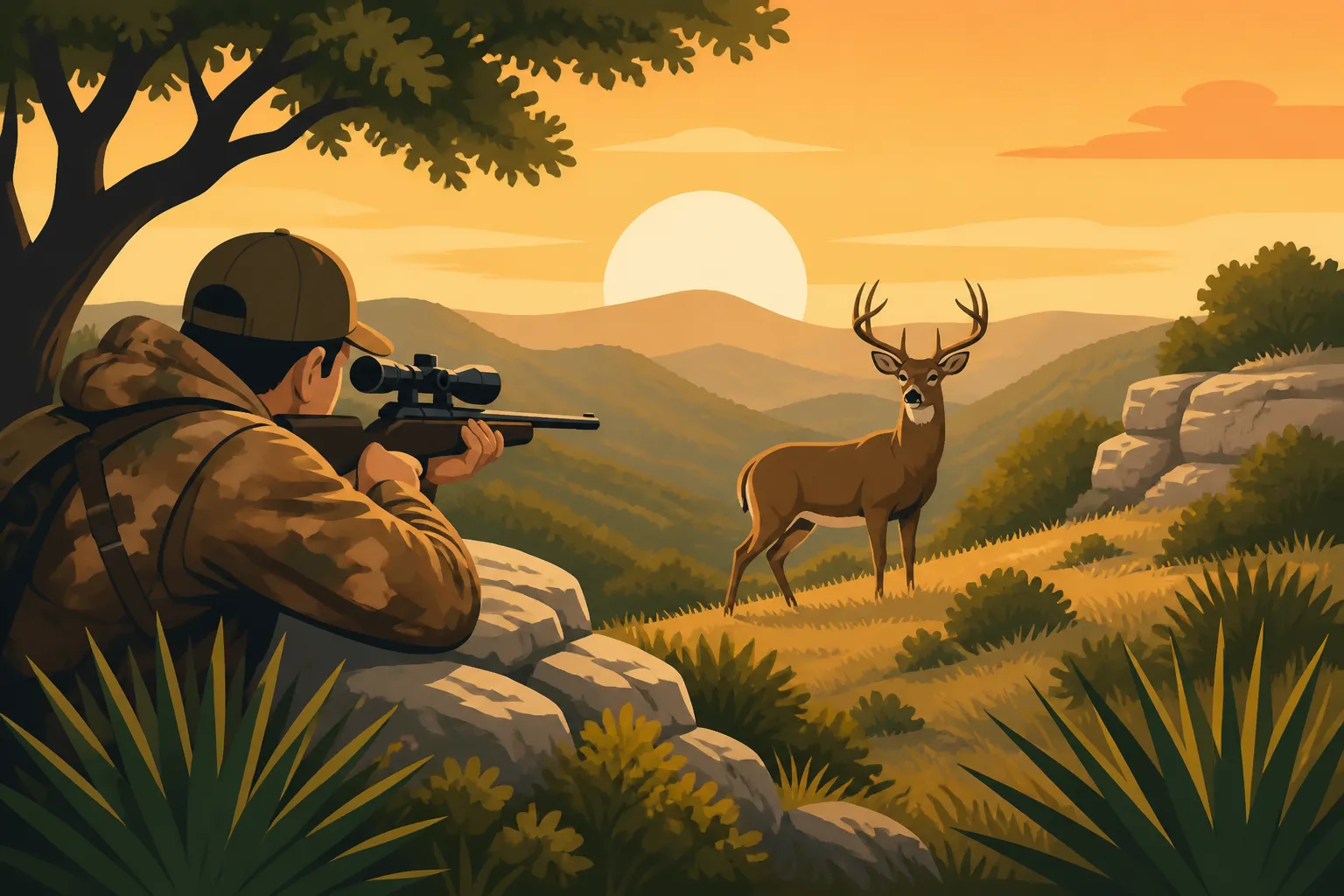
The Hill Country is defined by its rolling hills, limestone outcroppings, and an abundance of Ashe juniper, commonly known as cedar. This dense, often prickly vegetation provides incredible cover for deer, making visual spotting a real challenge. You'll also encounter live oak, post oak, and mesquite, interspersed with open fields of native grasses and prickly pear. The ground is often rocky, making quiet movement difficult and requiring good, sturdy footwear. This isn't flat, open country where you can glass for miles; instead, it's a game of close quarters, patience, and knowing where deer like to hide and travel. Understanding these nuances is crucial, as the terrain dictates everything from blind placement to your choice of camouflage.
Deer Population Density and Management
One of the most defining characteristics of the Texas Hill Country is its incredibly high deer population density. Seriously, you can drive down almost any county road and see deer grazing. While this sounds like a hunter's paradise, it actually presents its own set of challenges. High deer numbers can lead to over-browsing, which impacts herd health and antler quality. This is why you'll often see specific regulations in place, including antler restrictions and antlerless deer permits, designed to help land managers balance the herd. Many landowners participate in programs like the Managed Lands Deer Program (MLDP) to enhance habitat and deer quality, often resulting in specific tag allocations that differ from general statewide rules. It's vital to check the local regulations for your specific hunting location, as they can vary county by county and even property by property, based on these management plans. For general statewide information, always consult the official Texas Deer Season 2026-2027: Dates by Zone and pay close attention to the specific rules for the Edwards Plateau region.
Typical Hill Country Whitetail Characteristics
Let's be honest, when most folks dream of Texas whitetail, they picture the massive, heavy-antlered giants from the South Texas brush country. While the Hill Country can produce impressive bucks, the typical deer here tend to be smaller in body size and antler mass compared to their southern cousins. This is largely due to the high population density and historically poorer soil nutrients. However, don't let that discourage you! Hill Country bucks are hardy, intelligent, and a true trophy in their own right. Many counties in the Hill Country fall under the state's Texas Antler Restrictions: 13-Inch Rule & Counties, which means a legal buck must have an outside spread of at least 13 inches or have an unbranched antler. This rule, designed to protect younger bucks and allow them to mature, means you'll spend more time carefully judging deer before you take a shot. It also means that when you do tag a mature, legal buck from the Hill Country, you've earned it through careful observation and skill.
Effective Scouting Strategies for Hill Country Bucks
Scouting isn't just a pre-season activity; it's an ongoing process that defines successful Hill Country hunting. Because of the dense cover and the deer's adaptability, you can't just throw up a blind and expect success. You need to understand where deer are moving, what they're eating, and how they're reacting to pressure.
Leveraging Technology: Maps and Trail Cameras
In the modern age, technology is your best friend in the Hill Country. Satellite imagery and topographic maps from apps like Best Hunting Apps for Texas (onX, HuntStand & More) can reveal hidden draws, changes in elevation, and areas of dense cover that might be overlooked from the ground. Look for pinch points, natural funnels between cedar thickets, and routes leading to water sources or food plots. Once you've identified potential hotspots, deploying cellular trail cameras is a game-changer. Brands like Tactacam Reveal and Moultrie Edge are popular choices for staying connected to your hunting grounds without constant physical intrusion. Strategically placing cameras on trails, near feeders, or at water sources can help you pattern deer movement, identify specific bucks, and understand their daily routines. Just remember, these cameras are tools; they're only as good as your interpretation of the data they provide.
Boots-on-the-Ground Reconnaissance
As helpful as technology is, nothing beats putting boots on the ground. Before the season starts, walk your hunting area extensively. Look for fresh tracks, rub lines, and scrapes. Pay particular attention to trails leading from bedding areas in thick cover to feeding areas or water. In the Hill Country, deer often use the same travel corridors for generations, so even old sign can indicate potential hotspots. During the late summer and early fall, as temperatures are still soaring, focusing on water sources and shaded bedding areas can be incredibly productive. Be mindful of your scent and disturbance, especially when scouting in areas you plan to hunt later. The more you walk, the more you'll understand the subtle contours and hidden pathways that deer utilize.
Identifying Key Habitat Features
Deer in the Hill Country are masters of their environment. They know where to find food, water, and security, and they'll exploit every advantage. Your scouting should focus on identifying these critical habitat features:
- Water Sources: Natural springs, tanks, creeks, or even seeps in limestone rock are magnets for deer, especially during dry periods.
- Bedding Areas: These are typically in dense cedar brakes or thick draws where deer feel safe from predators and hunters. Look for flattened grass or clearings within the thickets.
- Travel Corridors: Deer will use the path of least resistance. Look for trails that cut through thick brush, often along ridge lines, dry creek beds, or property fences. These are prime spots for stand placement.
- Feeding Areas: While feeders are common, deer also browse on native forbs, acorns (when available), and the tender new growth of shrubs. Identify natural food sources that might attract deer, especially during periods when feeders aren't active.
- Salt Licks: Natural mineral licks or supplemental mineral sites can draw deer, helping you monitor herd health and activity.
By mapping out these features, you can develop a comprehensive plan for your hunting strategy, understanding not just where deer are, but why they're there.
Optimal Hunting Methods and Tactics
Hunting the Hill Country requires a blend of traditional techniques and a willingness to adapt to the challenging environment. What works in one area might not work in another, even on the same property. The key is versatility and persistence.
Stand Hunting: Box Blinds, Tripods, and Ground Blinds
Static hunting from a stand is a tried-and-true method in the Hill Country, largely due to the dense cover limiting visibility for still-hunting. Choosing the right type of blind depends on your specific setup and preferences.
- Box Blinds: These offer comfort, protection from the elements, and excellent scent containment. They're perfect for extended sits, especially during colder weather or when hunting with children. Many hunters opt for well-built, insulated box blinds from brands like Atascosa or MB Ranch King for their durability in the Texas climate. Placement is key; elevated box blinds provide a better vantage point over cedar, while ground-level boxes blend more naturally into the terrain. Check out our guide on Box Blind vs Tripod vs Ground Blind in Texas for more detailed comparisons.
- Tripod Blinds: Offering elevation and a 360-degree view, tripods are a favorite for hunters who need to see over the rolling hills and sparse cover. They're more portable than box blinds but offer less protection from wind and rain. They're fantastic for watching a large area around a feeder or a wide sendero.
- Ground Blinds: These pop-up blinds are incredibly versatile and can be set up quickly in strategic locations. They're excellent for bowhunting or in areas where a permanent structure isn't feasible. Just remember to brush them in thoroughly to break up their outline, as deer in the Hill Country are often accustomed to man-made objects but are still wary.
No matter the blind, strategic placement near a well-maintained feeder or a natural travel corridor, coupled with a good understanding of wind direction, is paramount. For insights on where exactly to put your setup, check out Best Deer Feeder Setup for Texas.
Still Hunting and Spot-and-Stalk Approaches
While challenging, still hunting and spot-and-stalk tactics can be highly effective in the Hill Country, especially for those who enjoy a more active style of hunting. The key is slow, deliberate movement. Think "one step, stop, scan, repeat." Use the undulating terrain and dense cedar as cover, moving slowly into the wind.
- Still Hunting: This involves moving very slowly through an area, pausing frequently to scan for deer. Focus on areas where you've seen sign, or where you expect deer to be bedding or feeding. The rocky ground makes quiet movement difficult, so invest in soft-soled boots and be incredibly patient.
- Spot-and-Stalk: This is best suited for areas with more open visibility, such as larger pastures or food plots, or when you've spotted a buck at a distance and need to close the gap. It requires excellent optics and the ability to use every piece of cover to your advantage. Finding a high vantage point to glass at dawn or dusk can be effective, allowing you to locate deer before planning your approach.
Both methods demand stealth, patience, and a deep understanding of deer behavior. Good early-season camo that breathes in the often warm Texas weather is also a must.
Calling and Rattling for Hill Country Whitetails
Deer calling, particularly rattling, can be highly effective in the Hill Country, especially during the rut. The high deer density means there's often competition among bucks, making them more responsive to sounds simulating a fight.
- Rattling: Mimicking the sound of two bucks fighting can draw in curious or aggressive bucks. Start with light sparring, gradually increasing intensity to sound like a full-blown brawl. Follow up with grunts and snorts to complete the illusion. The dense cover here can work to your advantage, as bucks might come in close to investigate the sound. For specific tactics, our guide on How to Grunt and Rattle Whitetail in the Hill Country is an excellent resource.
- Grinding: Using a grunt tube to mimic the sounds of a buck or a doe can also be effective. Soft grunts can lure in curious deer, while aggressive grunts might challenge a dominant buck.
- Doe bleats: These can attract both bucks looking for a receptive doe and does looking for other deer.
Timing is crucial for calling. While light calling can work throughout the season, aggressive rattling is best reserved for the pre-rut and peak rut phases when bucks are actively seeking out does and defending their territory.
Gear Essentials for the Hill Country Hunter
The Hill Country isn't just about good hunting; it's also about being prepared for the environment. The weather can be unpredictable, the terrain challenging, and the cover thick. Having the right gear can make all the difference between a miserable trip and a successful one.
Optics for Dense Cover and Long Shots
Given the mix of dense cedar and occasional open sendero or pasture, versatile optics are key.
- Binoculars: A good pair of 10×42 binoculars is essential for glassing through thick brush. Look for models with excellent low-light performance for dawn and dusk when deer are most active. They allow you to pick apart the shadows and identify deer hiding in plain sight.
- Rifle Scope: Most Hill Country shots will be within 100-200 yards, but longer shots across open fields are certainly possible. A variable power scope, such as a 3-9x or 4-12x, offers the versatility needed for both close-quarters target acquisition and precise longer-range shooting. Clarity and reliability are paramount.
- Rangefinder: With the undulating terrain, judging distances can be tricky. A reliable rangefinder is invaluable for confirming your shot distance, especially when hunting from an elevated position or across broken ground.
Investing in quality optics will enhance your ability to spot game, make ethical shots, and enjoy your time in the field.
Footwear and Clothing for Rugged Conditions
The Hill Country is notorious for its rocky, uneven terrain and abundant prickly pear and thorny brush. Your gear needs to stand up to it.
- Snake Boots or Gaiters: This is non-negotiable, especially during warmer months. Western diamondbacks are prevalent, and stepping into one unknowingly can ruin your season (or worse). Brands like Lacrosse or Danner offer solid snake-proof boots that provide peace of mind. Alternatively, snake gaiters can be worn over your existing hiking boots.
- Durable Clothing: Tough pants that can withstand thorns and burrs are a must. Avoid thin fabrics that will tear easily. Layering is also important, as mornings can be cool, but midday temperatures can soar quickly, even in the fall. Breathable, moisture-wicking materials are your friend. For early season hunts, consider specialized Best Early-Season Camo for Texas Heat that keeps you cool without sacrificing concealment.
- Daypack: A comfortable daypack is essential for carrying water, snacks, a first-aid kit, game calls, and any other essentials you might need for a day in the field.
Don't skimp on these crucial items; they directly impact your safety and comfort.
Feeder and Food Plot Considerations
Supplemental feeding and food plots are widely used in the Hill Country to attract deer and improve their nutritional intake, especially on properties not participating in MLDP or with less-than-ideal native forage.
- Deer Feeders: Spin-cast feeders dispensing corn are incredibly common. When setting one up, consider proximity to bedding areas and water, as well as prevailing wind direction. Make sure your feeder is robust enough to withstand wildlife and weather. For details on how much corn to use and how high to set your feeder, explore our guide: Best Corn for Deer Feeders in Texas.
- Protein Feeders: Many serious hunters use protein pellets, especially in the off-season, to help bucks maximize antler growth and improve the overall health of the herd. These usually require specialized gravity-fed protein feeders. While more expensive, the long-term benefits to herd quality can be significant.
- Food Plots: While challenging to establish and maintain in the Hill Country's rocky soil and often dry climate, well-managed food plots can be powerful attractants. Cool-season annuals like oats, wheat, and clover are popular choices in the fall and winter, while warm-season options like cowpeas can be planted in spring. Remember, consistent moisture is critical for plot success.
Regardless of your chosen strategy, remember that feeding and food plots are tools to complement a holistic approach to land and wildlife management.
Navigating the Rut in the Hill Country
The rut is arguably the most exciting time to be in the deer woods. While the precise timing can vary year to year based on environmental factors, understanding the general phases of the rut in the Hill Country is crucial for maximizing your hunting success.
When the Rut Kicks Off in Central Texas
The Hill Country rut, part of the larger Central Texas rut, typically kicks off in earnest around mid-November and can run through mid-December, peaking in late November to early December. This is generally later than some parts of North Texas but can be slightly earlier than the deep South Texas brush country. However, these are averages. Local conditions, herd health, and even moon phase can influence when the activity really heats up. You'll start seeing increased scrape and rub activity in early November, indicating the pre-rut is getting underway. Bucks will begin to move more, laying down sign, and becoming more visible during daylight hours as they search for the first receptive does. Keep an eye on your trail camera photos and observe the natural signs in the woods for the most accurate picture of when the action is truly starting.
Reading Rut Behavior and Sign
During the rut, deer behavior changes dramatically. Bucks become more aggressive, less cautious, and far more focused on finding and breeding does. This is when your careful observation skills truly pay off.
- Increased Movement: Bucks will travel extensively, covering more ground than at any other time of year. This is why targeting travel corridors and pinch points becomes so effective.
- Scrapes and Rubs: While bucks make rubs and scrapes throughout the fall, they become significantly more active during the rut. Freshly pawed scrapes with an active licking branch above, and torn-up saplings from aggressive rubbing, are clear indicators that a dominant buck is in the area and actively marking his territory.
- Chasing and Tending: You'll start to see bucks actively chasing does, sometimes for hours, as they try to pin down a receptive doe. Tending scrapes, where a buck will stay with a doe in estrus for a day or two, are also common.
- Fighting: As mentioned, bucks will often engage in sparring or full-blown fights to establish dominance or access to does. These encounters are what make rattling so effective.
Understanding these behaviors allows you to anticipate deer movement and position yourself for an encounter with a mature buck that might otherwise be nocturnal.
Aggressive Tactics During Peak Rut
When the Hill Country rut is in full swing, it's time to be bold and active in your hunting approach. Bucks are so preoccupied that they're often more vulnerable than at any other point in the season.
- All-Day Sits: Forget the notion of short morning or evening hunts. During the peak rut, bucks can be on their feet at any time of day, pursuing does. Packing a good lunch, plenty of water, and preparing for an all-day sit can dramatically increase your odds.
- Aggressive Calling and Rattling: This is the time to really lean into your calling. Don't be shy with your rattling antlers; make some noise! Follow it up with a series of grunts and bleats. Bucks might come charging in, or they might circle downwind to scent-check the situation, so be ready for either.
- Focus on Does: Find the does, and you'll find the bucks. During the rut, bucks are constantly checking groups of does for estrus. Setting up near known doe bedding or feeding areas, or along their travel routes, can put you in the path of a cruising buck.
- Stalking Heavy Cover: While difficult, a slow, methodical still-hunt through dense cedar thickets where does are known to bed can sometimes push a reluctant buck into view, especially if he's tending a doe in the thick stuff.
The rut is a magical time to hunt the Hill Country, offering opportunities that simply don't exist during the early season or late season. Make the most of it by adjusting your tactics to match the deer's heightened activity.
Post-Harvest Considerations and Best Practices
Harvesting a deer in the Hill Country is a rewarding experience, but the work isn't over when the shot is fired. Texas weather, especially during the early season, can be brutal on game meat. Proper post-harvest care is crucial to ensure you bring home high-quality venison.
Field Dressing in Hot Climates
Texas summers and early fall hunts mean it can still be hot, even in the Hill Country, and temperatures can often climb into the 70s or 80s Fahrenheit. Rapidly cooling your deer is paramount to prevent meat spoilage.
- Immediate Field Dressing: As soon as you recover your deer, begin field dressing. Remove the entrails as quickly and cleanly as possible to allow the body cavity to cool. If allowed by local regulations and your hunting area, consider quartering the animal in the field to further accelerate cooling, especially if you have a long haul back to camp. Our detailed guide on How to Field Dress a Deer in Hot Weather provides step-by-step instructions.
- Air Circulation: Prop the deer's cavity open with a stick or spreader to allow maximum airflow. If possible, hang the deer in a shaded, breezy area.
- Ice: If you have access, pack the body cavity with ice or frozen water bottles as soon as possible. This rapid cooling can make a huge difference in meat quality, especially if you have an extended period before you can get it to a processor.
Ignoring these steps, even for a few hours in warm weather, can lead to significant meat loss.
Transporting and Processing Your Harvest
Once field dressed, the next challenge is getting your deer out of the field and to a processor.
- Transport: If you're hunting in rugged Hill Country terrain, having a sturdy game cart can be a lifesaver. ATVs or UTVs are ideal for larger properties. If you're transporting a whole deer in a truck bed, ensure it's in a cooler or covered to protect it from heat and contamination.
- Harvest Reporting: Don't forget your legal obligations! Texas requires all harvested deer to be tagged immediately and reported through the Texas Hunting Tags & Harvest Reporting (My Texas Hunt Harvest) system. This data is critical for wildlife management and helps ensure future hunting opportunities.
- Professional Processing: Unless you have experience and the right equipment, taking your deer to a reputable local processor is highly recommended. The Hill Country has many excellent options, such as Vogel's in Comfort or Hudson's Meat Market in Llano, both known for their quality processing and delicious venison products like jerky and sausage. They'll ensure your meat is cut, wrapped, and frozen correctly, maximizing its longevity and flavor.
By following these best practices, you honor your harvest and ensure that the delicious venison from your Hill Country deer makes it to your dinner table in prime condition.
Disclaimer
Hunting is an inherently dangerous activity. Always prioritize safety, follow all local, state, and federal regulations, and obtain proper landowner permissions. The information provided in this guide is for informational purposes only and should not replace professional guidance or personal judgment. Be aware of your surroundings and hunt responsibly.