How to Get on a Hunting Lease as a Beginner
For many new hunters in Texas, the idea of securing a prime hunting lease can feel like an impossible dream. You hear stories of long-standing leases passed down through generations or groups shelling out exorbitant amounts, and it’s easy to get discouraged, wondering how you could ever break into such a competitive scene without existing connections or a massive budget. This guide is here to tell you it's absolutely possible, and we'll walk you through the real steps and strategies a beginner can take to find and get on a hunting lease that fits their needs in the Lone Star State.
Understanding the Texas Hunting Lease Landscape
Texas is unique in that over 95% of its land is privately owned. This means that if you're looking to hunt anything beyond the often crowded and limited public lands, you're likely going to be looking at a hunting lease. It’s a rite of passage for many, and for good reason.
The Appeal of a Hunting Lease in Texas
A hunting lease in Texas offers unparalleled access to private land, which can significantly enhance your hunting experience. Unlike public lands where pressure can be immense and game unpredictable, a lease often provides consistent opportunities to hunt specific species in a more controlled environment. For a beginner, this can be a game-changer, allowing you to learn the ropes without constantly competing for space or tracking heavily pressured animals.
Imagine having the freedom to scout your area thoroughly, set up your blinds and feeders exactly where you want them, and truly get to know the deer or hog patterns on your piece of land. This level of intimacy with your hunting grounds is difficult to achieve on public land or through one-off day hunts, which often feel rushed and impersonal. A lease also opens the door to potential wildlife management, where you and your group can implement strategies to improve habitat and foster healthier game populations, adding a deeper layer of satisfaction to the hunting endeavor. It’s not just about the harvest; it’s about becoming a steward of the land and its wildlife.
Types of Hunting Leases
Not all leases are created equal, and understanding the different types is crucial for a beginner to identify what might work best for them. The most common distinction is between year-round leases and seasonal leases. Year-round leases, as the name suggests, give you access to the property throughout the entire year, allowing for off-season scouting, maintenance, and potentially hunting for different species across various seasons. Seasonal leases, on the other hand, might only cover the general deer season, or perhaps just dove season, offering a more focused and often more affordable option.
Then there are day leases, which are essentially guided or unguided hunts for a specific animal over a short period, typically one to three days. While not a "lease" in the traditional sense of long-term access, day leases can be an excellent stepping stone for beginners to gain experience, scout different areas, and even network before committing to a longer-term arrangement. You'll also encounter high-fence versus low-fence operations. High-fence ranches are enclosed, ensuring game cannot leave or enter, which can guarantee a higher success rate but often comes with a higher price tag and a different hunting dynamic. Low-fence leases are open, allowing for natural game movement, and are generally considered a more traditional and challenging hunting experience. Finally, some leases come with full camp amenities, including cabins, electricity, and water, while others are essentially raw land, requiring you to bring everything, including your own portable shelter or RV. Each type has its pros and cons, especially when balancing cost, convenience, and the desired hunting experience.
Budgeting for Your First Texas Hunting Lease
Let's be real: hunting in Texas, especially on a private lease, isn't always cheap. It's a significant investment for many, and understanding the financial commitment upfront is absolutely essential to avoid unpleasant surprises down the road.
Breaking Down the Costs
The primary cost associated with a hunting lease is, of course, the lease fee itself. This is typically structured in one of two ways: per-gun or per-acre. A "per-gun" lease means each hunter pays a set fee, regardless of how much land they have access to, assuming the group size is capped. "Per-acre" leases charge based on the total acreage of the property, with the cost then divided among the lease members. Lease fees can range dramatically, from a few hundred dollars per gun for a basic, smaller acreage hog or dove lease in a less popular area to several thousand dollars per gun for a prime deer lease in South Texas or the Hill Country known for trophy whitetails.
Beyond the upfront lease fee, there are numerous "hidden" costs that beginners often overlook. You'll likely need to factor in the cost of deer feeders, even if you’re just looking for Best Deer Feeder Setup for Texas. Then there are hunting blinds – whether you're bringing your own ground blind or investing in a more permanent box or tripod blind. Fuel costs for trips to and from the lease, especially if it's a few hours away, can add up quickly. Other potential expenses include game cameras, food plot seeds, corn or protein feed, hunting gear upgrades, processing fees if you don't field dress and process your own game, and even lodging if the lease doesn't offer it. Setting a realistic budget that accounts for all these potential expenses, not just the advertised lease fee, will save you a lot of stress.
Finding Affordable Lease Options
For beginners on a tighter budget, finding an affordable hunting lease in Texas might seem like an uphill battle, but it’s definitely doable with the right strategy. One of the best ways to keep costs down is to consider joining a larger group lease. Spreading the cost among more hunters can significantly reduce the individual financial burden. You might also explore leases in less well-known or historically less "trophy rich" areas. While everyone dreams of a South Texas trophy whitetail, expanding your search to the Post Oak Savannah, Cross Timbers, or even portions of the Pineywoods can uncover more reasonably priced options. These areas still offer fantastic hunting for deer, hogs, and other species.
Another approach is to look for less developed leases. Properties without existing cabins, feeders, or blinds will naturally have lower initial costs, though you’ll need to factor in the effort and expense of setting these up yourself. Day hunts, as mentioned earlier, can also serve as a more affordable way to experience private land hunting without the long-term commitment. You can also specifically target species like feral hogs, which often have lower lease rates due to their abundance and year-round hunting opportunities. Don't be afraid to look for leases focused on Feral Hog Hunting in Texas: Year-Round Guide, as these can be a great entry point into the lease world before you commit to a pricier deer lease. Sometimes, being flexible on the type of game or the amenities can unlock access to a great property that wouldn't otherwise be in your budget.
Where and How to Find Available Leases
Back in the day, finding a hunting lease was all about who you knew. While networking is still incredibly important in Texas, the digital age has opened up a lot of new avenues for beginners to discover opportunities they might never have found otherwise.
Online Resources and Platforms
The internet has revolutionized the lease search for new hunters. Several dedicated hunting lease websites act as marketplaces, connecting landowners with potential leasees. Websites like LeaseHunter.com and TexasHuntFish.com are prominent examples where you can browse listings, filter by region, species, and price, and get direct contact information for landowners or lease brokers. These sites often provide detailed descriptions, photos, and sometimes even aerial maps of the properties, giving you a good head start on your research.
Beyond dedicated lease sites, social media groups and online hunting forums can be goldmines. Many Texas-specific hunting groups on Facebook or online forums are active with discussions about available leases, shared lease opportunities, or even "looking for members" posts from existing groups. Just be sure to vet these opportunities carefully, as online interactions require a bit more caution. When it comes to scouting, apps like onX Hunt and GoHunt are indispensable. While primarily designed for mapping and public land navigation, they can be incredibly useful for understanding property boundaries, identifying potential habitat features (like water sources, dense cover, or agricultural fields), and even, in some cases, providing landowner information which could allow for direct outreach in areas not actively listed. You can use these tools to research properties before you even contact a landowner, giving you a more informed perspective.
Networking and Local Connections
Despite the rise of online platforms, the power of word-of-mouth and local connections in Texas hunting cannot be overstated. Many of the best leases never even make it to an online listing because they're filled through personal recommendations. So, how does a beginner tap into this? Start by talking to everyone you know who hunts – friends, family, co-workers, even acquaintances. Let them know you're actively looking for a lease. You'd be surprised how often a connection surfaces through someone's uncle's friend or a fellow hunter who knows about an opening.
Attending local hunting shows, expos, and even regional conservation group meetings can also put you in front of landowners, outfitters, and other hunters who might have leads. Events like the Dallas Safari Club Convention or smaller regional gatherings are fantastic places to network. Building genuine relationships, rather than just showing up asking for a lease, is key. Offer to help out on a day lease, volunteer for a conservation project, or simply be a good person who is passionate about hunting. Sometimes, a landowner might be more inclined to lease to a responsible, enthusiastic beginner they trust than to a high-paying group they don't know. Being flexible on location can also open doors; for example, looking for opportunities in the Rolling Plains Hunting: Quail & Deer region might connect you with different circles than solely focusing on South Texas.
What to Look for in a Beginner-Friendly Lease
Once you start finding potential leases, it's easy to get swept up in the excitement. But for a beginner, knowing what to look for – and what to look out for – is critical to ensure a positive and sustainable hunting experience.
Key Considerations for Your First Lease
When evaluating a lease, consider its size relative to the number of hunters. An overcrowded small property can lead to frustration and competition. You want enough space for each hunter to have their own distinct area without constantly bumping into others. Next, think about the primary game species you're interested in. While many leases offer opportunities for multiple species, some are stronger for deer, others for hogs, and some excel for migratory birds like dove. If your main goal is White-Tailed Deer Hunting in Texas: Complete Guide, make sure the lease has a healthy deer population and management practices that align with your goals.
Amenities can significantly impact your experience. Does the lease offer basic lodging, or will you need to bring an RV or tent every time? Is there reliable water and electricity? While not deal-breakers, these conveniences can make a big difference, especially on longer hunts. Proximity to home is another often-underestimated factor. A lease that's a five-hour drive might sound great on paper, but if you can only go a few times a season, it might not be worth the investment. Closer options allow for more frequent visits, better scouting, and quicker responses to any issues that arise. Finally, always scrutinize the lease agreement terms. Understand the rules on guest policies, harvest limits, off-season access, and any specific landowner expectations. Clarity here prevents future conflicts.
Red Flags and Due Diligence
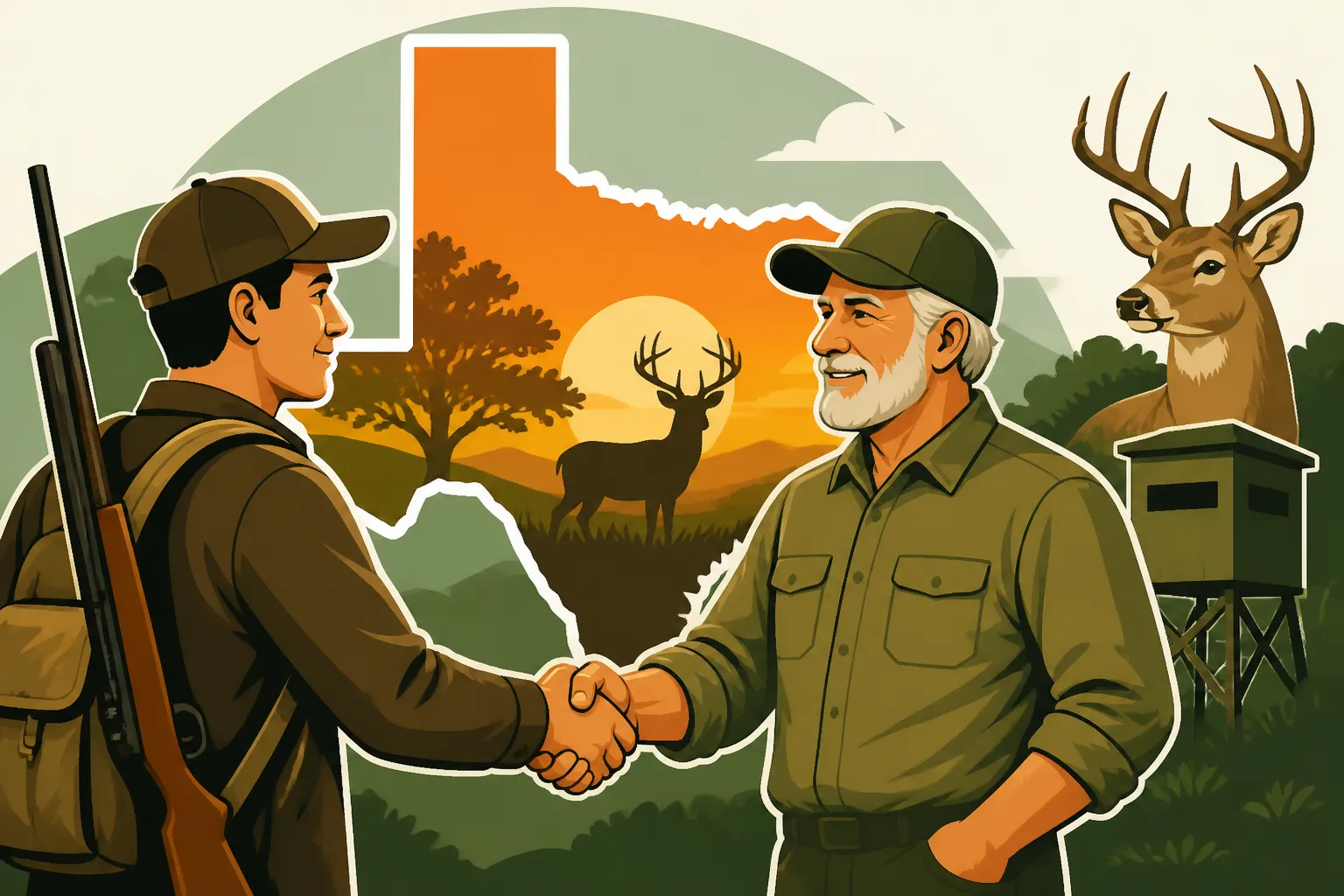
As exciting as it is to find a potential lease, always approach with caution and conduct thorough due diligence. One of the biggest red flags is an unclear or vague lease agreement. A reputable landowner or lease manager should have a written contract detailing all terms, conditions, and costs. If they push for a handshake deal on a substantial lease, be wary. Another warning sign is evidence of overcrowding or overhunting on the property. Look for excessive feeder setups in a small area, too many blinds, or a lack of game sign during your visit. This could indicate a property that's been run down, offering poor hunting prospects.
The absence of any game management practices can also be a red flag. A good landowner will often have an interest in the health of their wildlife populations, whether through deer surveys, selective harvesting, or habitat improvement. If they seem indifferent, it might reflect a "take what you can get" mentality that doesn't bode well for future hunting. Always, and I mean always, visit the property in person before signing anything. Walk the boundaries if possible, check out the terrain, look for game trails, and assess the access points. Ask questions about previous hunters, harvest success rates, and any issues that have arisen. Even a quick check on your phone for cell service can save you headaches later, especially if you plan to use cellular trail cameras. A little skepticism and investigation upfront can save you a lot of disappointment and money in the long run.
Making the Most of Your Lease Opportunity
Securing a hunting lease is just the first step. To truly enjoy and benefit from your investment, especially as a beginner, it’s about more than just showing up and hunting. It’s about being a responsible, engaged, and respectful member of the hunting community.
The Importance of Communication and Etiquette
Open and honest communication is the cornerstone of any successful hunting lease. This goes for both your interactions with the landowner and with your fellow lease members. Clear communication with the landowner ensures that expectations are managed on both sides. If you plan any modifications to the property, like setting up a new blind or a Best Deer Feeder Setup for Texas, always get permission first. Timely payment of lease fees, prompt reporting of any issues you notice on the property (like damaged fences or trespassing), and generally being a considerate steward of their land will go a long way in building a positive, lasting relationship.
Within your lease group, establishing clear rules and respecting each other’s hunting areas is paramount. Discuss things like stand rotation, guest policies, and how you’ll share common areas. Nothing sours a lease experience faster than misunderstandings or a lack of respect among hunters. Be mindful of noise, lights, and vehicle traffic, especially during prime hunting times. Always pack out what you pack in, and leave campsites and hunting areas cleaner than you found them. Being known as a reliable, responsible, and respectful lease member ensures not only your continued spot on the lease but also makes for a far more enjoyable and harmonious experience for everyone involved.
Setting Up and Managing Your Lease Spot
Once you have your lease, the real work (and fun!) begins: setting up your individual hunting spot. As a beginner, this is a fantastic learning experience. Start by thoroughly scouting your area. Even if you've visited the property before, spend time walking trails, identifying food sources, bedding areas, and water. Look for pinch points and funnels where game might naturally travel. Apps like onX Hunt can be incredibly helpful for mapping out these features and marking potential stand locations.
When it comes to blinds, you'll need to decide between a ground blind, a tripod, or a more permanent box blind. Consider factors like visibility, concealment, and comfort, especially if you're hunting during the intense Texas heat or in cooler late-season conditions. A Box Blind vs Tripod vs Ground Blind in Texas discussion should be had with your group or yourself based on your specific needs and budget. Feeders are almost a given on many Texas leases. Strategically placing your feeder away from roads and in areas with good cover will attract game and give you better shot opportunities. Don't forget to incorporate trail cameras. They are invaluable for monitoring game activity, How to Pattern Bucks With Trail Cameras, and understanding herd dynamics. Over time, you might even consider small-scale food plots, choosing species that thrive in Texas's diverse climates. Knowing Food Plots in Texas: What Works in the Heat can make a significant difference in attracting and holding game. Proper setup and ongoing maintenance are key to maximizing your hunting success and enjoying your lease for years to come.
| Lease Type | Pros for Beginners | Cons for Beginners | Typical Cost Range (Per Gun/Acre) |
|---|---|---|---|
| Day Lease | Low commitment, guided options, good for experience | Limited access, can feel rushed, less scouting | $100 – $1,000+ per hunt, depending on species |
| Seasonal Lease | Focused hunting (e.g., deer only), often more affordable | No year-round access, less time for habitat work | $500 – $3,000 per season |
| Year-Round Lease | Full access, extensive scouting, habitat management | Higher cost, greater commitment, more responsibility | $1,500 – $5,000+ per year |
| Low-Fence | More traditional hunting, larger area for game | Less predictability, more challenging for beginners | Similar to seasonal/year-round, but often slightly less than high-fence |
| High-Fence | Higher success rates, more controlled environment | Higher cost, less "wild" experience, ethical considerations | $2,500 – $10,000+ per year (often packaged hunts) |
Disclaimer
Hunting regulations and private land access rules in Texas can change, and it is every hunter's responsibility to stay informed. Always consult the most current Texas Parks and Wildlife Department Outdoor Annual and communicate directly with landowners or lease managers regarding specific rules and requirements for any hunting activity. This guide provides general information and should not be considered legal advice. Always prioritize safety and ethical hunting practices.