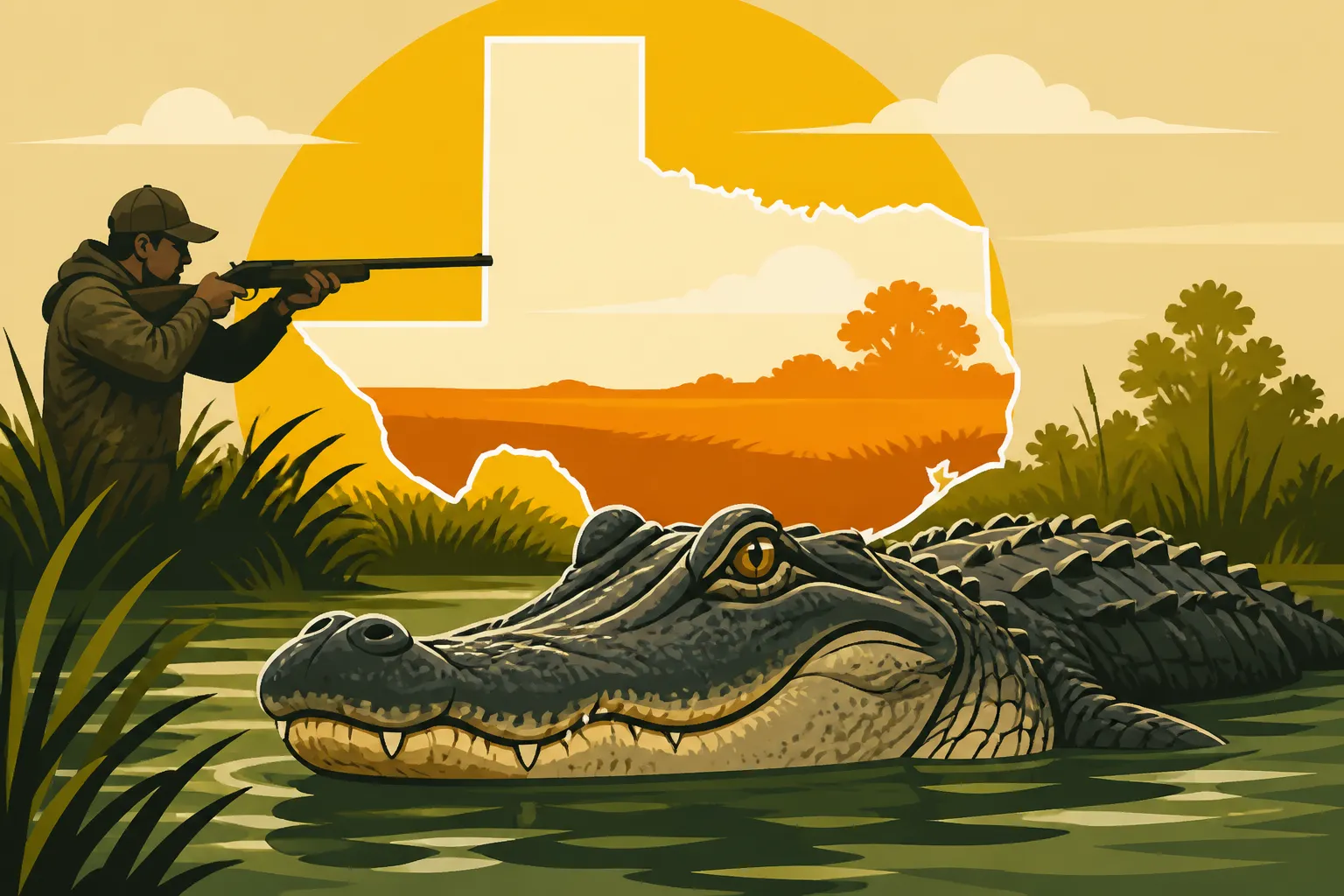
Drawn Alligator Hunts in Texas (WMAs)
Hunting alligators in Texas, especially for those without access to private land, can feel like navigating a swamp blindfolded. The sheer challenge of securing a spot on prime gator habitat often leaves hopeful hunters frustrated. This comprehensive guide will pull back the curtain on Texas's drawn alligator hunts on Wildlife Management Areas (WMAs), offering a realistic look at how to apply, what to expect, and how to maximize your chances of a truly wild experience.
Understanding Texas Alligator Hunting
Texas is home to a robust population of American alligators, primarily concentrated in the eastern half of the state, especially along the Gulf Coast and its associated river systems. For many, the idea of hunting one of these ancient predators is a thrilling prospect, but it's not like deer hunting where leases are plentiful. Access is key, and that's where the Texas Parks and Wildlife Department's (TPWD) drawn hunt system comes into play, opening up public lands that would otherwise be inaccessible.
The Alligator Revival in Texas
It's truly remarkable how alligators have bounced back in Texas. Decades ago, overhunting and habitat loss pushed them to the brink. Thankfully, thanks to diligent conservation efforts and strict regulations implemented by the TPWD, these incredible reptiles are thriving once again. This success story means that regulated hunting opportunities are now a sustainable reality, providing a unique challenge for those seeking a true swamp adventure. However, this success also means that competition for the best hunting spots can be stiff, making drawn hunts even more valuable.
When we talk about alligator hunting in Texas, it's not just about the thrill; it's also about managing a healthy ecosystem. Alligators are apex predators, and a balanced population helps maintain the health of wetlands, marshes, and bayous. Responsible hunting, like that offered through the drawn hunts program, contributes to this ongoing conservation success while also providing unforgettable outdoor experiences. Understanding this ecological context really underscores the privilege of participating in these hunts.
Core vs. Non-Core Counties and Regulations
Texas hunting regulations for alligators are quite specific, and it's absolutely critical to understand them. The state divides alligator habitat into "Core" and "Non-Core" counties, and the rules differ significantly between the two.
Core Counties: These are the traditional alligator strongholds, primarily in Southeast Texas, where populations are most robust. Think of places like Jefferson, Orange, Chambers, Galveston, and Brazoria counties. In these areas, the general open season typically runs for a few months, and hunters require both a valid Texas hunting license and an Alligator Hide Tag for each alligator harvested. The bag limit is usually one alligator per person per year in these core counties, often with specific length requirements. For a detailed breakdown of specific dates and regulations, always check the current Texas Outdoor Annual, or follow this link to learn more about the official Texas Alligator Season: Core & Non-Core Dates.
Non-Core Counties: These are areas where alligators are present but in smaller, less concentrated populations. In most non-core counties, alligator hunting is allowed only during a very brief, specific period, often just a couple of weeks, and usually only by landowners or their agents on private property with a valid hunting license. The bag limit in non-core counties is also one alligator per person per year, but the methods and access are far more restricted. This distinction is crucial because the drawn hunts on WMAs almost exclusively occur within Core Counties, offering public access where it's otherwise extremely difficult to come by. Knowing these regulations inside and out is your first step to a legal and successful hunt.
Remember, regardless of whether you're hunting in a Core or Non-Core county, possessing an Alligator Hide Tag before you hunt is non-negotiable. These tags are specific to the alligator species and are tied to your hunting license. Without them, you cannot legally possess a harvested alligator. Make sure your Texas Hunting License: Cost, Types & How to Buy (2026) is current and that you've secured the necessary endorsements.
| Aspect | Core Counties (e.g., Jefferson, Chambers) | Non-Core Counties (most other counties) |
|---|---|---|
| Alligator Population | Dense, robust populations | Sparse, scattered populations |
| Season Length | Generally longer (e.g., Sept. 10 – Sept. 30) | Very short (e.g., July 1 – July 30) |
| Hunting Access | Public & private land, with specific regulations | Primarily private land, landowner or agent only |
| Required Tags | Alligator Hide Tag required before hunting | Alligator Hide Tag required before hunting |
| Bag Limit | One alligator per person per year (often with length restrictions) | One alligator per person per year |
| Primary Method | Hook and line, lawful archery equipment, firearms | Typically restricted to hook and line, with specific landowner permissions |
| Drawn Hunts (WMA) | Most common location for drawn public alligator hunts | Very rarely offered on public lands; access is exceedingly limited |
The Texas Drawn Hunts Program for Alligators
If you're dreaming of a Texas alligator hunt but don't own thousands of acres of marshland, the Texas Drawn Hunts program is your best bet. This system is designed to provide public hunting opportunities on some of the state's most coveted wildlife management areas and state parks. It's a fantastic way to experience a truly wild hunting adventure that would otherwise be out of reach for most. While competition can be steep, the reward of being drawn for one of these unique hunts is absolutely worth the effort of applying.
Applying for Drawn Alligator Hunts
The application process for Texas drawn hunts can seem a little daunting at first, but once you get the hang of it, it's pretty straightforward. The key is to pay close attention to deadlines and categories. TPWD usually opens the application period in late spring or early summer, and various hunt categories have different application periods throughout the year. For alligator hunts, you'll typically be looking for the "Alligator" category, though sometimes they might be grouped under "Big Game" or "Exotics" depending on the specific WMA.
You apply online through the TPWD website, and there's a small non-refundable application fee for each category you enter. You can apply as an individual or as a group, which can sometimes slightly increase your odds if multiple people in your party are drawn for the same hunt. It's smart to research the specific WMAs offering alligator hunts and identify which ones best suit your preferences and skills. Some WMAs might be easier to hunt than others, or offer different types of terrain. To get a head start, check out our guide on how to apply for Texas Drawn Hunts Online. Don't forget to keep an eye on the official TPWD calendar for specific application open and close dates each year; missing a deadline means missing out on the opportunity entirely!
Key Wildlife Management Areas (WMAs) Offering Alligator Hunts
Texas has a number of incredible WMAs that periodically offer drawn alligator hunts. These areas are managed specifically for wildlife and habitat conservation, providing prime real estate for gators. Some of the most well-known WMAs that have offered alligator hunts in the past include:
- J.D. Murphree WMA (Port Arthur Area): This WMA is often considered a premier destination for alligator hunts due to its extensive coastal marsh habitat. The hunts here are typically very challenging, requiring patience and skill, but offer excellent opportunities for large gators.
- Big Thicket National Preserve (near Kountze): While not a traditional WMA, specific sections within the Big Thicket are often included in the drawn hunt system for alligators, offering a unique opportunity to hunt in a different type of freshwater swamp and bayou environment.
- Justin Hurst WMA (near Angleton): Another fantastic coastal marshland area known for its healthy alligator population. Hunts here often involve airboat access to remote areas, providing a truly immersive experience.
- Guadalupe Delta WMA (near Port O'Connor): Located where the Guadalupe River meets the bay, this WMA offers a mix of freshwater and brackish marsh, providing diverse habitat for alligators.
It's vital to remember that the specific WMAs offering alligator hunts, and the number of permits available, can change year to year based on population surveys, habitat conditions, and management goals. Always consult the TPWD Drawn Hunts catalog each season to see the current offerings. Getting familiar with the layout and terrain of these WMAs, even virtually, can give you an edge. Tools like onX Hunt can be incredibly helpful for scouting boundaries, understanding access points, and even visualizing terrain, even if you can't physically visit the WMA beforehand. This digital scouting can be a game-changer when preparing for a drawn hunt.
Improving Your Odds and What to Expect
Let's be real, getting drawn for an alligator hunt isn't always easy. It's a lottery system, and some hunts are incredibly popular. However, there are a few things you can do to potentially improve your chances and manage your expectations. First, apply for multiple categories if your budget allows. While you can only be drawn for one hunt, more applications mean more entries into the system. Second, consider applying for hunts that might be less popular. Sometimes, hunts requiring more specialized gear (like a kayak or airboat access) or located in more remote areas might have slightly better odds.
When it comes to expectations, understand that a drawn hunt is not a guaranteed harvest. You're hunting wild animals in their natural environment, and success depends on many factors, including weather, alligator activity, and your own skill. You'll likely be dealing with primitive conditions, potentially long walks, mosquito swarms, and the infamous Texas heat. These hunts are truly an adventure. WMA staff are usually available to answer questions and provide an orientation, which is incredibly helpful. Listen closely to their advice and follow all WMA-specific rules, which can be even stricter than general state regulations. Some WMAs might even partner with services like GoHunt to provide additional insights into hunt statistics or specific WMA characteristics, helping you make more informed application choices.
Preparing for Your WMA Alligator Hunt
Once you've secured that coveted drawn hunt permit, the real work—and excitement—begins. A successful alligator hunt on a WMA isn't just about showing up; it requires careful planning, the right gear, and a solid understanding of alligator behavior. You're entering their domain, and being prepared is paramount for both safety and success.
Essential Gear and Equipment
Alligator hunting isn't like heading out for squirrels; it demands specialized gear. Here’s a breakdown of what you'll likely need:
- Hunting License & Tags: Absolutely non-negotiable. Ensure your Texas Hunting License: Cost, Types & How to Buy (2026) is valid and you have your alligator hide tag in possession before you even leave for the WMA.
- Weapon: Legal methods typically include hook and line, lawful archery equipment, or firearms. For firearms, a .30-06 or larger caliber rifle is often recommended for dispatching, though a shotgun with slugs can also be effective at close range. If using a hook and line, you'll need sturdy fishing rods or hand lines with heavy test line, large treble hooks, and strong floats. Many hunters prefer a crossbow for the initial shot, as it can be very precise. Consider our guide on Bowhunting in Texas: Archery Season Guide for more insights into bow setups.
- Boating/Transportation: Many WMA alligator hunts require some form of watercraft. This could be a small jon boat, kayak, canoe, or even an airboat on certain leases. Be sure to check the specific WMA rules for what's allowed. Don't forget your PFDs, paddles/oars, and a reliable motor if applicable.
- Personal Gear:
- Snake Boots: You'll be walking through marshy, snake-infested areas. Good snake boots are a must.
- Insect Repellent: Think industrial strength. Mosquitoes and other biting insects in Texas marshes are no joke.
- Hydration: Plenty of water, especially in the Texas heat.
- First-Aid Kit: Comprehensive, including snake bite kit.
- Headlamp/Flashlight: Many alligator hunts take place at night or during low light.
- GPS/Map: Even with modern apps like onX Hunt, a physical map and compass are wise backups, especially in unfamiliar territory.
- Recovery & Processing:
- Heavy Duty Ropes: For securing and hauling the alligator.
- Knives: Large, sharp knives for field dressing.
- Coolers/Ice: Plenty of ice to cool the hide and meat quickly. Check out Best Coolers for Texas Hunting (Yeti & Alternatives) for recommendations.
- Gloves: Heavy-duty, cut-resistant gloves for handling the alligator.
Pre-Hunt Scouting and Strategy
Scouting, even if limited to virtual methods, is absolutely critical for drawn hunts. Since you're likely unfamiliar with the WMA, every piece of information helps.
- Aerial Maps: Use satellite imagery from apps like onX Hunt or Google Earth to identify potential alligator habitat. Look for deep holes, channels, oxbows, and areas with dense vegetation bordering open water. Alligators love basking on sunny banks, so identifying those spots can be helpful.
- WMA Resources: Consult the WMA's specific maps, brochures, and any online information they provide. Some WMAs even have dedicated staff you can call to ask about terrain, water levels, and common alligator hangouts.
- Weather and Tides: Pay close attention to the weather forecast and tide charts (if applicable to coastal WMAs). High tides can open up new areas, while low tides might expose basking spots. Cooler weather might make alligators less active, while warm, sunny days often bring them out to sun themselves.
- Entry/Exit Points: Plan your access and extraction carefully. Understand where you can launch a boat, park your vehicle, and how far you'll need to haul a potentially large alligator.
- Alligator Sign: Once on the ground, look for tracks, slides (where they drag their bodies out of the water), scat, and "gator holes" (areas where they've excavated dens). Fresh sign indicates active alligators.
Alligator Hunting Tactics on WMAs
Alligator hunting is a game of patience and stealth. Here are some common tactics:
- Night Hunting (Spotlighting): This is perhaps the most popular and effective method. Alligators' eyes glow red under a spotlight, making them easier to locate after dark. You'll typically approach quietly by boat or on foot, get within range, and then take your shot. Remember, shining a light into an animal's eyes to take a shot is generally prohibited for most game animals in Texas, but it is a legal and common practice for alligators in most hunting scenarios (always double-check current regulations).
- Hook and Line (Baiting): If allowed by the WMA, this involves suspending bait (often chicken quarters or fish) over water in an area where alligators are present. When an alligator takes the bait, it hooks itself. You then return later, locate the line, and dispatch the alligator. This method requires a specific setup and adherence to strict regulations regarding line placement and bait.
- Stalking: During daylight, you can stalk alligators basking on banks or floating in the water. This requires extreme stealth, careful use of cover, and a keen eye. A rangefinder, like those mentioned in our guide to Best Hunting Optics for Texas: Scopes, Binos & Rangefinders, can be invaluable for accurate shot placement.
- Bowhunting: Many drawn hunts are specifically for archery equipment. This offers a thrilling, up-close challenge. You'll need specialized archery gear, often heavy arrows with detachable points and a line attached for retrieval. Patience and precision are paramount when Bowhunting in Texas: Archery Season Guide.
Regardless of the method, shot placement is critical. The brain is located at the back of the head, just behind the eyes. A precise shot here will humanely dispatch the animal. An improperly placed shot can lead to a lost alligator or a dangerous situation. Always prioritize safety and ethical harvesting.
Post-Hunt Considerations and Regulations
A successful alligator hunt is incredibly rewarding, but the work isn't over once the gator is on the bank. There are still critical steps to take regarding regulations, ethical processing, and preserving your harvest. Rushing this stage can lead to legal trouble or ruined meat and hide.
Harvest Reporting and Tagging
This is a step you absolutely cannot skip. As soon as you harvest an alligator, you must immediately attach your valid Alligator Hide Tag to the carcass. This tag must remain attached until the hide is tanned, taxidermied, or delivered to a licensed buyer. Failure to tag immediately is a serious violation.
Beyond tagging, Texas has specific requirements for reporting your harvest. This is typically done through the My Texas Hunt Harvest system, either online or via the mobile app. You'll need to provide details about the hunt, including the WMA, date of harvest, and characteristics of the alligator (length, sex, etc.). This data is crucial for TPWD's management efforts, allowing them to monitor populations and ensure sustainable hunting opportunities for future generations. Don't procrastinate on this; it's a legal requirement. You can find more comprehensive information on Texas Hunting Tags & Harvest Reporting (My Texas Hunt Harvest) to ensure you're compliant.
Processing Your Alligator and Meat Care
Processing an alligator is a significant undertaking, especially for a large one. Alligator meat is delicious, often described as a cross between chicken and fish, but it requires proper handling to prevent spoilage, especially in the warm Texas climate.
- Cooling: Just like any other game animal, the sooner you can cool the alligator, the better. If you plan to keep the meat, field dress the animal quickly by gutting it. The meat is primarily in the tail, jaws, and a smaller amount on the backstraps and legs.
- Skinning: Skinning an alligator is a labor-intensive process. Many hunters opt to take the alligator to a professional processor or taxidermist, especially if they want a quality hide for mounting or tanning. If you're doing it yourself, be prepared with very sharp knives, a clean workspace, and plenty of patience. The skin is tough, and removing it cleanly requires skill. Be particularly careful around the valuable belly scales if you intend to tan the hide for leather.
- Meat Preservation: Once processed, the meat should be immediately put on ice or refrigerated. Vacuum sealing and freezing are the best ways to preserve alligator meat for long-term storage.
- Legal Considerations: Be aware of any specific WMA rules regarding carcass disposal or areas designated for processing. You cannot simply leave discarded parts anywhere. Respect the WMA and other users by cleaning up thoroughly. Our guide on How to Field Dress a Deer in Hot Weather can offer some general principles for quick cooling that can be adapted to other large game.
A drawn alligator hunt on a Texas WMA is an experience like no other. It’s a chance to connect with a primal part of Texas’s wild heritage, test your skills against a formidable predator, and bring home a unique trophy and delicious meat. With thorough preparation, adherence to regulations, and a healthy dose of respect for the animal and its habitat, you'll be well on your way to a memorable adventure.
Disclaimer
Please note that hunting regulations, seasons, and WMA rules can change. Always consult the official Texas Parks and Wildlife Department (TPWD) Outdoor Annual or their website for the most current and accurate information before planning any hunt. This guide is for informational purposes only and does not supersede official regulations.