Rolling Plains Hunting: Quail & Deer
Finding that perfect hunting spot in Texas, one that offers a diverse and exciting challenge for both big game and wingshooting, can feel like searching for a needle in a haystack. But let me tell you, for many seasoned hunters and those just starting out, the Texas Rolling Plains stands out as a true gem. This guide is dedicated to breaking down everything you need to know about pursuing white-tailed deer and quail in this often-overlooked yet incredibly productive region.
Introduction to the Texas Rolling Plains as a Hunting Destination
The Texas Rolling Plains, stretching across a significant portion of the north-central part of our great state, is one of those places that truly embodies the wild spirit of Texas. It’s a region that offers a distinctly different hunting experience than the dense brush of South Texas or the rugged mountains of the Trans-Pecos. For hunters who appreciate diverse landscapes and varied game, it’s a destination that consistently delivers.
Defining the Ecoregion's Unique Characteristics
Geographically, the Rolling Plains is a transitional zone, bridging the gap between the tallgrass prairies to the east and the High Plains to the west. What you'll find here is a landscape characterized by gently rolling hills, mesquite and prickly pear cactus flats, interspersed with native grass prairies, shinnery oak, and riparian areas along creeks and rivers like the Brazos and Red. The soil, often a reddish-brown loam, supports a mix of short and mid-grasses, which, when coupled with scattered woody cover, creates ideal habitat for both deer and quail. This diverse topography means you won't be staring at endless uniformity; instead, you'll encounter a mosaic of cover and open country that keeps things interesting.
The Allure of the Rolling Plains for Hunters
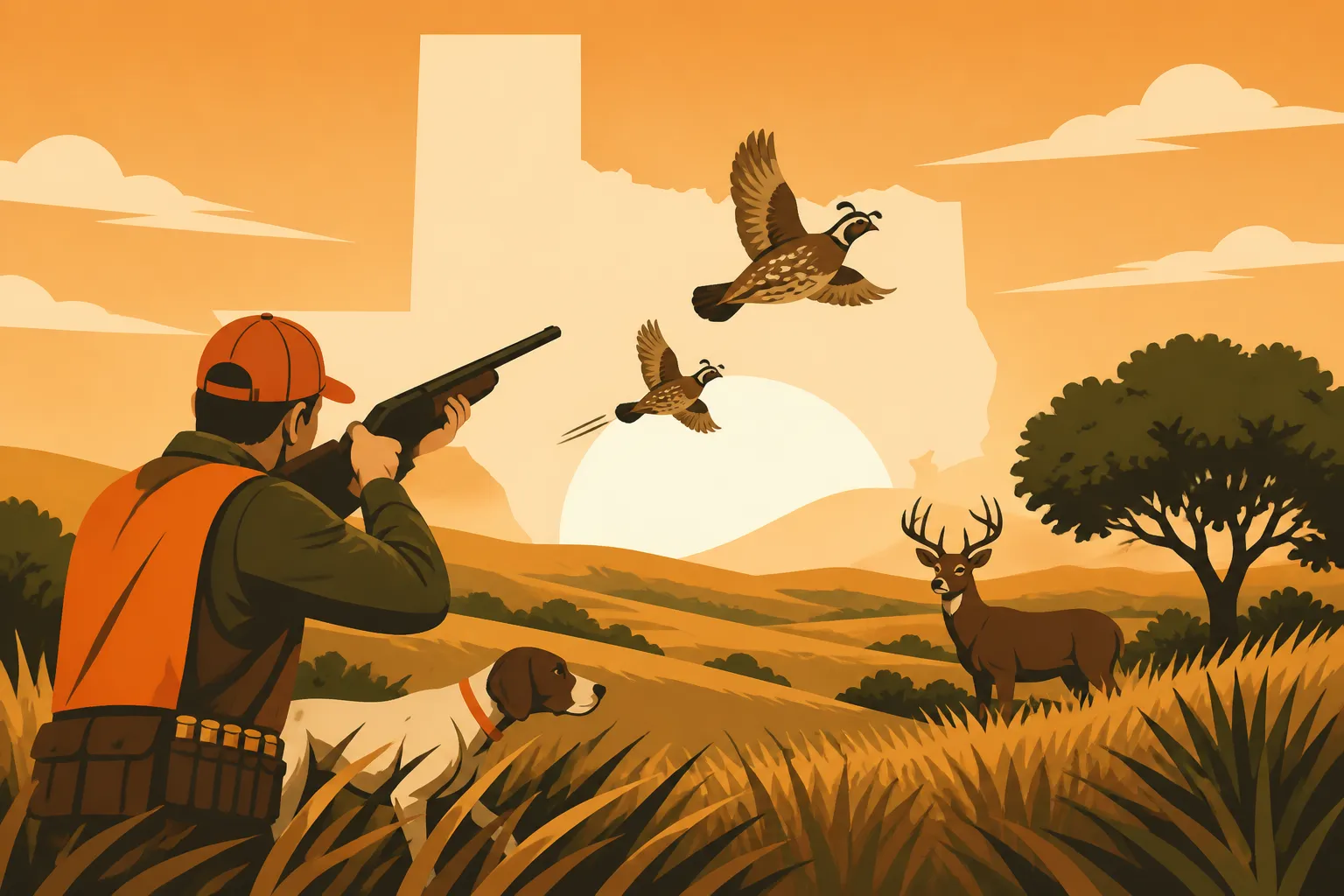
So, why do so many hunters keep coming back to the Rolling Plains? Well, for starters, it offers some fantastic opportunities for white-tailed deer. While perhaps not as famed for monster bucks as some parts of South Texas, the Rolling Plains consistently produces healthy deer with good genetics, and the more open terrain can make for thrilling spot-and-stalk opportunities. Then there's the quail hunting, which is, frankly, legendary in good years. The combination of bobwhite and blue quail, thriving in the mixed grasslands and brush, provides some of the finest wingshooting experiences anywhere. It’s a region where you can hunt deer in the morning and chase coveys of quail in the afternoon, often on the same piece of property. The blend of hunting experiences is truly what sets it apart, making it a perfect spot for those who enjoy variety in their pursuits.
Strategies for White-Tailed Deer Hunting in the Rolling Plains
White-tailed deer in the Rolling Plains present a unique challenge and a rewarding experience. These deer are often well-adapted to the more open, scattered brush country, making them keen observers and skilled at using the limited cover to their advantage. Understanding their habits and the specific landscape is key to success.
Understanding Whitetail Behavior and Habitat Use
Unlike the dense, almost impenetrable brush of South Texas, deer in the Rolling Plains utilize fragmented cover, often sticking to draws, creek bottoms, shinnery oak patches, and the edges of mesquite thickets. They tend to bed down in these thicker areas, often on elevated ground to catch the breeze and survey their surroundings. During the cooler parts of the day, particularly dawn and dusk, they'll move out into more open areas to feed on forbs, browse, and agricultural crops if available. Observing their travel corridors between bedding and feeding areas is paramount. Trail cameras are an absolute game-changer here; they help you pattern movement and pinpoint exactly where deer are traveling and when. If you're wondering how to effectively use these tools, a deeper dive into topics like How to Pattern Bucks With Trail Cameras can really help you get ahead. Pay close attention to water sources, especially during dry spells, as these become critical congregation points.
Optimal Hunting Methods and Stand Placement
Given the varied terrain, hunters in the Rolling Plains often employ a mix of strategies.
- Elevated Blinds: Box blinds or tripod blinds are very effective, especially when positioned overlooking food plots, natural browse areas, or feeder setups. The visibility from an elevated position is a huge advantage in this more open country. Consider setting up your blind where you can cover multiple game trails leading into a feeding area. For insights into different setups, checking out Box Blind vs Tripod vs Ground Blind in Texas can offer valuable perspectives.
- Ground Blinds: While elevated positions offer a broader view, strategically placed ground blinds, particularly pop-ups in a thick mesquite clump or along a fence line, can be deadly for bowhunters or for hunters wanting a more intimate experience. Scent control is critical when hunting from a ground blind, as deer will be much closer and their noses are unforgiving.
- Spot-and-Stalk: This is where the Rolling Plains truly shines for many. With the open country and rolling hills, glassing large areas with good binoculars or a spotting scope from a high vantage point can reveal deer activity. Once a deer is spotted, a careful and patient stalk can be executed, using the terrain features, mesquite clumps, and changes in elevation to stay hidden. This method requires excellent optics and a good understanding of wind direction.
- Hunting Over Feeders: While some prefer strictly natural hunting, feeders can be a very effective tool for drawing deer in, especially during the early season or in areas with less natural forage. Just be sure to check local regulations regarding Hunting Over Feeders & Corn in Texas (Legal Guide) as rules can vary.
Navigating Antler Restrictions and Bag Limits
Texas has specific antler restrictions in many counties, and the Rolling Plains is no exception. These rules are designed to allow younger bucks to mature, improving the overall age structure and quality of the deer herd. Always consult the current year's Texas Parks and Wildlife Department (TPWD) Outdoor Annual for the most up-to-date regulations for the specific county you'll be hunting. Typically, you'll need to confirm that a buck has an unbranched antler or a main beam spread equal to or greater than 13 inches. Knowing your local county's specific rules, as detailed in the Texas Deer Season 2026-2027: Dates by Zone, is non-negotiable. It prevents accidental harvest of illegal bucks and helps you contribute to sound deer management.
Mastering Quail Hunting in the Rolling Plains
If deer hunting brings a quiet intensity, quail hunting in the Rolling Plains brings a burst of explosive energy. The thrill of a covey flush, the barking of pointers, and the challenge of hitting fast-flying birds against the Texas sky are experiences that keep hunters coming back year after year.
Identifying Prime Quail Habitat and Covey Locations
Quail, both bobwhite and blue, are creatures of specific habitats. They thrive in areas that provide a mosaic of cover – dense enough for escape from predators and protection from the elements, but open enough for easy movement and feeding. In the Rolling Plains, this often means areas with:
- Native Grasses: Taller native grasses like little bluestem, switchgrass, and indiangrass provide excellent nesting and roosting cover.
- Brushy Cover: Patches of shinnery oak, prickly pear, mesquite, and sumac offer crucial thermal cover, loafing areas, and escape routes.
- Forbs and Seeds: Quail rely heavily on a variety of seeds and insects. Look for areas with diverse plant life that provides these food sources, often along field edges, old cultivation plots, or disturbed areas.
- Water Sources: While quail can get a lot of moisture from their food, nearby water sources can concentrate birds, especially in dry conditions.
- Edge Habitat: The transition zones between different types of cover are often hot spots. For instance, where a mesquite flat meets a native grass pasture, or along a brushy fence line adjacent to a cultivated field.
Understanding these preferences is vital for successful scouting. Pay attention to fence rows, plum thickets, and draws, as these are natural travel corridors and cover for coveys. To truly dial in your approach, consider exploring dedicated tactics like Bobwhite Quail Hunting Tactics for Texas.
Effective Dog Work and Shooting Techniques
Quail hunting without good dogs is like fishing without a reel – possible, but far less effective and enjoyable. Well-trained pointers or flushers are invaluable.
- Pointers: A good pointing dog will range out, locate the scent of a covey, and "lock up" on point, allowing the hunters to walk in and prepare for the flush. This classic style of quail hunting is incredibly rewarding.
- Flushers: Dogs like Springer Spaniels or Labs are trained to flush birds from cover, then retrieve downed birds. They cover ground thoroughly and are excellent for pushing birds out of dense spots.
When a covey flushes, it’s often an explosion of birds in every direction, which can be disorienting. The key is to:
- Pick one bird: Don't try to shoot into the mass. Select a single bird, preferably one breaking away from the main group.
- Mount the gun smoothly: Bring the gun to your shoulder, cheek to stock, in one fluid motion.
- Swing through and lead: Quail are fast! You'll need to swing your barrel ahead of the bird, maintaining your swing as you pull the trigger. Practice with clay targets can greatly improve this skill.
- Follow through: Don't stop your swing immediately after the shot.
Remember, safety is paramount. Always know where your hunting partners and dogs are, and never swing your gun past them. The Texas Quail Season Dates & Limit will provide details on legal shooting hours and bag limits.
The Role of Habitat Management in Quail Populations
Quail populations are notoriously cyclic, heavily influenced by rainfall and habitat conditions. While some of this is beyond a hunter's control, thoughtful habitat management can make a significant difference on private lands.
- Prescribed Burning: Controlled burns can stimulate the growth of desirable forbs and native grasses, creating better nesting cover and food sources, and reducing invasive brush.
- Brush Control: Strategic brush control, like shredding or grubbing, can create more desirable edge habitat and prevent areas from becoming too dense. It's not about clearing everything, but creating beneficial diversity.
- Food Plots: While not always necessary, small food plots of milo, sunflowers, or native legumes can supplement natural food sources, especially during lean times. Learning what works best can be found in resources like Food Plots in Texas: What Works in the Heat.
- Water Sources: Providing reliable water sources, such as guzzlers or maintaining stock tanks, can benefit quail, particularly in arid years.
Many landowners in the Rolling Plains are actively engaged in habitat management, often working with programs from the Texas Parks and Wildlife Department or private consultants to improve conditions for quail. This proactive approach helps ensure healthier, more robust quail populations for future generations of hunters.
Accessing Hunting Lands in the Rolling Plains
One of the biggest hurdles for any hunter in Texas is securing quality hunting land. The Rolling Plains offers various avenues, from private leases to public hunting opportunities, each with its own set of advantages and challenges.
Finding and Securing Quality Hunting Leases
The vast majority of hunting in the Rolling Plains, as with much of Texas, takes place on private land through hunting leases. These can range from year-long leases with full rights to multi-day guided hunts.
- Networking: The best leases often come through word-of-mouth. Talk to other hunters, local landowners, and folks at feed stores or co-ops. Building relationships in the community can open doors.
- Online Platforms: Websites like Texas Hunting Lease, LeaseHunter, or even general real estate sites like Lands of Texas can list available leases. Be prepared to act quickly, as good leases go fast.
- Day Hunts: If a full-year lease isn't in your budget or time commitment, many outfitters and landowners offer day hunts for both deer and quail. This is a great way to experience the region without the long-term commitment.
- Cost Considerations: Lease prices vary widely based on acreage, game quality, amenities, and location. For a comprehensive overview of what to expect, check out the Hunting Leases in Texas: Complete Guide (Cost & How to Find). It's an investment, but one that grants you consistent access.
- Lease Agreement: Always ensure you have a clear, written lease agreement outlining terms, conditions, game limits, and responsibilities. This protects both you and the landowner.
When scouting for a lease, don't just look at the land from the road. Use mapping tools like onX Hunt or GoHunt to analyze aerial imagery, identify potential habitat features, and understand property boundaries. These tools are invaluable for pre-visit research and for navigating the property once you're on it.
Exploring Public Hunting Opportunities and Draw Systems
While private land dominates, Texas does offer some public hunting opportunities, though they often come with their own competitive processes.
- Annual Public Hunting Permit (APH): For a relatively low annual fee, the APH provides access to over 1 million acres of public hunting land across Texas. Many of these areas are leased private lands made available for public use. The offerings in the Rolling Plains might include areas managed for deer, quail, or both, often on a first-come, first-served basis, or through specific sign-in procedures. Always read the specific regulations for each unit you plan to hunt, as they can vary greatly.
- Texas Drawn Hunts: TPWD offers special drawn hunts on various wildlife management areas (WMAs) and state parks. These hunts are highly coveted and can provide access to some prime hunting grounds for deer, exotics, and even quail. While the odds can be tough, it's definitely worth applying. For detailed application processes and deadlines, refer to the Texas Drawn Hunts & Public Hunt Draw 2027 guide.
- WMAs in the Rolling Plains: Some WMAs, such as Gene Howe WMA or Matador WMA, located on the fringes of the Rolling Plains, can offer deer and quail hunting opportunities through the drawn hunt system. These areas are intensively managed and can provide excellent quality hunts if you're lucky enough to draw a permit.
- Type II Public Hunting Lands: These are areas that are open to public hunting on a limited basis, often through specific permits or for particular species. Information about these can be found in the TPWD Outdoor Annual.
The key to public land hunting is diligent research. Regulations are strict, and competition can be high. However, the reward of harvesting game on public land is incredibly satisfying.
| Feature / Consideration | White-Tailed Deer Hunting | Quail Hunting |
|---|---|---|
| Primary Habitat | Mesquite thickets, creek bottoms, shinnery oak, field edges | Native grass pastures, brushy draws, plum thickets, field edges |
| Typical Season | Archery, General, Muzzleloader, Youth (Fall/Winter) | Fall/Winter (often opens later than deer) |
| Hunting Method | Stand hunting, spot-and-stalk, still hunting | With pointing dogs, walking up coveys |
| Gear Focus | Rifle/bow, optics (binos, scope), scent control, blinds | Shotgun, birdshot, good dog, snake boots |
| Ideal Weather | Cool, crisp mornings; post-front cold | Clear, calm, mild days (not too hot for dogs) |
| Physical Demands | Patience in a blind, quiet stalking; hauling game | Walking many miles, keeping up with dogs |
| Social Aspect | Often solitary or small group | Highly social, great with friends and dogs |
Essential Gear, Scouting, and Conservation Practices
Having the right gear and adopting a responsible approach to hunting are critical for a successful and ethical experience in the Rolling Plains. The diverse conditions of this region demand thoughtful preparation.
Must-Have Equipment for Rolling Plains Expeditions
Just like any hunting trip, coming prepared is half the battle. The Rolling Plains has its own set of needs.
- Optics: Good quality binoculars (10×42 or 10×50 are great all-around choices) and a reliable rangefinder are essential for deer hunting, especially for spot-and-stalk. In the more open country, a spotting scope can also be incredibly useful. For quail, your eyes and your dog's nose are the primary tools, but good vision is always a plus. To ensure you're making the best choice, consider reading up on Best Hunting Optics for Texas: Scopes, Binos & Rangefinders.
- Firearms: For deer, a flat-shooting rifle in a common caliber like .270, .308, or 6.5 Creedmoor is ideal, capable of handling shots across varied distances. For quail, a 12- or 20-gauge shotgun with appropriate birdshot (e.g., #7.5 or #8) is standard.
- Clothing: Layers are key! Mornings can be chilly, even in October, but midday can warm up significantly. Durable, comfortable clothing in natural tones or camo is recommended. Don't forget a good wide-brimmed hat for sun protection. For the early season, light, breathable camo is vital; you might want to check out some advice on Best Early-Season Camo for Texas Heat.
- Footwear: Snake boots are highly recommended. The Rolling Plains is home to rattlesnakes, and stepping through tall grass or brush makes protection crucial. Comfortable, broken-in boots that can handle miles of walking are essential for quail hunting.
- Game Processing Supplies: A sharp hunting knife, game bags, and a cooler with plenty of ice are vital, especially since temperatures can still be warm during early deer and quail seasons. If you harvest a deer, you'll need to know How to Cool a Deer Fast in Texas Heat to preserve the meat properly.
Leveraging Technology for Pre-Season Scouting
In today's hunting world, technology isn't just a luxury; it's a powerful tool that can dramatically increase your chances of success.
- Mapping Apps: This is where tools like onX Hunt and GoHunt shine. These apps allow you to:
- Identify Property Lines: Crucial for staying on your leased land and respecting boundaries.
- Scout from Home: Analyze topography, vegetation changes, historical satellite imagery, and identify potential bedding areas, travel corridors, and feeding grounds before you even step foot on the property.
- Mark Waypoints: Drop pins for stand locations, game sightings, water sources, and important landmarks.
- Track Your Movement: Record your walks and stalks to analyze patterns and avoid getting lost.
- Public Land Overlays: For public hunters, these apps often highlight public hunting lands and relevant regulations.
- Weather Apps: Stay informed about wind direction, temperature changes, and frontal systems, which can all impact deer and quail movement.
- Trail Cameras: As mentioned earlier, cellular trail cameras can provide real-time intelligence on game movement without disturbing the area. They help you pinpoint activity peaks and identify individual animals.
Spending time with these apps and tools before your hunt can save you countless hours of unproductive scouting in the field, helping you focus your efforts on the most promising areas. Getting a good grasp on How to Scout for Deer Before Season in Texas involves a lot of digital legwork these days.
Responsible Hunting and Wildlife Management
Hunting in the Rolling Plains isn't just about the harvest; it's about being a responsible steward of the land and its wildlife.
- Ethical Hunting: Always practice ethical shot placement, know your limits, and ensure quick, humane kills. Respect game animals and the land.
- Wildlife Management: Participate in programs like TPWD's Managed Lands Deer Program (MLDP) if you're a landowner or lease manager. This allows for tailored harvest recommendations to improve herd health.
- CWD Awareness: Chronic Wasting Disease (CWD) is a serious concern for deer populations in Texas. Be aware of any CWD zones in the Rolling Plains, follow all carcass movement restrictions, and if required, submit samples for testing. Understanding CWD in Texas: Zones, Rules & Carcass Transport is vital to help protect our deer herds.
- Habitat Conservation: Support organizations that work on habitat conservation in the Rolling Plains. A healthy ecosystem benefits all wildlife, not just the game species we pursue. This might involve joining local chapters of groups like Quail Forever or the National Wild Turkey Federation.
- Respecting Landowners: If you're on a lease or a day hunt, always treat the landowner's property with the utmost respect. Leave no trace, close all gates, and follow all their rules and requests. A good relationship with a landowner is invaluable.
By embracing these practices, we ensure that the rich hunting heritage and abundant wildlife of the Texas Rolling Plains continue to thrive for generations to come.
Disclaimer
Please note that hunting regulations, seasons, and bag limits are subject to change by the Texas Parks and Wildlife Department. Always consult the most current official TPWD Outdoor Annual before engaging in any hunting activities to ensure compliance with all state laws and regulations. This guide is for informational purposes only and does not supersede official government regulations.