Elephant Mountain WMA Hunting & Draw Info
Hunting in the vast, rugged landscapes of West Texas presents a unique set of challenges and incredible rewards, especially when you set your sights on a public land gem like Elephant Mountain Wildlife Management Area (WMA). Many hunters feel overwhelmed by the sheer scale of the Trans-Pecos and the competitive nature of drawn hunts, often wondering if their efforts will ever pay off. This comprehensive guide aims to demystify the process, offering detailed insights into what Elephant Mountain WMA offers, how to navigate its challenging terrain, and the ins and outs of securing a coveted drawn hunt permit.
Understanding Elephant Mountain WMA's Unique Environment
Elephant Mountain WMA is a true Texas treasure, but it's not your typical Hill Country deer lease. This area demands respect, preparation, and a deep understanding of its distinct characteristics. It's a place where the landscape itself can be as formidable as the game you're pursuing.
Location and Landscape Challenges
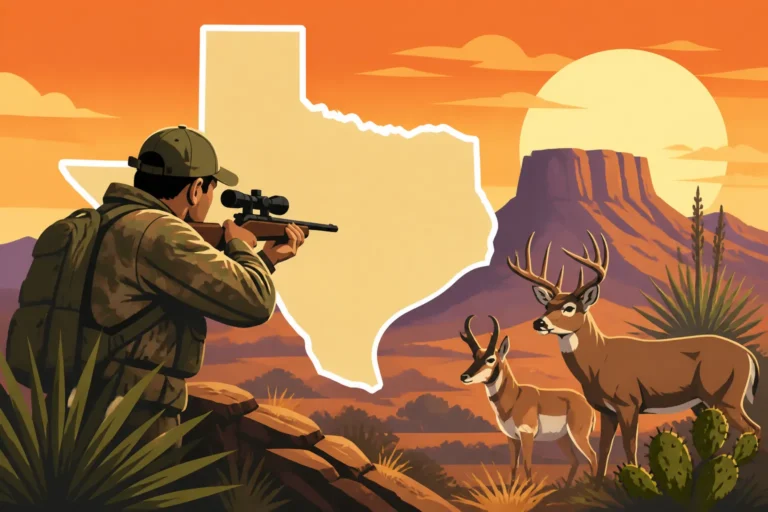
Situated in the heart of the Trans-Pecos region near Alpine, Elephant Mountain WMA encompasses over 23,000 acres of incredibly diverse, rugged terrain. Imagine towering volcanic peaks, steep canyons, vast plateaus, and deep arroyos – all carved out of ancient volcanic activity. Elevations here range dramatically, from about 4,200 feet to over 6,200 feet, which means you'll be dealing with significant climbs and descents. The sparse desert vegetation, characterized by scrub brush, ocotillo, yucca, and various cacti, offers limited cover for hunters but provides critical forage for wildlife. This is truly the Panhandle & Trans-Pecos Hunting in Texas region, offering a stark contrast to the dense forests of East Texas.
The climate here is another major factor. Summers are brutally hot and dry, while winters can bring freezing temperatures and strong winds. Water sources are scarce and often seasonal, making them prime locations for game animals. Navigating this landscape requires more than just good boots; it demands strong physical conditioning, excellent navigational skills, and a healthy dose of respect for the environment. You're not just hunting animals; you're often battling the elements and the terrain itself.
Primary Game Species and Conservation Efforts
Elephant Mountain WMA is renowned for its big game, primarily desert mule deer and aoudad sheep. These populations are carefully managed by the Texas Parks and Wildlife Department (TPWD) through limited drawn hunts to ensure sustainability and quality. The WMA is a critical habitat for these species, and its management focuses on enhancing their populations and health. For those interested in pursuing these magnificent animals, understanding their habits in this unique environment is key. You can find more details on general tactics in our guide to Mule Deer Hunting in Texas: Panhandle & Trans-Pecos.
Beyond the flagship species, the WMA also supports healthy populations of javelina, bobcats, and coyotes. While opportunities for these might be available outside of the main drawn hunts, they still require careful planning and understanding of the WMA's specific regulations. There's also the rare chance of encountering a mountain lion, though hunting them is highly restricted and subject to specific depredation permits. The WMA actively monitors all these species, ensuring a balanced ecosystem and robust hunting experiences for those fortunate enough to draw a tag.
Hunting Opportunities at Elephant Mountain WMA
Unlike many public lands, Elephant Mountain WMA's primary hunting opportunities revolve around a highly competitive drawn hunt system. This means you can't just show up with your Annual Public Hunting Permit and expect to hunt big game. Careful planning and application are paramount.
Drawn Hunts for Trophy Animals
The big draws at Elephant Mountain WMA are undoubtedly the hunts for desert mule deer and aoudad sheep. These are typically limited-entry hunts, meaning only a handful of permits are issued each year through the state's public hunting lottery system. These hunts are designed to offer a high-quality, challenging experience for hunters seeking mature animals in a wilderness setting. Drawing one of these permits is akin to winning the lottery, given the immense popularity and limited availability.
For mule deer, these hunts usually occur in the late fall or early winter, aligning with the deer rut in the Trans-Pecos. Aoudad hunts, on the other hand, can be offered at various times of the year, often in colder months when the sheep are more active. Success rates for these hunts are generally good for those who draw, primarily because the number of hunters is so low, and the WMA is managed for quality. However, success is still dependent on the hunter's skill, physical endurance, and ability to adapt to the challenging terrain. Tools like onX Hunt can be invaluable for e-scouting these vast public lands, helping you identify potential game trails, water sources, and bedding areas long before you ever set foot on the WMA.
Additional Hunting Prospects
While the mule deer and aoudad hunts are the main event, Elephant Mountain WMA may offer other hunting opportunities, though these are often less formalized and may not require a drawn permit. Javelina hunting, for instance, can sometimes be available with a regular hunting license and an APH permit, depending on the specific regulations each year. These hunts can be incredibly exciting, as javelina are tough, resilient animals that thrive in the desert environment. For more information on pursuing these unique creatures, check out our guide on Javelina Hunting in Texas.
Predator hunting for coyotes and bobcats is another possibility, which often aligns with other hunting seasons or specific open periods. It's crucial to consult the annual TPWD Outdoor Annual for the most up-to-date information on all open seasons and specific WMA regulations for Elephant Mountain. Sometimes, small game opportunities like rabbit or quail hunting might also be available, but again, always verify current rules. These "other" hunting prospects typically involve less pressure and can offer a fantastic way to experience the WMA if you don't secure a coveted big game tag.
Navigating the Drawn Hunt System for Elephant Mountain WMA
The Texas Parks and Wildlife Department's Drawn Hunt System is the gateway to hunting the premier spots like Elephant Mountain WMA. Understanding how it works is crucial for anyone hoping to secure a permit.
Application Process and Key Deadlines
To even have a chance at hunting mule deer or aoudad at Elephant Mountain, you must apply through the official TPWD Drawn Hunt System. The application period typically opens in late summer (around August) and runs through the fall, with various deadlines for different hunt categories. You'll need an active Texas hunting license to apply. The process involves selecting the specific hunt categories you're interested in, submitting an application online, and paying a small non-refundable application fee for each category.
The TPWD website is the only official place to apply, and it's essential to check the deadlines meticulously. Missing a deadline by even a day means you're out of luck for that season. Categories often include Youth Hunts, Adult Hunts, and mobility-impaired hunts. For Elephant Mountain, the "Exotic Desert Bighorn Sheep" category is highly selective and aims to manage potential populations, while "Aoudad Sheep" and "Mule Deer" categories are the most popular. Staying on top of these dates and requirements, perhaps by setting reminders in your calendar, is key. Our guide on Texas Drawn Hunts & Public Hunt Draw 2026 offers a broader look at this system.
Improving Your Chances and Managing Expectations
Let's be realistic: drawing a permit for mule deer or aoudad at Elephant Mountain WMA is incredibly difficult. The odds are often in the single digits or even less than one percent for some popular categories. This is where persistence and a bit of strategy come into play. Many seasoned hunters will apply year after year, sometimes for a decade or more, before finally drawing a tag. Resources like GoHunt can sometimes provide insights into historical draw odds, helping you make informed decisions about which hunt categories might offer slightly better chances, or at least help you understand the sheer competition.
While you can't guarantee a draw, you can maximize your opportunities by applying for multiple hunt categories if your budget allows. Consider applying for categories that might be less popular, or if you qualify, for youth or mobility-impaired hunts which can sometimes have slightly better odds. Remember, it's a lottery, and every application is a chance. The most important thing is to manage your expectations and view each application as an investment in a potential dream hunt, rather than a sure thing. Don't get discouraged if you don't draw; many passionate hunters spend years building up their preference points for similar opportunities across Texas. For more insights on the probabilities, you can check out Texas Drawn Hunt Odds: What Are Your Chances?.
Essential Preparations for Elephant Mountain WMA Hunting
Securing a drawn hunt permit for Elephant Mountain WMA is just the first step. The real work begins in preparing yourself and your gear for this demanding environment. This isn't a casual hunt; it's an expedition that requires serious physical and mental readiness.
Gear and Physical Preparation Demands
Hunting in the Trans-Pecos is physically taxing. The steep, rocky terrain, coupled with variable weather, means you need to be in good physical condition. Start a rigorous exercise regimen well in advance, focusing on hiking with a loaded pack, climbing, and building endurance. This will be a spot-and-stalk hunting in Texas experience, which means covering miles on foot over unforgiving ground.
Your gear needs to be just as tough. Start with high-quality, broken-in hiking boots with excellent ankle support and stiff soles to navigate the jagged rocks. Consider investing in durable snake boots like those from Lacrosse or Danner, as the area is home to rattlesnakes. Our guide on Best Snake Boots for Texas Hunting provides some excellent recommendations. A comfortable, well-fitting backpack is essential for carrying water, food, emergency supplies, and eventually, game meat. Given the vast, open spaces, top-tier optics are non-negotiable. This includes powerful binoculars (10×42 or 12×50 are ideal), a good spotting scope on a sturdy tripod for long-range glassing, and a reliable rangefinder. Check out our comprehensive guide to Best Hunting Optics for Texas: Scopes, Binos & Rangefinders for more detailed advice. Remember, carrying ample water is paramount; a good hydration pack capable of holding several liters is a must.
Scouting and Strategic Approaches
Effective scouting is critical for success at Elephant Mountain WMA, even if you can't visit the WMA physically before your hunt. E-scouting using satellite imagery on platforms like onX Hunt is incredibly valuable. You can study the topography, identify potential water sources, pinpoint historical game trails, and mark promising glassing points. Look for areas where different habitat types converge, or where terrain features create natural funnels. Paying attention to contours and elevation changes can give you an edge in understanding how animals move through the landscape.
Once on the ground, the primary hunting method will be spot-and-stalk. This involves finding an elevated vantage point early in the morning, often before first light, and patiently glassing vast areas for game. This is where your high-quality optics truly shine. Spend hours behind the glass, meticulously scanning every shadow and rock face. Once an animal is spotted, the challenging part begins: planning your stalk to get within shooting range while remaining undetected in sparse cover. Understanding the wind, sun, and terrain features is paramount. Remember, these animals are wild and wise, and the WMA is a truly wild place, making every successful stalk a testament to skill and perseverance. Always consult the Texas Hunting Seasons: Complete Calendar by Species to ensure you are aligning your strategy with official hunting dates.
| Game Species | Typical Hunt Category | Primary Hunting Method | Key Challenges | Success Factors |
|---|---|---|---|---|
| Mule Deer | Drawn Hunt (Limited Entry) | Spot & Stalk | Rugged terrain, wary animals, long-range shots | Physical fitness, quality optics, patient glassing |
| Aoudad Sheep | Drawn Hunt (Limited Entry) | Spot & Stalk | Steep, rocky cliffs, extreme endurance required | Exceptional endurance, precise shooting, navigation |
| Javelina | Drawn Hunt / APH Permit* | Spot & Stalk, Still Hunting | Dense brush, small target, scent detection | Patience, good scent control, quick reaction |
| Coyote/Bobcat | APH Permit* | Calling, Spot & Stalk | Nocturnal activity, intelligent animals, wide open spaces | Thermal/NV (if legal), calling proficiency, stealth |
*Always verify current regulations with TPWD for APH permit requirements and specific hunt dates.
Disclaimer
The information provided in this guide about Elephant Mountain WMA and Texas hunting regulations is for general informational purposes only. Hunting regulations, seasons, and permit requirements are subject to change by the Texas Parks and Wildlife Department (TPWD). Hunters are solely responsible for verifying all current rules and regulations directly with TPWD before planning or participating in any hunting activities. Always prioritize safety and ethical hunting practices.