Maverick County Hunting (Leases & Outfitters)
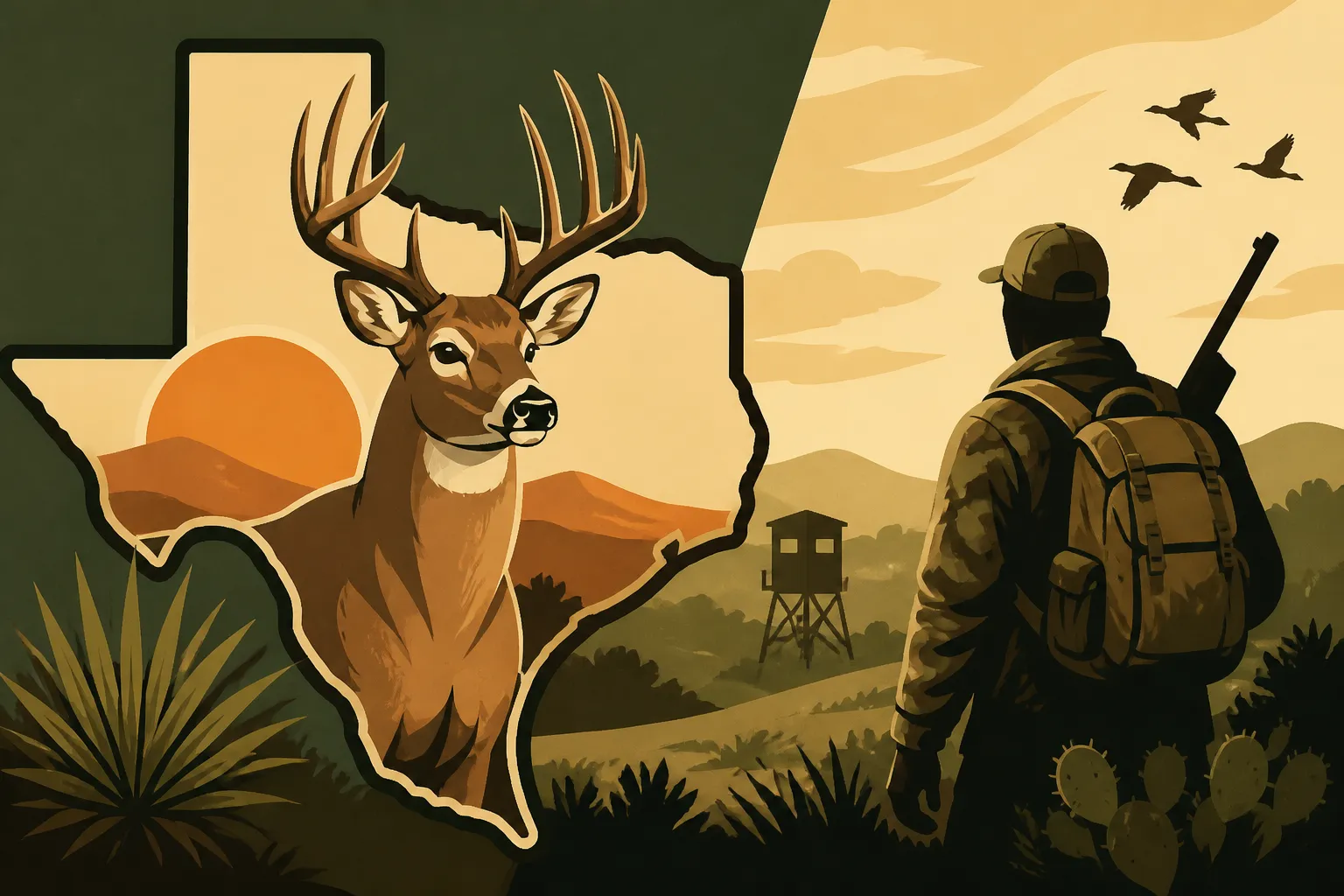
Maverick County, nestled deep in South Texas, holds a legendary status among hunters for its incredible brush country, trophy whitetail deer, and abundant feral hog populations. But the sheer vastness and private land dominance can make finding the perfect hunting opportunity feel like searching for a needle in a haystack. This comprehensive guide is here to unravel the complexities, helping you understand the unique hunting landscape of Maverick County, whether you're eyeing a long-term lease or a guided outfitter hunt.
The Undeniable Appeal of Maverick County Hunting
There's a reason why hunters from all corners of Texas, and indeed the country, set their sights on Maverick County. It's a place where the landscape itself whispers tales of grand hunts and where the wildlife truly thrives. The dense, thorny brush, arroyos, and fertile soils create an ideal environment, making it a prime destination.
Legendary Whitetail and Exotic Species
When you talk about South Texas whitetail, Maverick County is often at the top of the list. The genetics, combined with exceptional habitat and often aggressive management practices, mean that the potential for harvesting a truly magnificent buck is very real. These aren't your typical Hill Country deer; they're often larger-bodied, with impressive antler development. Hunters often dream of connecting with a mature, wide-racked South Texas buck, and Maverick County delivers on that promise. Beyond the native whitetail, the region is also home to a significant population of exotic species, particularly axis deer. These beautiful spotted deer offer a year-round hunting opportunity and exceptional venison, making them a popular draw. You might even find nilgai or blackbuck antelope on some of the larger, more diversified ranches, adding another layer of excitement to the hunting experience. For more on targeting specific exotics, check out our guide on How to Hunt Axis Deer in Texas (Step by Step).
Year-Round Hog Hunting Opportunities
If you're looking for action beyond deer season, Maverick County has you covered with its rampant feral hog population. These intelligent, destructive animals are an undeniable pest, causing extensive damage to crops and property, which is why landowners and hunters are almost always eager to reduce their numbers. The good news for hunters is that there's no closed season for hogs in Texas, and bag limits are non-existent on private land. This means you can pursue them with various methods year-round, whether it's during the day from a blind, stalking them in the cooler months, or going after them at night with thermal optics. For a deep dive into these opportunities, read our article on Feral Hog Hunting in Texas: Year-Round Guide. Many leases and outfitters will include hog hunting as part of their deer packages or offer dedicated hog hunts, providing thrilling and challenging experiences.
Navigating the Maverick County Hunting Lease Landscape
Securing a good hunting lease in Maverick County can feel like a competitive sport in itself. The demand is high, and the best properties are often passed down through generations or snatched up quickly. However, with the right approach and a bit of persistence, finding a spot is entirely possible.
Understanding Lease Types and Expectations
Hunting leases in Maverick County vary widely in terms of duration, amenities, and cost. You'll primarily encounter two main types: year-round leases and day leases. Year-round leases, as the name suggests, grant you access to the property for the entire year, allowing you to scout, set up feeders, hang stands, and hunt multiple species during their respective seasons. These leases often come with more responsibilities, like maintaining roads, checking water sources, and potentially managing wildlife. They also tend to be more expensive but offer a deeply immersive experience. Day leases, on the other hand, are typically for shorter, pre-arranged hunts, often just a few days or a weekend. They're a great option if you don't want the commitment or expense of a year-round lease, or if you're looking to try out a new area. While day leases offer less control over the land, they provide a focused hunting trip without the long-term obligations. When considering a lease, always clarify what's included: lodging, cleaning facilities, water, electricity, and any shared equipment.
Smart Strategies for Finding and Securing a Lease
Finding a hunting lease in Maverick County often relies on networking. Talk to fellow hunters, visit local feed stores in towns like Eagle Pass, and inquire at county co-ops. Sometimes the best leases are found through word-of-mouth. Beyond networking, online platforms are increasingly popular. Websites dedicated to hunting leases, like those sometimes aggregated by resources such as GoHunt, can list available properties. When you do find a potential lease, due diligence is paramount. Visit the property, walk the boundaries, inspect the habitat, and look for signs of game. Ask detailed questions about historical harvests, game camera footage, and any existing infrastructure. Understanding the terms of the lease agreement, including guest policies, hunter limits, and specific game management rules, is crucial. Tools like onX Hunt can be invaluable during this scouting phase, allowing you to view property lines, topographical maps, and aerial imagery to assess the land even before you set foot on it. It’s also wise to inquire about the Texas Hunting Lease Rules & Etiquette to ensure you're a good tenant.
Choosing the Right Hunting Outfitter in Maverick County
For many, the idea of a fully guided hunt with an outfitter is far more appealing than the complexities of a lease. Maverick County boasts a number of excellent outfitters who offer various packages tailored to different hunting goals and budgets.
What to Vet Before Booking a Hunt
Not all outfitters are created equal, and doing your homework before booking is essential for a successful and enjoyable experience. Start by researching their reputation. Look for reviews, testimonials, and ask for references from past clients. A reputable outfitter will be transparent about their operations and eager to connect you with previous hunters. Inquire about their success rates for the species you're targeting, but also be realistic – hunting is never a guarantee. Ask about the guide-to-hunter ratio; a lower ratio usually means more personalized attention. Clarify what's included in the package price: meals, lodging, transportation on the ranch, field dressing, and caping. Some outfitters even offer taxidermy and processing referrals. Discuss weapon restrictions, bag limits, and whether they operate on high-fence or low-fence ranches. Both offer unique experiences, but it's important to know what you're getting into. Make sure they clearly explain Texas Hunting Tags & Harvest Reporting (My Texas Hunt Harvest) procedures, especially for deer.
Typical Outfitter Packages and Experiences
Maverick County outfitters typically offer a range of packages designed to cater to diverse hunter preferences. The most common are whitetail deer hunts, often ranging from 3-day to 5-day excursions. These can be fully guided, semi-guided, or even fair chase hunts, depending on the ranch and your budget. Many outfitters also specialize in combination hunts, allowing you to pursue multiple species. For instance, a popular option might be a whitetail hunt combined with unlimited feral hogs, or a whitetail hunt that includes an exotic like an axis deer or aoudad sheep. Some outfitters also offer dedicated hog hunts, especially at night using thermal scopes, which provides an exhilarating and unique experience. Expect comfortable accommodations, often ranch houses or cabins, and home-cooked meals. Reputable outfitters usually have well-maintained blinds – often sturdy box blinds suitable for families or groups – and feeders strategically placed to maximize your chances. For details on antler restrictions specific to this area, refer to our article on Maverick County Antler Restriction & Bag Limit.
Essential Preparations and Regulations for Your Maverick County Hunt
Hunting in Texas requires adherence to specific regulations, and Maverick County is no exception. Proper preparation, from understanding the rules to packing the right gear, will ensure a smooth and legal hunt.
Texas Hunting Licenses and Maverick County Specific Rules
Before you even think about setting foot on a Maverick County ranch, you absolutely must have a valid Texas hunting license and any necessary endorsements. For residents, the Super Combo license is often the most cost-effective option, covering most game animals and migratory birds. Non-residents will need a specific non-resident hunting license. Beyond the general license, if you're hunting migratory birds like doves (which are plentiful in the area), you'll need a Migratory Game Bird Endorsement and HIP certification.
Maverick County falls within the South Texas deer hunting zone, meaning it's subject to the state's antler restrictions. Generally, this means a buck must have an inside spread of at least 13 inches or have at least one unbranched antler to be considered a legal buck. There are exceptions for youth hunters and those hunting under Managed Lands Deer Permits (MLDP), but it's crucial to understand the specific rules for your hunt. Always consult the current Texas Parks and Wildlife Department (TPWD) Outdoor Annual for the most up-to-date regulations before your trip. Knowing the specifics of Texas Antler Restrictions: 13-Inch Rule & Counties is vital to avoid any legal issues.
Gear Essentials for the South Texas Brush
The South Texas brush country is a unique environment, and your gear choices should reflect that. Heat is often a major factor, especially during early deer and dove seasons. Lightweight, breathable clothing in appropriate camouflage patterns is essential. Forget heavy wool in September; think moisture-wicking synthetics. Snake boots are not just a suggestion; they are a necessity. The dense brush is prime habitat for rattlesnakes, and a good pair of snake boots or snake gaiters can literally save your life. Brands like Lacrosse or Irish Setter are popular choices among Texas hunters. For a detailed comparison, see our post on Best Snake Boots for Texas Hunting.
Don't forget insect repellent, as mosquitoes and other biting bugs can be relentless. Reliable optics – a good rifle scope, binoculars, and a rangefinder – are crucial for spotting game in the thick cover and making ethical shots. A sturdy hunting knife, game processing gloves, and a cooler capable of holding ice for extended periods are also non-negotiable, especially since game needs to be cooled quickly in the Texas heat. Many hunters find apps like onX Hunt incredibly useful for navigating property lines, identifying terrain features, and even tracking game trails, helping you make the most of your time in the field.
Maverick County Hunting Comparison: Leases vs. Outfitters
| Feature | Hunting Lease (Maverick County) | Hunting Outfitter (Maverick County) |
|---|---|---|
| Commitment | Long-term (often annual), requires more personal involvement. | Short-term (typically 2-5 days), all services provided. |
| Cost | Varies widely by acreage and amenities; often a per-gun or per-acre fee. | All-inclusive package price, typically higher daily rate. |
| Flexibility | High (can hunt multiple species, scout, manage feed year-round). | Limited to package offerings and hunt dates. |
| Amenities | Varies (may require own camp setup, feeders, blinds). | Usually includes lodging, meals, guides, blinds, and field care. |
| Success Rate | Dependent on your skill, effort, and property quality. | Often higher due to guide expertise and managed properties. |
| Learning Curve | Higher (need to learn property, scout, handle logistics). | Lower (guides provide expertise, directions). |
| Social Aspect | Often group-based, sharing responsibilities and camaraderie. | Can be private or small group; focus is on the hunt. |
| Ideal For | Experienced hunters seeking consistent access and management input. | Hunters with limited time, beginners, or those seeking a trophy. |
Disclaimer
Please note that hunting regulations, license requirements, and season dates in Texas can change. Always consult the current Texas Parks and Wildlife Department (TPWD) Outdoor Annual or their official website for the most up-to-date and accurate information before planning any hunt. This guide is for informational purposes only and does not constitute legal advice.