Mason Mountain WMA Hunting & Draw Info
Getting a spot on a prime hunting lease in Texas can feel like finding a needle in a haystack, and for many of us, the cost alone is a non-starter. That's why public hunting opportunities, especially through the Texas Parks and Wildlife Department (TPWD) Drawn Hunt System, are so valuable, even if they're highly competitive. This comprehensive guide will walk you through everything you need to know about hunting at Mason Mountain WMA, from understanding the application process to practical tips for a successful hunt.
Understanding Mason Mountain WMA
Mason Mountain Wildlife Management Area is a unique jewel within the Texas public hunting landscape, offering an experience that stands out from many other public lands. It’s not your typical WMA, given its history and the diverse array of wildlife it supports.
Location and Landscape
Nestled in the heart of the Edwards Plateau, just north of the charming town of Mason, Mason Mountain WMA covers over 5,300 acres of prime Texas Hill Country terrain. When you step onto this WMA, you're immediately struck by the rolling hills, a mix of dense oak-juniper woodlands, and open savannahs that provide incredible habitat for various species. The landscape is quintessential Hill Country – rocky, diverse, and surprisingly rugged in places. This WMA was once a high-fenced exotic game ranch, which is a big part of its allure, as some of those exotic species became free-ranging after its acquisition by TPWD. The rich soil and diverse vegetation make it a fantastic natural larder for deer and exotics alike, creating a vibrant ecosystem for hunting and wildlife viewing. Understanding the local topography is key, and tools like onX Hunt can be incredibly helpful for visualizing the terrain and planning your movements once you get a permit.
Huntable Species and Management Goals
Mason Mountain WMA is primarily known for its incredible white-tailed deer hunting, offering an opportunity to pursue quality bucks in a managed setting. However, what truly sets it apart is the fantastic exotic hunting it provides. You might draw a tag for free-ranging Axis deer, Aoudad sheep, Blackbuck antelope, or even Sika deer. There's also the chance for Fallow deer and occasionally Red Stag, though these populations fluctuate. It's a truly diverse experience, and it's one of the few places in Texas where you can ethically hunt such a wide array of species on public land.
The management goals at Mason Mountain are multi-faceted. TPWD aims to maintain healthy, thriving populations of both native white-tailed deer and the established exotic species. They also focus on habitat restoration and research, ensuring the land remains productive for wildlife for generations to come. This careful management often translates into excellent hunting opportunities, as animal populations are typically well-balanced with the available habitat. This WMA is a testament to what thoughtful management can achieve, providing diverse hunts that cater to different interests, from the pursuit of a trophy whitetail to the challenge of an exotic species. For more on pursuing various species, you might find our guides on White-Tailed Deer Hunting in Texas: Complete Guide and Exotic Hunting in Texas: Axis, Aoudad, Blackbuck & More particularly useful.
Deciphering the Drawn Hunt System
The thought of drawing a public land tag in Texas can be daunting, especially when you hear how many people apply for limited spots. But don't let that deter you! The system is designed to be fair, and with a bit of strategy, you can increase your chances of experiencing a hunt at a place like Mason Mountain WMA.
The Application Process for Drawn Hunts
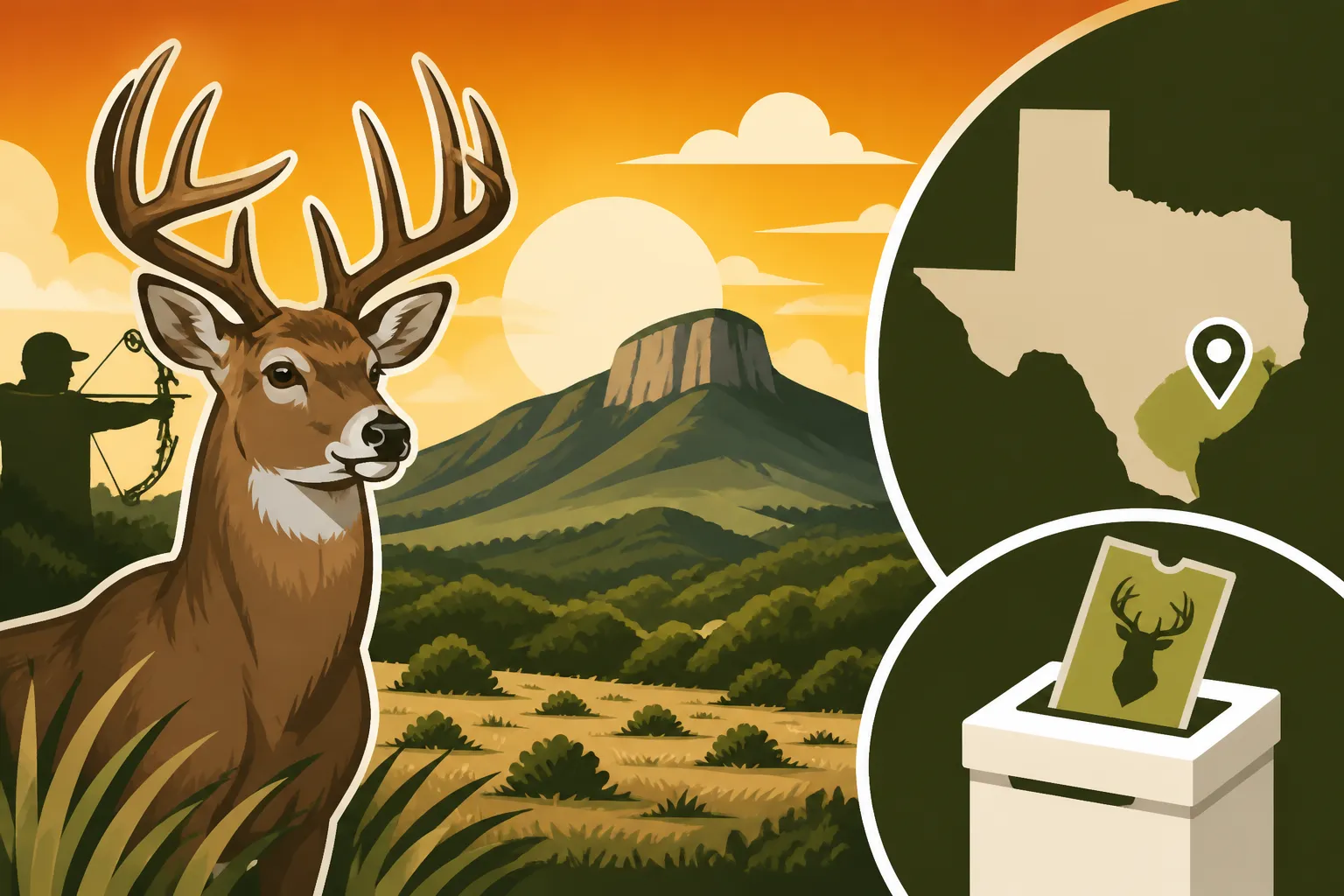
Mason Mountain WMA is exclusively accessible through the annual TPWD Drawn Hunt System. This means you can't just walk in with an Annual Public Hunting Permit; you have to apply for specific hunt categories and be selected. The process usually kicks off in mid-summer, with applications opening in July or August and continuing through various deadlines for different hunt types until late fall.
First, you'll need to create an account or log into your existing account on the TPWD website. From there, navigate to the public hunts section, which is where you'll find the drawn hunt application portal. You'll browse through the available hunts, filtering by WMA, species, and weapon type. Mason Mountain offers hunts for white-tailed deer (archery, general season, youth-only) and a variety of exotic species (either specific exotic species hunts or "exotics only" hunts). Each application costs a small fee, typically around $3-10, and you'll need to decide which hunt category you want to apply for. It's crucial to check the specific dates and bag limits for each hunt, as they can vary greatly year to year. You can apply for multiple hunt categories, but you can only be drawn for one hunt period at one WMA per year. Understanding the details can be a bit overwhelming, so a thorough read of the Texas Drawn Hunts: Public Hunt Draw System is highly recommended before you start.
Maximizing Your Odds and Understanding Preference Points
Let's be real: drawn hunts are competitive. But there are ways to improve your chances. TPWD uses a preference point system for many of its drawn hunts, including those at Mason Mountain WMA. For every year you apply for a specific hunt category and are not drawn, you earn a preference point for that category. The more preference points you have, the better your odds of being selected in subsequent years. This system rewards persistence, so don't get discouraged if you don't get drawn the first time! Many hunters apply for years, accumulating points, before finally getting that coveted tag.
Some hunts are classified as "Tier I" or "Tier II," with different odds based on their desirability and the number of points required. While you can apply for Tier I hunts, your best bet might be to focus on accumulating points for a few years to improve your chances significantly for those highly sought-after exotic or trophy white-tailed deer hunts. Researching past draw odds is key. Websites like GoHunt or even the TPWD's own historical draw statistics can give you an idea of how many points it might take to get a particular hunt. Don't forget that applying as a group can also slightly alter your chances, sometimes for the better, but it means if one person draws, the whole group draws. For an even deeper dive into this, check out Texas Drawn Hunt Odds: What Are Your Chances?.
Here’s a simplified breakdown of typical Mason Mountain WMA Drawn Hunt Categories:
| Hunt Category | Primary Species | Weapon Type | Typical Duration | Application Period Highlights | Notes |
|---|---|---|---|---|---|
| White-tailed Deer | White-tailed Deer | Archery/Firearm | 3-4 Days | July – September | Trophy and antlerless tags available |
| Exotic Deer | Axis, Sika, Fallow, etc. | Archery/Firearm | 3-4 Days | August – October | Excellent opportunity for unique trophies |
| Aoudad Sheep | Aoudad Sheep | Firearm | 3-4 Days | August – October | Challenging and rewarding hunt |
| Youth-Only Deer | White-tailed Deer | Archery/Firearm | 2-3 Days | July – August | Special hunts for young hunters |
Note: Specific hunt details, dates, and species may vary each year. Always refer to the official TPWD Drawn Hunt website for the most current information.
Practical Tips for Hunting Mason Mountain WMA
Once you've beaten the odds and drawn a tag for Mason Mountain WMA, the real planning begins. This isn't your backyard deer lease, so a bit of preparation and respect for the rules will go a long way in ensuring a successful and enjoyable trip.
Essential Gear and Scouting Advice
Because Mason Mountain is a public WMA, pre-scouting the actual hunting areas on foot can be limited or even prohibited outside of specific periods. This means you need to be extra resourceful with your scouting efforts. Rely heavily on satellite imagery and topographical maps. This is where a good hunting app like onX Hunt truly shines. You can mark potential water sources, bedding areas, and travel corridors from your couch, giving you a huge advantage when you finally set foot on the ground. Look for terrain features that might funnel animals, areas with diverse vegetation, or remnants of old fence lines that could serve as natural boundaries.
When it comes to gear, remember you're in the Hill Country, even if it's a managed area. Sturdy, comfortable hiking boots are a must. Snake boots are highly recommended, especially during warmer months, as the area is home to rattlesnakes. Lightweight, breathable camo that blends with the oak-juniper environment is ideal. Optics are crucial; a good pair of binoculars will help you pick apart the dense brush and locate game, especially if you're targeting exotics that can be more elusive. Don't forget essentials like a reliable compass or GPS, a headlamp, and plenty of water. Since you'll likely be hiking quite a bit, a comfortable hunting backpack is also a wise investment. Consider our guide on Best Snake Boots for Texas Hunting for recommendations.
Respecting Regulations and Ethical Hunting
Hunting on a WMA comes with specific rules and regulations that are often stricter than those on private land. Upon arrival, you'll need to check in at the WMA office. Pay close attention to the orientation and any specific instructions given by the staff. They're there to help and ensure everyone has a safe and ethical hunt. These rules typically cover things like designated parking areas, boundaries of huntable units, specific weapon restrictions for certain hunts, and mandatory check-out procedures, often including harvest reporting. For white-tailed deer, make sure you understand the Texas Antler Restrictions: The 13-Inch Rule Explained if it applies to Mason County.
Ethical hunting is paramount, especially on public land. This means knowing your effective range, making clean shots, and respecting other hunters. Mason Mountain WMA is a special place, and maintaining its integrity for future generations relies on every hunter's commitment to ethical practices and adherence to all TPWD regulations. Always double-check the harvest reporting requirements. For exotic species, rules can differ slightly from native game, so ensure you understand the specific tag and reporting procedures for whatever animal you're pursuing. Always consult the official TPWD Outdoor Annual or website for the most up-to-date regulations.
Planning Your Mason Mountain WMA Adventure
Drawing a tag for Mason Mountain WMA is just the first step. To truly make the most of your hunting adventure, you'll need to think about logistics, accommodations, and what to do if Mason Mountain isn't in the cards this year.
Accommodations and Nearby Amenities
Since Mason Mountain WMA is a drawn hunt area, camping on-site might be restricted or available only in designated areas. Always check the specific hunt details or contact the WMA office beforehand. If on-site camping isn't an option, the nearby town of Mason offers a few motels, bed and breakfasts, and even some short-term rental properties that cater to hunters and tourists. Mason is a classic small Texas town with a charming square, a few good local eateries, and essential services like gas stations and a grocery store where you can stock up on supplies.
Other nearby towns like Brady and Llano are also within a reasonable driving distance and can offer additional accommodation and dining options. Keep in mind that during peak hunting seasons, especially for popular drawn hunts, accommodations can fill up quickly, so booking well in advance is highly recommended. You'll want to ensure you have a comfortable place to rest after a long day of walking the rugged Hill Country terrain. Remember, cell service can be spotty in some parts of the WMA, so downloading offline maps on your onX Hunt app or similar navigation tool before you head out is a smart move.
Alternative Public Hunting Opportunities
If Mason Mountain WMA doesn't pan out this year, don't despair! Texas offers a surprising array of public hunting opportunities, especially in the Hill Country and other regions. The TPWD Annual Public Hunting (APH) Permit is an excellent investment for accessing many other WMAs and public hunting lands across the state without needing to apply for a drawn hunt. While these areas might not offer the same exotic diversity as Mason Mountain, they provide fantastic opportunities for deer, hog, dove, and other small game.
Consider looking into other WMAs in the Hill Country, such as Kerr WMA Hunting Guide or areas accessible through the APH permit. Many of these locations offer excellent hunting, though often with different regulations and species availability. The key is research; use the TPWD Public Hunting Lands map and resources from sites like GoHunt to explore all your options. Don't limit yourself to just one area; Texas is vast, and there are many hidden gems waiting to be discovered, even if you didn't draw that coveted Mason Mountain tag this time around. For a broader understanding of hunting in the region, take a look at our Hill Country Hunting in Texas guide.
Disclaimer
The information provided in this guide is for general informational purposes only and does not constitute legal advice. Hunting regulations, seasons, and access rules can change frequently. Always consult the official Texas Parks and Wildlife Department (TPWD) Outdoor Annual and website for the most current and accurate regulations before planning any hunting trip.