Texas Antler Restrictions: The 13-Inch Rule Explained
Trying to understand all the nuances of Texas hunting regulations can feel like wrangling a longhorn in a blizzard, especially when it comes to antler restrictions. Many hunters, new and seasoned, find themselves scratching their heads over what's legal and what's not, particularly with the infamous 13-inch rule. This guide is here to untangle the complexities, explain the rationale, and provide practical advice so you can confidently hit the woods without second-guessing your every decision.
Understanding Texas Antler Restrictions and the 13-Inch Rule
Texas is a vast state, and its deer herd management reflects that diversity. Unlike many other states with simple point restrictions, Texas introduced a more nuanced approach in many counties to address specific management goals. This system, while incredibly effective for enhancing the quality of the deer herd, can definitely cause some confusion for hunters trying to do the right thing.
What Exactly is the 13-Inch Rule?
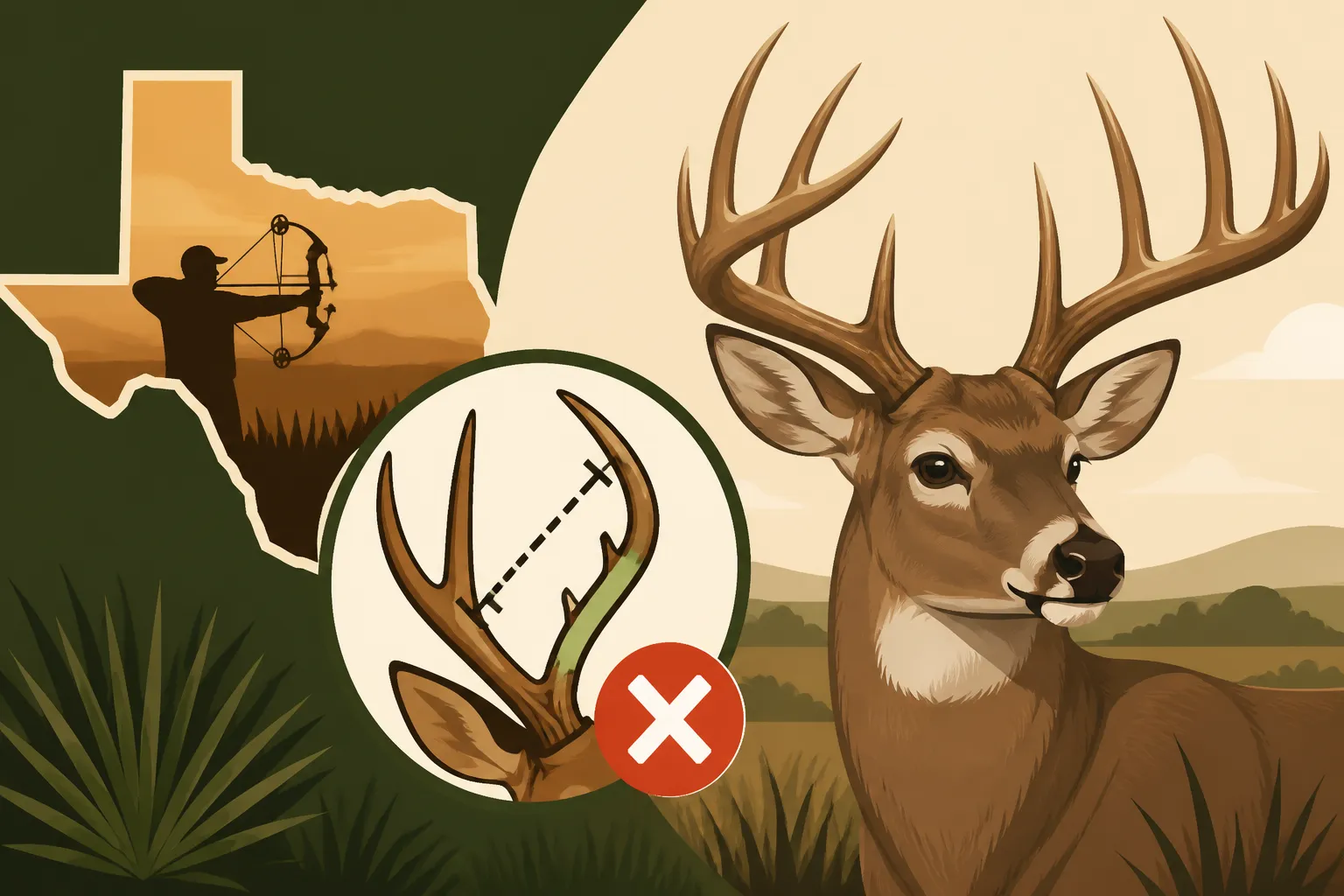
At its core, the 13-inch rule is a minimum main beam spread requirement for antlered bucks in certain counties. It's designed to protect younger bucks and allow them to mature, thereby improving the age structure and antler quality of the overall whitetail population. Specifically, for a buck to be legal under this rule, it must have an outside main beam spread of at least 13 inches or it must have an unbranched antler (a "spike" antler) at least three inches long.
Let's break that down:
- 13-inch outside spread: This means measuring the widest point between the two main beams of the antlers. If that distance is 13 inches or more, the buck is legal, regardless of the number of points.
- Unbranched antler (Spike): If a buck has at least one antler that does not branch (meaning no tines coming off the main beam) and that unbranched antler is at least three inches long, it is considered a legal spike buck. This is a critical distinction, as a buck with a single spike of three inches or more is legal even if its spread is less than 13 inches.
It’s easy to get hung up on counting points, but the 13-inch rule in many Texas counties moves beyond that. The intent isn't to create "trophy-only" hunting; it's about giving more bucks the chance to reach their genetic potential and ensuring a healthy, robust deer herd for future generations. For a comprehensive overview of how many deer you can take, check out the article on Texas Whitetail Bag Limit & Buck Rules.
The Philosophy Behind Antler Restrictions
You might wonder why Texas implemented such a specific and, at times, perplexing rule. The thinking behind antler restrictions, especially the 13-inch rule, is deeply rooted in modern wildlife management principles. Historically, hunters often targeted the largest antlered bucks, inadvertently removing the most mature animals from the herd. This practice can lead to a phenomenon known as "high grading," where the genetics for larger antlers and older age structures are progressively culled from the population.
The 13-inch rule was introduced to shift harvest pressure away from young, genetically superior bucks that might have smaller racks at age 1.5 or 2.5 but would develop into impressive animals later. By allowing these younger bucks to pass, they have the opportunity to reach an older age class (3.5, 4.5, or even 5.5 years old), which directly correlates with larger body size and, yes, bigger antlers. This approach helps create a more natural age structure in the buck population, leading to:
- Improved Buck-to-Doe Ratios: Fewer young bucks harvested means more bucks are available to breed, which can improve the timing and efficiency of the rut.
- Enhanced Genetic Potential: Allowing bucks with good genetics to mature and breed helps propagate those traits throughout the herd.
- Increased Hunter Satisfaction: More mature bucks generally lead to more challenging and rewarding hunting experiences.
- Healthier Does: When buck-to-doe ratios are balanced, does are bred more effectively, often resulting in healthier fawns born at optimal times.
It’s a long-term strategy that has shown significant success in many parts of the state, improving the overall quality of the deer herd by focusing on biological maturity rather than just arbitrary point counts.
Where Does the Rule Apply?
Texas is a huge state, and its diverse ecoregions necessitate different management strategies. The 13-inch rule, therefore, doesn't apply statewide. It's specifically implemented in many, but not all, counties across the state. Typically, you'll find these antler restrictions in the Post Oak Savannah, Pineywoods, Edwards Plateau (Hill Country), Cross Timbers, and South Texas Brush Country regions – basically, most of the prime whitetail habitat.
For example, counties like Webb, Dimmit, La Salle, and Maverick in South Texas, or Kerr, Mason, and Llano in the Hill Country, are well-known for operating under these antler restrictions. Hunters absolutely must consult the current Texas Parks and Wildlife Department (TPWD) Outdoor Annual each year to verify the specific regulations for their hunting county. Regulations can change, and what was legal last season might not be this season. There’s nothing worse than making an honest mistake because you didn’t double-check the rules. You can find detailed information on specific county regulations in the Texas Antler Restrictions: 13-Inch Rule & Counties article.
Understanding the specific zones and dates is also crucial, as seasons can vary. Take a look at Texas Deer Season 2026-2027: Dates by Zone to ensure you're hunting within the legal timeframes for your area.
How to Correctly Field Judge the 13-Inch Rule
This is where the rubber meets the road, or more accurately, the antlers meet the air. Field judging a buck for the 13-inch rule can be incredibly challenging, especially when a deer is on the move, at a distance, or in low light. It requires practice, patience, and a keen eye. Many a hunter has passed on a buck they thought was too small, only to realize later it was perfectly legal, or worse, taken a buck they thought was legal and found out it wasn't.
Key Measurement Points: Main Beam and Spread
The "outside main beam spread" is the crucial measurement. Imagine a horizontal line drawn from the outside edge of one main beam to the outside edge of the other main beam at their widest points. This is what needs to be at least 13 inches.
Here’s a breakdown of how to visualize this in the field:
- Identify the Main Beams: These are the primary antler structures that grow from the pedicles on the buck's head. Tines typically branch off from these.
- Locate the Widest Point: This isn't always at the antler tips. Sometimes it's near the bases, sometimes it's mid-beam. You need to estimate the absolute widest horizontal spread between the two main beams.
- Use Ear Width as a Reference: This is the most common field judging trick. The average mature whitetail buck's ears, when alert and pointed forward, are typically about 13 to 15 inches wide from tip to tip. This isn't a perfect science, as ear positions can change, but it's a solid starting point.
- If the antlers extend noticeably outside the ears: Good chance it's 13 inches or more.
- If the antlers are just inside the ears, or barely match the ear width: This is your danger zone, and you need to be very careful.
- If the antlers are clearly inside the ears: It's likely under 13 inches.
Remember, the other part of the rule: the unbranched antler. If a buck has at least one spike that's 3 inches or longer and doesn't branch, it's a legal buck regardless of spread. So, if you see a young buck with two small spikes, but one is at least 3 inches long and truly unbranched, it's a legal harvest. This is vital to keep in mind, as it helps differentiate a small-antlered mature buck from a young buck that might need to be passed. The article How to Field Judge a 13-Inch Buck provides even more practical tips.
Practicing with Visual Cues
Improving your field judging skills takes dedicated practice, not just in the blind but also at home.
- Study Photos and Videos: Look at countless images and videos of Texas whitetails. Pay close attention to ear width relative to antler spread. Try to mentally "measure" the bucks you see online or in hunting shows.
- Use Binos and Spotting Scopes: Get comfortable with your optics. Good quality binoculars or a spotting scope can make a huge difference in making an accurate judgment. Spend time glassing deer before the season to hone your eye. Practice estimating distances and sizes through your glass.
- Physical Aids (Before the hunt): While you can't carry a tape measure into the field to check a live deer, you can practice with deer mounts, shed antlers, or even photos. Measure various bucks you know the actual spread of and compare it to your visual estimation using the ear-width trick. Many hunters will even mark their rifle scope or bino straps with a reference point to visually approximate 13 inches at a known distance.
- Observe Live Deer: During the off-season or even early in the season, spend time observing deer. Watch how their ears move, their body language, and how their antlers appear from different angles and distances. This builds an intuitive understanding.
Common Mistakes and How to Avoid Them
- Rushing the Shot: This is probably the biggest culprit for violations. Excitement and adrenaline can make a 10-inch spread look like 15. Take a deep breath, verify your target, and make a clear judgment before squeezing the trigger. If you have any doubt, pass.
- Judging at Too Great a Distance: The further the deer, the harder it is to accurately judge spread. If you can't get a clear, confident read, try to close the distance or wait for the buck to move closer.
- Poor Lighting Conditions: Dusk and dawn, while prime hunting times, can play tricks on your eyes. Antlers can appear larger or smaller than they are. Avoid making a judgment in heavy shadows or when the light is fading quickly.
- Focusing on Points, Not Spread: Remember, the rule is about spread or a legal spike. A buck with six points but only a 10-inch spread is illegal (unless it’s a legal spike). A two-point buck with a 14-inch spread is legal. Shift your mindset away from point counting for these specific counties.
- Ignoring the Spike Exception: Don't forget that if a buck has at least one unbranched antler 3 inches or longer, it's legal. Many hunters mistakenly pass these bucks because they perceive them as "small." This exception is specifically designed to allow for harvest of genetically inferior bucks that may never develop large antlers, regardless of age.
Navigating Antler Restriction Counties and Exceptions
The Texas antler restriction system isn't a one-size-fits-all approach, and that's a good thing for localized deer management. However, it means hunters need to be extra diligent in understanding where and when these rules apply, as well as the specific situations that allow for exceptions.
Identifying Counties with the 13-Inch Rule
As mentioned earlier, the 13-inch rule is not statewide. It applies to most, but not all, counties in the Edwards Plateau, Cross Timbers, Post Oak Savannah, Pineywoods, and South Texas ecoregions. The absolute best way to confirm if your hunting county is under the 13-inch rule is to consult the official TPWD Outdoor Annual. This publication is updated annually and provides a comprehensive list of county-specific regulations, including antler restrictions, bag limits, and season dates. You can also find this information on the TPWD website.
It’s crucial to remember that a county can be divided into zones with different regulations, or the rules might apply differently on public vs. private land. Always cross-reference your exact hunting location with the current year's regulations. Misinformation or outdated advice from a buddy can lead to serious consequences.
The Youth and Spike Buck Exception
Texas Parks and Wildlife recognizes the importance of youth involvement in hunting and also aims to manage the herd effectively. To that end, there are specific exceptions to the antler restrictions:
- Youth Hunters: In counties under the 13-inch rule, youth hunters (typically under 17 years of age, but always check the specific age in the Outdoor Annual) are generally exempt from the antler restrictions. This means a youth hunter can legally harvest any antlered buck, regardless of spread or number of points, as long as it has at least one hardened antler. This exception is designed to provide a positive and encouraging hunting experience for young people, removing some of the pressure of complex field judging. It also supports participation in events like the Texas Youth Hunting Weekend Dates.
- Spike Buck Allowance: This is a fundamental part of the 13-inch rule itself, not just an exception. As discussed, if a buck has at least one unbranched antler that is 3 inches or longer, it is a legal buck. This allows for the harvest of young bucks that may not be genetically predisposed to grow large antlers, or older bucks whose antler growth has declined. This "spike" rule helps remove less desirable genetics from the breeding pool while still allowing for harvest opportunities.
These exceptions are vital components of the antler restriction system, balancing harvest opportunity with herd management objectives.
Managed Lands Deer Program MLDP Exemptions
For landowners committed to intensive deer management, the Managed Lands Deer Program (MLDP) offers significant flexibility in exchange for data collection and habitat improvement. Properties enrolled in the MLDP are exempt from county antler restrictions and are instead issued specific harvest recommendations and tags by TPWD biologists.
Here's how MLDP works and why it's a huge deal for participating landowners and hunters:
- Tailored Management Plans: TPWD biologists work with landowners to develop custom harvest plans based on detailed surveys of their specific deer herd and habitat. This allows for a more precise management approach than statewide or county-wide regulations.
- Extended Season Lengths: MLDP properties often receive significantly extended hunting seasons, allowing more time to meet harvest objectives.
- Property-Specific Tags: Instead of traditional county tags, MLDP properties are issued specific antlered and antlerless tags to be used exclusively on that property. These tags supersede public harvest limits and antler restrictions.
- Data Collection Requirements: In return for this flexibility, landowners must collect and submit harvest data (age, weight, antler measurements) to TPWD. This data is invaluable for monitoring herd health and refining management strategies.
If you're hunting on a property enrolled in the MLDP, you are typically not subject to the 13-inch rule, but rather the specific instructions and tags provided for that lease. It's imperative to confirm with the lease holder or outfitter that they are part of the MLDP and understand the specific rules for that property. The article on MLDP Tags in Texas: How They Work provides more details on this excellent program. This program is a cornerstone of responsible deer management in Texas, allowing for finer-tuned adjustments to herd dynamics and antler quality.
The Impact of Antler Restrictions on Texas Deer Hunting
The implementation of antler restrictions, particularly the 13-inch rule, has profoundly reshaped deer hunting in Texas. It's not just about what you can shoot; it's about a fundamental shift in how hunters perceive and interact with the deer herd, leading to noticeable improvements in quality and experience across much of the state.
Herd Health and Buck Age Structure Improvement
One of the most undeniable benefits of antler restrictions has been the significant improvement in the age structure of the buck population. Before the 13-inch rule, many bucks were harvested at 1.5 or 2.5 years old, often before they had a chance to fully mature. Now, in counties with the restriction, hunters are seeing a noticeable increase in the number of 3.5, 4.5, and even 5.5-year-old bucks.
- Older Bucks, Bigger Bucks: It's a biological fact: older bucks generally have larger bodies and larger antlers. By allowing younger bucks to mature, the overall average antler size and body weight have increased in many areas.
- Balanced Sex Ratios: With more bucks surviving to older age classes, the buck-to-doe ratio tends to become more balanced. This isn't just about hunter preference; it's crucial for herd health. A more balanced ratio means more does are bred by mature bucks, leading to healthier fawns and a more condensed, efficient rut.
- Improved Genetics: While antler restrictions don't directly change genetics, they allow the expression of good genetics. By protecting younger bucks that might have future trophy potential, and by allowing older, genetically superior bucks to breed more effectively, the overall genetic quality of the herd can improve over time. This makes for a healthier and more resilient deer population.
This management strategy has contributed greatly to the reputation of Texas as a premier destination for White-Tailed Deer Hunting in Texas: Complete Guide.
Hunter Adaptations and Ethical Considerations
The 13-inch rule has certainly demanded adaptation from Texas hunters. The days of simply shooting the first legal buck you see are often gone in these counties.
- Increased Field Judging Skills: Hunters have been forced to become much better at field judging. This means spending more time observing deer, understanding antler development, and practicing with optics. It adds another layer of challenge and skill to the hunt, which many seasoned hunters appreciate.
- Patience and Discipline: Passing on a borderline buck requires significant patience and discipline. It's often difficult to let a deer walk, especially when you've been sitting for hours. However, the reward of seeing those bucks mature into impressive animals in subsequent seasons is a strong motivator.
- Ethical Hunting: The rule reinforces ethical hunting practices. It encourages hunters to be sure of their target and to make an informed decision before taking a shot. It fosters a sense of stewardship for the resource, knowing that passing a young buck today contributes to a healthier herd tomorrow.
- Technological Aids: The increased need for accurate identification has driven many hunters to utilize tools like high-quality binoculars, spotting scopes, and increasingly, Best Cellular Trail Cameras for Texas (2027) to scout and monitor deer movement and antler development before and during the season. This allows for better pre-season planning and in-the-field decision-making.
Economic and Recreational Implications
The success of antler restrictions has had ripple effects beyond just the deer herd.
- Boost to Hunting Tourism: With the reputation for producing more mature bucks, Texas continues to be a highly sought-after hunting destination. This draws hunters from across the state and the nation, boosting local economies in rural areas through outfitter services, lodging, restaurants, and retail.
- Value of Leases: The perceived value of hunting leases in antler-restricted counties has often increased, reflecting the improved quality of hunting opportunities. Landowners benefit from this, which in turn can incentivize them to invest further in habitat management. If you're looking for a lease, understanding Hunting Leases in Texas: Complete Guide (Cost & How to Find) is crucial.
- Increased Engagement with TPWD: Hunters are more engaged with TPWD regulations and educational materials, which is a positive outcome for conservation efforts. This continuous learning helps hunters become better informed stewards of wildlife. The Texas Hunting License: Cost, Types & How to Buy (2026) is your first step to participation.
- Shift in Hunting Culture: There's been a subtle but significant shift in hunting culture, moving towards a greater appreciation for herd management and sustainable harvesting. It's less about "getting something" and more about contributing to the long-term health of the resource.
Consequences of Violating Antler Restrictions
It's one thing to accidentally misjudge a buck's spread in the heat of the moment, and it's another to knowingly disregard regulations. Either way, violating Texas antler restrictions carries serious legal ramifications. Ignorance of the law is generally not considered an excuse, so understanding the potential consequences is as important as understanding the rule itself.
Legal Ramifications and Penalties
Harvesting a buck that does not meet the 13-inch outside main beam spread rule (and is not a legal spike or covered by an MLDP exemption) can result in significant penalties. These aren't just minor slaps on the wrist; they can impact your hunting privileges and your wallet for years to come.
- Fines: The most immediate consequence is typically a hefty fine. This can range from several hundred to over a thousand dollars, depending on the severity of the violation and any additional charges. For example, if you also illegally tagged the deer or didn't have the proper license, additional fines would apply.
- Hunting License Suspension: This is often the most impactful penalty for avid hunters. A conviction for violating antler restrictions can lead to a suspension of your Texas hunting license, and potentially your fishing license, for a period ranging from one year to several years. This means you would be legally prohibited from hunting any game in Texas during that time.
- Loss of Hunting Equipment: In some cases, game wardens may have the authority to seize hunting equipment, including your firearm, vehicle, or other gear used in the commission of the offense.
- Mandatory Hunter Education: While not always the case, a judge may also require you to retake a hunter education course.
- Civil Restitution: Beyond fines, you may also be assessed civil restitution for the value of the unlawfully taken game animal. The state places a monetary value on each game species, and you would be required to compensate for that loss.
- Criminal Record: Depending on the specific circumstances and the judge's discretion, a violation could result in a misdemeanor charge, which would go on your criminal record.
These penalties are designed to be a strong deterrent and to reinforce the importance of responsible hunting and compliance with wildlife laws. Remember, game wardens are highly trained and dedicated professionals who work tirelessly to protect Texas's natural resources. They take these violations very seriously.
The Importance of Knowing Your Regulations
The onus is entirely on the hunter to know and understand the current hunting regulations for the area they are hunting. This isn't just good practice; it's a legal requirement.
- Annual Review of the Outdoor Annual: Every year, before you even step foot in the woods, you should thoroughly review the most current Texas Parks and Wildlife Department Outdoor Annual. This is your bible for regulations, season dates, bag limits, and county-specific rules. Don't rely on last year's knowledge or hearsay.
- Check County-Specific Rules: Double-check the regulations for your specific county. What applies in one county might not apply in an adjacent one. For example, the rules for Webb County Antler Restriction & Bag Limit might differ from those in the neighboring county.
- Understand MLDP Rules: If you're hunting on a Managed Lands Deer Program property, ensure you understand the specific harvest instructions and tag usage for that lease. These supersede general county rules.
- Ask Questions: If you have any doubt or confusion about a regulation, contact TPWD directly. Their game wardens and wildlife biologists are there to help clarify the rules and prevent violations. It's always better to ask beforehand than to face consequences later.
- Ethical Responsibility: Beyond the legal aspects, knowing the rules is an ethical responsibility. As hunters, we are stewards of the wildlife resource. Upholding regulations ensures sustainable hunting practices and preserves the tradition for future generations. Failing to do so can damage the reputation of all hunters.
The state also has rules for dealing with diseases like CWD. Understanding CWD in Texas: Zones, Rules & Carcass Transport is vital to prevent its spread.
Tips for Staying Compliant and Making Smart Decisions
Navigating antler restrictions, especially the 13-inch rule, might seem daunting, but with a strategic approach and a commitment to responsible hunting, it's entirely manageable. Here are some actionable tips to help you stay compliant and make smart decisions in the field.
Scouting and Trail Camera Usage
Preparation before the season opens is perhaps the single most effective way to improve your chances of identifying legal bucks and making quick, confident decisions.
- Extensive Pre-Season Scouting: Spend time in your hunting area well before the season. Look for deer sign, identify travel corridors, bedding areas, and food sources. This helps you understand the local deer population, including the caliber of bucks in the area.
- Strategic Trail Camera Placement: This is where modern technology truly shines. Deploying How to Pattern Bucks With Trail Cameras at feeders, water sources, and pinch points allows you to gather intel on individual bucks. You can get clear pictures and videos, often with multiple angles, which are invaluable for accurately judging antler spread and point configuration.
- Get Measurement References: If possible, place a known measurement marker (like a yardstick or a piece of rebar with 13-inch marks) near your feeder or trail camera setup. When a buck walks past it, you’ll have a direct reference for its antler spread.
- Identify Specific Bucks: Over time, you can often identify individual bucks, track their growth year after year, and determine if they meet the legal requirements before you even set foot in the stand on opening day.
- Check Feeders: Knowing the best way to maintain these can give you better insights into what deer are around. Consider guides like Best Deer Feeder Setup for Texas for optimizing your scouting efforts.
- Study Your Camera Photos: Don't just glance at the photos. Zoom in, analyze antler characteristics, and make notes on specific bucks you've identified. This mental catalog will serve you well in the field.
When in Doubt, Let Him Go
This is perhaps the most critical piece of advice for hunting in antler-restricted counties: If you have any doubt, let the buck walk. The momentary disappointment of passing a buck pales in comparison to the fines, license suspension, and legal hassle of mistakenly harvesting an illegal animal.
- Err on the Side of Caution: It's far better to pass on a buck that might have been legal than to shoot one that clearly isn't. The deer will likely still be there next year, possibly bigger and more mature.
- Don't Let "Ground Shrinkage" Fool You: This is a common phenomenon where a buck's antlers seem to shrink once it's on the ground. This often happens because adrenaline and excitement in the field can distort your perception of size. What looked 13 inches standing might look 11 inches on the ground.
- Consider Your Shooting Skills: If a shot presents itself quickly or at a difficult angle, and you can't get a clear, confident view for field judging, it's another reason to hold off. A responsible hunter ensures both a clean kill and a legal harvest.
Remember, the goal is not just to kill a deer, but to hunt ethically and legally, contributing to the healthy management of the Texas deer herd.
Utilizing Resources: TPWD Outdoor Annual
The Texas Parks and Wildlife Department (TPWD) is your primary and most reliable source for all hunting regulations in the state. They invest significant resources into providing clear, accessible information, and it's your responsibility to use it.
- Online Outdoor Annual: The TPWD website hosts the entire Outdoor Annual, which is regularly updated. You can easily search for specific counties, species, and regulations. It’s always available on your phone or tablet in the field.
- Printed Outdoor Annual: Pick up a physical copy wherever hunting licenses are sold. Many hunters find it easier to flip through and highlight important sections. Keep a copy in your truck or hunting camp.
- TPWD Mobile App: The "Outdoor Annual" app (available for iOS and Android) is an incredibly convenient tool. It provides all the regulations, sunrise/sunset times, and even allows you to look up game wardens' contact information for your specific county.
- Contact Game Wardens or Biologists: Don't hesitate to call your local game warden or TPWD biologist if you have specific questions or need clarification on a tricky regulation. They are a valuable resource and would much rather answer a question than investigate a violation.
By combining thorough scouting, disciplined decision-making, and consistent reference to official resources like the Texas Hunting Seasons: Complete Calendar by Species, you can confidently navigate the Texas antler restrictions and enjoy a successful and legal hunting season. Remember, being a responsible hunter means being an informed hunter.
Disclaimer
Please note: The information provided in this guide is intended for general informational purposes only and does not constitute legal advice. Hunting regulations in Texas are complex and subject to change. It is the individual hunter's responsibility to consult the current year's official Texas Parks and Wildlife Department Outdoor Annual or website, and any local regulations, before hunting. Failure to comply with all applicable laws and regulations can result in severe penalties.