Hunting Near Laredo, Texas
Trying to navigate the vast, often intimidating world of hunting in South Texas, especially around a hub like Laredo, can feel like trying to find a needle in a haystack—a very thorny haystack at that. The reputation of this region for incredible wildlife, particularly big whitetail bucks, is legendary, but gaining access and understanding the unique challenges can be daunting for anyone not intimately familiar with the brush country. This guide aims to demystify hunting near Laredo, offering practical insights into game, access, tactics, and what you’ll need to make your hunt a success in this iconic part of Texas.
Understanding the Laredo Hunting Landscape
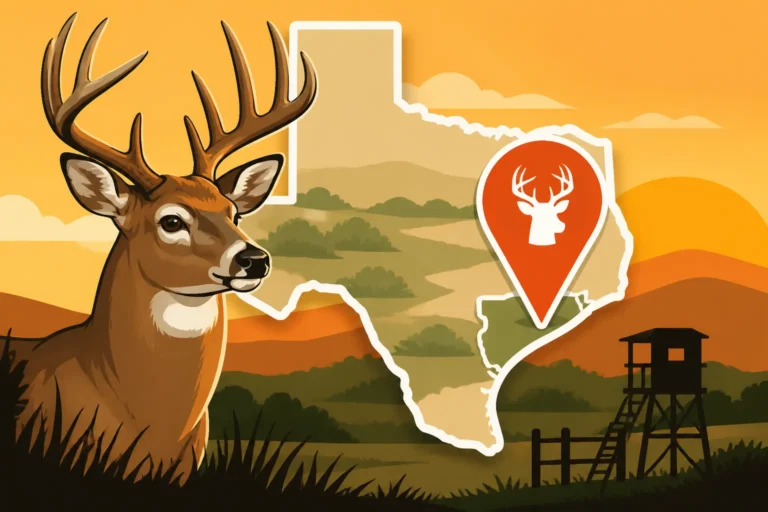
Laredo sits right in the heart of what many hunters affectionately call the "Brush Country" or "Golden Triangle" of South Texas. This region is famous worldwide for producing some of the largest white-tailed deer, but its unique ecosystem also supports a rich variety of other game. However, it's not a place you just "show up" and start hunting; a little understanding goes a long way.
The Allure of South Texas Brush Country
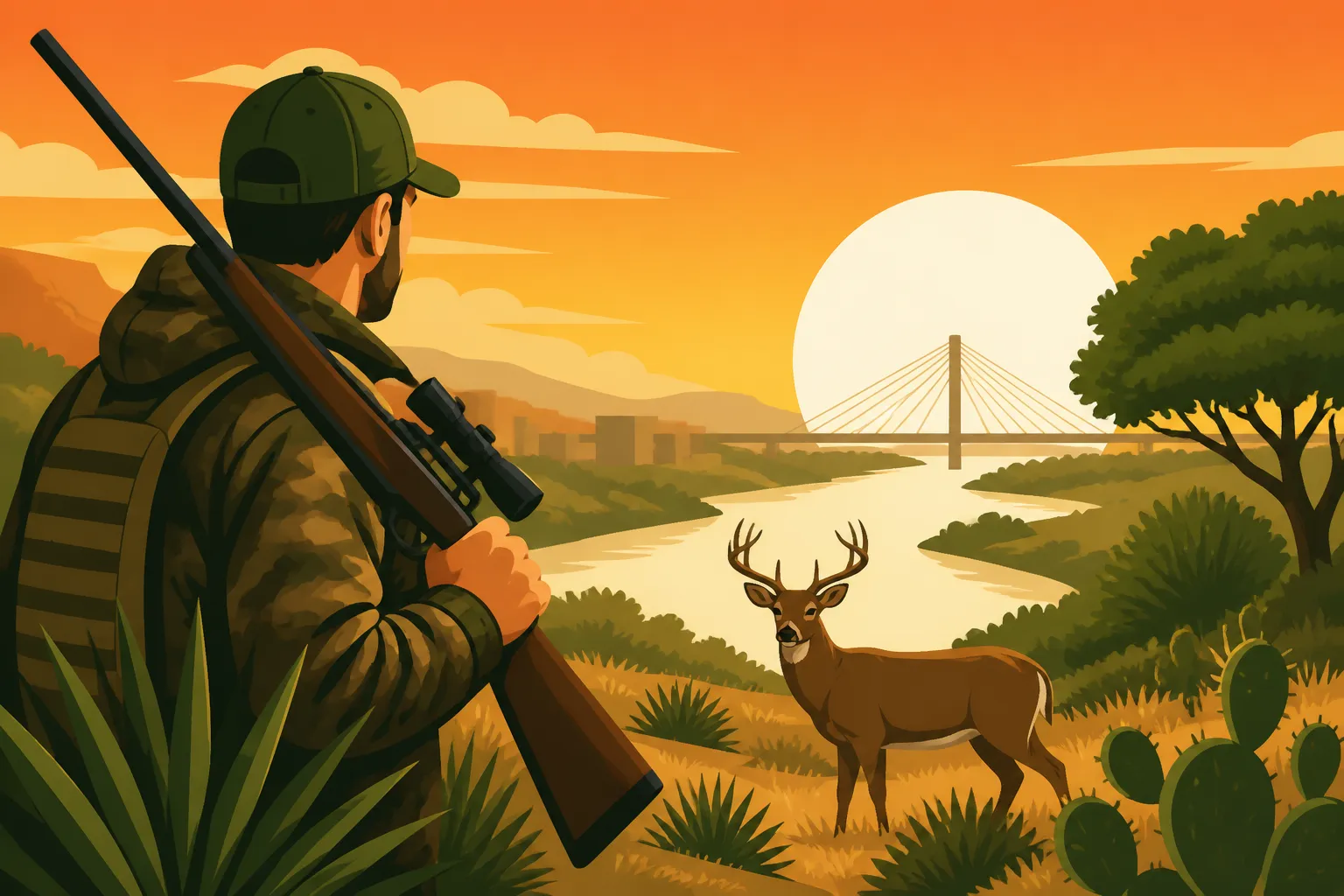
The South Texas brush country, encompassing counties like Webb, La Salle, Dimmit, and Maverick, is a unique ecosystem characterized by its dense, thorny vegetation, mesquite flats, and intermittent senderos. It’s a harsh environment, but this very harshness contributes to the incredible quality of its wildlife. The nutrient-rich soils, despite the arid conditions, support a browse that is highly beneficial for antler growth and overall animal health, especially for white-tailed deer. When you hear tales of monster bucks, chances are good they originated from this very region. The sheer density of the cover means animals often grow old and wise, providing an immense challenge for even seasoned hunters. It's not uncommon to spend hours scanning through the thick brush, knowing a trophy buck could be just yards away, perfectly hidden. The excitement of hunting in this unforgiving yet rewarding terrain is truly unparalleled, making it a bucket-list destination for many.
Primary Game Animals in the Laredo Area
While whitetail deer are undoubtedly the stars of the show, the Laredo region boasts a diverse cast of huntable species.
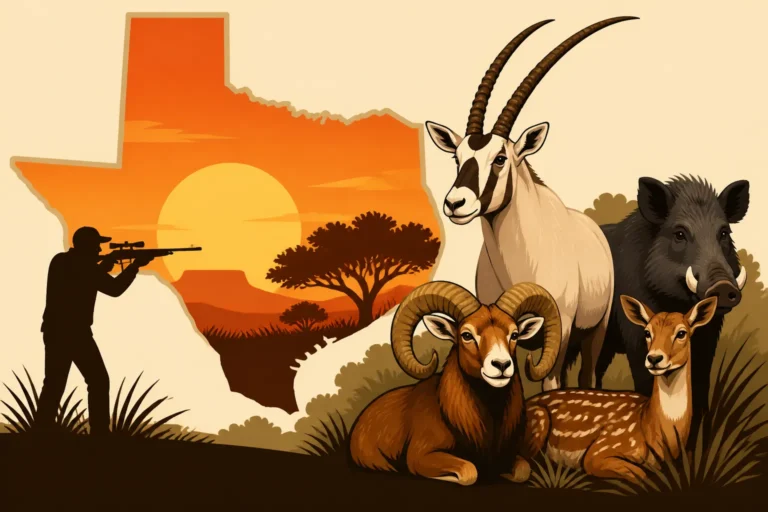
When people talk about South Texas Trophy Whitetail: Brush Country Bucks, they're often talking about the deer found in Webb County, right around Laredo. These deer benefit from excellent genetics and the nutritional benefits of the native browse. Beyond the whitetails, you’ll find a robust population of feral hogs, which are present year-round and offer excellent hunting opportunities, often serving as a bonus animal on deer leases. Javelina, those quirky collared peccaries, are also common and provide a unique hunting experience with their distinct habits. For bird hunters, the region can be fantastic for both mourning and white-winged dove, especially during the early season, as well as bobwhite quail. While not as prevalent directly in Laredo, some nearby ranches further south and east might also offer opportunities for exotics like nilgai, especially closer to the coast, or axis deer. Understanding which species are most abundant and popular will help you narrow down your hunting goals.
Land Access: Leases, Outfitters, and Day Hunts
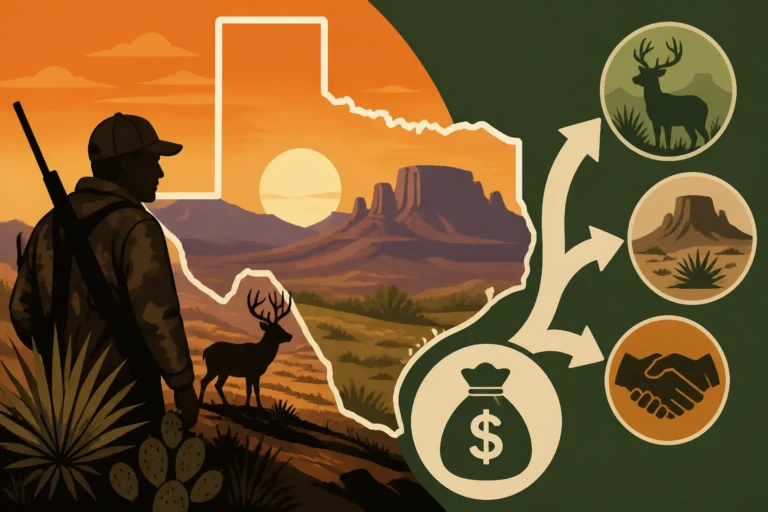
Let's be real: public land hunting opportunities directly adjacent to Laredo are extremely limited. Texas is overwhelmingly private land, and the prime hunting grounds here are no exception. This means that securing access usually involves either a hunting lease, booking with an outfitter, or opting for a day hunt. Hunting leases are the bread and butter for many Texans, offering exclusive access to a tract of land for an entire season or year. These can range from raw land with basic improvements to turnkey operations. If you're considering a lease, check out our guide on Hunting Leases in Texas: Complete Guide (Cost & How to Find). For those coming from out of state or with limited time, booking with a reputable outfitter or guide service is often the best route. They handle the logistics, provide lodging, meals, and guides, maximizing your chances of success. Finally, day hunts are becoming increasingly popular, especially for species like hogs, javelina, or dove, offering a more affordable, short-term option without the commitment of a full season lease. Regardless of your choice, expect to invest in access; the quality of hunting in this region commands it.
Essential Strategies for Hunting Near Laredo
Hunting in the Laredo area isn't just about showing up; it's about understanding the unique environment and adapting your strategies to increase your chances of success. The dense brush, the animal behavior, and even the weather all play a significant role.
Deer Hunting Tactics for Webb County Whitetails
Hunting whitetail deer in the thick South Texas brush is an experience unlike any other. Forget wide-open fields; here, visibility can be limited to mere yards in many places. Most deer hunting near Laredo revolves around strategically placed feeders and blinds. Spin-cast feeders dispensing corn or protein are common, often programmed to go off twice a day, usually in the morning and late afternoon, drawing deer to specific locations. Blinds, whether comfortable elevated box blinds or simple ground blinds, provide concealment and a shooting rest. Patience is paramount, as deer often emerge cautiously from the thick cover. Still-hunting or rattling can also be effective, especially during the rut, but require intimate knowledge of the terrain and deer movement. For a deeper dive into these methods, consider our resource on Deer Hunting in Texas: Feeders, Blinds & Tactics. You might also find that understanding The Texas Rut: When Do Bucks Rut by Region? is crucial for planning your trips to coincide with peak deer activity, which in South Texas typically runs from mid-December through January, often a bit later than other parts of the state.
Managing Feral Hogs and Javelina
Feral hogs are an ever-present force in the Laredo area, offering year-round hunting opportunities with no closed season or bag limits on private land. They can be incredibly destructive to habitat and crops, making their removal a service to landowners. Hunting hogs often happens similarly to deer, over feeders, but also involves targeted night hunting with thermal optics or even trapping. Their nocturnal habits make thermal a game-changer. Javelina, while smaller and less destructive, are also frequently hunted and provide a different challenge. They typically travel in small herds and can be found foraging in the brush. Both species offer excellent meat if properly field dressed and cooled, and provide thrilling action when deer hunting slows down. To learn more about tackling these tough customers, check out our comprehensive Feral Hog Hunting in Texas: Year-Round Guide. Remember, for both hogs and javelina, shot placement is key due to their robust bone structure and vital organ placement.
Dove and Quail Hunting Considerations
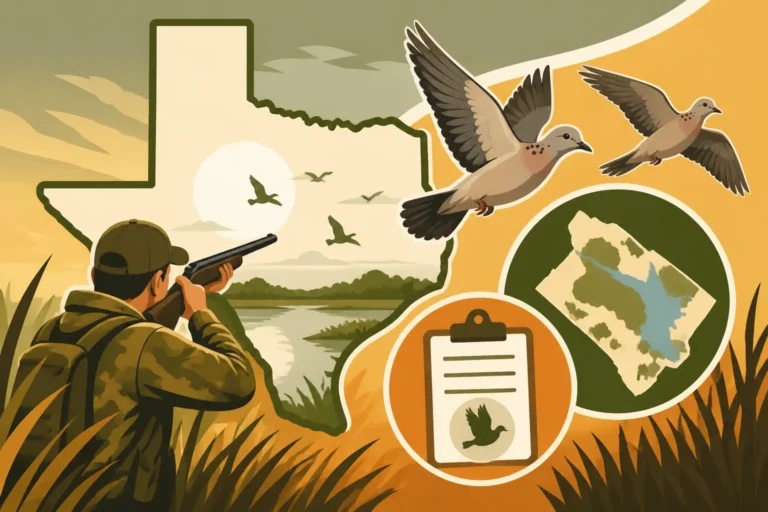
When September 1st rolls around, a different kind of hunter descends upon the Laredo area: the dove hunter. The region, particularly the fields surrounding Laredo, can offer some truly spectacular dove hunting, especially for white-winged doves. Setting up on a harvested grain field, near a water source, or along a known flight path is key. Dove hunting is fast-paced, action-packed, and a fantastic way to kick off the hunting season. You’ll want plenty of shells and a good cooler! For detailed strategies, our guide on Dove Hunting in Texas: The Sept 1 Opener Guide is a must-read. Quail hunting, primarily for bobwhite quail, can also be excellent in the Laredo brush country, though populations can fluctuate year-to-year based on rainfall. This typically involves walking through senderos and brush with well-trained bird dogs. Both require different approaches than deer or hog hunting, focusing more on bird movement patterns and strategic field setups.
Gear and Preparation for the South Texas Environment
The South Texas brush country around Laredo is beautiful but unforgiving. The right gear isn't just a convenience; it's a necessity for comfort, safety, and success. Preparing adequately for the unique challenges of this environment will make or break your hunt.
Must-Have Gear for Brush Country Hunting
When you're slogging through dense, thorny brush, your gear takes a beating, and your body needs protection. First and foremost, snake boots are non-negotiable. The region is home to plenty of rattlesnakes, and a good pair of Best Snake Boots for Texas Hunting can literally save your hunt—or worse. Long-sleeved shirts and durable pants are essential to protect against thorns and insects, even in warm weather. A reliable backpack for water, snacks, and any game you might harvest is also key. For deer hunting, a quality rifle or bow suitable for medium to long-range shots is standard, along with good binoculars and a rangefinder. If you plan on any night hunting for hogs, a quality thermal scope like those from Pulsar or AGM is a game-changer. Don't forget a sturdy knife for field dressing, and plenty of water, especially during the warmer early season hunts.
Navigating and Scouting with Technology
In the vast, often unmarked private lands of South Texas, technology can be your best friend. GPS-enabled hunting apps like onX Hunt or GoHunt are incredibly valuable. They allow you to see property lines, landowner information, topo maps, and satellite imagery, helping you navigate accurately, understand your boundaries, and identify potential game corridors or water sources. Many hunters use these tools to scout remotely before they even step foot on the land, or to mark feeders, blinds, and game sightings. Our comparison of onX Hunt vs HuntStand: Best App for Texas? can help you choose the right one for your needs. Trail cameras are another vital tool for scouting, allowing you to pattern deer movement, identify specific bucks, and monitor hog activity without constant physical presence. A cellular trail camera can send real-time photos to your phone, giving you up-to-the-minute intel on what's happening at your feeder or scrape.
Dealing with Texas Heat and Wildlife
The Laredo area can be brutally hot for much of the hunting season, especially during the early dove season and throughout the fall. Staying hydrated is paramount; carry more water than you think you'll need. Proper clothing, like light, breathable fabrics, can help manage body temperature. Even during deer season, daytime temperatures can be surprisingly warm, making quick field dressing and cooling of game critical. Our guide on How to Cool a Deer Fast in Texas Heat offers essential advice. Beyond the heat, you'll encounter a variety of wildlife besides your target species. Be aware of venomous snakes, spiders, and scorpions. Ticks are also prevalent, so regular checks and repellents are a must. Respecting the local ecosystem and taking precautions will ensure a safer, more enjoyable experience in the wild South Texas landscape.
Important Regulations and Ethical Considerations
Hunting in Texas, especially near Laredo, requires adherence to specific regulations that can vary by county and species. Understanding these rules is not just about avoiding legal trouble; it’s about responsible wildlife management and ensuring the longevity of our hunting heritage.
Understanding Local Deer Antler Restrictions
One of the most significant regulations for deer hunting in the Laredo area, and indeed much of South Texas, involves antler restrictions. Many counties in this region, including Webb County, operate under the 13-inch rule, sometimes combined with specific points rules. This regulation aims to protect younger bucks and allow them to reach older age classes, thereby improving the overall quality of the herd. Essentially, you cannot harvest a buck unless it has at least one unbranched antler, or an inside spread of 13 inches or greater. This means hunters must be able to accurately field judge a buck's antlers before taking a shot, which can be challenging in dense brush or low light. Misjudging can lead to a citation. Our detailed explanation of Texas Antler Restrictions: 13-Inch Rule & Counties can provide a deeper understanding of these crucial rules, which are paramount to hunting legally and ethically in the Laredo area.
License Requirements and Harvest Reporting
Before you even step foot in the South Texas brush, you need to ensure you have the appropriate Texas hunting license. For most resident hunters, a Super Combo license covers a wide range of species, but endorsements for migratory birds (like dove) and federal duck stamps are also required for specific game. Non-residents have different license options, so it's vital to choose correctly. You can find comprehensive details on Texas Hunting License: Cost, Types & How to Buy (2026). Beyond licensing, harvest reporting is a critical part of wildlife management. For certain species, particularly deer and turkey in many counties, hunters are required to report their harvest to the Texas Parks and Wildlife Department (TPWD) through the My Texas Hunt Harvest app or website. This data helps biologists monitor populations and set future regulations. Make sure you understand How to Report Your Harvest in Texas for your specific game and location, as failure to report can result in penalties.
Respecting the Land and Its Wildlife
Hunting is more than just harvesting an animal; it's about being a steward of the land and its resources. When hunting on a lease or with an outfitter near Laredo, always adhere to the specific rules set by the landowner or guide. This often includes designated hunting areas, vehicle use restrictions, and ethical shot placement. It's crucial to leave no trace, packing out all trash and respecting the natural beauty of the brush country. Practice ethical hunting by ensuring clean, humane kills and following up on every shot. For any exotic species you might encounter, such as Axis deer, remember that while often hunted year-round with no bag limits on private land, they still deserve the same respect and ethical treatment as native species. Engaging in responsible hunting practices not only ensures a positive experience for yourself but also upholds the positive image of hunters and helps maintain healthy wildlife populations for future generations to enjoy.
Key Game Species & Hunting Information Near Laredo
| Species | Primary Season (General) | Typical Hunting Method | License Required | Notes |
|---|---|---|---|---|
| White-tailed Deer | Nov – Jan | Feeder/Blind, Rattling/Grunging | General Hunting License | Subject to antler restrictions (e.g., 13-inch rule in Webb County). Peak rut mid-Dec to Jan. |
| Feral Hog | Year-round | Feeder, Thermal/Night Hunting, Trapping | No license required for depredation on private land with landowner consent. | No closed season or bag limit on private land. Highly destructive, target year-round. |
| Javelina | Oct – Feb (check specific) | Spot & Stalk, Feeder/Blind | General Hunting License | Small, herd animals. Good for unique hunting experience. |
| Mourning & White-winged Dove | Sept – Early Nov (check zones) | Field Setup, Waterhole Ambush | General Hunting License + Migratory Bird Endorsement + Federal Duck Stamp (HIP) | Laredo is in the South Zone for doves. Hot early season, focus on water and food sources. |
| Bobwhite Quail | Oct – Feb | Bird Dogs, Walking Senderos | General Hunting License | Populations vary yearly with rainfall. Exciting upland bird hunting. |
| Axis Deer | Year-round (Exotic) | Spot & Stalk, Feeder (often high-fence ranches) | No license required if on private land and meet specific criteria. | Known for excellent meat. Often found on game ranches, some free-range populations. |
Disclaimer
Please be aware that hunting regulations, seasons, and licensing requirements can change. Always consult the most current Texas Parks and Wildlife Department Outdoor Annual or website before planning your hunt to ensure you are fully compliant with all state and local laws. This guide is for informational purposes only and does not constitute legal advice.