Best Exotic Hunting Ranch in the Texas Hill Country
Hunting for exotics in the vast, beautiful, but sometimes overwhelming Texas Hill Country can feel like a daunting task when you're trying to find that perfect ranch. It's not just about finding a place with animals; it's about securing an experience that matches your expectations, budget, and ethical considerations. This comprehensive guide is here to walk you through what truly makes an exotic hunting ranch stand out in the heart of Texas, helping you navigate the choices and prepare for an unforgettable adventure.
Why the Texas Hill Country is Prime for Exotic Hunts
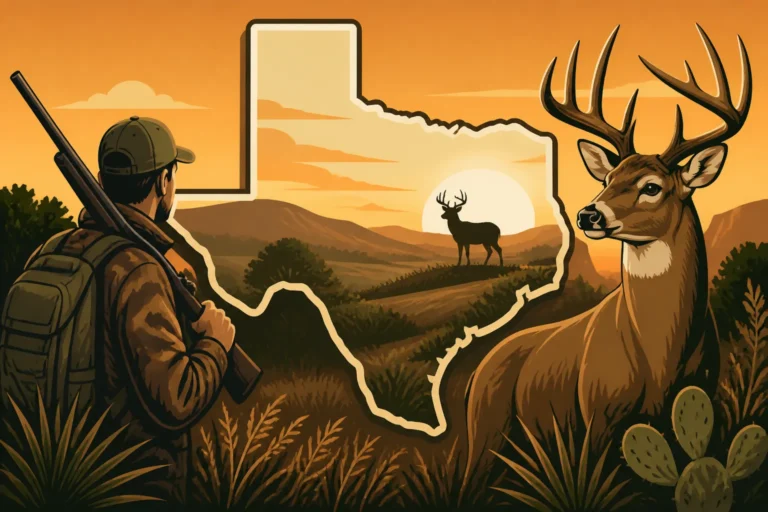
The Texas Hill Country, with its rugged beauty and diverse landscape, has become an undisputed mecca for exotic game hunting. Unlike many other states, Texas's private land ownership model and mild climate have fostered a thriving industry where a multitude of non-native species not only survive but often flourish. It's a unique opportunity to pursue game typically found on distant continents, right here in the Lone Star State.
The Landscape and Climate Advantage
Imagine rolling hills carpeted in live oaks and juniper, punctuated by limestone outcroppings, deep ravines, and spring-fed creeks. That's the typical backdrop for a Hill Country exotic hunt. This varied terrain offers natural cover and diverse forage that mimics the native habitats of many exotic species, from the mountainous regions of Asia for Aoudad sheep to the savannas of Africa for Blackbuck antelope. The generally mild winters mean animals aren't subjected to harsh freezes, allowing them to grow larger and healthier. However, don't underestimate the Texas heat during early or late season hunts; it can be a real factor, so preparing for the elements is key. The adaptability of these animals to the local climate is a testament to the dedication of ranch managers.
A Biodiversity Beyond Compare
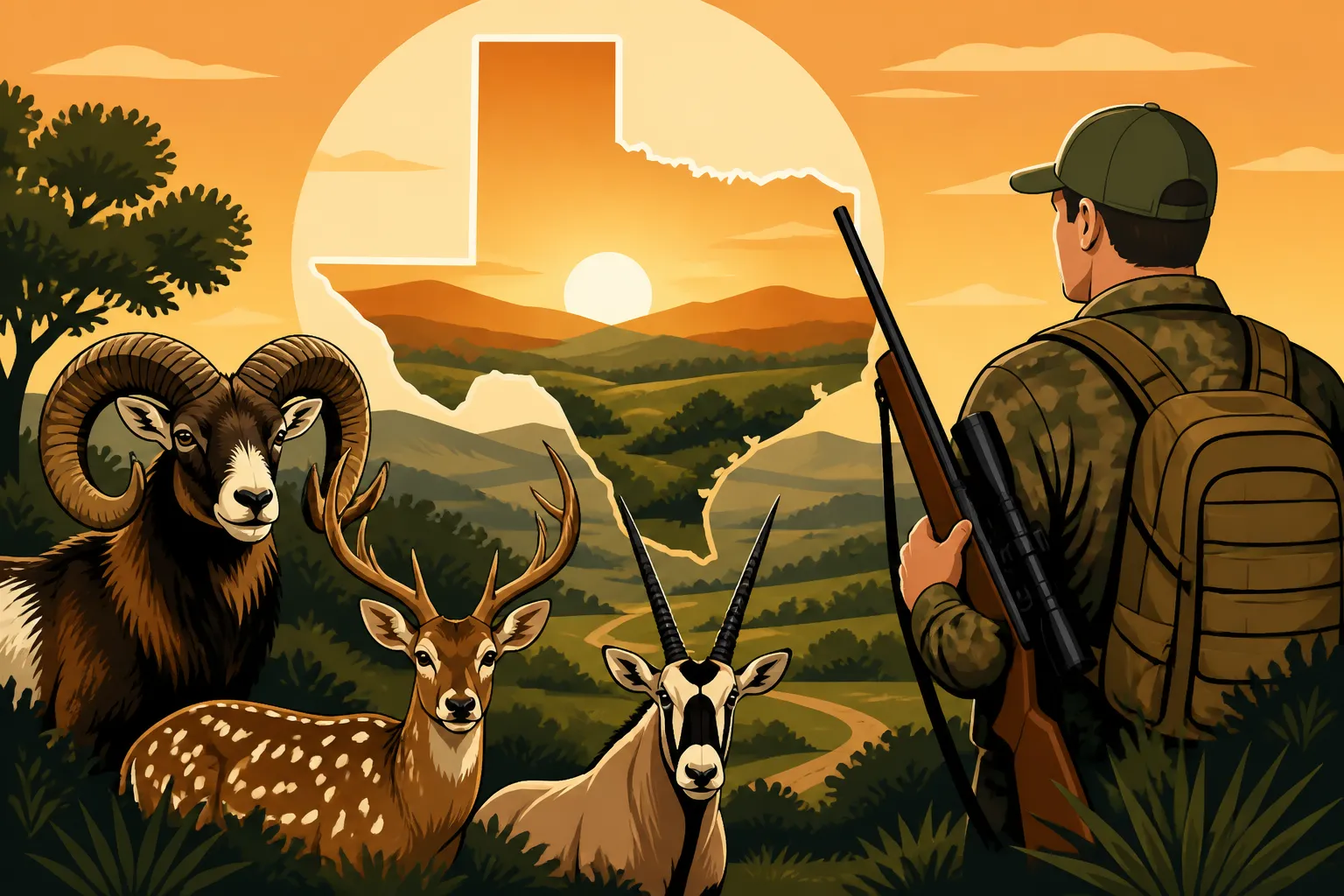
When you talk about exotic hunting in Texas, you're talking about a menagerie. The Hill Country, in particular, boasts an incredible array of species. You'll commonly find elegant Axis deer, with their striking white spots and impressive antlers, originating from India. Then there are the challenging Aoudad sheep, native to North Africa, known for their incredible endurance and keen eyesight, making them a true trophy hunt. You might also encounter the swift Blackbuck antelope, the beautiful Fallow deer with their palmate antlers, and the elusive Sika deer. Each species offers a unique hunting challenge and a different story to tell. For those interested in pursuing the spotted beauty, understanding how to hunt Axis deer (free-range tactics) can be a great starting point, even if many Hill Country hunts are managed on high-fenced properties.
Accessibility and Unique Amenities
One of the biggest draws of the Texas Hill Country is its accessibility. Major metropolitan areas like San Antonio and Austin are just a short drive away, making travel convenient for hunters coming from anywhere. This also means a robust infrastructure of services, from excellent restaurants to comfortable lodging, beyond just what the ranch offers. Many ranches in the Hill Country cater to more than just the hunter; they provide a full experience for families, offering activities like fishing, hiking, wildlife viewing, and even stargazing away from city lights. This makes an exotic hunt less of a solitary pursuit and more of a memorable family getaway, which is a huge plus for many folks.
What Defines an Exceptional Exotic Hunting Ranch?
Okay, so you're sold on the idea of hunting exotics in the Hill Country. Now, how do you sift through the countless options to find one that truly delivers? It goes far beyond just seeing a picture of a big animal on a website. A truly exceptional exotic hunting ranch prioritizes animal welfare, hunter experience, and transparent operations.
Ethical Hunting Practices and Animal Health
This is paramount. The best ranches maintain healthy, thriving herds. They invest in proper habitat management, nutrition, and disease prevention. While most exotic hunts in Texas occur on high-fenced properties (which is necessary for managing these non-native species), an ethical ranch still promotes fair chase within those boundaries. This means challenging hunts where animals aren't simply "walked up on" but require actual hunting skill, tracking, and patience. Ask about their management practices, how they introduce new genetics, and what their success rates truly reflect. A ranch that prioritizes the long-term health of its animals will, in turn, provide a better hunting experience.
Quality of Guides and Staff
A great guide can make or break your hunt, especially when you're pursuing a species you might not be familiar with. Look for ranches that employ experienced, knowledgeable guides who are passionate about hunting and committed to your success and safety. They should know the terrain like the back of their hand, understand animal behavior, and be skilled at tracking and field dressing. I've been on hunts where a guide's keen eye and patience were the only reason we even saw a trophy animal, let alone had a shot. Don't be shy about asking about the guide-to-hunter ratio and if you can speak with a guide before booking. It gives you a good feel for their expertise and personality.
Lodge, Amenities, and Overall Experience
Beyond the hunt itself, the overall experience contributes significantly to a ranch's quality. A comfortable lodge, delicious home-cooked meals, and a friendly atmosphere can turn a good hunt into a fantastic memory. Think about what's important to you:
- Lodging: Is it rustic, luxurious, or somewhere in between? Are the beds comfortable, and is there enough space for your group?
- Dining: Many ranches pride themselves on their culinary offerings, often featuring game meat. Is food included, and are dietary restrictions accommodated?
- Game Processing: Do they offer professional caping, quartering, and cold storage? Will they help arrange taxidermy or meat processing services? Knowing how to field dress a deer in hot weather is always good knowledge, but having assistance from the ranch staff is a huge bonus.
- Other Activities: If you're bringing family or non-hunters, what else is there to do?
A top-tier ranch will ensure these details are handled flawlessly, making your stay enjoyable from start to finish.
Terrain and Hunting Style Options
The Hill Country offers varied terrain, and an excellent ranch will leverage this to provide diverse hunting opportunities. Are you looking for a challenging spot-and-stalk hunt across rocky ridges, where a good set of binoculars and a rangefinder are your best friends? Or do you prefer the comfort of a well-placed blind overlooking a feeding area? Maybe you're a bowhunter looking for a close-range encounter. The "best" ranch caters to various hunting preferences. For example, if you're keen on the classic challenge, understanding general spot-and-stalk hunting in Texas (exotics & mule deer) will give you an edge, and a good ranch will have the terrain to support this. If you’re considering bowhunting in Texas: Archery Season Guide, be sure the ranch has setups amenable to archery.
Here's a quick look at some common exotic species and their characteristics in the Hill Country:
| Species | Origin | Typical Size (lbs) | Trophy Attributes | Meat Quality | Challenge Level |
|---|---|---|---|---|---|
| Axis Deer | India | 150-250 | Long, sweeping antlers | Excellent | Medium |
| Aoudad Sheep | North Africa | 200-300 | Massive horns, long chaps | Good | High |
| Blackbuck | India | 70-90 | Ringed, spiraling horns | Excellent | Medium-High |
| Fallow Deer | Europe | 150-220 | Palmate antlers | Very Good | Medium |
| Sika Deer | East Asia | 100-150 | Stout, multi-tined antlers | Excellent | Medium-High |
Navigating the Search: Finding Your Ideal Ranch
Finding the best ranch is really about finding the best ranch for you. It requires thorough research, asking the right questions, and understanding what you truly want from your exotic hunting adventure.
Researching and Reviews
Start by diving deep into online resources. Read reviews on hunting forums, check out social media groups dedicated to Texas hunting, and look at third-party booking sites that feature ranches. Don't just look at the 5-star reviews; pay attention to common themes in both positive and negative feedback. Reach out to friends and fellow hunters for personal recommendations. Websites like GoHunt or specialized hunting booking platforms can also be invaluable for discovering reputable operations and reading detailed testimonials. When you're considering a ranch, compile a list of questions:
- What's included in the price (guide, lodging, meals, initial processing)?
- Are there any hidden fees (e.g., gratuities, extra miles driven, non-hunting guest fees)?
- What is their typical success rate for the specific species you're interested in?
- Can they provide references from recent hunters?
- What happens if you don't harvest an animal?
These questions will help you gain a clearer picture of what to expect.
Understanding Pricing Structures
Exotic hunts typically come with a few different pricing models, and understanding them is crucial to avoiding sticker shock.
- Day Fee + Trophy Fee: This is common. You pay a daily rate for lodging, food, and guiding, then a separate trophy fee based on the animal you harvest. Trophy fees can vary wildly depending on the species, size, and gender of the animal. An Axis deer hunt in Texas (cost & where) can range significantly based on these factors.
- Package Deals: Some ranches offer all-inclusive packages that bundle days, specific animals, and amenities for a set price. This can sometimes offer better value and more predictability.
- Hunts by the Inch/Score: For some species, especially those with impressive horns or antlers, the trophy fee might be calculated based on the animal's score (e.g., Aoudad sheep hunting in Texas can sometimes be priced this way). Be sure you understand how they measure and what constitutes a "trophy."
Always get a detailed written quote that breaks down all costs before committing.
Utilizing Mapping and Scouting Tools
Even before you arrive at a ranch, you can do some preliminary "scouting" that might influence your decision. Apps like onX Hunt are fantastic for exploring the topography of potential hunting areas. While you won't have private land access, you can see contour lines, identify potential water sources, and get a general feel for the density of brush or open country. This can help you visualize the type of hunting experience the ranch offers. Knowing what the terrain looks like can help you decide if it suits your physical capabilities and preferred hunting style. While you won't use it for property lines on a high-fenced ranch, its satellite imagery and topographic maps provide invaluable insights into the landscape, even for general Hill Country hunting in Texas.
The Importance of Communication
Clear and open communication with the ranch owner or hunt manager is absolutely vital. Express your expectations upfront: what species you're targeting, your desired trophy size, your experience level, and any physical limitations. Ask about their policies regarding wounded animals, what happens if you shoot a non-target animal, and their gratuity guidelines for guides and staff. The more information exchanged beforehand, the less likely you are to encounter surprises during your hunt. A reputable ranch will welcome your questions and provide detailed answers, ensuring a smooth and enjoyable experience for everyone.
Preparing for Your Hill Country Exotic Adventure
Once you've chosen your dream exotic hunting ranch, the next step is preparation. A well-prepared hunter is a successful and happy hunter.
Gear and Clothing Considerations
The Texas Hill Country can be unpredictable, especially with its varied terrain.
- Footwear: Good quality, broken-in hunting boots are non-negotiable. You'll likely be doing a fair amount of walking, potentially over rocky and uneven ground. Consider snake boots for Texas hunting, especially in warmer months, as rattlesnakes are common residents.
- Clothing: Layers are your friend. Mornings can be cool, even in warmer seasons, but midday temperatures can soar. Lightweight, breathable camo is ideal. Think moisture-wicking materials.
- Optics: A reliable pair of binoculars (10×42 are a good all-around choice) and a rangefinder are essential, especially for spot-and-stalk hunts or judging distances from a blind. If you're looking for recommendations, our guide on the best hunting optics for Texas covers everything you need to know.
- Weapon: Ensure your rifle is zeroed and accurate for the distances you expect to shoot. If you're bowhunting, practice at various ranges and from different positions you might encounter.
Physical Preparation
Many exotic hunts, particularly those involving Aoudad sheep hunting in Texas or a challenging Axis deer stalk, can be physically demanding. The Hill Country terrain often involves steep climbs and descents, crossing uneven ground, and long walks in potentially warm conditions. Don't underestimate it. Start a fitness routine weeks, or even months, before your hunt. Focus on cardiovascular endurance and leg strength. Being in good physical condition not only increases your chances of success but also makes the entire experience far more enjoyable.
Understanding Texas Regulations
While many exotic species in Texas are considered private property and don't have traditional hunting seasons or bag limits (meaning you can hunt axis deer year-round, for example), you always need a valid Texas hunting license. Even though they are exotics, a license is required to hunt any animal in Texas. Familiarize yourself with the specific regulations regarding non-native species, which can sometimes differ from those for native game like whitetail deer. Most ranches will guide you on this, but it's ultimately your responsibility to be compliant.
Choosing the best exotic hunting ranch in the Texas Hill Country isn't just about bagging a trophy; it's about the entire experience, from the research and preparation to the camaraderie and the memories made. By focusing on ethical practices, experienced guides, great amenities, and clear communication, you'll be well on your way to a truly unforgettable adventure.
Disclaimer
Please remember that hunting regulations and ranch availability can change. Always verify current information with the Texas Parks and Wildlife Department and directly with any hunting ranch before making plans or booking a trip. This guide is for informational purposes only.