South Texas Trophy Deer Outfitters
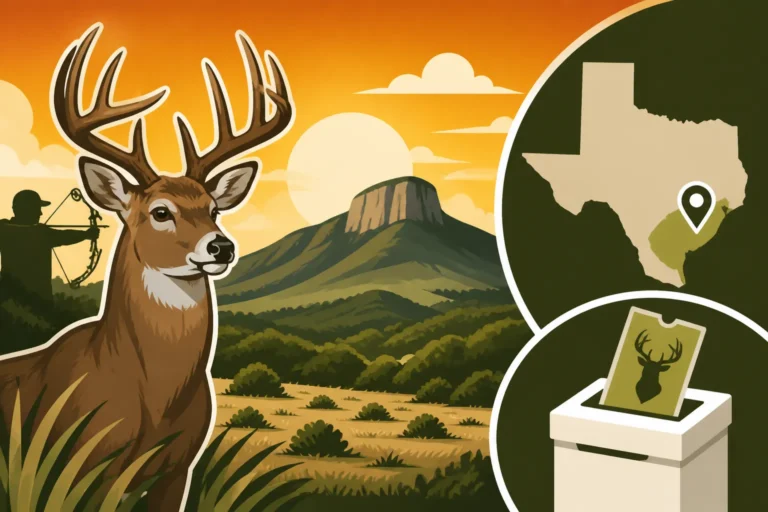
Finding a reputable outfitter for a trophy deer hunt in South Texas can feel like navigating a maze blindfolded, especially when you're dreaming of that once-in-a-lifetime buck and trying to ensure your significant investment is well-placed. It’s overwhelming to sift through countless options, wondering which operations truly deliver on their promises of a memorable experience and a shot at a quality animal. This comprehensive guide is here to shed light on exactly what to look for, what to expect, and how to prepare for a premier South Texas trophy deer hunt, helping you make informed decisions and set realistic expectations.
Why South Texas is the Mecca for Trophy Deer
South Texas isn't just another hunting destination; it's practically a legend when it comes to trophy whitetail deer. This unique region has consistently produced some of the biggest and most impressive bucks in the state, drawing hunters from all corners of the globe. The reasons behind this reputation are a perfect storm of environmental factors, genetics, and dedicated land management, creating an unparalleled hunting experience.
The Legendary Brush Country Habitat
When you hear "South Texas," often the first image that comes to mind is the dense, thorny brush country. This isn't just scenery; it's the very foundation of its deer hunting prowess. The vast expanses of thorny mesquite, prickly pear, granjeno, guajillo, and blackbrush provide an incredibly rich and diverse forage base that’s hard to beat. Unlike areas with fewer browse options, deer in the South Texas brush have a buffet of high-protein, nutrient-rich plants available year-round, which is absolutely critical for antler development and overall deer health.
The thick cover also offers excellent sanctuary from predators and hunters, allowing bucks to reach maturity. These mature bucks, often referred to as "brush bucks," are notoriously elusive, smart, and challenging to hunt, which only adds to the allure. Navigating this dense terrain requires experienced guides who know the subtle signs of deer movement and the best ways to position hunters for a shot. It's a completely different game than hunting open fields or pine forests, making local knowledge indispensable. If you're planning a trip to this iconic region, understanding the specific challenges and rewards is key, as detailed in our guide on South Texas Deer Hunting: Brush Country Guide.
Genetics and Management
Beyond the incredible habitat, the superior genetics of South Texas whitetails play a massive role in their trophy potential. Generations of natural selection in this challenging environment have produced deer with the genetic predisposition for large body sizes and impressive antlers. What amplifies this natural advantage is the widespread implementation of intensive deer management practices across thousands of private ranches.
Many large, well-established ranches actively manage their deer herds through various methods: selective harvesting, supplemental feeding with high-protein diets, and maintaining optimal buck-to-doe ratios. This ensures that bucks have the nutrition needed to express their full antler potential and reduces competition, allowing them to live long enough to become true giants. Programs like the Managed Lands Deer Permit (MLDP) offered by Texas Parks and Wildlife Department encourage these practices, resulting in healthier herds and bigger bucks. This commitment to management, often over decades, is why South Texas remains a hotspot for hunters seeking that dream buck.
What to Look for in a South Texas Trophy Deer Outfitter
Choosing the right outfitter is arguably the most crucial decision you'll make when planning a South Texas trophy deer hunt. It’s not just about finding a place with big deer; it’s about finding a professional operation that aligns with your expectations, values ethical hunting, and prioritizes your experience. With so many options out there, it’s easy to get lost in the marketing hype, but a few key areas can help you cut through the noise.
Experience and Reputation
When you're shelling out a significant amount of money for a trophy hunt, you want confidence that your outfitter knows their stuff. Start by looking for outfitters with a long-standing history in the South Texas brush country. An outfitter who has been operating for 10, 20, or even 30+ years isn't just lucky; they've built a solid reputation through consistent performance and satisfied clients.
Don't just take their word for it. Always ask for references—and not just one or two hand-picked ones. Ask for a list of recent clients from the past season or two and actually call them. When speaking with references, ask specific questions:
- What was the guide's level of knowledge and professionalism?
- Were the accommodations and food as advertised?
- Did they feel the hunt was fair chase?
- How accurate were the outfitter's claims about trophy quality?
- Were there any unexpected issues or hidden costs?
- How was the deer processing and caping handled?
Beyond direct references, check online reviews and hunting forums. While some negative reviews can be outliers, a pattern of complaints or glowing praise can tell you a lot. A well-regarded outfitter will have a strong, positive reputation built on years of delivering exceptional experiences. Some experienced hunters even use resources like the GoHunt platform to research and compare outfitters, though it's more focused on draw hunts and public land, the principles of researching a reputable operation still apply.
All-Inclusive vs. A La Carte Packages
Understanding what's included in your hunt package is paramount to avoiding frustrating surprises. Outfitters typically offer two main types of packages: all-inclusive or a la carte.
All-inclusive packages are often preferred by hunters who want a seamless experience with no guesswork. These usually cover your lodging, meals, guide services (often 1-on-1 or 2-on-1), transportation on the ranch, initial field dressing, and possibly even caping for taxidermy. Some might even include airport pickup, beverages, or a specific number of animals (e.g., one trophy buck, one doe, and unlimited hogs). The price might seem higher upfront, but knowing all your major costs are covered can provide immense peace of mind.
A la carte packages, on the other hand, offer more flexibility but require careful attention to detail. These might cover just the guide service and a daily rate, with meals, lodging, and extra animals (like does or hogs) being additional costs. This can be appealing if you prefer to arrange your own lodging, or if you have specific dietary needs and want to handle your own food. However, it's critical to get a detailed breakdown of all potential extra costs to avoid bill shock at the end of your trip. Always clarify what's included and what's extra, down to the last detail, before booking.
Ethical Practices and Fair Chase
For many hunters, the integrity of the hunt is as important as the size of the trophy. When researching outfitters, inquire about their hunting philosophy and commitment to fair chase. South Texas has both high-fenced and low-fenced ranches, and while both can offer legitimate hunting experiences, it's important to understand the difference and ensure it aligns with your personal hunting ethics.
- High-fenced ranches enclose animals, often leading to higher deer densities and more controlled management. The term "fair chase" on a high-fenced ranch typically means the animals still exhibit natural behaviors, are not pets, and require skillful hunting to harvest. Good outfitters on high-fenced land will emphasize challenging hunts within large enclosures, often thousands of acres, where animals can still roam and evade hunters.
- Low-fenced ranches offer a truly free-range experience, where deer can come and go as they please. This can add a layer of challenge and unpredictability, as deer are moving freely between properties.
Regardless of the fence type, a truly ethical outfitter will:
- Adhere strictly to all Texas hunting regulations, including bag limits and proper tagging. For example, understanding Texas Antler Restrictions: The 13-Inch Rule & Counties is crucial, and a good outfitter will ensure compliance.
- Prioritize animal welfare and responsible harvest.
- Not guarantee a harvest, as hunting is inherently uncertain. They should promise a quality opportunity at a trophy animal, not a guaranteed kill.
- Have clear policies on wounded animals and ethical tracking.
- Emphasize the hunting experience, not just the kill.
Asking direct questions about these practices will give you a clear picture of their operational standards and whether they align with your definition of a quality trophy hunt.
Understanding the Costs and What's Included
The cost of a South Texas trophy deer hunt can vary wildly, from a few thousand dollars to tens of thousands, depending on the outfitter, the size of the desired trophy, and the amenities offered. Demystifying these costs is essential for budgeting and setting realistic expectations. It's not just the price tag; it's about understanding the value you're getting for your investment.
Breaking Down Hunt Packages
A typical trophy deer hunt package in South Texas often includes several components that, when bundled, justify the price. Here’s a general breakdown of what you can expect to be covered in most reputable outfitter packages:
- Trophy Buck Harvest: This is the core of the package, usually specifying a buck within a certain score range (e.g., 140-160 B&C, 160-180 B&C, or 180+ B&C). The higher the score potential, the higher the price.
- Doe Harvest: Many packages include the opportunity to harvest one or two does, which helps with herd management and provides extra meat.
- Hog/Predator Opportunity: South Texas is teeming with feral hogs and predators like coyotes. Many outfitters include the chance to harvest these animals as an added bonus, often on a target-of-opportunity basis.
- Meals and Lodging: Expect comfortable accommodations, often a lodge or bunkhouse, and hearty, home-cooked meals. Dietary restrictions should be communicated in advance.
- Guide Services: Typically, you'll have a dedicated guide (1:1 or 2:1 hunter-to-guide ratio) who will take you to blinds, assist with tracking, and help with field dressing.
- Field Dressing and Caping: Initial processing of your harvested animals, including gutting and caping the trophy head for taxidermy, is usually part of the service.
- Transportation: On-ranch transportation, usually in hunting vehicles, is standard.
What's not always included, and you should specifically ask about, are things like taxidermy, meat processing beyond initial field dressing, gratuities, alcoholic beverages, and personal hunting licenses and tags. Make sure you understand the requirements for a Texas Hunting License: Cost, Types & How to Buy (2026) before you arrive.
Here's a generalized table illustrating common inclusions and exclusions:
| Feature | Typically Included | Often Extra Cost |
|---|---|---|
| Trophy Whitetail Buck | ✅ | |
| Doe(s) (1-2) | ✅ (sometimes optional) | Additional does |
| Feral Hogs/Predators | ✅ (opportunity basis) | Guaranteed harvest, specific number |
| Meals (Breakfast, Lunch, Dinner) | ✅ | High-end alcoholic drinks |
| Lodging | ✅ | Private rooms (sometimes) |
| Guide Services (1:1 or 2:1) | ✅ | |
| Field Dressing & Caping | ✅ | |
| On-Ranch Transportation | ✅ | |
| Hunting License/Tags | ✅ | |
| Meat Processing | ✅ (beyond field dress) | |
| Taxidermy | ✅ | |
| Gratuities (Guide/Cook) | ✅ | |
| Airport Pickup/Drop-off | ✅ (sometimes included) |
Hidden Fees and Gratuities
Ah, the dreaded "hidden fees." While most reputable outfitters are upfront, it's your responsibility to ask every question under the Texas sun. Common additional costs that might not be explicitly stated in the base price can include:
- Trophy Fees for Upgrades: If you shoot a buck larger than the score range included in your package, many outfitters will have an additional trophy fee. Always clarify these terms beforehand.
- Non-Hunting Guests: Bringing a spouse or child along who isn't hunting might incur a daily fee for meals and lodging.
- Additional Animals: Want to shoot more than the allotted number of does or hogs? Expect an extra charge per animal.
- Meat Processing: While field dressing and caping are often included, taking your deer to a local processor for cut and wrap is almost always an additional cost, which can run a few hundred dollars depending on the animal and services requested. Knowing Where to Take a Deer for Processing in Texas is a good idea.
- Taxidermy: If you plan to mount your trophy, this is a separate service you'll arrange directly with a taxidermist, either one recommended by the outfitter or your own.
- Gratuities: This is a big one. Tipping your guide, cook, and other camp staff is customary and expected. Guides often work long hours and their gratuity can be a significant portion of their income. A general rule of thumb for guides is 10-20% of the hunt cost, and 5-10% for cooks and other staff. Factor this into your budget from the very beginning.
Don't be shy about asking for an all-inclusive price sheet that details every possible expense. This transparency is a hallmark of a professional operation.
Booking and Preparation Timeline
Planning your South Texas trophy hunt needs to start well in advance. Prime dates, especially during the peak of The Texas Rut: When Do Bucks Rut by Region(), can book up a year or more in advance.
- 6-18 Months Out: Start researching outfitters, checking references, and discussing availability for your preferred season. This is when you should secure your booking with a deposit.
- 3-6 Months Out: Begin physical preparation. South Texas hunting, especially spot-and-stalk or tracking, can be physically demanding. Practice with your rifle to ensure you’re proficient and comfortable out to common shooting distances (e.g., 200-300 yards). Review Texas Deer Season 2026-2027: Dates by Zone and ensure your license and tags are in order.
- 1-2 Months Out: Purchase your Texas hunting license and all necessary endorsements. Confirm all details with your outfitter: arrival/departure times, specific gear recommendations, dietary needs, and any final payment requirements. Start compiling your packing list.
- 1-2 Weeks Out: Double-check your gear. Make sure your rifle is sighted in and cleaned. Organize your travel documents. Hydrate and get plenty of rest.
Being proactive with your planning will reduce stress and allow you to fully enjoy the anticipation of your hunt.
Maximizing Your South Texas Trophy Hunt Experience
A trophy hunt isn't just about pulling the trigger; it's about the entire experience, from the pre-hunt scouting to the post-hunt celebrations. To truly get the most out of your South Texas adventure, a little extra effort and strategic thinking go a long way. Even with an experienced outfitter, being a prepared and cooperative hunter can significantly enhance your chances of success and enjoyment.
Scouting and Communication with Your Guide
While your outfitter and guide will have done extensive pre-season scouting and know their land intimately, you can still contribute and better prepare yourself. Many outfitters utilize technology like cellular trail cameras. Ask if you can see some of the trail camera photos or videos of the bucks they are targeting before your hunt. This helps you familiarize yourself with the deer you might encounter and discuss specific target animals with your guide. Modern tools like onX Hunt can also be invaluable, even on a guided hunt. While your guide will know the exact boundaries and hotspots, using an app like onX Hunt can help you visualize the terrain, understand where property lines are (especially important on low-fenced ranches), and follow your movements throughout the day, enhancing your situational awareness.
Crucially, maintain open and honest communication with your guide. Discuss your expectations for trophy size and the type of hunt you prefer (e.g., blind hunting versus still-hunting). Be honest about your shooting abilities, comfort ranges, and physical limitations. If you're unsure about a shot, tell your guide. A good guide will appreciate your honesty and work with you to put you in the best possible position for an ethical shot within your capabilities. Remember, your guide wants you to succeed as much as you do.
Gear Considerations for the South Texas Climate
South Texas weather can be notoriously unpredictable, swinging from frosty mornings to warm afternoons, sometimes all in the same day. Being prepared with the right gear is essential for comfort and success.
- Layered Clothing: Think lightweight, breathable base layers that wick moisture. Over that, pack insulated mid-layers and a waterproof/windproof outer shell. Even in winter, temperatures can climb, so being able to shed layers is crucial. Early season hunts might even call for early-season camo.
- Snake Boots/Protection: This is non-negotiable in South Texas. The brush is thick, and venomous snakes like rattlesnakes are common. Invest in quality snake boots or snake gaiters.
- Optics: High-quality binoculars are your best friend for spotting deer in the dense brush. A good rangefinder is also critical for confirming distances before a shot. Consider durable options from brands known for their reliability in the field. Our guide on Best Hunting Optics for Texas: Scopes, Binos & Rangefinders offers more specific recommendations.
- Rifle and Ammunition: Bring a rifle you are confident and proficient with, chambered in a caliber suitable for whitetail deer (e.g., .270, .30-06, .308, 7mm Rem Mag). Bring plenty of ammunition and ensure it's the same load you sighted in with.
- Backpack: A comfortable daypack for carrying water, snacks, extra layers, and personal items.
- Cooler: If you plan to take your meat home, a good cooler that can hold ice in the Texas heat is vital. While outfitters will often have coolers on hand, having your own dedicated cooler can be helpful for transport. Check out our recommendations for the Best Cooler to Hold Ice in Texas Heat.
Post-Hunt Logistics
The hunt doesn't end when the shot is fired. Knowing the steps for post-hunt logistics ensures your trophy and meat are handled properly.
- Field Dressing: Your guide will assist with or perform the initial field dressing. This is critical to cool the meat down quickly, especially in warmer temperatures. Knowing How to Field Dress a Deer in Hot Weather can be very helpful, even if your guide does most of the work.
- Caping: If you plan to get a shoulder mount, your guide will typically cape the deer’s head properly for a taxidermist. Discuss your taxidermy plans beforehand.
- Meat Processing: Most outfitters will have a relationship with a local meat processor. You'll usually drop off your deer and pick up the processed meat later. Factor in the cost of processing and the logistics of transporting it home (e.g., insulated boxes, dry ice).
- Photography: Don't forget to capture those memories! Work with your guide to get quality photos of you and your trophy in a respectful manner.
- Gratuities: As mentioned, ensure you have cash on hand for tips. A heartfelt thank you along with a fair tip goes a long way in showing appreciation for the hard work of your guide and camp staff.
By being prepared for these steps, you'll ensure that the culmination of your trophy hunt is as smooth and satisfying as the chase itself.
Disclaimer
Please remember that hunting regulations, seasons, and licensing requirements in Texas can change. Always consult the most current Texas Parks and Wildlife Department Outdoor Annual or website before planning and embarking on any hunting trip. This guide provides general information and recommendations, but it is the hunter's responsibility to ensure full compliance with all applicable laws and regulations.