Best Protein Feeder for Texas Deer
The struggle is real when it comes to managing a healthy deer herd in Texas, especially with our notoriously unpredictable weather patterns, from scorching droughts to sudden deluges. Ensuring your deer have consistent access to high-quality nutrition is paramount for robust antler growth, healthy fawn production, and overall herd vitality. This guide is all about helping you navigate the options and choose the best protein feeder for your Texas deer, a crucial piece of the puzzle for any serious deer manager or hunter.
Why Protein Feeding Matters for Texas Deer
Texas is a vast state with diverse ecosystems, but one constant challenge across many regions is the inconsistency of natural forage. While native browse and forbs are the primary diet for deer, they aren't always sufficient, especially during critical periods of antler development, fawn rearing, or drought. That's where protein feeding comes in, acting as a nutritional supplement to bridge those gaps and maximize the genetic potential of your herd.
Understanding Deer Nutritional Needs in Texas
Our Texas deer, particularly white-tailed deer, have specific nutritional requirements that fluctuate throughout the year. During the spring and summer, bucks are growing their antlers, and does are lactating and recovering from fawning. These periods demand a significant intake of protein, minerals, and energy. Unfortunately, natural forage can be highly variable. A prolonged drought can decimate native plant populations, leaving deer scrambling for subpar nutrition. Even in good years, the protein content of natural forage can decline rapidly as plants mature. This nutritional stress can lead to smaller antlers, weaker fawns, and a general decline in herd health.
Supplying a consistent, high-quality protein source ensures that deer have the building blocks they need, regardless of what Mother Nature throws our way. It's not about replacing their natural diet, but rather complementing it. Think of it as a strategic investment in the well-being and productivity of your herd. Many seasoned Texas hunters and wildlife biologists agree that supplemental protein feeding, when done correctly, can make a noticeable difference in a deer herd's overall condition and antler potential.
The Impact on Antler Quality and Herd Health
The connection between protein intake and antler development is undeniable. Antlers are primarily composed of protein and minerals, and a buck simply cannot grow to his full potential without adequate nutrition. Without sufficient protein, even a genetically superior buck will produce smaller, less impressive antlers. This isn't just about chasing Boone & Crockett scores; it's about helping deer express their natural capabilities. Providing supplemental protein, particularly during the antler growing season from early spring through late summer, directly supports the rapid bone growth that forms a buck's rack.
Beyond antlers, protein feeding has a profound impact on the entire herd. Does that receive proper nutrition are healthier, have higher conception rates, and are better able to support their fawns through lactation, which improves fawn survival. Young deer, especially yearlings, also benefit immensely from protein, contributing to their overall growth and development, setting them up for a healthier future. In areas with high deer densities, where natural forage might be over-browsed, protein feeders become even more critical to prevent widespread nutritional deficiencies. It’s a foundational piece of a comprehensive deer management plan, often used in conjunction with other tactics like establishing Food Plots in Texas: What Works in the Heat or careful herd culling.
Types of Protein Feeders: Gravity vs. Broadcast
When you start looking into protein feeders, you'll quickly discover there are two main types: gravity feeders and broadcast (or spin) feeders. Both have their place in Texas deer management, and understanding their pros and cons is key to making the right choice for your specific property and goals.
Gravity Feeders: Consistent Access and Minimal Waste
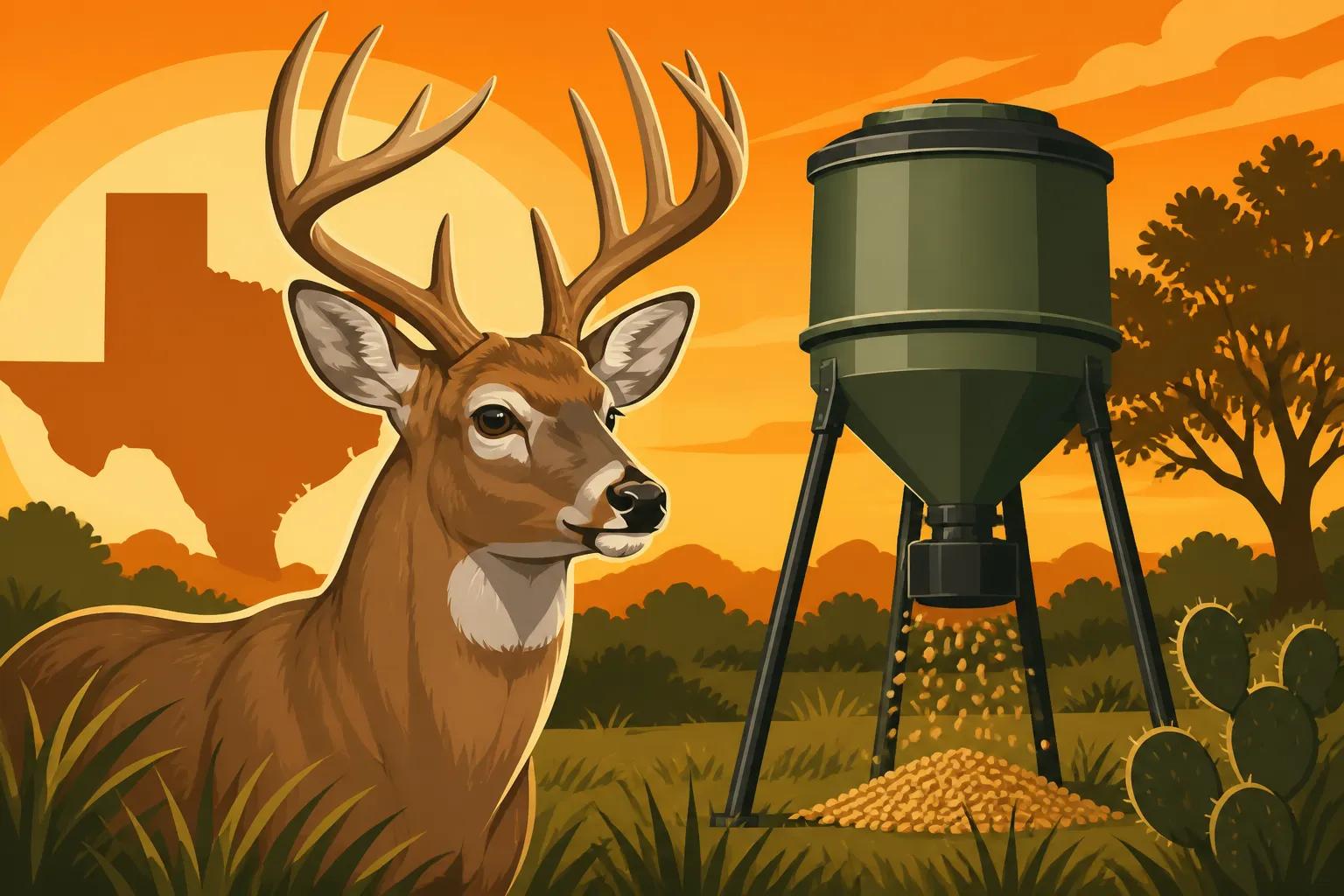
Gravity feeders are often considered the workhorses of supplemental feeding, especially for protein. The concept is simple: feed is held in a hopper and dispenses into a trough or feed tube as deer consume it. It's essentially an on-demand system. Deer can eat whenever they choose, mimicking natural browsing behavior. This constant availability is a huge advantage, ensuring that deer, particularly younger deer and does, always have access to crucial nutrients.
One of the biggest benefits of gravity feeders is minimal waste. Unlike broadcast feeders that fling feed over an area, often scattering it where it can get wet or eaten by non-target animals, gravity feeders deliver feed directly to the deer. This can be more economical in the long run, especially with expensive protein pellets. They also don't require batteries, timers, or complex electronics, which means fewer breakdowns and less maintenance. You simply fill them up, and they do their job. However, if not properly designed or protected, gravity feeders can be a target for hogs and raccoons who quickly learn to root around the dispensing tubes. Securely caging them or elevating them can help mitigate this, but it's an important consideration, especially if you're dealing with a lot of feral hogs on your lease. GoHunt offers resources that emphasize the importance of robust feeder design to counter such challenges.
Broadcast/Spin Feeders with Protein Adapters: Controlled Dispensing
Broadcast feeders, often referred to as spin feeders, are more commonly associated with dispensing corn. However, many models can be adapted to throw protein pellets using specialized spinner plates and motors designed for the larger, denser pellets. The primary advantage of a broadcast feeder is its ability to dispense feed at specific times and over a wider area, controlled by a timer. This allows you to train deer to visit the feeder at certain hours, which can be beneficial for observation or even hunting, though protein feeding is typically a year-round management tool rather than a hunting tactic. The wide dispersal can also allow multiple deer to feed simultaneously without direct competition at a single spout.
The downside, however, can be significant waste. Protein pellets, when broadcast, are more susceptible to moisture, mold, and consumption by non-target species like birds, raccoons, and even hogs. Since the feed is spread on the ground, rain can quickly render it useless. They also require a power source (usually a 6V or 12V battery) and a reliable timer, which means more components that can fail. You'll need to stay on top of your Deer Feeder Timer Settings in Texas and battery life. While some hunters use them for protein, they generally aren't as efficient or waste-free as gravity feeders for a dedicated protein program. For most year-round protein goals, the broadcast method is secondary to consistent gravity-fed access.
Combo Feeders: Best of Both Worlds?
In an attempt to offer flexibility, some manufacturers have developed combo feeders that integrate both gravity and broadcast feeding capabilities into a single unit. These designs often feature a main hopper with gravity-fed tubes, along with an option to attach a spin-cast unit for corn or other attractants. The idea is to allow landowners to provide protein consistently while also being able to broadcast corn for hunting season or to draw deer into a specific area.
While the versatility can be appealing, these combo units often come with a higher price tag and increased complexity. You're maintaining two systems in one, which means more potential points of failure or maintenance. For dedicated protein feeding, a well-designed gravity feeder usually offers better efficiency and less hassle. However, if your budget and needs demand a multi-purpose feeder that can switch roles, a combo unit might be worth exploring. It's a balance of convenience and specialized performance.
Key Features to Look for in a Texas Protein Feeder
Texas is tough on outdoor equipment. From intense summer sun and heat to sudden torrential downpours and everything in between, your protein feeder needs to be built to last. Beyond just holding feed, there are several critical features to consider to ensure your investment stands up to the elements and functions effectively in our unique environment.
Durability and Construction for Texas Weather
When you're investing in a protein feeder for your Texas property, durability isn't just a nice-to-have; it's a non-negotiable. Our summers can bake cheap plastics, making them brittle, and a strong gust of wind during a thunderstorm can topple flimsy designs. Look for feeders constructed from heavy-gauge steel, UV-resistant thick-walled plastics, or even galvanized metal. These materials resist rust, warping, and sun damage, ensuring a longer lifespan. Consider models with welded seams and robust leg designs that can withstand high winds and the jostling of animals.
The lid is also crucial. It needs to fit snugly and securely to prevent moisture from seeping in during rainstorms, which can quickly ruin expensive protein pellets. A leaky lid is a recipe for moldy feed and wasted money. Look for tight-fitting, overlapping lids with secure latches. Some higher-end feeders even feature integrated solar panel mounts, like those seen on some Lamco or Boss Buck feeders, which protect the panel and wiring from direct exposure and weather damage. This kind of robust construction pays for itself over time by preventing costly feed spoilage and frequent repairs. When scouting for durable options, resources like GoHunt often highlight brands known for their resilience in harsh conditions.
Capacity and Accessibility
The ideal capacity of your protein feeder depends heavily on the size of your deer herd, the frequency with which you can refill it, and your budget for protein. Feeders typically range from 250 pounds to over 2,000 pounds. For a small property with limited deer, a 250-500 pound feeder might suffice, requiring refills every few weeks. On a larger ranch with a significant deer population, a 1,000-pound or even 2,000-pound feeder might be necessary to avoid weekly trips, especially if you're only able to visit the lease every month or so. Refilling fewer times can save you gas money and time, which is a big deal on sprawling Texas ranches.
Accessibility for filling is another major consideration. Many protein feeders are tall, designed to keep feed out of reach of smaller critters and at a good height for deer. However, this means you'll likely need a ladder, a truck bed, or even a specialized trailer with a feeder fill-arm to get the feed into the hopper. Some manufacturers, like Texas Hunter Products, offer low-profile gravity feeders that are easier to fill from the ground. Evaluate your equipment and physical capabilities when choosing a feeder height and design. Additionally, check if the feed tubes on gravity feeders are adjustable. This allows you to control the flow rate of the protein pellets, which can be useful if you find feed is dispensing too quickly or bridging up. You want a consistent, steady flow so deer don't have to work too hard to get their meal.
Security Against Pests and Unwanted Animals
One of the biggest frustrations with supplemental feeding in Texas is dealing with non-target animals, especially feral hogs and raccoons. These intelligent and persistent creatures can quickly empty a feeder or damage it in their quest for an easy meal. Your protein feeder needs to be designed with defense in mind. Look for feeders that offer robust varmint guards around the feed tubes or spinner plates. These can be simple cages or more sophisticated mechanisms.
For hogs, the best defense is often elevation and strong caging. Feeders with tall legs (often 6-8 feet high) make it harder for hogs to reach the feed, although determined hogs can still find ways. A more effective solution is a well-built hog panel or cage around the feeder base. These can be DIY projects or purchased as feeder accessories. You want something strong enough to deter a large boar. Brands like Lamco and Boss Buck often integrate heavy-duty construction that inherently offers more resistance to animal damage. It's also worth thinking about how to keep hogs out of your deer feeder with strategies like electric fences or even dedicated hog trapping programs. Remember, protecting your protein investment from opportunistic pests is crucial for its long-term effectiveness.
Optimal Placement and Management Strategies
Setting up a protein feeder isn't just about dropping it anywhere on your property and filling it. Strategic placement and consistent management are crucial for maximizing its effectiveness for your deer herd and minimizing issues with non-target animals. Think of it as creating a five-star restaurant for your deer, easily accessible and consistently stocked.
Where to Set Up Your Protein Feeder
Choosing the right location for your protein feeder is paramount. You want to place it where deer feel safe and can easily access it without expending too much energy. Ideal spots are often along known travel corridors, near bedding areas, or within reasonable distance of water sources. Avoid open, exposed areas where deer might feel vulnerable. A clearing within a dense brush line, under a canopy of trees that provide shade, or in a secluded pocket of your lease can be excellent choices. These areas offer cover, making deer more comfortable spending time at the feeder, especially during daylight hours.
Consider the prevailing wind direction to avoid having your scent constantly blowing towards the feeder, which could deter deer. Also, think about accessibility for yourself. You'll need to refill the feeder regularly, so choose a spot that's reachable with your truck or ATV, even during wet conditions. Finally, using trail cameras is invaluable here. Place some of the Best Cellular Trail Cameras for Texas around your potential feeder sites before setting up the feeder. This will help you identify natural deer movement patterns, preferred crossings, and areas where deer already feel safe. Once the feeder is up, cameras allow you to monitor usage, identify specific bucks, and track herd health over time.
Filling Schedules and Monitoring
For protein feeding to be truly effective, it needs to be a year-round commitment, not just a seasonal activity. Deer need high-quality nutrition during all stages of their life cycle. While antler growth in bucks is most visible, does and fawns benefit immensely, especially during gestation and lactation. A consistent filling schedule is vital to ensure an uninterrupted supply. If deer accustomed to protein suddenly find a feeder empty, they may move to other areas or experience nutritional stress.
Monitor your feed levels closely. The frequency of refills will depend on your feeder's capacity and the number of deer utilizing it. You can estimate consumption using trail camera data and simple math. A good rule of thumb is to check feed levels at least once a month, or more frequently if you have a large, active herd. It's not just about filling; it's about checking the quality of the feed. Ensure the protein pellets remain dry and fresh. Moisture can lead to mold and spoilage, rendering the feed useless and potentially harmful. If you notice any signs of moisture, remove the affected feed immediately. Remember, protein feeding works best as part of a holistic management strategy. Combining it with minerals, water sources, and potentially even supplemental corn (strategically, as discussed in Corn vs Protein Feeder for Texas Deer) can provide a complete nutritional package for your herd.
Troubleshooting Common Protein Feeder Issues
Even with the best planning, protein feeders can present a few challenges. One of the most common issues with gravity feeders is "bridging," where the pellets compact and form an arch inside the hopper, preventing them from flowing down into the tubes. This often happens with certain types of feed, moisture, or fine dust in the pellets. To combat bridging, look for feeders with wider, smoother chutes, and consider using protein pellets that are specifically designed to flow well. Tapping the feeder periodically can sometimes dislodge a bridge, but the best solution is prevention through proper feed choice and feeder design.
Moisture is another constant enemy. Despite robust lids, humidity and driving rain can sometimes find a way in. Ensure your feeder is on level ground to prevent water pooling, and inspect the lid seals regularly. If you find moisture, replace the spoiled feed immediately to prevent mold. Finally, pest animals remain a persistent nuisance. If hogs or raccoons are consistently getting into your feeder, revisit your security measures. Is your hog panel sturdy enough? Are the varmint guards intact? You might need to reinforce your setup or explore additional deterrents, like those mentioned in How to Keep Hogs Out of Your Deer Feeder. Proactive maintenance and quick responses to issues will keep your protein program running smoothly and your deer well-fed.
Top Protein Feeder Brands and Models for Texas
Choosing a protein feeder in Texas often comes down to balancing durability, capacity, and price, all while considering the specific challenges of our environment. There are several reputable brands that Texas hunters and land managers have come to trust for their performance and longevity.
High-Capacity, Durable Options
For those looking for the absolute best in durability and performance, especially for larger properties or where feeders are left unattended for extended periods, several brands stand out. Lamco Feeders are legendary in Texas for their heavy-gauge steel construction and robust designs. Their feeders, often seen on large South Texas ranches, are built like tanks, offering incredible resistance to hogs, bears, and extreme weather. Models like the Lamco 2000lb Protein Feeder are designed for serious deer management, featuring wide feed tubes that minimize bridging and heavy-duty skids for easy movement. While they come with a higher price tag, their longevity and reliability often make them a worthwhile investment for those committed to a long-term protein program.
Similarly, Boss Buck Feeders are another top-tier choice, offering both galvanized steel and thick-walled polyethylene options. Their protein feeders are known for their gravity-flow design with adjustable feed ports, allowing precise control over feed delivery. A Boss Buck 1200lb or 2000lb protein feeder provides substantial capacity and is built to withstand the elements. Many GoHunt articles and forum discussions often feature these brands when discussing high-end, reliable feeder solutions, underscoring their reputation in the hunting community. These feeders are designed to provide consistent, uninterrupted nutrition, which is crucial for antler development and overall herd health.
Mid-Range and Budget-Friendly Choices
Not everyone needs a commercial-grade, 2000-pound steel feeder. For smaller operations, individual leases, or those just starting a protein program, there are excellent mid-range and budget-friendly options that still deliver good performance. Brands like Moultrie and Wildgame Innovations offer various gravity feeders, often made from durable plastics, that are more accessible price-wise. The Moultrie Pro Hunter Tripod Feeder, for example, can be adapted for protein with specific attachments or used as a corn feeder, offering versatility. While not as indestructible as the heavy-duty steel units, these plastic feeders are lighter, easier to move, and still provide good weather resistance.
Another great option in this category is the selection you'll find at local Texas feed stores or larger outdoor retailers like Academy Sports + Outdoors or Tractor Supply Co. Many carry house-brand gravity feeders or smaller capacity models from various manufacturers that are perfectly adequate for most recreational hunters or smaller leases. These typically range from 250lb to 600lb capacities. When considering these options, focus on the quality of the plastic (look for thick walls and UV resistance), the tightness of the lid seal, and the sturdiness of the legs. While you might not get the absolute top-tier features, a well-chosen mid-range feeder can still significantly benefit your deer herd without breaking the bank. It's all about finding the Best Deer Feeders for Texas that fit your specific needs and budget.
Innovative Designs and Customization
The world of protein feeders isn't stagnant, and manufacturers are constantly innovating to address specific challenges faced by Texas hunters and land managers. For instance, some companies are now offering feeders with integrated solar panels and battery management systems, which reduce the need for manual battery checks and ensure continuous operation. Remote monitoring capabilities, often linked to cellular trail cameras or dedicated apps, allow you to check feed levels and battery status from your phone, saving countless trips to the feeder. This kind of technology is especially valuable on large ranches where feeders might be hours apart.
Customization is also a big part of the Texas hunting scene. Many outfitters and seasoned land managers will modify off-the-shelf feeders or even build their own to perfectly suit their needs. This might involve adding extra-tall legs to deter hogs, reinforcing critical stress points, or integrating specialized varmint cages. For those interested in more advanced strategies, GoHunt provides detailed guides and expert advice on optimizing feeder setups, including considerations for different species and terrains, and even discussions around Protein Feeding Deer for Bigger Antlers. Whether it's choosing feeders that are How High Should a Deer Feeder Be? for optimal access, or looking into specific designs for ease of filling and maintenance, the market offers a range of options to cater to every management style and budget.
Protein Feeder Comparison
| Feature | Gravity Feeder | Broadcast/Spin Feeder (with adapter) | Combo Feeder |
|---|---|---|---|
| Feeding Style | On-demand, natural browsing | Timed dispersal, wide area coverage | Both on-demand and timed dispersal |
| Waste Level | Minimal, direct consumption | Higher, feed spread on ground, vulnerable to weather | Moderate, depends on usage |
| Power Needs | None (pure gravity) | Battery & Timer required | Battery & Timer required (for broadcast function) |
| Maintenance | Low, mostly refilling | Moderate, battery/timer checks, more potential for breakdown | Higher, managing two systems |
| Pest Resistance | Good with proper design (height, varmint guards) | Can attract more non-target animals due to spread | Good with proper design |
| Antler Benefits | Consistent, year-round access for optimal growth | Can supplement, but less consistent access | Offers consistency, plus attraction if desired |
| Cost | Moderate to High (depending on capacity/build) | Moderate (plus cost of adapter) | Higher (due to dual functionality) |
| Best Use Case | Dedicated, year-round protein program | Primarily corn, or supplemental protein for training | Versatility for varying needs |
Disclaimer
The information provided in this guide is for general informational purposes only and does not constitute professional advice. Hunting regulations, best practices, and product availability can change. Always consult the most current Texas Parks and Wildlife Department regulations and local ordinances before engaging in any hunting or wildlife management activities. User discretion is advised.