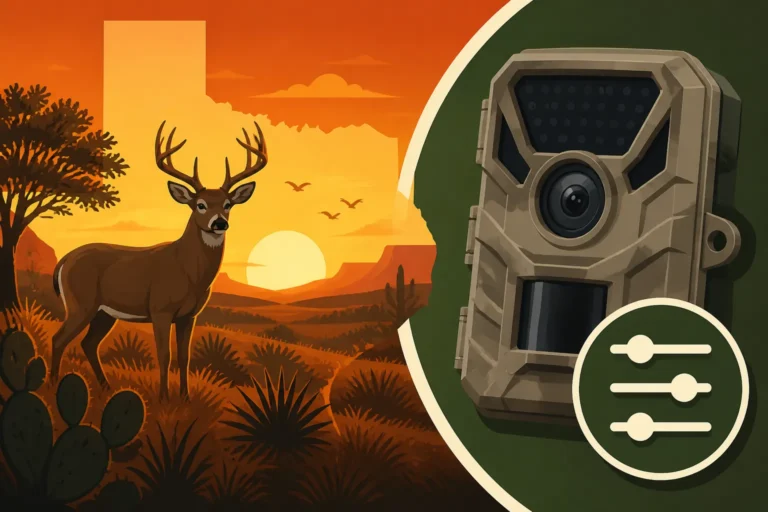
GardePro Trail Camera Review
It's incredibly frustrating when you invest in a piece of hunting gear only for it to underperform, especially with trail cameras that are supposed to be your eyes in the field when you can't be there. Missed photos, blurry night shots, or a dead battery after just a few weeks can ruin your scouting efforts and leave you feeling like you're always a step behind the deer. This guide is dedicated to providing an honest, in-depth review of the GardePro trail camera, breaking down its features, real-world performance in the challenging Texas environment, and whether it’s the right choice for your hunting setup.
First Impressions and Unboxing the GardePro Trail Camera
Pulling a new piece of gear out of its box always brings a mix of excitement and a little bit of apprehension. Will it live up to the hype? Will it be intuitive, or will I be wrestling with a complicated manual for hours? With the GardePro trail camera, the initial unboxing experience typically leaves you feeling pretty optimistic, especially given its competitive price point.
Initial Setup Experience
The first thing you usually notice is how straightforward the setup is. Most GardePro models are designed with user-friendliness in mind, which is a huge relief when you’re eager to get it deployed in the field. You'll find slots for your batteries, usually AA, and an SD card. Popping those in is generally a breeze, and the battery compartment often feels snug, giving you confidence that moisture won't easily seep in – a big plus for our humid Texas mornings. The included strap is usually robust and long enough to secure the camera to a variety of trees, even those thicker oaks or mesquites you find dominating the landscape in many parts of Texas.
The quick start guide is typically concise and to the point, guiding you through the basic settings without overwhelming you with jargon. Within minutes, you can usually have the date, time, and preferred photo/video mode selected, ready for its first mission. For hunters who want to hit the ground running, this simplicity is a definite advantage, allowing you to focus more on placement and less on fiddling with complicated menus.
Build Quality and Design
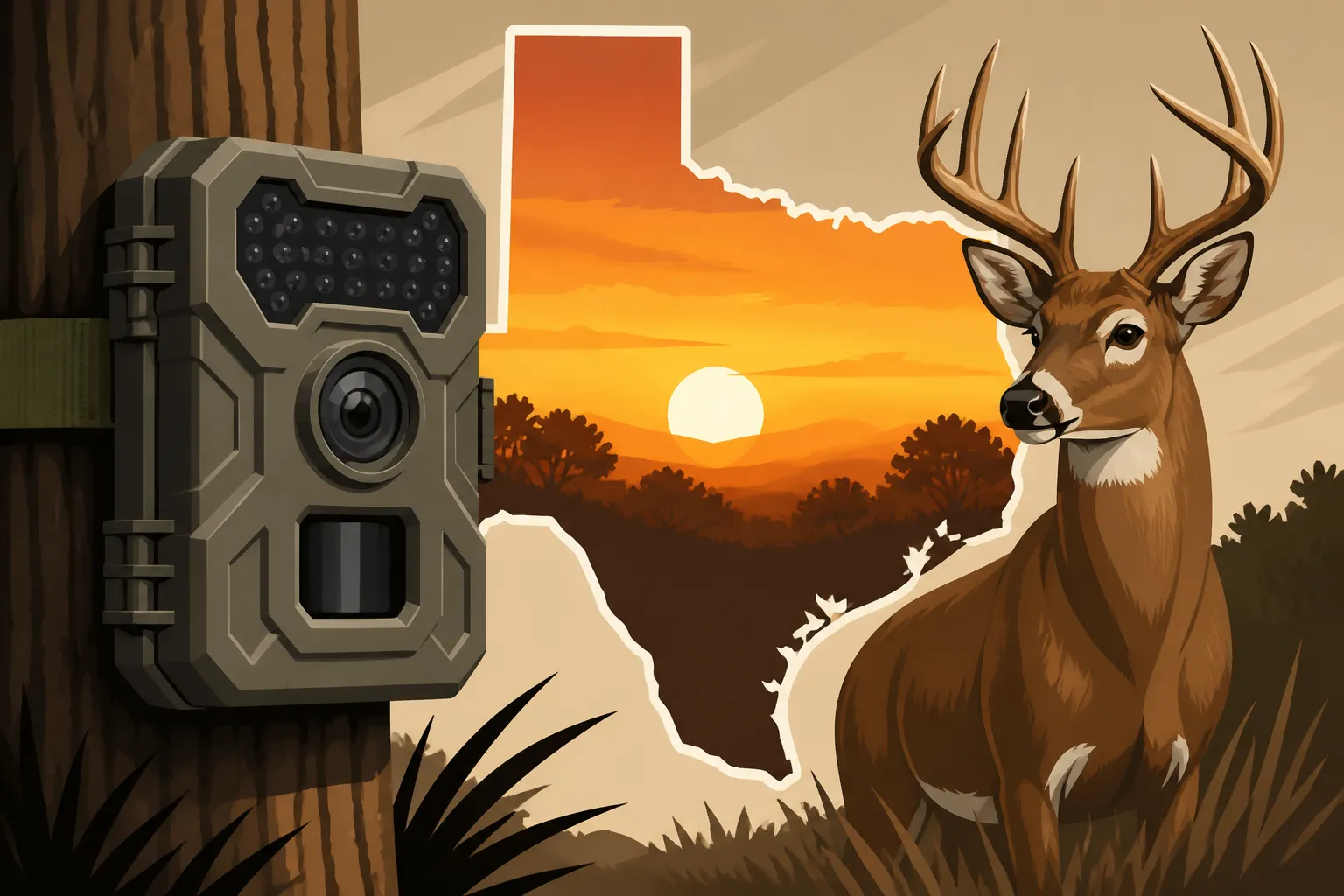
When you're out in the Texas brush country or the dense pineywoods, your gear takes a beating. It’s exposed to scorching sun, sudden downpours, strong winds, and the occasional curious critter. The GardePro cameras generally boast a sturdy, robust casing that feels like it can hold up to these demands. The plastic shell is often thick, and the latches securing the front cover tend to be firm, creating a good seal against dust and moisture.
Many models feature a drab green or brown camouflage pattern, which blends in remarkably well with the natural environment, especially when mounted on a tree trunk. This is crucial for keeping the camera inconspicuous, not just from game animals that might be spooked by an obvious object, but also from two-legged predators. The overall footprint is usually compact enough not to draw undue attention but large enough to accommodate decent internal components and battery capacity. It might not feel like a heavy-duty tank, but it certainly doesn't feel flimsy either.
Key Features and Specifications That Matter
When you're comparing trail cameras, it's easy to get lost in a sea of numbers and acronyms. What really matters to a hunter are the features that directly translate into better scouting and more successful hunts. The GardePro line, while not always top-tier in every single metric, focuses on delivering solid performance where it counts for the average hunter.
Image and Video Quality Day and Night
For any trail camera, the ability to capture clear, detailed images and videos is paramount. What good is a camera if you can't tell if that's a mature buck or just a spike? GardePro cameras typically offer decent resolution, often ranging from 20MP upwards for still photos and 1080p for video. In daylight, you can generally expect crisp, colorful images with good clarity, allowing you to easily identify deer, hogs, or whatever else crosses the camera's path. Motion blur is usually minimal unless the animal is sprinting directly across the frame at high speed, which is a challenge for many cameras.
Nighttime performance is where many budget cameras falter, but GardePro generally holds its own. They utilize infrared (IR) flash technology, which is invisible to animals, meaning you won't spook that trophy buck. Most models feature "no-glow" IR LEDs, ensuring the camera remains completely covert in the dark. While night images are naturally black and white, the clarity is usually sufficient to discern antler characteristics, body size, and species. The IR range is respectable, often reaching 65-75 feet, which is adequate for most feeder setups or game trails. If you're looking to learn more about what makes a good image for a specific type of game, you might want to check out guides like those on Best Gear for White-Tailed Deer Hunting in Texas or Best Gear for Feral Hog Hunting in Texas.
Detection Circuit and Trigger Speed
The detection circuit, comprising the PIR (Passive Infrared) sensor and the trigger speed, is the heart of a trail camera. It dictates whether the camera will actually capture what you want to see. A slow trigger means you’ll often get photos of the animal's rear end as it's already walking out of frame, which is frustrating to say the least. GardePro cameras typically boast a quick trigger speed, often around 0.2 to 0.5 seconds. In practical terms, this means that when an animal walks into the detection zone, the camera usually snaps a picture or starts recording video almost instantaneously.
The PIR sensor's range and angle are also crucial. GardePro models generally offer a wide enough detection angle (often 120 degrees) and a solid detection range, sometimes up to 80 feet, ensuring that animals aren't just slipping by unnoticed. The recovery time – how quickly the camera can take another picture or video after the first – is also an important factor. Most GardePro cameras have a decent recovery time, meaning you're not missing out on sequential photos of a group of animals, which is particularly helpful when you're trying to How to Pattern Bucks With Trail Cameras or monitor large groups of hogs.
Battery Life and Power Options
No one wants to drive out to their lease only to find their trail camera dead. Battery life is a constant concern, especially in Texas where you might have cameras deployed for weeks or even months at a time. GardePro cameras are generally quite efficient with their power consumption. Many models run on 8 AA batteries, and depending on your settings (photo vs. video, interval, night sensitivity), you can often expect several months of operation. Using high-quality alkaline batteries is recommended, but for maximum longevity and cost-effectiveness, investing in good rechargeable NiMH batteries can be a game-changer.
Furthermore, many GardePro units include an external power port (usually 6V), which allows you to connect a solar panel. This is an excellent feature, especially for cameras deployed in remote locations or during peak season when you don't want to disturb the area by frequently checking batteries. Coupling a GardePro with a reliable solar panel can provide virtually unlimited power, drastically reducing your trips to the camera and ensuring it's always ready to capture activity. You can learn more about extending your camera's life by researching options like Best Solar Panel for Deer Feeders.
Real-World Performance in the Texas Outdoors
Texas is a beast of its own when it comes to climate and terrain. A trail camera might work great in a mild northern climate but completely fail when subjected to our intense heat, humidity, and varied landscapes. This is where the rubber meets the road for any piece of outdoor gear.
Surviving the Texas Heat and Humidity
From the scorching summers in South Texas to the sweltering humidity of the Pineywoods, Texas weather puts electronics through the wringer. A common concern for hunters is whether a camera can handle the extreme temperature swings and persistent moisture without fogging up or malfunctioning. GardePro cameras, for their price point, generally perform admirably under these conditions. The sealed casing and robust construction mentioned earlier contribute significantly to their resilience against the elements.
While no camera is completely impervious to the Texas sun, which can heat internal components to extreme levels, GardePro units tend to maintain functionality without excessive false triggers or failures due to overheating. During heavy rain, as long as the door latches are securely fastened, the camera typically remains dry inside. This reliability is critical because you can’t afford to miss crucial scouting opportunities due to a camera failing mid-season, especially when you're preparing for Texas Deer Season 2026-2027: Dates by Zone or trying to understand Texas Hunting Seasons: Complete Calendar by Species.
Capturing Texas Wildlife: Deer, Hogs, and More
The true test of a trail camera is its ability to consistently capture game animals. In Texas, that means everything from elusive trophy whitetails in the Hill Country to vast numbers of feral hogs wreaking havoc. GardePro cameras excel at providing clear evidence of what's moving through your property. Their wide detection angle means fewer missed opportunities, and the fast trigger speed ensures you get full-body shots of animals, not just their tails.
For deer, you’ll get good insight into antler development, travel patterns, and overall herd health. For hogs, which often move in sounders and with surprising speed, the quick recovery time ensures you capture multiple animals as they pass by. Whether you're trying to identify that mature buck for the upcoming season or simply monitoring predator activity like coyotes, the GardePro typically delivers. Using these cameras strategically is a key part of your scouting arsenal, much like understanding optimal Best Deer Feeder Setup for Texas or implementing methods to How to Keep Hogs Out of Your Deer Feeder.
Ease of Use and Data Retrieval
One of the often-overlooked aspects of trail cameras is how easy they are to use once they're deployed. Are the menus intuitive? Is retrieving data a pain? GardePro usually keeps things simple. The internal screen, while typically small, is clear enough to navigate settings and review a few images in the field. This is handy for double-checking placement or confirming activity without having to pull the SD card immediately.
When it comes to retrieving data, most GardePro cameras are non-cellular, meaning you physically remove the SD card to view photos and videos on your computer or a dedicated viewer. While some hunters prefer cellular cameras for instant updates (and they certainly have their place for monitoring a remote lease), the simplicity and reliability of a non-cellular GardePro cannot be overstated. There's no subscription fee, no cellular signal issues, and the direct transfer of files is generally quick and hassle-free. This approach makes it a great option for those who want a reliable workhorse without the added complexity and cost of cellular plans, often recommended by resources like GoHunt for straightforward scouting needs.
Pros and Cons of the GardePro Trail Camera
Every piece of gear has its strengths and weaknesses, and the GardePro trail camera is no exception. Understanding these can help you decide if it aligns with your specific hunting needs and budget.
What We Loved (The Good)
One of the biggest selling points for GardePro is its exceptional value. You get a lot of performance for your money, making it an excellent choice for hunters who need multiple cameras without breaking the bank. The image and video quality, especially in daylight, are consistently good, providing clear and detailed captures. Nighttime performance with no-glow IR is also impressive for its class, ensuring stealth and effective animal detection after dark.
The robust, weatherproof build instills confidence that it will withstand the notoriously harsh Texas elements, from summer sun to winter rains. The fast trigger speed and wide detection angle mean you're unlikely to miss that fleeting shot, capturing animals as they enter the frame. The long battery life, especially when paired with an external solar panel, is another significant advantage, allowing for extended deployment and less disturbance to your hunting area. For hunters looking for reliable, straightforward scouting tools, the GardePro checks a lot of boxes. If you're managing a larger property, these features make it a strong contender for Best Trail Camera for Lease Monitoring.
Areas for Improvement (The Not-So-Good)
While GardePro offers great value, there are a few areas where it might not compete with higher-end models. The internal screen, while functional for quick checks, can be a bit small for detailed image review, often requiring you to take the SD card home for a proper look. Some users might find the menu navigation, though simple, a little less intuitive than pricier brands with larger color screens and more advanced interfaces.
Another point to consider is the lack of cellular connectivity on most GardePro models. While this keeps costs down and eliminates subscription fees, it means you won't get instant notifications or remote access to your photos. For hunters who demand real-time intelligence or have properties that are difficult to access frequently, a cellular model (like some offerings from Browning or Moultrie) might be a better fit, even if it comes with a higher price tag and ongoing data plan costs. However, for sheer reliability and performance without the tech fuss, GardePro holds its own.
Here's a quick overview of some common GardePro trail camera features:
| Feature | GardePro (Typical Model) | Notes |
|---|---|---|
| Photo Resolution | 20MP – 32MP | Good detail for identification. |
| Video Resolution | 1080p (with audio) | Clear video clips, helpful for behavior observation. |
| Trigger Speed | 0.2 – 0.5 seconds | Fast enough to catch moving animals. |
| Detection Range | 65 – 80 feet | Decent range for most scouting scenarios. |
| IR Flash Type | No-Glow Infrared | Invisible to animals, remains covert. |
| Power Source | 8 AA Batteries | Long life, compatible with rechargeable. |
| External Power Port | Yes (6V) | Allows for solar panel compatibility. |
| Waterproofing | IP66 Rated | Good resistance to dust and heavy rain. |
| Connectivity | Non-Cellular (SD Card) | Simple, no subscription, physical retrieval. |
| Mounting | Tree Strap & Tripod Thread | Versatile for various setups. |
Final Thoughts on GardePro Trail Cameras
The GardePro trail camera truly carves out a niche for itself as a reliable, high-value option for Texas hunters. It might not have every bells and whistle of the most expensive models on the market, but what it does, it does very well. It delivers clear images and videos, boasts a fast detection circuit, and is built tough enough to handle the relentless Texas outdoors.
For hunters who prioritize straightforward operation, solid performance, and excellent bang for their buck, a GardePro camera is definitely worth considering. It's an ideal choice for setting up multiple cameras around a feeder, monitoring various game trails, or simply keeping an eye on your property without constant interaction. It’s a tool that lets you focus on the hunt, not on fiddling with complicated technology or worrying about dead batteries. It's a testament to the idea that sometimes, reliable simplicity is exactly what you need in the field.
Disclaimer
The information provided in this article is for general guidance and informational purposes only. Hunting regulations, seasons, and requirements can change frequently. Always consult the latest official Texas Parks and Wildlife Department (TPWD) regulations before engaging in any hunting activities. Adherence to all local, state, and federal laws is the responsibility of the individual hunter.