Best Gear for Whitetail Deer Hunting in Texas
Hunting whitetail deer in Texas can be an incredibly rewarding experience, but let's be honest, it also presents some unique challenges. From the sweltering early season heat in South Texas to the dense brush of the Hill Country, and the vast open spaces of the Panhandle, having the right gear isn't just a luxury – it's crucial for comfort, success, and safety. This comprehensive guide will walk you through the essential equipment you'll need to confidently tackle your next Texas whitetail hunt, helping you make informed decisions so you're not caught unprepared.
Essential Gear for Your Texas Whitetail Hunt
When you're out chasing whitetails across the diverse landscapes of Texas, your core equipment needs to be up to snuff. We're talking about the fundamental tools that dictate whether you can even take a shot, let alone make a good one. Skimping on these basics can quickly turn a hopeful hunt into a frustrating ordeal.
The Right Rifle and Ammunition
Choosing your deer rifle for Texas is a deeply personal decision, but there are some practical considerations that transcend preference. Texas whitetails vary greatly in size, from the smaller Hill Country deer to the robust bucks of South Texas. This diversity means your rifle and ammunition need to be versatile enough to handle different scenarios. Most hunters opt for a medium-bore rifle, something that offers a good balance of knock-down power without excessive recoil. Calibers like the .30-06 Springfield, .270 Winchester, and .308 Winchester are perennial favorites for a reason; they've proven their effectiveness on whitetail for decades. For those hunting in more open areas where longer shots might be common, a flat-shooting cartridge like a 6.5 Creedmoor or .25-06 Remington can be a fantastic choice. Conversely, in dense brush, a .30-30 or even a .45-70 lever action can be surprisingly effective for quick, close-range encounters.
A crucial, yet often overlooked, aspect is ammunition selection. Don't just grab any box off the shelf. For deer, you want a bullet designed for controlled expansion, ensuring it penetrates deeply enough to reach vital organs while still expanding to create a devastating wound channel. Popular choices include bonded bullets like Federal Terminal Ascent, Hornady InterLock, or Barnes TTSX. Always sight in your rifle with the exact ammunition you intend to hunt with, and practice shooting from various field positions. Remember, shot placement is paramount, and even the most powerful rifle is useless if you can't put the bullet where it needs to go. For more details on effective rifle choices, you might want to read about the Best Rifle Scope for Texas Deer Hunting, as your scope is an integral part of your rifle system.
Optics for Spotting and Shooting
Texas whitetail hunting demands good optics, whether you're scanning miles of open mesquite brush or trying to pick apart dense cedar thickets. High-quality binoculars are your first line of defense in the field. A good pair, typically 10×42 or 12×50, will save your eyes from fatigue and help you spot deer that would otherwise go unnoticed. Look for binoculars with excellent light transmission for those crucial dawn and dusk hours when deer are most active. Brands like Vortex, Leupold, and Zeiss offer exceptional clarity and durability.
Your rifle scope is equally vital. It needs to be clear, hold zero reliably, and be appropriate for the typical distances you'll be shooting. For most Texas deer hunting, a variable power scope in the 3-9x or 4-12x range is more than sufficient, offering flexibility for both close and longer shots. If you hunt particularly thick country, a 1-4x or 2-7x might even be preferable. Beyond spotting and aiming, a reliable laser rangefinder is an absolute game-changer. It takes the guesswork out of estimating distances, allowing you to make precise shots, especially in unfamiliar terrain or when buck fever sets in. Imagine spotting a magnificent buck, but second-guessing the 300-yard shot; a rangefinder confirms the distance instantly, boosting your confidence. For a deeper dive, check out our guide on Best Hunting Optics for Texas: Scopes, Binos & Rangefinders. And when you're considering your hunting strategy, reliable mapping apps like those found in Best Hunting Apps for Texas (onX, HuntStand & More) can integrate seamlessly with your optical scouting.
Camouflage and Clothing Choices
Texas weather can be famously unpredictable, swinging from scorching heat to bitter cold, sometimes within the same week, especially in late season. Your clothing needs to be versatile and adaptable. For early season hunts in September and October, lightweight, breathable, moisture-wicking clothing is a must. Think quick-drying synthetic blends or merino wool. A good early-season camo pattern should blend with the greens and browns of the post-summer foliage. In the often-humid conditions, preventing sweat buildup is key to staying comfortable and minimizing scent.
As the season progresses into November and December, and especially into January, you'll need to layer up. A good base layer, insulating mid-layers (fleece or down), and a windproof, waterproof outer shell will keep you warm and dry. Camouflage patterns should shift to more muted, brown, and gray tones to match the dormant winter vegetation. Beyond camo, don't forget essential accessories like a comfortable, supportive pair of hunting boots – preferably waterproof and snake-proof, given the prevalent venomous snakes in many parts of Texas. A wide-brimmed hat or baseball cap and gloves are also vital for comfort and concealment. You don't want to be shivering in a blind when a trophy buck walks out, or sweating through your clothes before the sun even peaks.
Making Your Hunt More Efficient and Comfortable
Beyond the core essentials, a few pieces of gear can significantly enhance your comfort and efficiency in the field, turning a good hunt into a great one. These items are about making the most of your time and effort, from patiently waiting in a blind to effectively luring deer.
Setting Up Your Hunting Position
For most whitetail hunters in Texas, a static hunting position is key. This means blinds are incredibly popular, offering concealment, protection from the elements, and a stable shooting platform. You've got options:
- Box Blinds: These offer maximum comfort and weather protection. They're excellent for colder weather or rainy days, and allow for less movement, which is great for hunting with kids or just staying still. Brands like Atascosa Wildlife Supply and Redneck Blinds are popular choices among Texas hunters.
- Tripod Blinds: Offering a elevated vantage point, tripod blinds are fantastic for seeing over taller brush or small hills. They're more exposed than a box blind but provide a wider field of view.
- Ground Blinds: Portable and versatile, pop-up ground blinds are perfect for setting up quickly in a new spot or moving with the deer. They offer excellent concealment but less protection from the wind or rain.
The choice largely depends on your hunting style, the terrain, and how long you plan to sit. No matter your choice, ensure it's strategically placed, offers good shooting lanes, and is brushed in naturally to break up its outline. You can learn more about choosing the right setup by reading Box Blind vs Tripod vs Ground Blind in Texas. Proper placement is critical; always consider prevailing winds and deer travel patterns when deciding where to place your blind.
Attracting and Monitoring Deer
To consistently put yourself in front of whitetails, you often need to stack the odds in your favor. This frequently involves supplemental feeding and strategic scouting.
- Deer Feeders: Spin feeders for corn are ubiquitous across Texas. They disperse feed at timed intervals, conditioning deer to visit at specific times. For encouraging antler growth and herd health, protein feeders dispensing specialized pellets are also common, particularly on managed lands. Ensuring your feeder is set up correctly and has a reliable timer is paramount. For insights, check out Best Deer Feeder Setup for Texas.
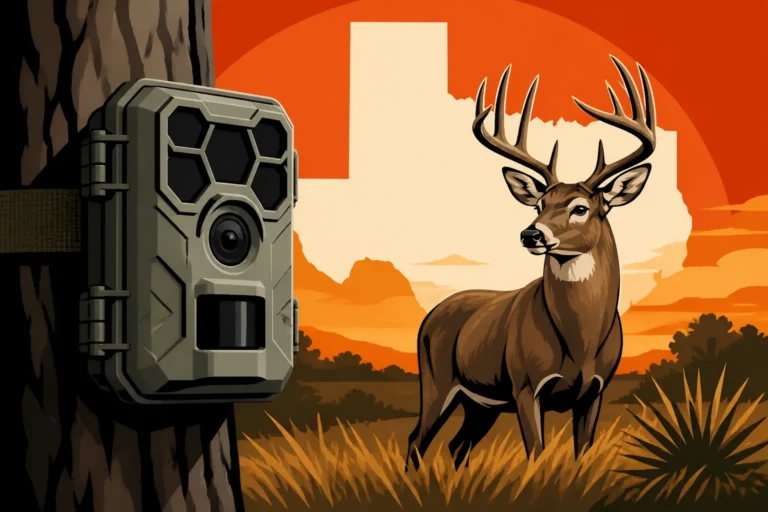
- Trail Cameras: These are invaluable scouting tools. By placing them on game trails, near feeders, or along fence lines, you can monitor deer movement, identify specific bucks, and even learn their routines without being present. Modern cellular trail cameras, like those from Tactacam Reveal or Moultrie Mobile, take this a step further by sending images directly to your phone, saving countless trips to the field. This passive scouting helps you understand deer patterns, which is critical for knowing when to hunt the rut in South Texas or other regional variations. Read our guide on How to Pattern Bucks With Trail Cameras for a deep dive into effective trail camera strategies.
When it comes to understanding deer movement and habits, resources like GoHunt can be incredibly useful. Their detailed data can help you analyze patterns, whether you're looking at historical trends or real-time intel from your trail cameras.
Navigation and Field Preparedness
Knowing where you are, where you're going, and having the right tools for unexpected situations is vital for safety and success.
- GPS Devices/Hunting Apps: While a traditional handheld GPS unit is reliable, most hunters today rely on powerful hunting apps like onX Hunt or HuntStand. These apps provide detailed satellite imagery, topographic maps, public/private land boundaries, and allow you to mark waypoints, track your movements, and even check weather forecasts. For navigating a new lease or public land, these are indispensable. GoHunt also offers some excellent mapping and scouting features that can help you understand the terrain and plan your approach.
- Survival Essentials: Even on a "short" hunt, always carry a small backpack with essentials: water, snacks, a first-aid kit, a whistle, a headlamp, and a fully charged cell phone (though don't rely solely on cell service in remote areas). A sharp knife and basic fire-starting materials are also wise additions. Texas terrain can be deceptive, and getting turned around is easier than you think, especially in dense brush or after dark. Being prepared for an unexpected overnight stay or a minor injury can make all the difference.
Post-Harvest Essentials: Field Dressing and Beyond
The work doesn't stop once you've harvested a deer. In Texas, where temperatures can remain high even into the late season, rapid and efficient field dressing and game care are critical to preserving your hard-earned venison.
Tools for Ethical Field Dressing
Field dressing needs to be done quickly and cleanly to ensure the meat cools down and prevents spoilage. A sharp, durable field dressing knife is non-negotiable. Many hunters prefer a gut hook knife for opening the body cavity safely, or a replaceable blade system like those offered by Havalon for consistent sharpness. Beyond a primary knife, a smaller boning knife can be useful for precision work.
- Gloves: Always wear disposable nitrile or latex gloves to prevent contamination of the meat and protect yourself from bloodborne pathogens.
- Bone Saw/Sawzall: While not always necessary, a small bone saw can be incredibly helpful for splitting the sternum or pelvis, aiding in quicker cooling. For those processing at home, a battery-powered reciprocating saw (Sawzall) can make quick work of larger bone structures.
- Game Bags: These breathable cloth bags protect the meat from flies, dirt, and debris while allowing it to cool. They're indispensable for quartering deer in the field, especially if you have a long haul back to camp.
The emphasis in Texas is always on cooling the animal as fast as possible. This means getting the hide off, getting the guts out, and getting air circulating around the carcass. For a complete walkthrough, refer to our detailed guide on Field Dressing & Processing Game in Texas Heat.
Game Retrieval and Preservation
After field dressing, you need a way to get your deer out of the field.
- Game Cart: A sturdy game cart can be a lifesaver, especially if you're hunting solo or far from vehicle access. These carts allow you to transport a deer or quarters with far less effort than dragging, saving your back and preserving the meat quality by minimizing dragging-induced friction and heat. Look for models with large, sturdy wheels that can handle uneven terrain.
- Coolers and Ice: This is arguably the most important piece of post-harvest gear in Texas. You need large, high-quality coolers (like those from Yeti, RTIC, or Orion) that can hold plenty of ice and keep it cold for days. Immediately after field dressing, quarter your deer and pack the meat on ice in these coolers. The goal is to drop the meat's temperature rapidly. For extended trips or multiple deer, consider bringing extra coolers or having a plan for ice resupply.
Having a solid plan for game retrieval and preservation, coupled with the right tools, ensures that your successful hunt culminates in delicious, high-quality venison for your table. It's the respect due to the animal and a testament to your preparedness. Knowing the various Texas Hunting Seasons: Complete Calendar by Species will help you plan your cooler needs accordingly for whatever you’re pursuing.
| Gear Category | Essential Items | Key Considerations for Texas Hunting |
|---|---|---|
| Firearm & Ammo | Rifle (.30-06, .270, .308, 6.5 Creedmoor) | Versatility for various whitetail sizes, appropriate for typical shot distances (brush vs. open country). |
| Controlled-expansion ammunition | Deep penetration, effective wound channel, sighted in with your rifle. | |
| Optics | Binoculars (10×42, 12×50) | Clarity, low-light performance, fatigue reduction, wide field of view. |
| Rifle Scope (3-9x, 4-12x) | Clear, reliable zero, appropriate magnification range for terrain. | |
| Laser Rangefinder | Quick, accurate distance measurement for confident shots. | |
| Clothing | Lightweight, breathable, moisture-wicking layers (early season) | Prevents overheating, minimizes scent, blends with green/brown foliage. |
| Insulating layers, wind/waterproof shell (late season) | Warmth, dryness, protection from cold fronts, muted brown/gray camo. | |
| Snake-proof boots | Protection from venomous snakes, comfort for walking varied terrain. | |
| Hunting Position | Box Blind, Tripod Blind, or Ground Blind | Concealment, weather protection, stable platform; choose based on terrain and hunting style. |
| Scouting & Attract | Deer Feeders (spin, protein) | Attracting/conditioning deer, promoting herd health. |
| Cellular Trail Cameras | Remote monitoring, patterning deer movement, identifying specific animals. | |
| Navigation | GPS device or Hunting App (e.g., GoHunt, onX Hunt) | Detailed maps, property lines, waypoints, safety in unfamiliar terrain. |
| Post-Harvest | Field Dressing Knife (gut hook, replaceable blade) | Quick, clean, ethical processing. |
| Disposable Gloves, Game Bags | Hygiene, meat protection, cooling. | |
| Large, High-Quality Coolers & Ice | Rapid meat cooling, preservation, especially critical in Texas heat. | |
| Game Cart | Efficient retrieval of harvested animals, reduces physical strain. |
Disclaimer
Please remember that hunting regulations, seasons, and licensing requirements in Texas can change. Always consult the most current Texas Parks and Wildlife Department Outdoor Annual before heading into the field to ensure compliance with all state laws.