Best Gear for Mule Deer Hunting in Texas
Hunting mule deer in Texas is a beast of its own, far different from slipping through the thick South Texas brush for whitetail. You're often battling vast, open landscapes, unforgiving rugged terrain, and the constant need for precision long-range shots. Without the right gear, you're not just going to be uncomfortable; you're going to be at a serious disadvantage. This comprehensive guide will walk you through the essential equipment you need to confidently pursue mule deer across the Panhandle and Trans-Pecos regions, ensuring you're prepared for whatever these challenging hunts throw your way.
The Foundation of Mule Deer Success: Optics
When you're chasing mule deer in Texas, especially in the expansive and often desolate areas of the Panhandle and the Trans-Pecos, your eyes are your most critical tool. You won't be relying on feeders or small food plots in dense woods; instead, it's all about finding game at incredible distances. This means your optics aren't just an accessory; they are the absolute cornerstone of your hunting strategy. Skimping here is like trying to drive a nail with a sponge – you're just making it harder on yourself.
High-Quality Binoculars and Spotting Scopes
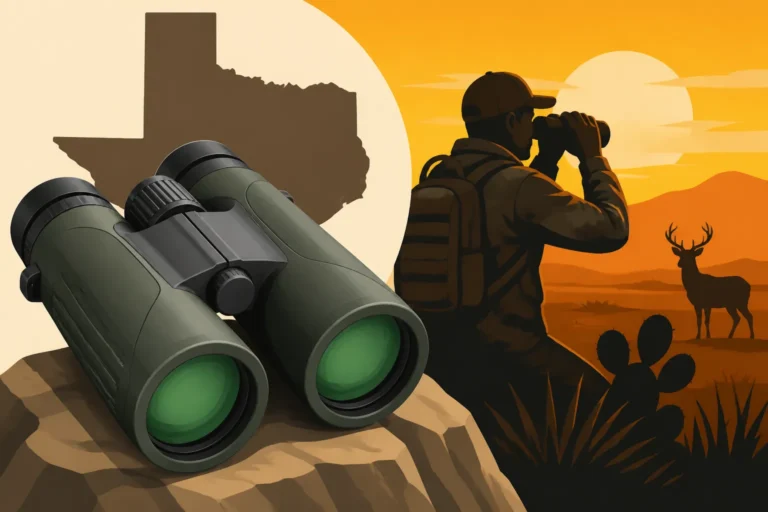
In the wide-open country where mule deer roam, you'll spend a tremendous amount of time behind glass. Good quality binoculars are your primary scouting tool, allowing you to systematically scan huge swaths of country from a vantage point. Don't just grab any pair; you need glass that offers crisp edge-to-edge clarity, excellent light transmission for those crucial dawn and dusk hours, and a comfortable ergonomic design for extended use. Many seasoned mule deer hunters prefer 10×42 or even 12×50 power binoculars for their ability to bring distant objects into view while maintaining a decent field of view. Investing in a quality brand known for its optical performance will pay dividends every single day you're in the field.
Beyond just binoculars, a spotting scope is practically non-negotiable for serious mule deer hunting. Once you've spotted a potential buck with your binos, the spotting scope allows you to scrutinize it in detail from afar. You can determine antler size, legality under Texas Mule Deer Antler Restrictions, and even assess its body language without risking spooking the animal. This is especially vital when you're trying to judge a buck that might be half a mile or more away. Pairing your spotting scope with a sturdy tripod is crucial for steady viewing, as even the slightest shake will render its high magnification useless. You'll often be spending hours glassing from a single spot, so comfort and stability are paramount. A good tripod will make your glassing sessions far more productive and much less fatiguing.
Precision Rangefinders for Long Shots
The vastness of Texas mule deer country means you're almost guaranteed to face longer shot opportunities than you might expect in other hunting scenarios. Estimating distance by eye alone is a recipe for missed shots and wounded animals. A reliable, accurate rangefinder is an absolute must-have piece of equipment. You need one that can consistently range out to at least 1,000 yards, and ideally more, especially if you anticipate shooting at longer distances or ranging landmarks for navigation. Many modern rangefinders also feature angle compensation, which is incredibly useful when shooting uphill or downhill, a common occurrence in the rolling hills and canyon lands of West Texas.
Don't wait until you're in the field to test your rangefinder. Practice with it extensively, ranging various objects at different distances and angles, so using it becomes second nature. This confidence in your equipment translates directly into ethical, precise shots when the moment of truth arrives. A rangefinder integrated into your binoculars can also be a fantastic feature, streamlining your glassing and ranging process into one fluid motion, saving you precious seconds when a big muley steps out.
Rifles, Ammunition, and Shooting Support
The challenges of mule deer hunting in Texas don't stop with finding the animal; they extend to making the shot, often under less-than-ideal conditions. The open country demands a different approach to firearms and shooting stability compared to tighter, brushier environments.
Choosing the Right Caliber and Rifle
For mule deer, you're looking for a rifle chambered in a caliber known for its flat trajectory and energy retention at extended ranges. While classic calibers like the .270 Winchester and .30-06 Springfield are perfectly capable, many hunters now lean towards newer cartridges such as the 6.5 Creedmoor, 6.5 PRC, or 7mm Rem Mag for their ballistic advantages at longer distances. These calibers offer excellent precision and manageable recoil, allowing for more accurate shooting, especially when taking follow-up shots might be necessary. A quality rifle with a good trigger and a scope matched to the rifle's capabilities is essential. You'll want a scope with clear glass and reliable turrets for making precise adjustments if you're comfortable dialing for distance.
The rifle itself should be something you're intimately familiar with. You need to know exactly how it shoots with your chosen ammunition at various distances, not just 100 yards. This means extensive range time, shooting from field positions, and understanding your ballistic data. Remember, shot placement is always king, and a well-placed shot from a .270 is far more effective than a marginal hit from a magnum. Focus on accuracy, not just raw power. When considering your setup, think about the overall weight; you might be covering significant ground during a spot-and-stalk hunt, and a lighter rifle can make a big difference in reducing fatigue.
Stability for Ethical Long-Range Shots
Unlike hunting from a fixed box blind or a tree stand, mule deer hunting often involves dynamic shooting scenarios where you need to get stable quickly. Shooting sticks, a bipod, or even a small tripod for your rifle are absolutely critical tools for ensuring an ethical shot. Trying to freehand a shot at 300+ yards, especially with an elevated heart rate after a long stalk, is asking for trouble. A bipod that attaches to your rifle offers a stable platform for prone or seated shots, which are often the steadiest positions you can achieve in the field.
Shooting sticks are incredibly versatile, allowing for stable standing, kneeling, or seated shots, adapting to the terrain and vegetation. Practice deploying your chosen shooting support system quickly and quietly. The faster and more efficiently you can get into a stable shooting position, the higher your chances of success. Never underestimate the power of a solid rest; it dramatically increases your effective range and your confidence, which are both crucial for Mule Deer Hunting Tactics for Texas. This equipment ensures you can make the most of those hard-earned opportunities, even when the wind is blowing, or you're positioned on an uneven slope.
Essential Field Gear for Rugged Texas Terrain
The vastness and often harsh conditions of Texas mule deer habitat require more than just hunting tools; you need to be self-sufficient and comfortable enough to endure long days in the field. From what you carry on your back to what you put on your feet, every piece of gear plays a role in your success and safety.
Backpacks for Comfort and Capacity
A good hunting backpack is your mobile base camp. For mule deer hunting, you'll likely be doing a fair amount of walking, glassing, and stalking, so comfort is paramount. Look for a pack with a well-padded hip belt, adjustable shoulder straps, and a breathable back panel to manage sweat in the Texas heat. The capacity of your pack needs to be appropriate for a full day's hunt, carrying essentials like water, snacks, extra layers of clothing, your optics, a first-aid kit, and enough space for deboned meat if you're lucky enough to harvest an animal. Brands like Mystery Ranch or Kuiu offer excellent packs designed specifically for mountain and backcountry hunting, which translate beautifully to the demands of Texas mule deer country.
Think about the organization of your pack too. External pockets for quick access to your rangefinder or calls, a dedicated spotting scope sleeve, and internal compartments to keep gear organized are incredibly helpful. A pack that allows you to comfortably carry your rifle externally when you're hiking into your glassing point is also a huge plus. Having all your gear easily accessible and securely stored means less fumbling and more focus on the hunt. For more advice on choosing the right carry-all, check out our guide on the Best Hunting Backpack for Texas.
Footwear and Clothing for Varied Weather
Your feet are your most important mode of transportation when you're out chasing mule deer. Investing in high-quality, comfortable, and supportive hunting boots is non-negotiable. The terrain in the Trans-Pecos, for example, can be rocky, steep, and covered in prickly pear cactus, while the Panhandle might offer more rolling plains but still demand durable footwear. Look for boots with good ankle support, a stiff sole for navigating rocky ground, and waterproof construction. Break them in well before your hunt to avoid blisters, which can quickly ruin a trip. Many hunters prefer a sturdy 8-inch boot for general mule deer hunting, with some opting for even taller snake boots when traversing areas known for rattlesnakes.
Texas weather can be famously unpredictable, even in the Panhandle or Trans-Pecos. A warm, sunny morning can quickly turn into a chilly, windy afternoon, especially at higher elevations. Layering your clothing is the smart play. Start with a moisture-wicking base layer, add an insulating mid-layer like fleece or a puffy jacket, and top it off with a windproof and water-resistant outer shell. Early season hunts might call for lighter, breathable camo, while late-season demands warmer options. Always bring a hat for sun protection and a good pair of gloves. Dressing in layers allows you to adapt to changing conditions, staying comfortable and focused on the hunt.
Navigation and Communication in Remote Areas
Mule deer hunting often takes you into truly remote parts of Texas, far from cell service and well-marked trails. Losing your way or finding yourself in an emergency without a way to call for help are serious concerns. Proper navigation and communication tools aren't just convenient; they're essential safety equipment.
Reliable GPS and Mapping Tools
While a compass and paper map are always smart backups, modern GPS devices and hunting apps have revolutionized navigation. A dedicated handheld GPS unit or a robust hunting app on your smartphone, like GoHunt, can provide incredibly detailed topographic maps, satellite imagery, and the ability to mark waypoints for your vehicle, glassing points, or any game you might find. GoHunt, for instance, offers detailed land ownership maps, which are crucial for staying on legal hunting ground, especially when you're hunting near public/private land boundaries or have specific lease boundaries. It allows you to download maps for offline use, ensuring you have navigation even when cell service is nonexistent, which is a common scenario in many remote hunting areas.
Before heading out, make sure your devices are fully charged and that you've downloaded all necessary maps for your hunting area. Familiarize yourself with how to use your chosen mapping tool to navigate, mark points of interest, and track your movements. Knowing your position at all times not only keeps you safe but also helps you analyze game movement patterns and plan effective stalks. This preparation reduces stress and allows you to focus on the task at hand: finding and pursuing mule deer. If you're looking for more digital scouting options, consider exploring some of the Best Hunting Apps for Texas (onX, HuntStand & More).
Staying Connected When Off-Grid
Many of the prime mule deer hunting spots in Texas are outside of reliable cellular coverage. This is where satellite communication devices become invaluable. A satellite messenger, like those from Garmin InReach or Zoleo, allows you to send and receive text messages, share your location, and most importantly, trigger an SOS alert in case of an emergency, even when you have no cell service. These devices offer peace of mind, not just for you but also for your loved ones who can track your progress or be contacted if something goes wrong.
Even if you're hunting with a partner, having a way to communicate across canyons or over long distances without shouting is incredibly useful. Two-way radios can be effective for short-range communication within your hunting party, but for true off-grid emergencies or connecting with people outside your immediate group, satellite communication is the way to go. Consider battery life and ensure your device is fully charged before you leave home, and bring a portable power bank as a backup. Being prepared for the unexpected is a hallmark of a responsible hunter.
Essential Gear for Mule Deer Hunting in Texas
| Category | Key Gear Item | Why It's Essential | Important Considerations |
|---|---|---|---|
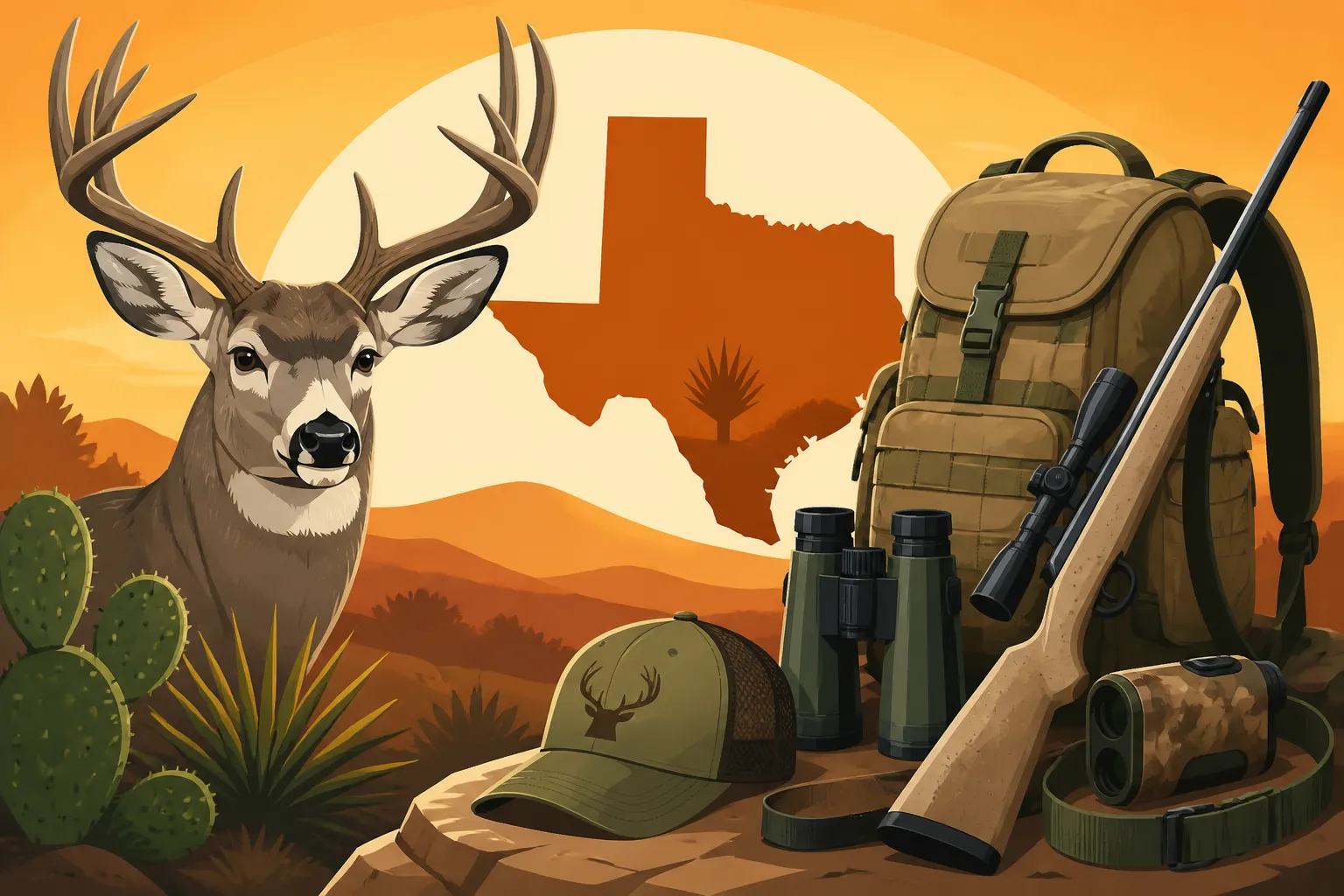
| Optics | Binoculars (10×42, 12×50) | Locating deer at long distances in open country. | Edge-to-edge clarity, low-light performance, ergonomic design. |
| Spotting Scope (20-60x or higher) + Tripod | Detailed antler scoring, identifying sex, body language at extreme range. | Stable tripod is crucial; good glass quality. | |
| Rangefinder (1000+ yard capability) | Precise distance measurement for long-range shots. | Angle compensation, quick readings, long battery life. | |
| Firearm | Flat-shooting Rifle (.270, 6.5 CM, .30-06, 7mm Mag) | Accuracy and energy retention at extended ranges. | Familiarity with rifle, quality scope, proper zero. |
| Quality Ammunition | Consistent ballistic performance. | Test extensively, match to rifle. | |
| Bipod or Shooting Sticks | Stable shooting platform for ethical long-range shots. | Quick deployment, adjustability, lightweight. | |
| Field Gear | Comfortable Hunting Backpack | Carrying essentials, packing out meat. | Padded hip belt, adjustable straps, appropriate capacity, organization. |
| Durable Hunting Boots | Foot support and protection in rugged, rocky terrain. | Ankle support, stiff sole, waterproof, broken-in. | |
| Layered Clothing System | Adapting to varied Texas weather conditions. | Moisture-wicking base, insulating mid, wind/waterproof shell. | |
| Water Bottles/Hydration Bladder | Staying hydrated in arid environments. | Adequate capacity for full day, easy access. | |
| Navigation & Communication | GPS Device or Hunting App (e.g., GoHunt) | Navigation, property lines, marking waypoints. | Offline map capability, battery life, user-friendliness. |
| Satellite Messenger (e.g., Garmin InReach) | Emergency communication where cell service is absent. | SOS function, two-way messaging, battery life. | |
| First-Aid Kit | Addressing minor injuries or emergencies. | Comprehensive, accessible, relevant to wilderness. |
Disclaimer
Hunting is an inherently risky activity. Always prioritize safety, adhere to all Texas Parks and Wildlife Department regulations, and respect private property. The information provided here is for educational purposes and should not replace professional guidance or personal judgment. Stay safe and hunt responsibly.