Best Binoculars Under $500 for Texas Hunting
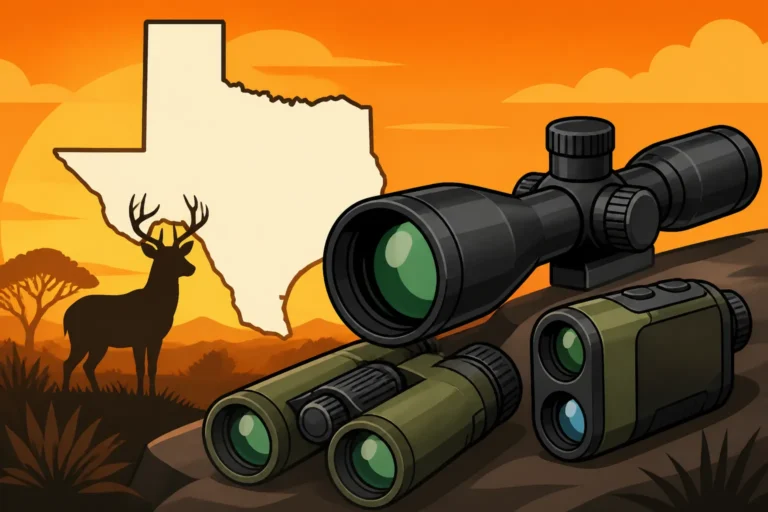
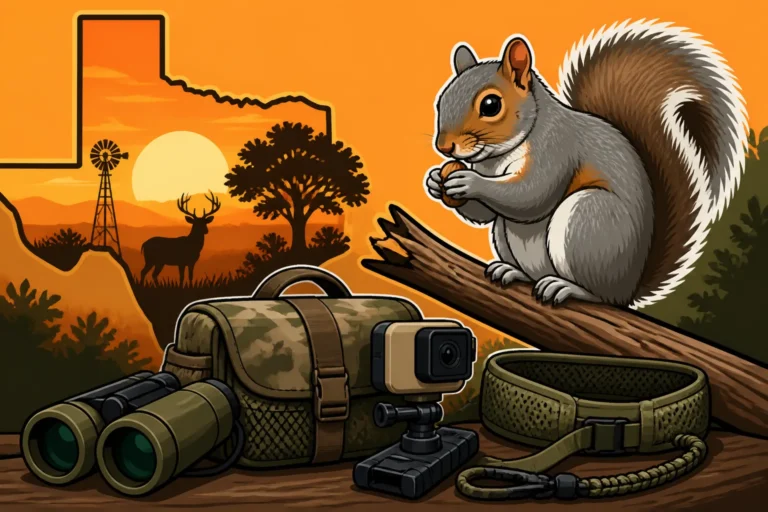
Finding a reliable pair of binoculars that won't break the bank but can still stand up to the rugged demands of Texas hunting can feel like searching for a needle in a haystack. Many hunters get frustrated with cheap optics that fog up, lose focus, or simply don't offer the clarity needed to spot that elusive buck in the dense brush or across wide-open plains. This guide is here to cut through the noise, offering a detailed look at the best binoculars under $500 that deliver performance, durability, and a clear view, ensuring you make the most of your hunting season without emptying your wallet.
Why Quality Binoculars Matter Even on a Budget
It's tempting to think that "good enough" binoculars will do, especially when you're trying to keep costs down. But I've been there, staring through foggy lenses or struggling to identify a deer at distance, only to realize that investing a little more in decent glass makes all the difference. In Texas, where the terrain can shift from dense South Texas brush to open Panhandle plains, and the light conditions change dramatically from dawn to dusk, your binoculars are often your most crucial scouting tool.
Spotting Game in Diverse Texas Terrains
Texas is a vast state with incredibly varied landscapes, each presenting its own unique challenges for hunters. In the thick mesquite and prickly pear of South Texas, you need binoculars that can pick apart shadows and pierce through the heavy cover to reveal a hidden deer. A crisp, bright image is paramount when you're trying to distinguish an antler tine from a branch at 200 yards. For hunters stalking through these areas, a good pair of binoculars is indispensable for success.
Conversely, if you're out in the Trans-Pecos region, glassing for mule deer across vast canyons and open expanses, range and clarity are king. You'll spend hours behind the glass, meticulously scanning distant ridges and draws. Cheaper binoculars often cause eye strain and fatigue during long glassing sessions, which can lead to missed opportunities. Having a clear, comfortable view means you're more likely to spot that twitch of an ear or the subtle movement of a bedded animal before it spots you. When you're trying to decide if that distant form is legal under Texas antler restrictions: The 13-Inch Rule Explained, good optics are non-negotiable.
Enhancing Safety and Situational Awareness
Beyond just spotting game, quality binoculars play a significant role in overall safety and situational awareness in the field. Texas weather can be unpredictable, and terrain can be unforgiving. Being able to clearly see your surroundings, identify potential hazards like venomous snakes, or simply scout out your route of travel before committing can prevent unnecessary risks.
Imagine you're on a Spot-and-Stalk Hunting in Texas (Exotics & Mule Deer) hunt in the Hill Country, navigating rocky inclines and dense cedars. Your binoculars allow you to assess the landscape ahead, spot other hunters or livestock, and ensure you're aware of any changes in the environment. This isn't just about bagging an animal; it's about making informed decisions that keep you, and those you're hunting with, safe. They also help immensely when you are trying to understand where property lines are, especially if you are hunting on a new lease.
Key Features to Look for in Budget-Friendly Binoculars
When you're shopping in the sub-$500 category, you're not going to get the same ultra-premium glass or advanced features as models costing thousands. However, that doesn't mean you have to compromise on core performance. The trick is to identify the features that offer the most bang for your buck and prioritize them. You want a pair that delivers consistent performance, even if it doesn't boast every high-end bells and whistle.
Magnification and Objective Lens Size
This is usually the first number you see on a binocular, like "8×42" or "10×42." The first number (8x or 10x) is the magnification, telling you how many times closer an object appears. The second number (42) is the diameter of the objective lens in millimeters, which dictates how much light enters the binocular.
For general Texas hunting, an 8×42 or 10×42 binocular is often the sweet spot.
- 8×42 binoculars offer a wider field of view, making it easier to scan large areas and track moving targets. They also provide a brighter image in low light and are generally more stable to hold, reducing handshake. This can be particularly useful when you're moving through brush or trying to quickly acquire an animal.
- 10×42 binoculars bring subjects closer, which is excellent for detailed glassing across long distances, common in the Panhandle or when trying to judge antlers from afar. The trade-off is a slightly narrower field of view and a bit more noticeable handshake, but many experienced hunters prefer the extra magnification for precision. Ultimately, the best choice depends on your specific hunting style and the typical terrain you frequent.
Optical Quality and Coatings
This is where many budget binoculars fall short, but it's also where savvy shoppers can find hidden gems. Optical quality refers to the clarity, brightness, and color fidelity of the image you see. Look for binoculars that use "fully multi-coated" lenses. This means all air-to-glass surfaces have multiple layers of anti-reflective coatings, which dramatically reduce light loss and glare, resulting in a much brighter and sharper image.
Another factor is the prism type. Most modern binoculars use either Porro prisms or Roof prisms. Roof prism binoculars are more compact and streamlined, while Porro prisms often provide a wider field of view and a more three-dimensional image. Within roof prisms, look for phase-corrected coatings. These correct phase shift issues that can occur in roof prism designs, leading to better resolution and contrast. Don't underestimate the importance of these coatings; they can transform an otherwise mediocre binocular into a surprisingly capable one, making it easier to identify a deer in a thicket or pinpoint a dove in flight.
Durability and Weatherproofing
Texas hunting conditions are tough. From scorching summer heat during Best Way to Hunt Hogs in Summer to unexpected downpours, dusty winds, and even cold snaps, your gear needs to withstand a lot. Binoculars need to be rugged. Look for models that are advertised as "waterproof" and "fogproof."
Waterproofing is typically achieved by O-ring sealing, which prevents moisture, dust, and debris from entering the optical system. Fogproofing usually involves purging the optical tubes with an inert gas like nitrogen or argon, which prevents internal fogging duein to rapid temperature changes. This is crucial when you move from a warm truck into the cool morning air, or when humidity is high. A rubber armor coating is also highly desirable, as it provides a secure grip and protects the binoculars from bumps and drops, which are inevitable in the field. Brands like Vortex and Leupold are known for their robust construction, even in their more affordable lines.
Ergonomics and Weight
You're going to be carrying these binoculars, and often holding them up to your eyes for extended periods. Their feel in your hands and their overall weight matter significantly. Ergonomics refers to how comfortable and intuitive the binoculars are to use. A good pair will fit comfortably in your hands, with easily accessible focus wheels and diopter adjustments.
Weight is another crucial consideration, especially if you're planning on long hikes or simply prefer to keep your gear light. While larger objective lenses generally mean more weight, modern designs are often quite efficient. An average 10×42 binocular usually weighs between 20-25 ounces. If you're constantly on the move, like during Spot-and-Stalk Aoudad in West Texas or How to Hunt Mule Deer in the Panhandle, every ounce counts. Try to find a pair that feels balanced and comfortable, reducing strain during those long days afield.
Top Binocular Brands and Models Under $500 for Texas Hunters
When you're trying to balance cost with performance, certain brands consistently deliver excellent value. These companies understand that not every hunter can drop a grand or more on optics, but they still strive to provide reliable, clear glass that will perform when it counts. Based on my experience and what I see other Texas hunters using successfully, these brands and their specific models are fantastic options in the sub-$500 range.
Vortex Optics
Vortex has earned a stellar reputation among hunters for providing high-quality optics at accessible price points, backed by an unbeatable warranty. Their commitment to customer satisfaction is legendary, which provides a lot of peace of mind.
- Vortex Diamondback HD 10×42 or 8×42: These are often considered a benchmark for value in the hunting optics world. The Diamondback HD line incorporates high-definition optical system for sharper images, and they are fully multi-coated for excellent light transmission. They're built tough with a rubber armor and are O-ring sealed and argon-purged for waterproof and fogproof performance. For the price, the clarity and brightness you get are impressive. Many hunters using these have found them perfectly capable of glassing distant fields for dove or scanning brush for deer during Best Time of Day to Hunt Whitetail in Texas.
- Vortex Viper HD: While often pushing the upper limit of the $500 budget, sometimes you can find a Viper HD on sale for just under that mark, and if you do, snag it! The Viper HD offers even greater resolution, color fidelity, and low-light performance thanks to its extra-low dispersion (XD) glass. These binoculars offer a noticeable step up in optical quality, making detailed identification easier, which is critical when you're trying to distinguish legal bucks from young deer.
Leupold
Leupold is an iconic American brand, well-known for its rifle scopes, but their binoculars also offer fantastic performance and rugged reliability, perfectly suited for the demands of Texas hunting. Their quality control is excellent, ensuring a dependable product.
- Leupold BX-1 McKinley HD 10×42 or 8×42: These binoculars are built with Leupold's proprietary Twilight Max Light Management System, which helps extend your viewing time in low-light conditions – a huge advantage during critical dawn and dusk hunting periods. They are also fully multi-coated and feature an armored, waterproof, and fogproof design. The BX-1 McKinley HD offers a bright, clear image with excellent resolution, making them a solid choice for a wide range of Texas hunting scenarios, from the Pineywoods to the South Texas brush country.
- Leupold BX-2 Alpine HD 10×42 or 8×42: Stepping up slightly from the McKinley, the BX-2 Alpine HD offers enhanced performance with Leupold's Advanced Optical System, providing even better light transmission, glare reduction, and resolution. These binoculars feel robust in hand and are designed to be extremely durable, ensuring they can handle the bumps and scrapes of the hunting season. For someone who spends a lot of time in the field, these are a reliable companion.
Bushnell
Bushnell has been a go-to brand for budget-conscious hunters for decades, consistently delivering functional optics. They offer a range of binoculars that provide a good balance of features and affordability, ideal for the casual hunter or someone just starting out.
- Bushnell Engage 10×42 or 8×42: The Engage series from Bushnell is a great option for the price. They feature ED Prime Glass for superior color resolution and contrast, along with Bushnell's EXO Barrier protective lens coating, which repels water, oil, fog, dust, and debris – a massive plus for keeping your view clear in dusty or wet Texas conditions. They are also fully multi-coated and come in a durable, waterproof, and fogproof housing. These are versatile binoculars that can handle anything from Dove Hunting in Texas: The Sept 1 Opener Guide to deer season.
- Bushnell Forge 10×42 or 8×42: Similar to the Vortex Viper HD, the Bushnell Forge series occasionally dips below the $500 mark during sales. If you find them in this price range, they are an exceptional value. They boast even higher quality ED Prime Glass, PC3 Phase Coating, and a Dielectric prism coating for outstanding light transmission and resolution. The Forge binoculars provide a bright, sharp image that competes with much higher-priced optics, making them perfect for serious hunters who need every edge possible.
Athlon Optics
Athlon Optics is a newer player compared to some of the veterans, but they've quickly gained a loyal following by offering impressive optical performance and features at very competitive prices. They are quickly becoming a favorite among hunters looking for maximum value.
- Athlon Midas G2 UHD 10×42 or 8×42: These binoculars are a fantastic value. The Midas G2 line features Extra-Low Dispersion (ED) glass to reduce chromatic aberration, providing a clearer, sharper image with truer color. They are also fully multi-coated and utilize ESP Dielectric Coating and Phase Correction coating on the prisms, which dramatically improves light reflection and resolution. The Midas G2 binoculars are also argon purged for waterproofing and fogproofing, ensuring they perform in any Texas weather. Many hunters note how comfortable these are to hold for extended periods, a bonus when you're trying to find that one deer in the dense brush. GoHunt reviews often highlight Athlon as a top budget performer.
- Athlon Argos G2 HD 10×42 or 8×42: The Argos G2 HD offers a slightly more entry-level price point than the Midas but still delivers excellent performance for the money. They feature HD glass, advanced fully multi-coated lenses, and a waterproof, fogproof construction. While they might not have every high-end coating found on the Midas, they still provide a bright, clear image that far surpasses many other binoculars in their price range. These are an excellent choice for a first pair of quality hunting binoculars.
Here's a quick comparison of some popular choices:
| Binocular Model (10×42) | Price Range (Approx.) | Key Features | Best For |
|---|---|---|---|
| Vortex Diamondback HD | $250 – $300 | HD Optical System, Fully Multi-Coated, Waterproof/Fogproof | All-around hunting, great value, excellent warranty |
| Leupold BX-1 McKinley HD | $200 – $250 | Twilight Max Light Management System, Fully Multi-Coated, Waterproof/Fogproof | Low-light performance, reliable, durable |
| Bushnell Engage | $200 – $250 | ED Prime Glass, EXO Barrier, Fully Multi-Coated, Waterproof/Fogproof | Harsh conditions, clear view in rain/dust, good contrast |
| Athlon Midas G2 UHD | $350 – $450 | ED Glass, Dielectric/Phase Corrected, Fully Multi-Coated, Waterproof/Fogproof | Advanced optical performance for the price, excellent clarity |
| Vortex Viper HD (on sale) | $450 – $550 | XD Glass, Dielectric/Phase Corrected, XR Lens Coatings, Waterproof/Fogproof | Premium clarity and low-light if found under $500, top-tier warranty |
Note: Prices are approximate and can vary based on retailer and sales.
Getting the Most Out of Your Budget Binoculars
Even the best binoculars under $500 won't perform optimally if you don't know how to use and care for them properly. Just like a well-maintained rifle, a well-cared-for pair of binoculars will serve you faithfully for years. Understanding the basics of adjustment, technique, and maintenance will significantly enhance your experience in the field.
Proper Adjustment and Usage Techniques
Many hunters just grab their binoculars and start glassing, but taking a few moments to properly adjust them can make a huge difference in comfort and clarity.
- Adjust the Eyecups: Most binoculars have adjustable eyecups that twist up or down. If you wear glasses, keep them down. If you don't, twist them up until you see a full, clear field of view without black rings around the edges.
- Set the Interpupillary Distance: This is the distance between the center of your pupils. Bend your binoculars at the hinge until you see a single, perfectly round image. This ensures your eyes are aligned with the optical path, preventing eye strain.
- Adjust the Diopter: This is a crucial step often overlooked. The diopter ring (usually on the right eyepiece) compensates for differences in vision between your two eyes.
- First, close your right eye and use the main focus wheel to bring an object into sharp focus with your left eye.
- Then, close your left eye and, without touching the main focus wheel, use only the diopter ring to bring the same object into sharp focus with your right eye.
- Once set, you should only need to use the main focus wheel for all future adjustments.
Proper glassing technique is also important. Don't just wildly sweep the landscape. Instead, scan an area systematically, moving in small, overlapping sections. Use a tripod or lean against a tree for stability, especially with 10x magnification, to reduce handshake. This steady approach is key to spotting subtle movements, much like How to Scout for Deer Before Season in Texas. Carrying your binoculars with a comfortable harness, rather than just around your neck, will also distribute the weight better and keep them secure yet accessible.
Maintenance and Care for Longevity
Your binoculars are an investment, even at the sub-$500 level, and proper care will ensure they last through countless hunting seasons.
- Cleaning Lenses: Dust and grit are the enemy of optical coatings. Always use a lens brush or canned air to remove loose debris before wiping the lenses. Then, use a microfiber cloth specifically designed for optics, breathing lightly on the lens if needed to create a little moisture. Avoid using harsh chemicals or your shirt, which can scratch the coatings. Carry a small cleaning kit with you in the field.
- Protection: When not in use, keep your binoculars in their case or a padded compartment of your backpack. A good binocular harness will also keep them protected against bumps and scratches while you're moving. Avoid leaving them in direct sunlight for extended periods, especially inside a vehicle, as extreme heat can sometimes affect internal components or seals.
- Storage: Store them in a cool, dry place. If they get wet during a hunt, wipe them down thoroughly and let them air dry completely before putting them away to prevent mildew or corrosion. Regularly check the caps and seals for any signs of wear or damage.
Accessories to Enhance Your Experience
While the binoculars themselves are the main event, a few affordable accessories can significantly improve your hunting experience.
- Binocular Harness: This is probably the most essential accessory. A good harness, like those from FHF Gear or Leupold, distributes the weight of your binoculars across your shoulders and back, rather than just your neck. It keeps your binoculars secure, close to your chest, and prevents them from swinging around, while also making them instantly accessible. Many harnesses also offer a protective pouch, adding an extra layer of defense against the elements and impacts.
- Lens Cleaning Kit: A compact kit with a lens pen, microfiber cloth, and a small bottle of lens cleaning fluid is invaluable. Keeping your lenses pristine is paramount for optimal image clarity.
- Tripod Adapter: If you opt for 10x binoculars or higher and plan on extensive glassing, a tripod adapter allows you to mount your binoculars to a photography tripod. This eliminates all handshake, providing a rock-steady image that will allow you to pick out details at extreme distances without eye fatigue. Brands like Vortex offer their own universal adapters. While this might slightly push you over the $500 mark with the tripod, it's a worthwhile investment for serious long-range glassing. GoHunt subscribers often share tips on how to effectively use tripods for spotting game in open country.
Disclaimer
Please note that hunting regulations and seasons in Texas can change. Always consult the most current Texas Parks and Wildlife Department (TPWD) Outdoor Annual before heading afield. The information provided here is for general guidance and educational purposes only.