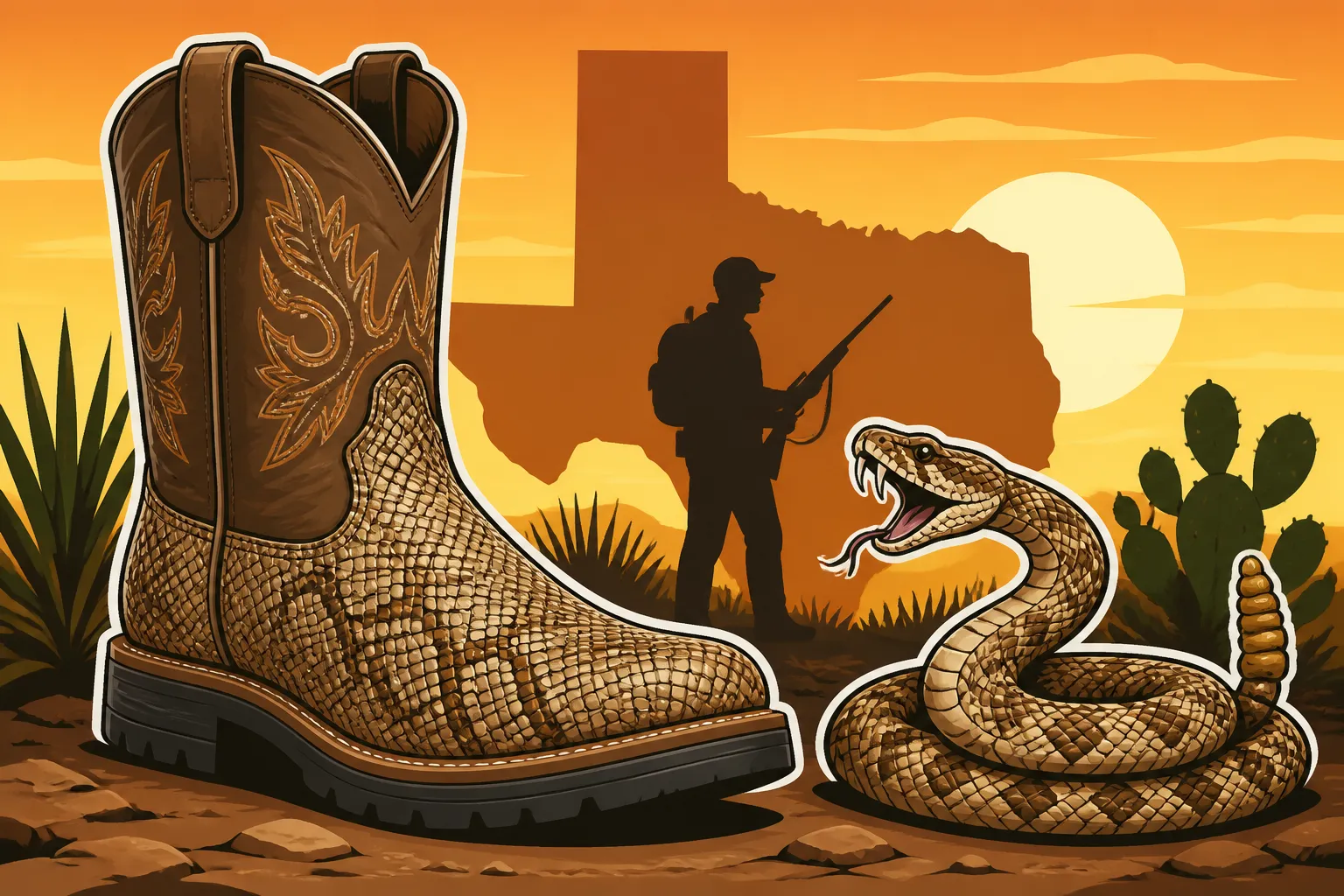
Best Cheap Snake Boots for Texas Hunting
There's nothing quite like the sudden, heart-stopping moment you realize you've nearly stepped on a coiled rattlesnake or plunged your hand into a thicket where a copperhead might be hiding. The sheer anxiety of encountering venomous snakes while you're out enjoying the vast Texas wilderness is a frustration every hunter can relate to. It’s a real concern, and let’s be honest, those high-end, top-dollar snake boots aren't always in the budget. This guide is all about navigating that common dilemma, helping you find reliable, affordable snake boots that offer peace of mind without breaking the bank, ensuring you stay safe from slithering threats and thorny brush.
Why You Need Snake Boots in Texas
Texas is a truly incredible state for hunting, offering everything from sprawling brush country in the south to rugged mountains out west and dense forests in the east. But with all that natural beauty comes a diverse array of wildlife, and yes, that includes plenty of snakes. Ignoring the risk simply isn't an option, especially when you're miles from the nearest road.
Understanding the Texas Snake Threat
When we talk about snake threats in Texas, it’s not just one type of snake we’re guarding against. Our state is home to four main types of venomous snakes: rattlesnakes, copperheads, cottonmouths (water moccasins), and coral snakes. While coral snakes have a potent neurotoxin, their bites are rare due to their small mouths and shy nature. It’s the pit vipers—rattlesnakes, copperheads, and cottonmouths—that pose the most significant risk to hunters.
Rattlesnakes, particularly the Western Diamondback, are common throughout most of Texas. You'll find them almost anywhere, from rocky ledges and open fields to dense brush. They are masters of camouflage, often blending in perfectly with dry leaves, dirt, and scrub. A misstep near a feeding rattlesnake can lead to a painful and dangerous encounter. Copperheads prefer wooded areas, often near stream beds or damp environments, and their camouflage in fallen leaves is uncanny, making them easy to overlook until it's too late. Cottonmouths, true to their name, are semi-aquatic and frequently found around ponds, rivers, swamps, and marshes—prime spots for duck hunting or chasing hogs near water sources. All these snakes are incredibly good at hiding, and it’s a constant battle to stay aware of your surroundings, especially when you're focused on the hunt. Having proper leg protection, like a good pair of snake boots, drastically reduces the risk of a bite, which could otherwise turn a great hunting trip into a life-threatening emergency.
Beyond Venom: Protection from Thorns and Brush
While preventing a venomous snakebite is undeniably the primary reason for investing in snake boots, their benefits extend far beyond just snake defense. Texas terrain is notoriously unforgiving. Think about the thick mesquite, the thorny acacia, prickly pear cacti, and dense underbrush you often encounter, especially when hunting in areas like South Texas brush country. These aren't just minor irritations; they can shred regular hunting pants and leave your shins and calves scratched, bleeding, and exposed.
Snake boots, by their very nature, are designed to be puncture-resistant. This robust construction, whether it's heavy-duty leather, Cordura nylon, or a combination, offers incredible protection against all sorts of natural hazards. You can push through dense vegetation with confidence, knowing that thorns, sharp branches, and even cactus spines are far less likely to penetrate. This added layer of defense against the environment means more comfort and fewer distractions during your hunt. Plus, they offer a decent barrier against biting insects like fire ants or ticks when you're pushing through tall grass or working through downed game. It's a double win: protection from snakes and general tough-as-nails performance against the wild Texas landscape.
What Makes a Good (and Affordable) Snake Boot
When you're looking for affordable snake boots, it can feel like you're trying to square a circle. You want genuine protection, but you don't want to empty your wallet. The good news is that you don't always need the most expensive brand to get reliable safety. It's about understanding what truly matters in a snake boot and how to spot value.
Key Features to Look For
The core function of any snake boot is to prevent snake fangs from reaching your skin. This means looking for specific features:
- Puncture Resistance: This is paramount. Most quality snake boots achieve this through tightly woven ballistic nylon (like Cordura), layers of thick leather, or a combination of both. Some even use built-in polycarbonate or Kydex plates for extra rigidity. Look for materials that are proven to stop snake fangs. Many reputable brands, even those with more budget-friendly options, utilize these materials effectively.
- Full Coverage: Snake boots need to be tall enough to protect your calves, where most snake strikes occur. Aim for boots that come up to at least your mid-calf, ideally closer to your knee. Some extend even higher, which is excellent for really thick brush or when you're traversing uneven terrain and could stumble into a snake.
- Comfort and Fit: This might seem like a luxury, but discomfort on a hunt can lead to distractions, fatigue, and ultimately, a less safe and less enjoyable experience. Even cheap boots should offer decent arch support and fit snugly without pinching. Look for features like cushioned insoles and a solid heel counter. If you're planning on covering a lot of ground, say, while deer hunting in Texas, uncomfortable boots will make your day miserable.
- Lightweight and Breathability: Texas heat is no joke. Heavy, non-breathable boots can quickly become unbearable, especially during early dove season or during a long day of hog hunting in Texas. Look for boots that utilize lighter, more breathable materials without sacrificing puncture resistance. Mesh linings and moisture-wicking properties can make a huge difference in keeping your feet cool and dry.
- Sole Grip: A good outsole with aggressive tread is crucial for stability on varied Texas terrain, from muddy creek banks to rocky hillsides. Look for anti-slip rubber outsoles that can handle wet and dry conditions.
Balancing Cost with Protection
Here's the real trick: how do you get all those essential features without spending a fortune? It’s absolutely possible, but it requires a bit of savvy shopping and realistic expectations.
First, consider "tier two" brands. While names like LaCrosse and Rocky are well-known for quality, there are other manufacturers like GoHunt who offer excellent, robust snake boots at a more accessible price point. These companies often use similar construction methods and materials but may not have the same brand recognition, allowing them to pass on savings. I've often seen hunters find great value in boots from brands like Lacrosse or Irish Setter during off-season sales, so keep an eye out for those opportunities.
Secondly, look for sales and clearance events. End-of-season sales, holiday deals, or even checking out the "scratch and dent" section of outdoor retailers can yield fantastic results. Sometimes, a boot might have a minor cosmetic flaw that doesn't affect its protective capabilities, and you can grab it for significantly less.
Third, prioritize. If you have to compromise, don't compromise on puncture resistance or coverage height. You can live with slightly less arch support (an aftermarket insole can fix that) or a few extra ounces, but you absolutely cannot compromise on your safety from snake fangs. Focus on the core protective features, then see what’s available within your budget. Remember, a good, affordable pair of snake boots is always better than no snake boots at all.
Top Considerations When Buying Cheap Snake Boots
Getting a great deal on snake boots doesn't mean you should skimp on due diligence. There are still critical factors to weigh before you commit, especially when you're looking for budget-friendly options that will truly stand up to the rigors of a Texas hunt.
Fit and Comfort for Long Days
This is where many "cheap" options fall short, and it's a mistake you'll regret come hunting season. An ill-fitting boot can cause blisters, hot spots, and general foot fatigue that will distract you from the hunt and potentially lead to falls or other accidents.
- Try Before You Buy (If Possible): If you can, visit a sporting goods store and try on several pairs. Walk around in them, climb some stairs, and get a feel for the weight and flexibility. Different brands have different lasts (the foot-shaped form around which a shoe is built), so what fits well in one brand might not in another.
- Consider Your Socks: Always try on boots with the type of hunting socks you plan to wear. A thicker wool sock can drastically change the fit compared to a thin cotton one.
- Ankle Support: Even though they are tall, good snake boots should offer adequate ankle support to prevent twists and turns on uneven ground. Some budget boots might feel a bit sloppy around the ankle, which can be dangerous.
- Break-in Period: Even affordable snake boots often need a break-in period. Don't buy them right before opening day and expect them to be comfortable. Wear them around the house, in the yard, or on short walks to gradually mold them to your feet. This is crucial for preventing discomfort when you're out chasing Rio Grande turkeys or scouting for deer.
Durability and Longevity
The term "cheap" often conjures images of flimsy gear that falls apart after a few uses. However, a well-made, budget-friendly snake boot can still offer decent durability. It's about knowing what to inspect.
- Stitching: Look for double or triple stitching in critical areas, especially where the upper meets the sole, and around any zippers or gussets. Loose or single stitching is a red flag.
- Zippers and Fasteners: If the boots have zippers, check that they are heavy-duty and operate smoothly. YKK zippers are generally a good indicator of quality. Boots that rely solely on laces might be more durable in the long run, as zippers can be a point of failure in rough conditions.
- Sole Construction: The sole should be firmly attached to the upper, either stitched, cemented, or ideally, both. Look for any gaps or weak points. A good sole will also resist abrasion from rocks and debris.
- Material Quality: While you might not get top-grain leather, even budget-friendly Cordura or synthetic materials should feel robust and not easily snag or tear. Inspect the fabric for any thinning spots or inconsistencies.
- Care and Maintenance: Regardless of price, proper care will extend the life of your boots. Clean them after each hunt, especially if they’ve been exposed to mud or water. Store them in a cool, dry place away from direct sunlight.
Real-World Performance in Texas Terrain
Texas offers a huge variety of hunting environments, and what works well in one area might be less ideal in another. Think about where you primarily hunt when making your selection.
- Brush Country (South Texas): If you're spending time in the dense, thorny brush of South Texas chasing whitetail or Nilgai, you'll want boots that are exceptionally tough and puncture-resistant, perhaps with external reinforcement. Boots with a more rigid shaft can also help push through dense growth.
- Wetlands (East Texas/Coast): For duck hunting or pursuing hogs in marshy areas or the Pineywoods, water resistance is key. Look for boots that are waterproof or at least highly water-resistant, often featuring rubberized lowers or waterproof membranes. Many affordable options are available that provide this.
- Rocky Terrain (Hill Country/Trans-Pecos): In the Hill Country or Trans-Pecos, where you might be spot-and-stalk hunting Aoudad, traction and ankle support are paramount. A stiff sole can protect your feet from sharp rocks, and a strong outsole grip is essential for navigating inclines and loose scree.
By considering these practical aspects, even when looking at more affordable price points, you can make a much more informed decision that truly meets your hunting needs.
| Feature / Price Point | Sub-$100 Options (e.g., Guide Gear, some Frogg Toggs) | $100-$180 Options (e.g., some Rocky, LaCrosse, GoHunt) |
|---|---|---|
| Puncture Resistance | Basic ballistic nylon, often single layer | Multi-layer Cordura, reinforced panels, some Kydex |
| Height | Usually 16-18 inches (mid-calf to just below knee) | Typically 17-20 inches (knee-high) |
| Comfort/Weight | Heavier, less arch support, often less breathable | Lighter, better cushioning, some breathable liners |
| Durability | Good for occasional use, may show wear after 1-2 seasons | Reliable for regular use, 2-3+ seasons with care |
| Waterproofing | Minimal or water-resistant, not fully waterproof | Often includes waterproof membranes (e.g., Dry-Plus) |
| Sole Grip | Standard rubber, adequate for basic terrain | Aggressive tread, good for varied, slick terrain |
| Primary Use | Casual hunting, feeder checks, less dense brush | Regular hunting, varied terrain, thicker brush, stalking |
GoHunt and Other Resources for Smart Buys
Finding the perfect balance between cost and performance for snake boots often means tapping into community knowledge and trusted resources. You're not alone in wanting quality gear that doesn't break the bank.
One excellent way to research gear, compare options, and often find reviews from real hunters is through platforms like GoHunt. While primarily known for its mapping and drawn hunt applications, the community forums and gear reviews on sites like these can be invaluable. Hunters frequently share their experiences with various brands and models, discussing how different boots hold up in specific Texas conditions—whether it's the brutal South Texas thorns or the muddy bottoms of East Texas. You can often glean insights on which "cheap" boots are surprisingly durable and which ones are a waste of money.
Beyond dedicated hunting platforms, keep an eye on reputable outdoor retailers. Many, like Academy Sports + Outdoors, Bass Pro Shops, Cabela's, and even online giants like Amazon, frequently run sales. Signing up for email newsletters from these stores can alert you to upcoming discounts. Sometimes, you can find a solid pair of Lacrosse boots or similar quality brands at a significant discount if you're patient and vigilant. Also, don't overlook local mom-and-pop hunting stores; they might have clearance items or insider tips on brands that offer great value for local conditions.
Finally, remember to think about the long game. While a pair of boots under $100 might seem like a steal, if they fall apart after one season, you'll end up spending more in the long run than if you'd invested slightly more in a boot that lasts three seasons. Factor in potential repair costs or early replacement when assessing true value. The goal is to find boots that are both affordable and reliable, giving you the confidence to enjoy your hunt without constantly looking down at your feet, worrying about what might be lurking in the brush.
Staying safe in the Texas outdoors, especially during hunting season, is paramount. You don't need to empty your bank account to get reliable protection from snakes and nasty thorns. By understanding the essential features of a good snake boot, wisely balancing cost with critical safety aspects, and doing a bit of smart shopping, you can find a pair that serves you well. Investing in a quality pair of affordable snake boots is an investment in your peace of mind and your safety, allowing you to focus on the thrill of the hunt.
Disclaimer
Please note that while this guide provides comprehensive information, hunting regulations and safety practices can change. Always consult the latest Texas Parks and Wildlife Department (TPWD) Outdoor Annual for the most current rules and regulations. This content is for informational purposes only and does not constitute professional advice.