Best Gear for Alligator on a Texas Lease
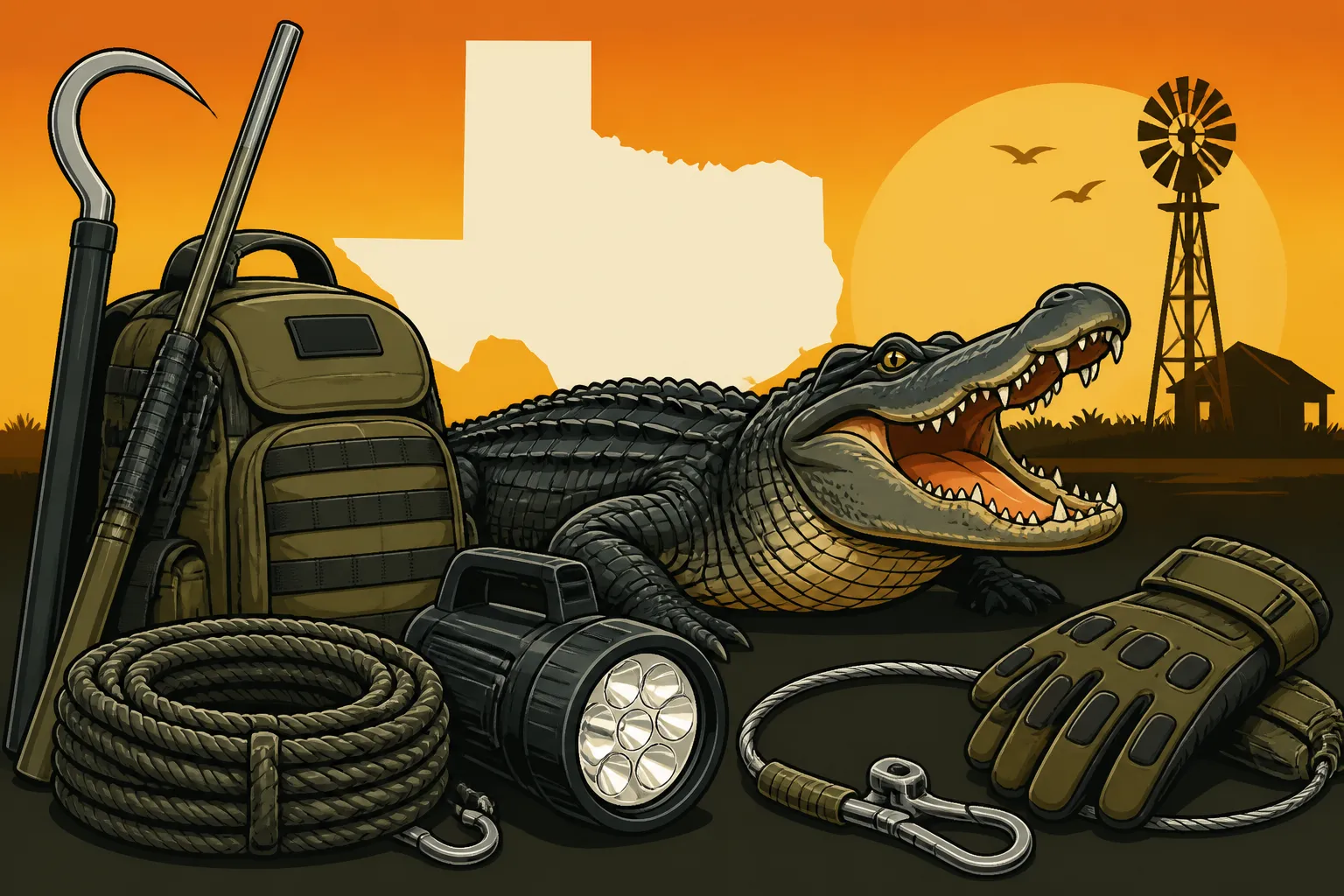
Hunting alligators in Texas isn't your average deer hunt. It’s a completely different beast, demanding specialized gear and a deep understanding of both the animal and the challenging environment. If you’ve secured a Texas lease for alligator hunting, you're already one step closer to an incredible experience, but the sheer variety of equipment needed can be overwhelming. This guide will meticulously break down the essential gear, from the primary tools for the hunt itself to the often-overlooked items that ensure your safety, comfort, and a successful harvest in the dense swamps and bayous of the Lone Star State.
Understanding Alligator Hunting Methods and Regulations in Texas
Before we dive into the gadgets and gizmos, it’s crucial to understand how alligator hunting legally works in Texas. It's not as simple as stalking through the woods with a rifle. Texas Parks and Wildlife Department (TPWD) has specific regulations that dictate methods, seasons, and gear, especially when hunting on private property under a lease.
Legal Hunting Methods on a Lease
On a private lease, you generally have a bit more flexibility than on public lands, but you must still adhere to state regulations. The most common and effective methods involve a combination of capture and dispatch. You can't just shoot an alligator from a distance and hope to retrieve it. Typically, the primary methods include:
- Baited Hooks/Line Hunting: This is a prevalent method where lines are set with bait (often rotten chicken or fish) to lure and hook alligators. Once hooked, the gator is secured, often alongside a boat, and then dispatched. This method requires specialized heavy-duty line, large hooks, and floats.
- Bowhunting/Crossbow: For those seeking a more direct challenge, bowhunting is legal. This often involves spotting an alligator, getting within range, and making a precise shot. However, the initial bow shot is typically for securing the animal with a line attached to the arrow, not necessarily for immediate dispatch. Once secured, it’s brought in for dispatch.
- Firearms (for dispatch): While shooting an alligator with a rifle from afar isn't generally a legal or practical initial hunting method (unless on specific properties with specific permits, often in deeper water where retrieval is guaranteed and safe), firearms are absolutely essential for dispatching a secured alligator. This must be done at close range, usually with a small-caliber rimfire rifle or shotgun to the brain.
Each of these methods informs your gear choices, emphasizing the need for robust, reliable equipment that can withstand the harsh, wet conditions of an alligator's habitat. For a broader overview of when and where these opportunities exist, check out our guide on Texas Alligator Season: Core & Non-Core Dates.
Seasonality and Specific Regulations
Texas alligator season isn't open year-round everywhere. There are "core" and "non-core" counties, each with different regulations, bag limits, and season dates. Most of the prime alligator hunting occurs in East Texas, along the Gulf Coast, and within rivers and bayous that feed into larger bodies of water. On a private lease, you might have MLD (Managed Lands Deer) tags or similar for deer, but alligator regulations are distinct. You'll need a valid hunting license with an alligator tag, which must be attached immediately upon harvest. It's critical to review the current Texas Outdoor Annual thoroughly before your hunt, as regulations can change. Understanding specific county rules, particularly for harvest reporting through systems like My Texas Hunt Harvest, is also crucial. A great resource for navigating these details and planning your hunts across different species is the GoHunt platform, which helps hunters keep track of regulations and prime hunting zones. For those interested in public hunting, applying for specific Drawn Alligator Hunts in Texas (WMAs) is another avenue, though it comes with its own set of rules and gear considerations.
Primary Hunting and Retrieval Gear
This is where the rubber meets the road – the actual tools you’ll use to find, secure, and harvest your alligator. This isn’t a one-size-fits-all scenario, as different methods require distinct setups.
Firearms and Ammunition Considerations
For dispatching a secured alligator, precision and reliability are paramount. You're aiming for a small target—the brain—at very close range, often from a moving boat or an unstable bank.
- Small-Caliber Rimfire Rifle: A .22LR rifle is often the tool of choice. Its low recoil allows for quick, accurate follow-up shots if needed, and the small projectile size minimizes hide damage, which is important if you plan to get the hide tanned. Look for a rifle that is dependable in wet conditions and has good iron sights or a compact, fixed-power scope. A Ruger 10/22 or a comparable semi-automatic with a reliable magazine is a popular choice due to its robustness and ease of use.
- Ammunition: High-quality, reliable hollow-point .22LR ammunition is preferred. You want something that will penetrate the skull effectively and expand to create a humane dispatch, but not over-penetrate unnecessarily.
- Shotgun (less common for dispatch): Some hunters use shotguns with birdshot at extremely close range for dispatch, but this is less common for hide preservation and precision. Slug guns are generally overkill and pose a greater safety risk due to over-penetration. Always prioritize safety and a humane dispatch.
- Holster/Sling: Keeping your dispatch firearm secure, yet readily accessible, is vital. A good waterproof sling or a sturdy chest holster will ensure your rifle is within reach but not at risk of falling into the water.
Remember, the goal with the firearm is dispatch, not initial take. The ethical and legal requirement is often to secure the alligator first.
Bowhunting Equipment for Gators
For the archer, alligator hunting presents a thrilling challenge that requires specialized modifications to your standard bowhunting setup.
- Bow Setup: A compound bow with sufficient draw weight (40-60 lbs) is ideal. The critical component is the alligator reel or heavy-duty fishing reel mounted to the bow. This reel holds heavy braided line (200-300 lb test) that is attached to a specialized alligator arrow.
- Alligator Arrows: These are not your typical deer arrows. Alligator arrows are solid fiberglass or aluminum shafts, much heavier and tougher. They feature a specialized tip, often a heavy-duty barbed harpoon or a broadhead designed to penetrate thick hide and hold fast. Crucially, the arrow tip often detaches from the shaft after penetration, leaving the barb and line secured in the gator while the arrow shaft floats free, ready to be retrieved. This prevents the arrow from acting as a lever and tearing out.
- Line and Floats: The braided line connected to your arrow and reel is absolutely critical. You'll need at least 50-100 yards of robust line. Attached to this line, you’ll want several large, brightly colored floats (like large fishing buoys or Nalgene bottles). These floats serve a few purposes: they mark the gator’s location, provide resistance to tire it out, and give you something to grab onto for retrieval.
- Retrieval Pole/Grappling Hook: Once a gator is shot and secured by the line and floats, it can still be feisty. A long, sturdy retrieval pole with a hook or a grappling hook can be invaluable for safely bringing the line closer to the boat or shore, especially if the gator submerges or tries to hide in thick vegetation.
Bowhunting for alligators is a dynamic and physically demanding method, requiring practice and a keen eye for shot placement, similar to what you'd use when Bowhunting in Texas: Archery Season Guide for deer.
Snare Poles, Harpoons, and Catch Poles
These tools are primarily for securing and controlling the alligator once it's been located or brought close to you, especially if you're using baited lines or need to safely maneuver a bow-shot gator.
- Snare Poles/Catch Poles: These are long poles (often telescopic) with a loop at the end designed to go over the alligator's head or around its body. Once the loop is in place, a mechanism tightens it, allowing you to control the animal. They are essential for safely bringing a live alligator alongside your boat or to shore for dispatch. Look for heavy-duty models made for large animals, not just pet control.
- Harpoons: A traditional harpoon with a detachable head (similar to an alligator arrow) and heavy line is often used in conjunction with line hunting. Once a gator takes a baited hook, a harpoon is sometimes used to put an additional line into the animal for extra security, ensuring it doesn't escape before dispatch. The line from the harpoon is also attached to floats.
- Gaff Hooks: Heavy-duty gaff hooks, similar to those used in saltwater fishing for large fish, can be useful for quickly securing a gator's jaw or tail for short periods during retrieval, though extreme caution is necessary.
Choosing the right combination of these tools depends on your preferred hunting method and the size of the alligators you anticipate encountering on your lease. The better equipped you are, the safer and more successful your hunt will be.
Navigating the Water and Protecting Yourself
Alligator hunting inherently means being in or around water, often in dense, challenging terrain. Having the right aquatic transport and personal protective equipment isn't just about comfort; it's about safety and effective hunting.
Boats and Propulsion
Your choice of watercraft is critical, as it needs to be stable, maneuverable, and capable of navigating the often shallow, vegetation-choked waters where alligators thrive.
- Flat-Bottom Boats (Jon Boats): These are perhaps the most common choice. Their shallow draft allows them to access areas inaccessible to larger boats, and their stable platform is crucial when dealing with a powerful, thrashing alligator. Aluminum construction is durable and relatively lightweight.
- Airboats: While more expensive and requiring specialized skills, airboats are the ultimate choice for shallow, marshy environments. They can skim over dense vegetation and extremely shallow water, offering unparalleled access to prime gator habitat. However, they are noisy and might spook some animals if not used judiciously.
- Canoes/Kayaks (for scouting/lighter work): For scouting or setting lines in very remote, quiet areas, a stable canoe or kayak can be useful. However, they are not recommended for actual retrieval or dispatch of large alligators due to stability and safety concerns.
- Outboard Motors: A reliable, quiet outboard motor is essential. Consider a shallow-water drive motor or a mud motor if your lease has particularly shallow or vegetation-heavy areas. A smaller trolling motor can also be invaluable for quiet maneuvering once you're close to a target.
- Paddles/Push Poles: Even with a motor, paddles or a sturdy push pole are indispensable. They allow for silent movement in shallow water, through lily pads, or when your motor might get bogged down in mud or vegetation.
Ensure your boat is equipped with all necessary safety gear: life vests for everyone, throw cushions, an anchor, and navigation lights if you'll be out at dawn, dusk, or night. Remember, alligators often blend seamlessly with their surroundings, making navigation tricky, so a good mapping app like the GoHunt platform can be very helpful for marking routes and known gator areas.
Personal Protective Equipment
Safety should be your absolute top priority. Alligators are powerful predators, and the environment itself can be dangerous.
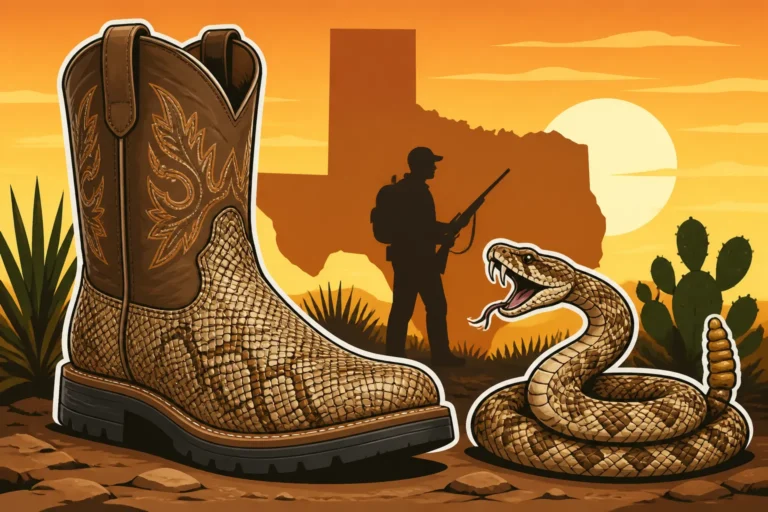
- Snake Boots: Texas is home to numerous venomous snakes, and many alligator habitats overlap with prime snake territory. High-quality, snake-proof boots are non-negotiable. Brands like LaCrosse or Chippewa offer excellent protection. Don’t skimp on these; a snakebite can ruin your hunt and be life-threatening. For more on this critical piece of gear, see our guide on Best Snake Boots for Texas Hunting.
- Gloves: Heavy-duty, waterproof, cut-resistant gloves are essential. You'll be handling rough lines, potentially sharp hooks, and the alligator's tough hide and scales. Leather or specialized synthetic gloves offer protection from abrasions, cuts, and even sun exposure.
- Sun Protection: You’ll be spending long hours under the Texas sun, often with reflection off the water. A wide-brimmed hat, sunglasses (polarized are a huge plus for spotting alligators), and high-SPF sunscreen are vital to prevent sunburn and heatstroke. Lightweight, breathable long-sleeved shirts and pants also offer protection.
- Insect Repellent: Mosquitoes, gnats, and other biting insects can turn an otherwise enjoyable hunt into a miserable ordeal. Pack plenty of strong insect repellent, preferably with DEET or Picaridin. A Thermacell unit can also provide a personal bug-free zone in a boat or blind.
- First-Aid Kit: A comprehensive first-aid kit, waterproofed and easily accessible, is non-negotiable. Include bandages, antiseptic wipes, pain relievers, and any personal medications. Knowing basic first aid for cuts, punctures, and minor injuries is crucial, especially in remote areas.
Being prepared with the right PPE not only keeps you safe but also allows you to focus on the hunt without constant distractions from discomfort or worry.
Post-Harvest Processing and Transport Gear
The hunt doesn't end when the alligator is dispatched. Processing and transporting your harvest correctly are vital for preserving the meat and hide, especially in the often-sweltering Texas climate.
Field Processing Tools
Alligators are large, formidable creatures even after dispatch. Field dressing requires a specific set of tools for efficiency and safety.
- Sharp Knives: You'll need several very sharp knives designed for skinning and butchering. A fixed-blade knife with a sturdy handle and a blade around 6-8 inches is ideal for the initial cuts and skinning. A smaller, more precise knife can be useful for delicate work. A good quality Havalon or Outdoor Edge interchangeable blade knife can be excellent, as you can quickly swap out dull blades.
- Knife Sharpener/Strop: Even the best knives will dull when working on tough hide. A compact knife sharpener or ceramic rod is indispensable for maintaining a razor edge in the field.
- Saw/Hatchet: For larger gators, a small bone saw or a hatchet might be necessary to sever limbs or the tail if you plan to break it down further in the field. However, many hunters prefer to skin the entire animal and then section the meat.
- Heavy-Duty Shears: Industrial-strength shears can be useful for cutting through tough hide and connective tissue, especially around the legs or head.
- Tarps/Ground Cover: A large, durable tarp or plastic sheeting provides a clean workspace for skinning and butchering, keeping the meat free from dirt and making cleanup easier.
- Water/Cleaning Supplies: Fresh water (for rinsing hands and tools), rags, and possibly some biodegradable soap are crucial for maintaining hygiene during processing.
Knowing how to properly field dress and process an alligator is a skill in itself. For general guidance on game processing, our article on Field Dressing & Processing Game in Texas Heat offers valuable insights that can be adapted.
Cooling and Transport Solutions
Texas heat is no joke, and improper cooling can quickly spoil your valuable alligator meat and hide. Planning for transport and preservation is just as important as the hunt itself.
- Large Coolers: This is absolutely essential. You'll need several large, high-quality coolers to accommodate the meat and hide. For an average gator (6-8 feet), expect to fill a 100-150 quart cooler with meat and another with the hide. For bigger gators, even more space is required. Brands like Yeti, RTIC, or Orca are popular for their excellent insulation properties, which are critical for retaining ice in the Texas heat. Our guide to the Best Cooler to Hold Ice in Texas Heat can help you choose.
- Plenty of Ice: You can never have too much ice. Plan to fill your coolers completely with ice, both before and after adding the meat and hide. Block ice melts slower than cubed ice and is generally preferred for long-term cooling.
- Large Game Bags/Plastic Sheeting: Once sectioned, wrap the meat in game bags or heavy-duty plastic sheeting before placing it in coolers with ice. This keeps the meat clean and prevents it from sitting directly in melted water. The hide should also be bagged separately, packed in ice, or even salted if it will be a while before you can get it to a tannery.
- Heavy-Duty Cart/Wagon: If you have to move the processed parts over land from the kill site to your vehicle, a sturdy game cart can be a back-saver. Alligators are surprisingly heavy, and a good cart can make short work of what would otherwise be a grueling task. Consider something robust that can handle uneven terrain, like the ones recommended in our guide on the Best Game Cart for Hauling Deer & Hogs.
- Designated Transport Vehicle: Ensure you have a vehicle capable of transporting your coolers, boat, and all your gear. A truck or a trailer is often necessary. Consider how you will secure everything to prevent shifting or damage during transit, especially on rough lease roads.
Proper post-harvest handling ensures that your hard work translates into delicious meat and a beautiful, preserved hide, truly maximizing the value of your alligator hunting experience on a Texas lease.
Maximizing Your Alligator Hunting Lease Experience
Hunting on a Texas lease offers a fantastic opportunity to tailor your alligator hunting experience, but it also means you’re responsible for much of the planning and execution. Beyond the core gear, a few additional considerations can elevate your success and enjoyment.
Scouting and Planning Tools
Even with a lease, knowing your specific hunting area inside and out is paramount. Alligators are creatures of habit, often frequenting specific sunning spots, deep holes, or travel routes.
- GPS/Mapping Apps: A reliable GPS device or a smartphone app like GoHunt (or onX Hunt/HuntStand) is invaluable. Use it to mark potential gator sightings, good access points, prime line-setting locations, and safe travel routes. The ability to drop waypoints and navigate accurately, especially in dense marsh or winding bayous, prevents you from getting lost and helps you return to productive areas.
- Binoculars/Spotting Scope: High-quality optics are essential for spotting alligators from a distance. Look for movements, eyes above the water, or a subtle ripple. Early mornings and late evenings are often the best times to spot them. Good binoculars, especially those with image stabilization, can make a huge difference in identifying a potential target from afar.
- Trail Cameras: While not as common for gators as they are for deer, trail cameras can be useful near established den sites or bait stations to monitor activity patterns, especially if you're line hunting. Choose robust, waterproof models that can withstand the elements.
- Understanding Habitat: Spend time before the season scouting your specific lease. Look for cypress swamps, marshy areas, deep river bends, and any areas where water flow creates natural ambush points or sunning spots. Alligators love dense cover for hiding and basking.
Thorough scouting and leveraging mapping technology are crucial steps for effective alligator hunting. Just like planning for Deer Hunting in Texas: Feeders, Blinds & Tactics, understanding the animal's behavior and habitat within your specific lease is key.
Contingency and Emergency Gear
Remote hunting, especially in aquatic environments, always carries inherent risks. Being prepared for the unexpected is a mark of a responsible hunter.
- Extra Fuel: Always carry more fuel than you think you'll need for your boat. Running out of gas in a remote marsh is a situation you definitely want to avoid.
- Battery Jump Starter/Portable Power Bank: For boats or even charging your phone or GPS, a portable jump starter or power bank can be a lifesaver.
- Communication Device: Beyond your cell phone (which might not have service), consider a satellite messenger (like a Garmin inReach) or a two-way radio to stay in touch with your hunting party or emergency services.
- Knife/Multi-tool: A multi-tool with pliers, screwdrivers, and a robust knife is always handy for quick repairs or unexpected tasks.
- Repair Kit for Boat/Motor: Basic tools, spare shear pins for your propeller, and duct tape can often get you out of a bind in the field.
- Emergency Shelter/Fire Starter: While less likely to be needed on a day hunt, if you plan to be out for extended periods or in extremely remote areas, a compact emergency blanket, tarp, and fire starter can be valuable for warmth and signaling.
Remember, the goal is always to return safely with your harvest. Planning for contingencies ensures that minor setbacks don’t become major emergencies.
Ethical Considerations and Best Practices
While gear is important, successful and responsible alligator hunting also hinges on ethical practices and respect for the animal and its environment.
- Humane Dispatch: Always prioritize a swift, humane dispatch. Practice your aim with your chosen dispatch firearm to ensure you can make a clean shot under pressure.
- Respect the Environment: Alligator habitats are often fragile ecosystems. Minimize your impact by packing out all trash, avoiding unnecessary damage to vegetation, and respecting other wildlife.
- Know Your Limits: Don't attempt to hunt or retrieve an alligator that is too large or too dangerous for your equipment or skill level. There's no shame in letting a monster gator go if you can't safely handle it.
- Buddy System: Never hunt alligators alone. Always go with at least one other experienced person who knows the plan and is capable of assisting in an emergency.
- Proper Tagging and Reporting: Immediately after dispatch, ensure your alligator tag is properly filled out and attached. Be familiar with the Texas Hunting Tags & Harvest Reporting (My Texas Hunt Harvest) system to comply with all regulations. This diligence helps manage alligator populations responsibly.
Alligator hunting in Texas is an adventure unlike any other. By arming yourself with the right knowledge, the best gear, and a commitment to safety and ethics, you're not just preparing for a hunt—you're preparing for an unforgettable experience in the wild heart of Texas.
Disclaimer
Please remember that hunting regulations, seasons, and licensing requirements can change. Always consult the most current Texas Parks and Wildlife Department (TPWD) Outdoor Annual or website for the latest official information before planning any hunting trip. This guide is for informational purposes only and does not constitute legal advice or guarantee hunting success.