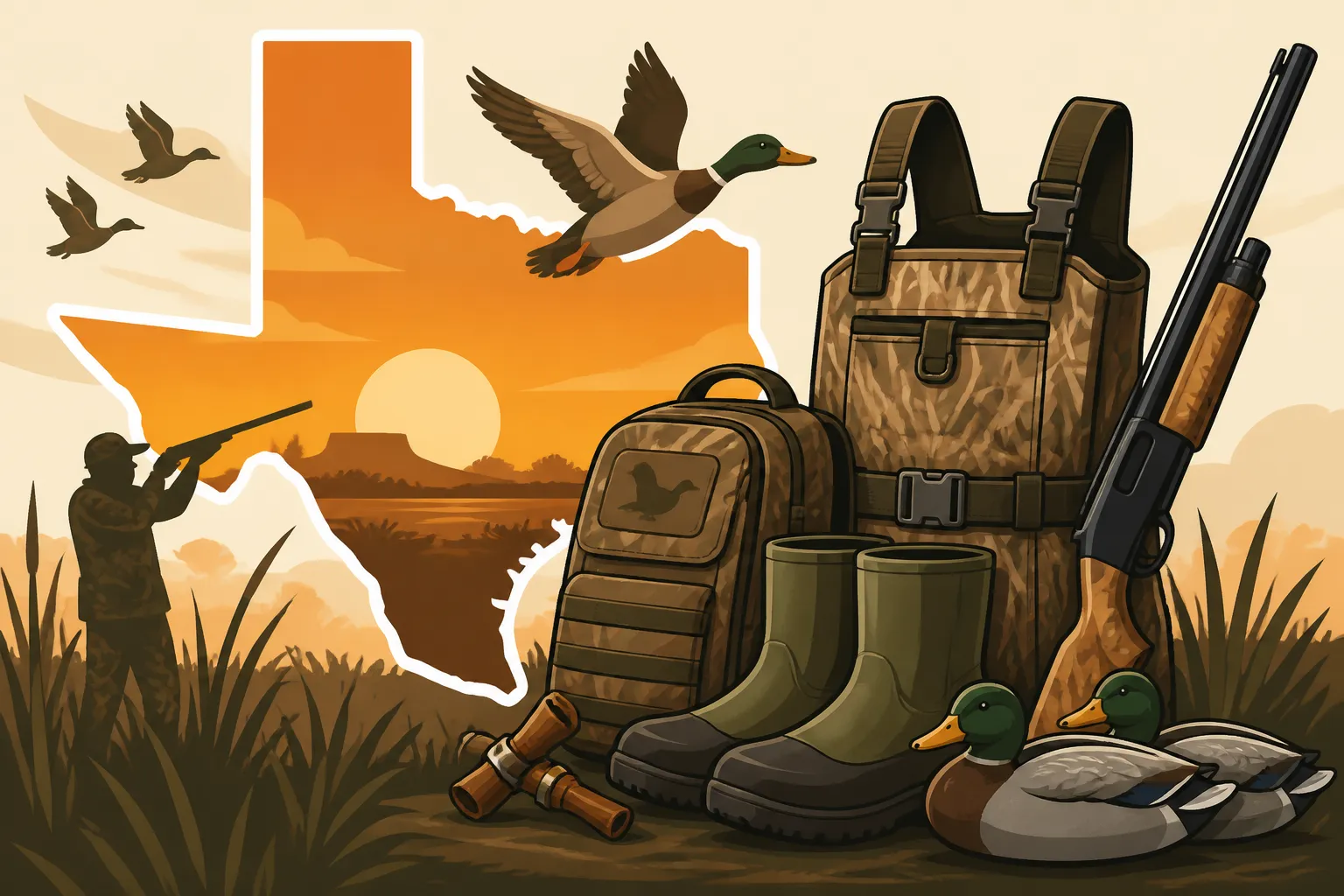
Best Gear for Duck Hunting in Texas
Duck hunting in Texas can be an exhilarating experience, but let's be honest, it also presents its fair share of challenges, from unpredictable weather swings to diverse hunting environments. Whether you're slogging through coastal marshes, navigating flooded timber, or setting up in a Panhandle playa, having the right gear isn't just about comfort; it's about success and safety. This comprehensive guide will walk you through the essential equipment you need to confidently pursue waterfowl across the vast and varied landscapes of the Lone Star State.
Your Shotgun and Ammo: The Foundation of Success
When it comes to duck hunting, your shotgun isn't just a tool; it's your primary connection to the game. Choosing the right firearm and ammunition is paramount, and Texas's varied hunting conditions mean you need something reliable and effective.
Selecting the Right Gauge and Choke
Most seasoned duck hunters will tell you that a 12-gauge shotgun is the undisputed king of the duck blind, and for good reason. Its versatility allows it to handle a wide range of loads, from lighter loads for close-quarters teal to heavy magnum loads for high-flying mallards or geese. While 20-gauge shotguns are also popular, especially for youth or hunters sensitive to recoil, the 12-gauge offers that extra punch and pattern density often desired in waterfowl situations. Some hunters even opt for 10-gauge for larger birds or longer shots, though their weight and recoil can be a factor.
Beyond the gauge, your choke tube selection is incredibly important for optimizing your shot pattern. For most duck hunting, you'll likely rotate between a modified and an improved cylinder choke. An improved cylinder is fantastic for closer shots over decoys, giving you a wider, more forgiving pattern. As birds get warier or you're taking longer shots at geese, a modified or even a full choke (though less common for ducks with steel shot) can help keep your pattern tighter for increased effectiveness. Remember, with steel shot, tighter chokes can sometimes lead to blown patterns, so it's always wise to pattern your shotgun with your chosen ammunition before hitting the field.
Ammunition Choices for Texas Waterfowl
The days of lead shot for waterfowl are long gone, and rightfully so, to protect the environment and the birds themselves. Today, steel shot is the most common and affordable non-toxic option. However, there's a whole world of non-toxic alternatives that offer superior performance, albeit at a higher cost. Bismuth, tungsten, and other alloy shots are denser than steel, retaining more energy and penetrating deeper, making them excellent choices for those seeking maximum knock-down power and cleaner kills, especially at longer ranges.
When choosing your shot size, consider the species you're targeting. For fast-flying teal during the early September Teal Season Dates in Texas, smaller steel shot like #3 or #4 can be deadly. For larger ducks like mallards, pintails, or widgeon, #2 or BB steel shot is generally preferred. If you're heading out for geese, you'll want to jump up to BBB or T shot. Don't forget, shot velocity also plays a critical role. High-velocity loads can help reduce lead and increase effective range, which can be a real advantage on windy Texas days or when birds are flaring unexpectedly. Always double-check the regulations for specific shot size restrictions for migratory birds, as these can vary.
Decoys, Spreads, and Calls: Bringing Ducks to You
The art of decoying and calling is where duck hunting truly shines, transforming a simple shooting opportunity into an interactive experience. In Texas, where ducks might see a lot of pressure, realistic setups and convincing calls can make all the difference.
Mastering Decoy Selection and Setup
Decoys are your silent partners in the field, working tirelessly to draw birds into shooting range. The type and quantity of decoys you need largely depend on where and what you're hunting. For most duck hunting in Texas, a mixed spread of mallard, pintail, widgeon, and teal decoys is a good starting point, reflecting the common species found in our state. Don't underestimate the power of species-specific decoys if you're targeting a particular duck, like gadwalls in a coastal marsh or shovelers in a shallow pond. Quality matters here; highly realistic decoys with detailed paint schemes and lifelike postures can fool even the wariest birds.
The way you arrange your decoys, your "spread," is just as important as the decoys themselves. While there are countless patterns, a common and effective setup is a "J" or "U" shape, leaving an open landing zone (the "pocket") directly in front of your blind. This encourages birds to land right where you want them. For hunting larger bodies of water, like the expansive bays along the Texas coast, you might need hundreds of decoys to create a visible spread. Conversely, a small pothole might only require a dozen or two. Consider the wind direction; ducks almost always land into the wind, so position your pocket accordingly. Understanding Best Duck Decoy Spread for Texas Coast can significantly boost your success.
Effective Duck Calling for Texas Species
A good duck call, in the hands of a skilled caller, can be an irresistible siren song to passing birds. There are various types of calls, from single-reed to double-reed, each offering different tones and ease of use. Single-reed calls often offer more versatility and realism but require more air and finesse. Double-reed calls are generally easier for beginners to blow, offering a more forgiving sound, though sometimes with less range.
For Texas, it's essential to have calls that accurately mimic the common species you'll encounter. A good mallard call is a must-have, as many other ducks respond to it. However, adding calls for pintail, widgeon, or even a teal whistle can be incredibly effective, especially when birds are call-shy or you're trying to differentiate your spread. Learning a few basic calls – the greeting call, comeback call, and feeder chuckle – is far more important than owning a dozen expensive calls you can't blow. Practice is key, and listening to live ducks will be your best teacher. Remember, sometimes less is more; overcalling can spook birds just as easily as bad calling.
Motion Decoys: Are They Worth It?
Motion decoys have revolutionized duck hunting, adding a vital element of realism to any spread. Spinner wing decoys, often called "mojo ducks" after the popular Mojo Outdoors brand, create the illusion of active, landing birds, catching the eye of high-flying ducks from a great distance. These are particularly effective on calm days when natural ripples are absent, or in areas where ducks are wary of static spreads. However, be mindful of overusing them, as some birds, especially in heavily hunted areas, can become "spinner shy."
Other motion decoys include splashing decoys, jerking cords, and swim jigs, which simulate feeding or swimming ducks. These create natural-looking water movement, adding another layer of realism that can be incredibly enticing. Jerk cords, which allow you to manually create ripples and movement with a string, are a simple and effective way to add motion without relying on batteries. While they are an investment, motion decoys are often considered a significant advantage, especially if you're striving to outsmart pressured waterfowl in Texas.
Staying Concealed, Dry, and Warm: Waders, Blinds, and Layering
Texas weather is notoriously fickle. You can start the day in a heavy coat and end it in a t-shirt, or vice-versa. Staying protected from the elements and remaining unseen by sharp-eyed ducks is absolutely crucial for a successful hunt.
Choosing Durable and Comfortable Waders
Waders are arguably the most critical piece of apparel for duck hunting. You'll be standing in water, mud, and often navigating thorny brush. Investing in high-quality waders made from durable, puncture-resistant material like neoprene or breathable GORE-TEX is a wise decision. Neoprene offers excellent insulation, perfect for colder hunts in North Texas or on brisk coastal mornings, but can be stifling in warmer conditions. Breathable waders are lighter and more versatile for mild to warm weather but require layering underneath for insulation.
Look for waders with reinforced knees and seat, as these are high-wear areas. Comfortable, insulated boots are a must, offering good traction on slick mud and protecting your feet from cold water. Many modern waders feature integrated boots, which are generally preferred for their seamless fit and reduced bulk. Before heading out, always check your waders for leaks, as a cold, wet hunt is a miserable one. Carrying a small repair kit with waterproof tape can be a lifesaver in the field.
Effective Concealment with Blinds and Camo
Ducks have incredible eyesight, and any unnatural silhouette or movement will send them flaring out of range. Your blind is your sanctuary of concealment. Depending on your hunting spot, this could be anything from natural vegetation to a portable ground blind or a more elaborate pit blind. For flooded fields or marsh edges, a simple layout blind tucked into stubble or a pop-up blind brushed in with local vegetation can be highly effective. For situations in open water, an A-frame blind or a boat blind, meticulously camouflaged with marsh grass or other natural materials, is essential.
Camouflage patterns should match your environment. In the green coastal marshes or flooded timber of East Texas, a pattern with heavy greens and browns is ideal. For the drier agricultural fields or playas of the Panhandle, a stubble or cornfield pattern will blend in better. Remember, it's not just about the blind; you also need to blend in. Wear face paint or a mask to break up the outline of your face, and gloves to cover your hands. Even the glint of sunlight off your gun barrel can spook birds, so consider a matte finish or a camo wrap for your shotgun. For deeper dives, check out Duck Hunting in Texas: Decoys & Blinds.
Layering for Texas' Unpredictable Weather
Texas weather can swing wildly within a single day, especially during the fall and winter duck seasons. The key to staying comfortable is layering. Start with a moisture-wicking base layer against your skin to pull sweat away and keep you dry. Over that, add an insulating mid-layer, like fleece or down, to trap warmth. Finally, your outer layer should be waterproof and windproof to protect against rain, sleet, and biting winds.
On a warm, sunny December morning in South Texas, you might find yourself shedding all but your base layer and a light camo shirt. But when a cold front blasts through, dropping temperatures and bringing a north wind, you'll be thankful for every layer you brought. Always pack an extra insulating layer and a waterproof jacket, even if the forecast looks clear. It's better to have it and not need it than to need it and not have it, shivering in the blind. Don't forget a warm hat and waterproof gloves; a significant amount of body heat escapes through your head and extremities.
Essential Accessories and Safety Gear
Beyond the core items, a host of accessories can significantly improve your duck hunting experience, making it more efficient, enjoyable, and most importantly, safe.
Boots, Bags, and Retrieval Tools
Even with waders, you’ll often need separate waterproof boots for scouting or travel to and from the blind, especially if you’re parking a distance away. Look for comfortable, durable boots that provide good ankle support and traction on muddy or uneven terrain.
A good gear bag is essential for keeping all your calls, ammunition, snacks, and extra layers organized and protected from the elements. Waterproof dry bags or decoy bags are fantastic for keeping everything dry, even if your boat takes on some water or your bag gets tossed in the marsh.
For retrieving downed birds, especially in deeper water or dense cover, a quality retrieve is invaluable. Whether you hunt with a well-trained dog (which we'll discuss next) or use a retrieval pole, having a reliable method to recover your birds quickly and efficiently is crucial. A long, collapsible pole with a hook or grapple can reach birds that fall just out of wader depth.
Navigation, Communication, and Emergency Gear
Safety should always be your top priority. Texas duck hunting often takes place in remote, watery environments, so proper preparation is critical. A reliable GPS device or a hunting app like onX Hunt or HuntStand on your smartphone is indispensable for navigating marshes, knowing property lines, and finding your way back in the dark or fog. Ensure your phone is fully charged and consider a portable power bank.
Communication is key, especially if you're hunting with a group or in an unfamiliar area. Two-way radios are great for staying in touch with hunting partners. Always carry a fully charged cell phone (in a waterproof case) for emergencies, though be aware that cell service can be spotty in some remote areas.
Beyond communication, pack essential safety items: a first-aid kit, a whistle, a headlamp or flashlight (with extra batteries), a knife, and a fire starter. If you're hunting from a boat, ensure you have all required safety gear, including life jackets, throwable flotation devices, and navigation lights. Understanding Texas Duck & Waterfowl Season 2026: Zones will help you stay informed on regional regulations.
Dog Training and Handling Gear
For many, duck hunting isn't complete without a loyal retriever. If you hunt with a dog, specific gear is necessary to ensure their safety and effectiveness. A high-quality dog stand will keep your canine companion out of the icy water and hidden in the blind, conserving their energy. A protective dog vest can shield them from cold water, sharp reeds, and even dog attacks from other animals.
Training equipment, like an electronic collar, can be invaluable for long-range commands and safety, especially in expansive marshes or when dealing with distractions. Always bring plenty of fresh water and food for your dog, and if hunting in extremely cold conditions, consider hand warmers to place under their stand or vest to keep them comfortable. A well-trained and properly equipped retriever can turn a tough hunt into an unforgettable experience.
| Gear Category | Key Items | Importance | Texas-Specific Considerations |
|---|---|---|---|
| Firearm & Ammunition | 12-gauge shotgun, Modified/Improved Cylinder Chokes, Steel/Bismuth Shot | Primary tool for harvesting birds; ensures ethical and legal hunting. | Versatility for diverse species (teal to geese), varying shot distances in diverse habitats (coast, playa, timber). |
| Decoys & Spreads | Mixed species decoys, Motion decoys (spinners, splashers), Decoy bags | Attracts birds into shooting range; creates realistic hunting scenario. | Large numbers for open water (coast), species-specific for regional ducks, adapting spreads to wind/habitat. |
| Calls & Lanyards | Mallard call (single/double reed), Pintail/Widgeon whistle, Teal whistle | Communicates with birds, pulls them closer, adds realism to the hunt. | Specific calls for common Texas species, practice for call-shy birds, adapting to varied vocalizations by region. |
| Waders & Apparel | Breathable or Neoprene Waders, Layered clothing, Waterproof outer shell, Hat, Gloves | Keeps you dry, warm, and concealed; protects from elements and habitat hazards. | Extreme temperature swings (hot to cold), navigating thick brush, coastal salt marshes, muddy fields. |
| Concealment | Layout blinds, A-frame blinds, Boat blinds, Natural brush, Face mask, Camo wrap | Hides hunter from keen eyesight of waterfowl. | Matching camouflage to varied Texas landscapes (green marsh, brown fields, timber), meticulous brushing in. |
| Safety & Navigation | GPS/Hunting app, First-aid kit, Whistle, Headlamp, Life vest (for boat hunting) | Ensures personal safety, prevents getting lost, addresses emergencies. | Remote hunting areas, vast open water, changeable weather, limited cell service. |
| Retrieval Gear | Trained retriever dog, Dog stand, Dog vest, Retrieval pole | Efficiently recovers downed birds, prevents lost game. | Protecting dogs from cold, sharp vegetation; training for varied terrain; quick recovery in dense cover. |
| Accessories | Waterproof gear bag, Thermos, Snacks, Multi-tool | Enhances comfort and efficiency during the hunt. | Long hunt days, packing essentials for unpredictable conditions, carrying enough provisions. |
Disclaimer
Always consult the most current Texas Parks and Wildlife Department (TPWD) Outdoor Annual for specific regulations regarding hunting seasons, bag limits, licensing requirements, and any area-specific rules or restrictions before you head out. Hunting regulations can change, so staying informed is your responsibility.