How to Bowhunt Whitetail in Texas
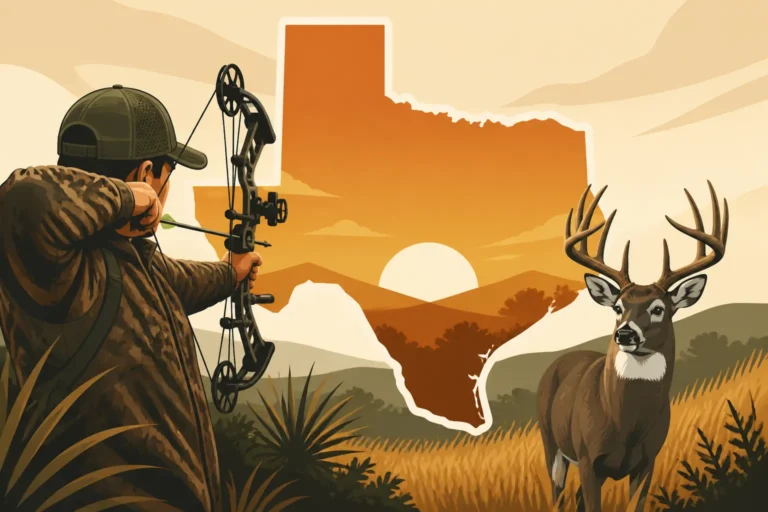
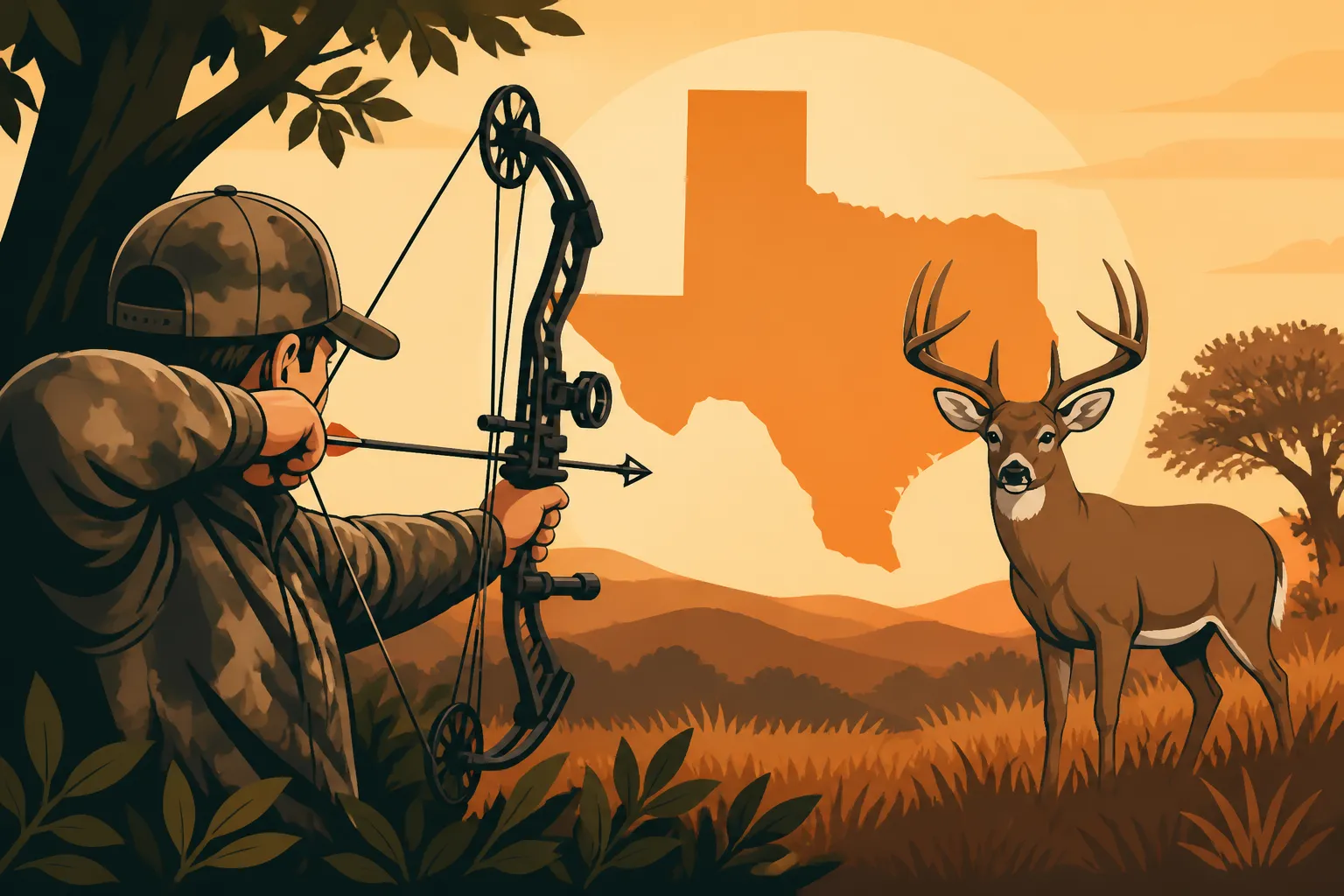
There’s nothing quite like the thrill of bowhunting whitetail deer, especially here in Texas. It’s a challenge that tests your patience, woodsmanship, and skill like no other, leaving many folks feeling overwhelmed by the sheer amount of preparation required to even get a shot, let alone make a clean kill. This guide is here to walk you through every critical step of bowhunting whitetail in the Lone Star State, from understanding deer behavior and selecting the right gear to mastering your shot and navigating Texas's unique hunting landscape.
Understanding Whitetail Behavior for Bowhunting Success
Bowhunting whitetail in Texas isn't just about drawing back your bow; it's a deep dive into the mind of the deer itself. You're entering their world, and to succeed, you need to speak their language. Their patterns, preferences, and daily routines are your hunting map. Ignoring this critical aspect is often where many aspiring bowhunters find themselves frustrated, sitting for hours with no deer sightings, wondering what went wrong.
The Importance of Scouting and Patterning Deer
Effective scouting is the bedrock of any successful bowhunt, and in Texas, it takes on a whole new dimension. Our diverse landscapes, from the dense South Texas brush to the rolling hills of the Edwards Plateau, mean deer behavior can vary significantly. Before you even think about setting up a blind, you need to become a deer detective. Start your scouting well before the season opens, ideally in late summer or early fall. Look for primary food sources like acorns, prickly pear, mesquite beans, and browse. These change throughout the year, so knowing what the deer are currently keying in on is vital.
One of the most valuable tools in your scouting arsenal is the trail camera. Setting up several cameras around your hunting area, focusing on trails, creek crossings, and potential feeding zones, can give you invaluable insights into deer movement patterns, preferred travel times, and even specific bucks frequenting the area. You can learn so much by watching how to pattern bucks with trail cameras. Pay close attention to rub lines and scrapes – these are active signposts that tell you where bucks are marking their territory and communicating. A fresh scrape under an overhanging limb, or a heavily scarred tree trunk from a rub, indicates current buck activity. Don't just look for deer; look for why they are where they are. Is it water? Food? Cover? Understanding the "why" allows you to predict their movements and place yourself in a prime ambush location.
Timing Your Hunts: Early Season vs. The Rut
Texas offers a lengthy archery season, which means you'll encounter whitetail at different stages of their annual cycle, each requiring distinct bowhunting strategies. Trying to hunt the early season like the rut, or vice-versa, is a common pitfall that leads to empty freezers.
The early archery season, typically starting in late September or early October, is often characterized by warmer temperatures and deer still operating on a relatively predictable, food-driven pattern. Bucks are typically in bachelor groups and focused heavily on feeding to put on weight before the rigors of the rut. During this time, your best bet is to focus on food sources – whether it's a freshly manicured food plot, a natural acorn flat, or an agricultural field. Mornings and late evenings will be your most productive times, as deer will often bed down during the midday heat. Scent control is absolutely paramount during these warmer hunts, as deer senses are incredibly keen, and human odor will quickly send them packing. Consider using lightweight, breathable camo like the options discussed in Best Early-Season Camo for Texas Heat.
As the season progresses into November and early December, the dynamic shifts dramatically with the onset of the whitetail rut. This is when bucks throw caution to the wind in search of does, and their movements become far less predictable. The Texas rut: when do bucks rut by region? typically kicks into high gear in South Texas and the Hill Country around mid-November. During this period, you’ll want to hunt travel corridors between bedding and feeding areas, pinch points, and even doe bedding areas, as bucks will be actively cruising for receptive does. Grunting and rattling can be incredibly effective during the rut, as aggressive bucks may come charging in to investigate what they perceive as another buck encroaching on their territory or a breeding opportunity. All-day sits can also be highly productive during this time, as bucks may be on their feet at any hour.
Essential Gear and Setup for Texas Bowhunting
Beyond understanding deer, the tools you choose and how you deploy them can make or break your bowhunting experience. Skimping on quality or neglecting proper setup isn't just inconvenient; it can lead to missed opportunities and potentially wounded game, which no hunter wants.
Bow Selection and Tuning
Your bow is an extension of yourself in the field, and choosing the right one, then tuning it perfectly, is non-negotiable for bowhunting success. Most Texas bowhunters opt for compound bows due to their speed, accuracy, and ease of holding at full draw. When selecting a bow, focus on a draw weight you can comfortably and repeatedly draw without struggle, especially in cold weather or after a long sit. Anywhere from 50-70 pounds is common, but consistency is king. Don't sacrifice form for a few extra pounds of draw weight. For those seeking a more traditional experience, recurve or longbows offer a unique challenge, but require significantly more practice to master.
Arrow selection is another critical component. Carbon arrows are popular for their durability and consistent flight. Match your arrow spine (stiffness) to your bow's draw weight and length for optimal flight characteristics. Perhaps the most important choice, however, is your broadhead. Fixed-blade broadheads are renowned for their strength and penetration, especially on bone, while mechanical (expandable) broadheads often fly more like field points and create larger cutting diameters, leading to more significant blood trails. Both have their advocates, but ensure they are razor-sharp. Regardless of your choice, spend ample time practicing with your broadheads to confirm they fly consistently with your field points. A bow that isn't properly tuned will never shoot arrows accurately, leading to frustrating misses. Many pro shops offer tuning services, which can be a worthy investment for new and experienced bowhunters alike.
Blind and Stand Placement Strategies
Where you choose to set up your hunting position is just as vital as what bow you shoot. A poorly placed blind can negate all your scouting efforts. The goal is to be invisible, silent, and downwind.
Tree stands, whether hang-on, climbing, or ladder stands, offer a commanding view and help keep your scent dispersed above ground level. They are excellent for observing deer movement and getting shots over brush. When using a tree stand, always prioritize safety with a full-body harness. Ground blinds, such as pop-up blinds or more permanent box blinds, offer excellent concealment, protection from the elements, and are ideal for hunting with younger hunters or those who prefer more comfort. Just remember to brush them in thoroughly to help them blend into the natural environment. A well-placed box blind for hot Texas weather can make those early season hunts much more comfortable.
Regardless of your choice, strategic placement is key. Always consider the prevailing wind direction; deer have an incredible sense of smell, and even the slightest whiff of human scent will spook them. Position your blind or stand downwind of expected deer travel routes. Also, think about the sun's position – you don't want the morning or evening sun glaring into your eyes or silhouetting you. Consider your entry and exit routes to your stand. You want to be able to get in and out undetected, avoiding disturbing bedding areas or main travel corridors. Sometimes, a long, circuitous route that keeps you concealed is far better than a direct path that alerts every animal in the woods.
Mastering Shot Placement and Recovery
The moment of truth in bowhunting is when a whitetail steps into your shooting lane. All the preparation, scouting, and gear come down to this one crucial second. Knowing exactly where to aim and what to do after the shot are paramount for an ethical and successful harvest.
Ethical Shot Placement for Whitetail
For bowhunters, the "kill zone" on a whitetail is relatively small, emphasizing the need for precision. The ideal shot placement aims for the heart and lungs, which lie just behind the deer's shoulder. This area provides the largest margin for error and typically results in a quick, humane kill and a good blood trail. Imagine a vertical line running up from the deer's front leg and a horizontal line about a third of the way up the body from the bottom of the chest. Where these lines intersect is generally your target.
Avoid aiming for the shoulder bone directly, as a broadhead can be deflected, leading to a superficial wound. A quartering-away shot, where the deer is angled away from you slightly, is often considered ideal for bowhunters. This angle allows your arrow to enter behind the last rib on one side and exit through the heart/lung area on the opposite side, maximizing penetration and internal damage without hitting heavy shoulder bone. Practice shooting from elevated positions if you hunt from a tree stand, and from a seated position if you hunt from a ground blind, to simulate real-world scenarios. It's not enough to just shoot well; you must shoot well from your hunting setup.
Tracking and Recovery Techniques
You've made the shot! Now, the most difficult part begins: patience. The adrenaline will be pumping, but resisting the urge to immediately jump out of your blind and pursue the deer is critical. Give the deer time, typically 30 minutes to an hour for a well-placed shot, and even longer (4-6 hours, or overnight) for less-than-ideal hits. This allows the deer to bed down and expire, rather than being pushed further by your pursuit.
Once you begin tracking, look for blood sign. A good lung shot will often produce bright pink, frothy blood. A liver hit might yield dark red blood, while gut shots will have greenish fluid and stomach contents mixed with blood. Mark the last spot you saw the deer and the location of your shot. Look for tracks, broken vegetation, and any disturbance in the leaves or grass. Move slowly and deliberately. If the blood trail becomes sparse, slow down even more, perhaps using a grid search pattern. Many hunters find using a good headlamp or specialized tracking lights helpful for finding faint blood at night. If you’re truly stuck, consider calling in a tracking dog, which is legal in Texas. Knowing how to cool a deer fast in Texas heat is also crucial once you recover your animal, especially during the early archery season.
Navigating Texas Regulations and Conditions
Bowhunting in Texas comes with its own set of rules and environmental challenges. Being prepared for both the legalities and the natural elements is key to a smooth and successful hunt.
Key Hunting Regulations and Seasons
Before heading afield, every bowhunter must be intimately familiar with Texas hunting regulations. First and foremost, you'll need a valid Texas hunting license. There are various types, and understanding them is crucial, as covered in Texas Hunting License: Cost, Types & How to Buy (2026). The statewide archery-only season for whitetail deer typically runs from late September through the first weekend of November. This means you can only use archery equipment during this specific period. Once the general season begins, you can still use archery equipment, but other legal methods are also allowed.
Texas also has antler restrictions in many counties, often referred to as the "13-inch rule," which means a buck must have an outside spread of at least 13 inches or have an unbranched antler at least 13 inches long. These rules are in place to help manage deer populations and promote older age class bucks. Make sure you know what the specific antler restrictions are for the county you're hunting in, as detailed in Texas Antler Restrictions: 13-Inch Rule & Counties. Always refer to the current year's Outdoor Annual for the most up-to-date information on seasons, bag limits, and specific county regulations, including Texas Deer Season 2026-2027: Dates by Zone. After a successful harvest, remember to properly tag your deer and report your harvest according to state regulations.
Dealing with Texas Heat and Wildlife
Bowhunting in Texas means contending with its notoriously warm climate, especially during the early archery season. High temperatures can present several challenges for both hunters and harvested game. Keeping cool and managing scent is a constant battle. Lightweight, breathable clothing is essential, and hydration is paramount. Thermacell units can be a lifesaver against mosquitos, which thrive in humid Texas environments.
Beyond the heat, you'll encounter a variety of other wildlife. Feral hogs are prevalent across much of Texas and can sometimes interfere with deer movement or even your hunt. While they often coexist, be aware of their presence. Snakes, particularly rattlesnakes and copperheads, are also common, especially in brushy areas. Always wear appropriate snake boots or gaiters and be vigilant about where you step and place your hands. Lastly, quickly cooling and processing your deer after recovery is critical to prevent meat spoilage in warm weather. Knowing how to properly field dress and process game in Texas heat is a skill every hunter should possess.
Here's a quick look at how bowhunting strategies shift between early season and the rut:
| Aspect | Early Archery Season (Sept-Oct) | Peak Rut (Nov-Dec) |
|---|---|---|
| Primary Focus | Food sources (acorns, protein pellets, browse) | Doe travel corridors, breeding areas, scrape lines |
| Deer Activity | Primarily nocturnal or crepuscular, predictable feeding patterns | Increased daytime movement for bucks, less predictable, cruising for does |
| Hunting Strategy | Hunt near food sources, morning/evening sits, focus on scent control | All-day sits, hunt pinch points, rattling/grunting, stand over scrapes |
| Weather Conditions | Often warm to hot, can be humid | Cooler, sometimes cold, increased wind variability |
| Scent Control | Absolutely critical due to warmer temps and stable air | Still very important, but bucks are more distracted by estrous does |
| Gear Considerations | Lightweight camo, hydration, bug repellent | Layered clothing, hand warmers, calls (rattling antlers, grunt tube) |
Remember, every hunting scenario is unique, but understanding these general patterns will set you up for greater success. Embrace the challenge, enjoy the wild places, and good luck out there!
Disclaimer
Hunting involves inherent risks, including but not limited to injuries from falls, animal encounters, and firearms or archery equipment. Always prioritize safety, understand and follow all local, state, and federal hunting regulations, and consider taking a hunter education course. The information provided in this guide is for informational purposes only and should not be considered a substitute for professional instruction or official game laws. Always consult the latest Texas Parks and Wildlife Department regulations before engaging in any hunting activities.