Best Hunting Method for Fallow Deer in Texas
Hunting Fallow deer in Texas often leaves hunters scratching their heads because these animals simply don't follow the same rules as our native Whitetail. You might spot a beautiful palmated buck in the distance, only to have him vanish into the cedar breaks the moment you blink. This guide breaks down the most effective strategies to finally harvest one of these elusive exotics.
Understanding Fallow Deer Behavior in the Texas Brush
If you have spent any time chasing Texas Game Animals: What You Can Hunt, you know that every species has a "tell." For Fallow deer, that tell is their intense social structure. Unlike some of our more solitary exotics, Fallow deer are rarely alone. They move in groups, and while that might seem like it gives you more targets, it actually means there are dozens of eyes, ears, and noses working together to bust you before you even settle into your seat.
In the Texas Hill Country or the brushier parts of South Texas, Fallow deer have adapted to utilize the thickest cover imaginable. They love the "edge" habitat where dense cedar or mesquite meets an open clearing. However, unlike Whitetail that might jump a fence and keep running, a Fallow buck is just as likely to circle back or hunker down in a thicket and watch you walk right past him. They are remarkably patient animals, which is why a specialized approach is required.
Herd Mentality and Social Structures
When you are learning How to Hunt Fallow Deer in Texas (Step by Step), the first thing to respect is the herd. Fallow deer are highly gregarious. In a typical Texas herd, you’ll see several does and fawns led by a dominant buck, or during the off-season, bachelor groups of bucks. The challenge here is the "sentinel" effect. There is almost always one doe that isn't eating; she’s standing with her head up, scanning the horizon.
If you are trying to move on a group, you aren't just competing with one deer's senses—you are competing with fifteen. If one deer "barks"—a unique, loud vocalization Fallow make when spooked—the entire herd will vanish in a heartbeat. This social bonding makes them incredibly difficult to hunt using traditional stalking methods unless you have the wind perfectly in your favor and the patience of a saint.
Seasonal Movements and Feeding Habits
Fallow deer are versatile eaters, which is one reason they thrive so well across the state. They are both grazers and browsers. This means they will happily munch on the same grasses as cattle, but they will also reach up to strip the leaves off low-hanging oak limbs or feast on acorns during the fall. Understanding this dietary flexibility is key to finding them when they aren't hitting the corn.
During the "groan," which is the Fallow version of the rut, bucks become much less interested in food and much more interested in defending their "lek" or mating territory. In Texas, this usually happens in late September through October. During this time, you can find bucks in relatively open areas, making scrape-like pits and making a deep, guttural belching sound. If you hear that sound in the woods, stop moving immediately; you are likely within a hundred yards of a buck that is too distracted to notice a careful approach.
Top Hunting Methods for Texas Fallow Deer
Because Fallow are considered Exotic Hunting in Texas: Axis, Aoudad, Blackbuck & More, they can be hunted year-round with a valid license, but your method needs to change based on the season and the specific property layout. Most hunters on a Texas lease rely on the "sit and wait" approach, but that isn't always the most productive way to put meat in the freezer, especially if the deer have become "feeder sour."
Whether you are hunting a high-fence ranch or a low-fence property where exotics have escaped and established wild populations, you need a plan that accounts for their skittish nature. You should also ensure you have the Best Gear for Fallow Deer on a Texas Lease before heading out, as these animals are tougher than they look and require a well-placed shot with a capable caliber.
Stand Hunting Over Feeders
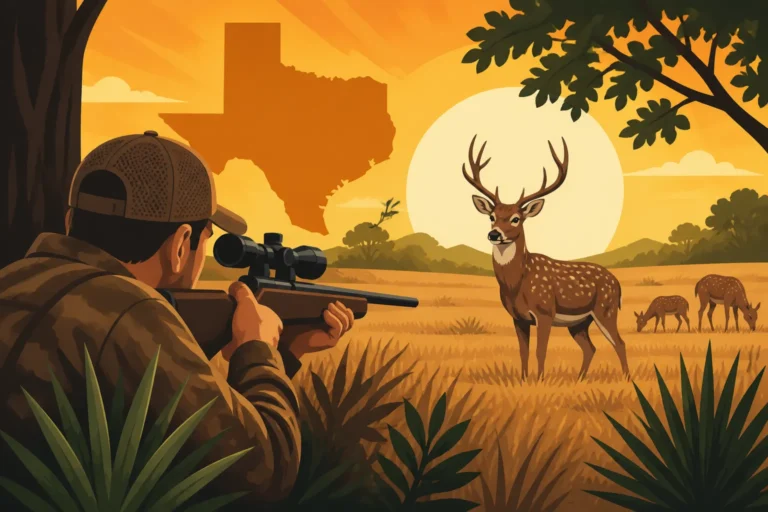
The most common method in Texas is sitting in a box blind or a tripod over a corn feeder. While this is effective, Fallow deer are often the last animals to come to the dinner table. They will wait for the Whitetail and even the hogs to finish before they step out into the open. If you are Hunting Over Feeders & Corn in Texas (Legal Guide), consistency is your best friend.
To be successful with this method, you need to be in the stand at least an hour before the feeder goes off. Fallow deer often linger in the shadows of the tree line, watching the feeder to see if anything else gets spooked. If you show up right as the timer spins, they’ve already seen you. Use a silent entry path and try to keep your blind as concealed as possible with local brush or cedar limbs to break up the silhouette.
Spot and Stalk Tactics
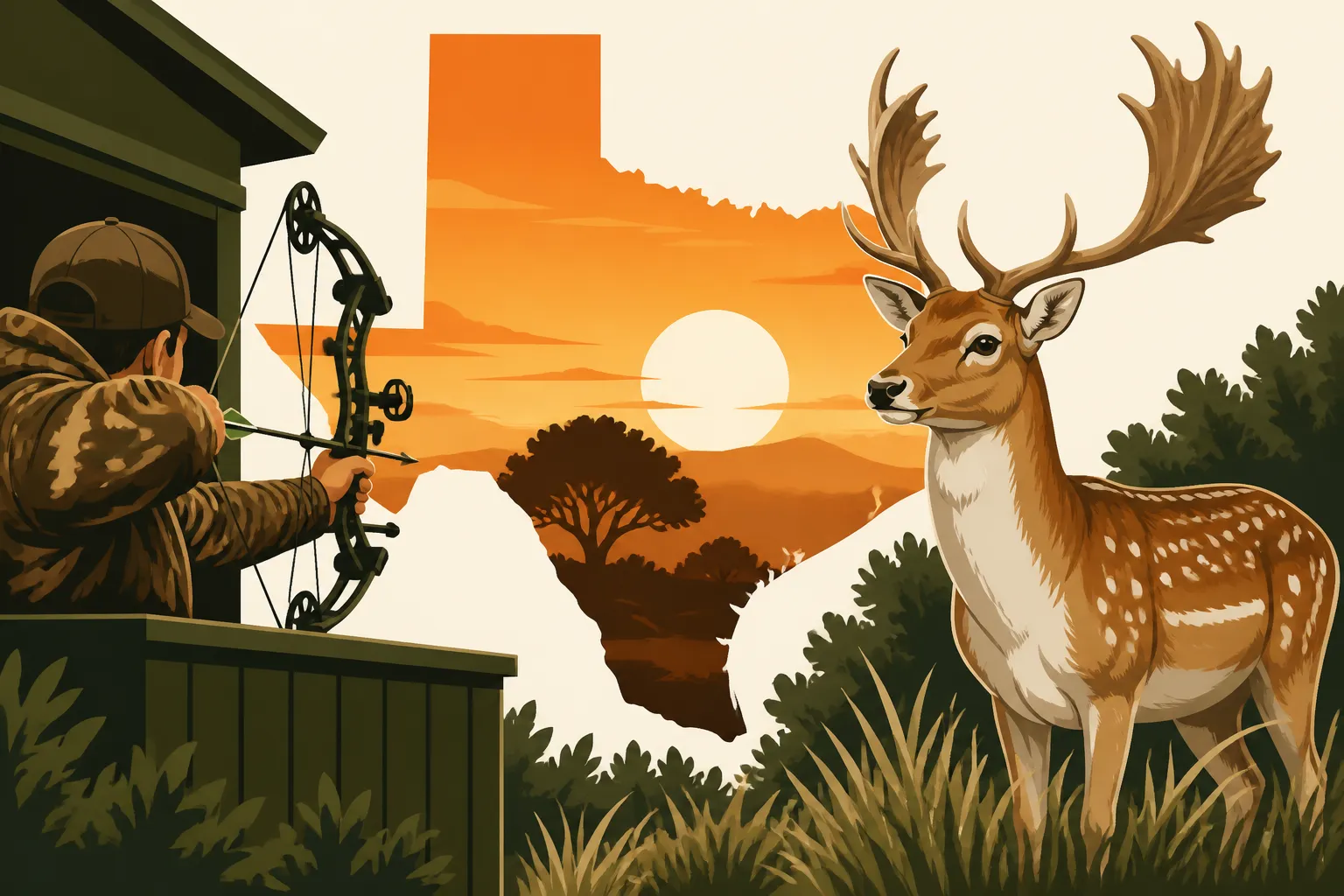
For those who find sitting in a box boring, Spot-and-Stalk Hunting in Texas (Exotics & Mule Deer) is the ultimate challenge for Fallow deer. This method works best in the early morning when the dew is still on the ground, allowing for a quieter footfall. Fallow deer, especially the white and menil (spotted) color phases, can be surprisingly easy to spot against the green or brown brush if you are using high-quality glass.
When stalking, you must play the wind. Fallow deer have a sense of smell that rivals an elk's. If the wind shifts even slightly toward them, the hunt is over. Look for "balds" or open hillsides where they like to sun themselves in the winter. Use the terrain to stay out of sight, moving only when their heads are down feeding. If you get caught in the open, freeze. Because their eyesight is movement-based, you might get away with standing perfectly still for several minutes until they go back to grazing.
Ambush Points and Natural Funnels
If the deer aren't hitting the feeders during daylight hours, it is time to move your setup to a natural funnel or a water source. Texas is dry, and a lone water hole in the middle of a hot afternoon is a magnet for Fallow deer. Unlike Whitetail, which might drink and leave, Fallow herds often loiter around water, playing and socialising.
Look for "pinch points" between bedding areas and feeding grounds. Fallow deer are creatures of habit and will use the same trails day after day. By setting up a ground blind or a climbing stand 50 yards off a well-used trail, you can catch them moving naturally before they reach the high-pressure areas around a feeder. This is often where you will find the older, wiser trophy bucks that have learned to avoid the "spin" of the feeder timer.
| Method | Best Time of Year | Difficulty Level | Pros | Cons |
|---|---|---|---|---|
| Stand/Feeder | Winter/Late Fall | Low | Comfortable, consistent | Deer can become "nocturnal" |
| Spot & Stalk | Spring/Early Fall | High | Exciting, proactive | Very high chance of being busted |
| Water Hole | Summer/Late Spring | Medium | High volume of sightings | Requires long sits in the heat |
| Ambush/Trails | During the "Groan" | Medium | Targets trophy bucks | Requires scouting and patience |
Essential Gear and Preparation for a Fallow Hunt
You can’t just walk into the woods with a rifle and hope for the best. Fallow deer are incredibly hardy animals. A buck can weigh up to 200 pounds, and their thick necks and heavy shoulders mean you need a rifle that packs a punch. Most Texas hunters opt for a .270, .308, or 6.5 Creedmoor. Beyond the rifle, your success often depends on your ability to see them before they see you and keep your scent under control.
When preparing your kit, don't overlook the small things. You can find many affordable accessories like wind checkers and scent-eliminating sprays on Amazon that make a huge difference in the field. I always recommend carrying a lightweight pair of binos around your neck at all times because a Fallow buck can look exactly like a dead cedar stump until he moves his head.
Optics and Glassing Strategies
In the wide-open spaces of Texas, your eyes are only as good as your glass. You need the Best Hunting Optics for Texas: Scopes, Binos & Rangefinders to effectively judge a Fallow buck's palms. Since their antlers are palmated (flat like a moose), it can be difficult to tell a "shooter" from a young buck at a distance without a spotting scope or high-power binoculars.
Spend your time glassing the shadows. Fallow deer love to tuck themselves under the canopy of a live oak. Look for the flicker of an ear or the white spots on their hide. During the midday heat, they won't be moving much, so you have to pick the brush apart inch by inch. If you are hunting on a budget, you can often find great deals on entry-level vortex or bushnell optics on Amazon that will get the job done without breaking the bank.
Scent Control and Wind Awareness
I cannot stress this enough: Fallow deer live and die by their noses. Before you even leave the camp, you should be thinking about scent. Use a scent-free soap and store your hunting clothes in a plastic bin with some cedar boughs or local soil. When you're in the field, use a wind powder or a simple piece of thread tied to your barrel to monitor the breeze.
Even if you are in a "sealed" box blind, your scent can leak out of the windows. Many hunters swear by using an ozone generator, which you can easily pick up from Amazon, to neutralize odors inside the blind. It might seem like overkill, but when you are targeting a trophy Fallow buck that has survived three or four seasons, every little advantage counts.
Processing and Post-Hunt Considerations
Once the shot is made and the excitement settles, the real work begins. Texas weather is rarely "cold" in the traditional sense. Even in November, you might be dealing with 80-degree afternoons. This means you have a very short window to get that animal broken down and on ice. Fallow venison is widely considered some of the best-tasting meat in the world—often compared to veal—so you don't want to ruin it by letting it get too warm.
If you aren't prepared for the heat, you'll regret it. I always keep a large 65-quart cooler (which you can find plenty of options for on Amazon) filled with ice in the bed of the truck. The goal is to get the internal temperature of the meat down as fast as humanly possible.
Field Dressing in the Texas Heat
Knowing How to Field Dress a Deer in Hot Weather is a mandatory skill for the Texas hunter. For Fallow deer, I recommend the "gutless method" if you are far from the truck. This involves skinning the deer and removing the quarters and backstraps without ever opening the body cavity. This keeps the meat cleaner and prevents the accidental puncture of the stomach, which can ruin the flavor of the meat instantly.
If you do prefer a traditional field dress, be sure to open the chest cavity all the way up to the neck to let the heat escape. You also need to know How to Cool a Deer Fast in Texas Heat, which often involves placing bags of ice inside the ribcage once the vitals are removed. Fallow deer have a very thick hide and a layer of tallow (fat) that acts as an insulator, holding heat in long after the animal has expired.
Meat Quality and Preparation
After you have successfully harvested your animal and decided Where to Take a Deer for Processing in Texas, you have some delicious meals ahead of you. Fallow meat is leaner than beef but lacks the "gamey" punch that some people dislike in Whitetail. It is excellent for steaks, roasts, and especially for making high-quality summer sausage.
Because Fallow venison is so lean, you have to be careful not to overcook it. Medium-rare is the gold standard here. If you are processing it yourself, make sure to trim away all the white fat (the tallow). Unlike beef fat, deer tallow has a waxy texture and a strong flavor that can be unpleasant. Use a high-quality vacuum sealer, available on Amazon, to prevent freezer burn and keep your hard-earned venison fresh for up to a year.
Disclaimer
Hunting regulations in Texas are subject to change, and rules regarding exotic species can vary significantly between private land and public land units. Always consult the Texas Parks and Wildlife Outdoor Annual for the most current laws, license requirements, and tag procedures before heading into the field. This guide is for informational purposes and does not constitute legal advice. High-fence and low-fence properties may have specific ranch rules that override general suggestions provided here. Always hunt ethically and respect the land and the game.