Texas Youth Hunting Weekend Dates
Trying to balance school schedules, extracurricular sports, and your own work life while attempting to get your kids into the woods can feel like a secondary full-time job. Between the "I forgot my boots" moments and the struggle to find dates that don't conflict with a Friday night football game, many Texas parents feel overwhelmed. This guide provides the exact Texas Youth Hunting Weekend Dates and the critical regulations you need to know to ensure a stress-free, legal, and memorable hunt for the next generation of outdoorsmen and women.
Understanding the Structure of Texas Youth Only Hunting Seasons
Texas Parks and Wildlife Department (TPWD) established youth-only seasons with a very specific goal in mind: recruitment. In a world dominated by screens and indoor activities, the state recognized that giving kids a "head start" without the pressure and competition of the general season crowd was the best way to foster a lifelong love for the outdoors. These weekends are designed to allow adult mentors to focus 100% on the child rather than their own harvest.
The Philosophy Behind the Head Start
The youth-only weekends typically occur the weekend immediately preceding the general gun season for whitetail deer and at the tail end of the season in January. By scheduling the primary youth weekend in late October, the state allows kids to get into the woods when the deer haven't been pressured by thousands of hunters yet. The weather is usually a bit more manageable—though still unpredictable in Texas—and the deer are moving naturally toward their fall patterns.
From a mentor's perspective, this is a golden opportunity. You aren't worried about whether the guy on the neighboring lease is going to shoot the buck you’ve been watching on camera for three months. Instead, you can spend the morning explaining the difference between a scrape and a rub, or showing your child how to stay still when a doe enters the clearing. It’s about education without the noise of the "big opening day" rush.
Age Eligibility and Requirements
In Texas, a "youth" is defined as any person 16 years of age or younger at the time of license purchase. This is a crucial distinction. If your child turns 17 mid-season but bought their Texas Youth & Senior Hunting License while they were still 16, they are still eligible for the youth-only seasons for that entire license year. It’s a bit of a "grace period" that the state provides to keep things simple for families.
However, being "youth" doesn't mean they are exempt from the rules. They still need a valid hunting license with the appropriate endorsements. If you are wondering How Much Is a Texas Hunting License? for a kid, the good news is that the youth version is significantly discounted compared to adult prices. While the price is low, the responsibility remains high; they must follow all bag limits and antler restrictions applicable to the county where you are hunting.
The Importance of the Mentor Role
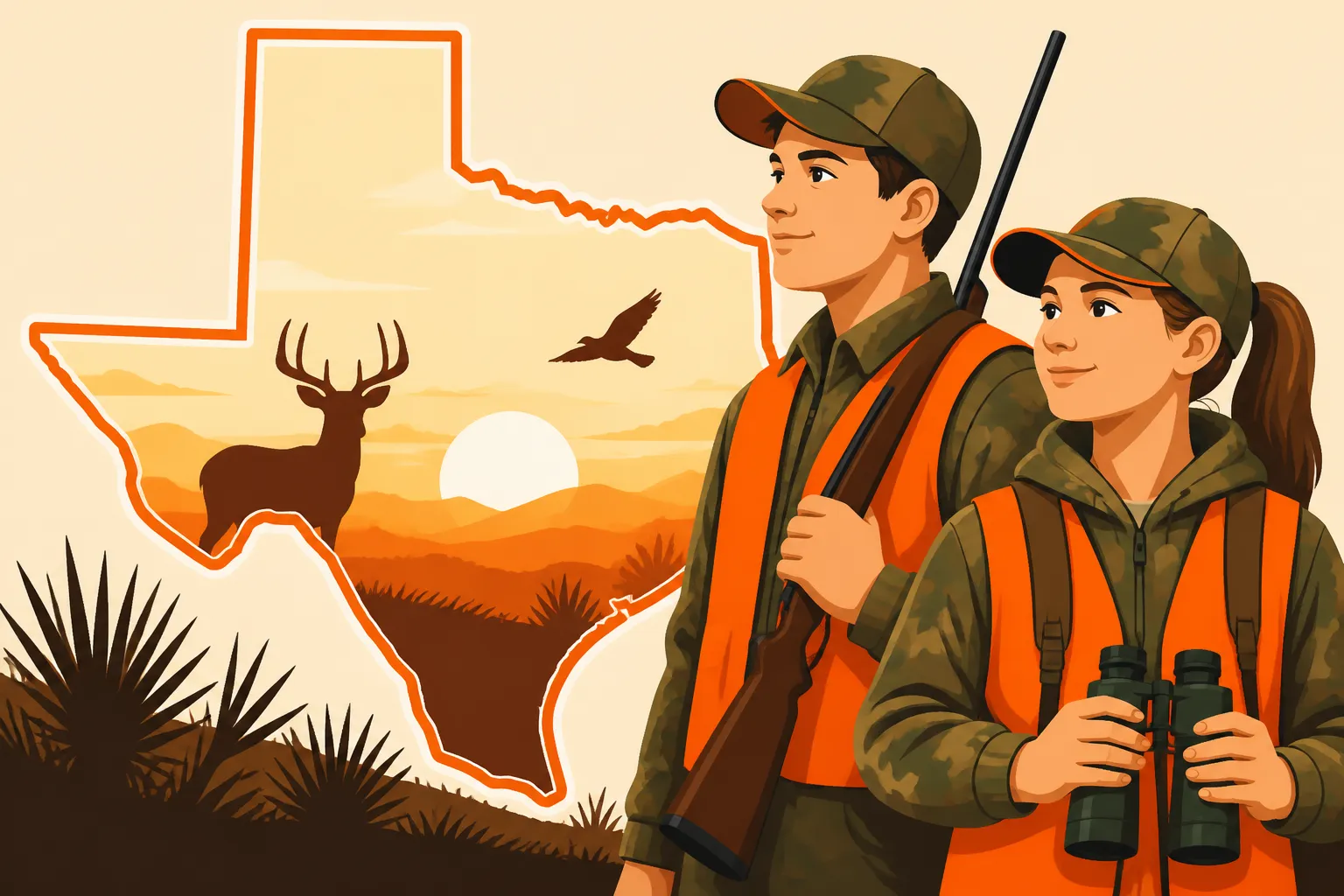
The law is very clear: youth hunters must be accompanied by a licensed adult who is at least 18 years of age. This adult mentor must be within "normal voice control" and "unaided sight" of the youth hunter. In practical terms, this means you can’t drop your 14-year-old off at a blind and go sit in another one half a mile away. You are there to guide, supervise, and ensure every shot taken is ethical and safe.
This setup actually benefits the learning process. When you are sitting shoulder-to-shoulder in a blind, you can whisper advice about shot placement or help them steady their breathing. It turns a solitary activity into a bonding experience. I’ve seen more "first deer" smiles during youth weekend than at any other time of the year, mostly because the pressure is off for both the parent and the child.
Texas Youth Hunting Weekend Dates for 2024 through 2026
Marking your calendar is the first step toward a successful season. TPWD generally follows a consistent pattern, but checking the specific dates for each year is vital because a shift in the calendar can move opening day by a full week. These dates apply to private land and many public land units, though you should always verify the specific rules for any Wildlife Management Area (WMA) you plan to visit.
White-Tailed Deer Youth Dates
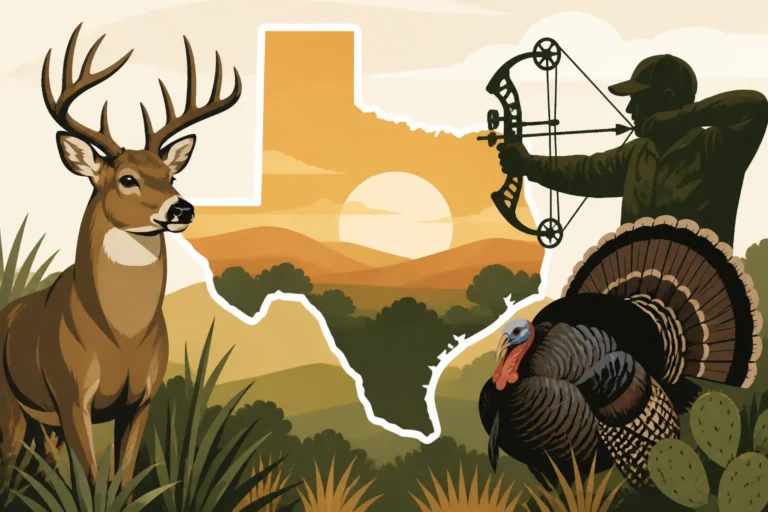
For the 2024-2025 season, the primary Youth-Only weekend for whitetail deer is October 26–27, 2024. This is followed by a late-season youth window from January 6–19, 2025. Looking ahead to the 2025-2026 cycle, the early weekend is projected for October 25–26, 2025, with the late season running from January 5–18, 2026. These dates are designed to bookend the general season, providing two distinct opportunities with very different hunting styles.
The early October weekend is often about hunting over feeders or travel corridors between bedding areas and food sources. The January late season is a different beast entirely. By then, the rut has usually passed in the North Zone but might still be simmering in South Texas. It’s a great time to target "management" deer or fill the freezer with does. If you are looking for tips on how to handle these late-season conditions, check out our guide on How to Hunt Whitetail Deer in Texas (Step by Step) for a breakdown of seasonal movements.
Rio Grande Turkey Youth Dates
Turkey hunting is another major draw for youth in Texas. The spring season is particularly exciting because of the interactive nature of calling birds. For the 2025 Spring season, the youth-only dates in the South Zone are March 22–23 and May 24–25. In the North Zone, the dates are March 29–30 and May 31–June 1.
Spring turkey hunting requires a lot of patience and camouflage, making it a fantastic "level up" for kids who have already mastered the deer blind. It teaches them about the importance of stillness and the thrill of hearing a tom gobble just yards away. Because turkey seasons are split into zones, it is essential to consult the Texas Hunting Seasons: Complete Calendar by Species to ensure you are in the right place at the right time.
Waterfowl and Small Game Opportunities
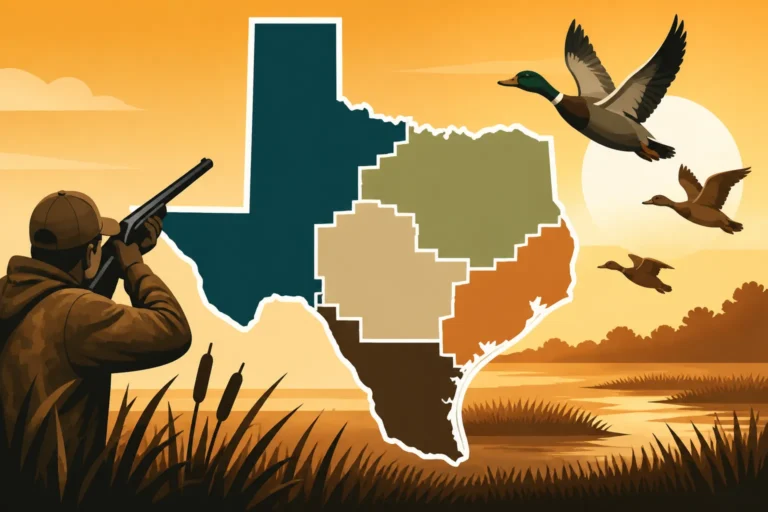
Ducks and geese also have dedicated youth days, which usually fall a week or two before the regular season opens in the High Plains Mallard Management Unit, as well as the North and South Zones. These dates are often finalized later in the year based on federal migratory bird frameworks, but they typically occur in late October or early November.
Don't overlook small game either. Squirrel hunting has a youth-only season in many East Texas counties, usually falling in late September. This is perhaps the best "entry-level" hunt for a child. It involves a lot of walking, looking up into the canopy, and more frequent shooting opportunities than deer hunting, which keeps high-energy kids engaged.
| Species | Season Type | 2024-2025 Dates | 2025-2026 Dates (Projected) |
|---|---|---|---|
| Whitetail Deer | Early Youth | Oct 26-27 | Oct 25-26 |
| Whitetail Deer | Late Youth | Jan 6-19 | Jan 5-18 |
| Rio Grande Turkey | Spring (South) | Mar 22-23 | Mar 21-22 |
| Rio Grande Turkey | Spring (North) | Mar 29-30 | Mar 28-29 |
| Squirrel | Youth Only | Sept 21-22 | Sept 20-21 |
Essential Rules and Regulations for Youth Hunters
While the goal is fun, the framework is legal. Texas game wardens are very supportive of youth hunters, but they are also strict about safety and licensing. Ignorance of the law isn't an excuse, even for a ten-year-old, so the responsibility falls squarely on the adult mentor to ensure everything is above board.
Hunter Education Requirements
One of the most common questions is, Do You Need Hunter Education in Texas? for youth hunters. The answer depends on age. Every hunter in Texas (including out-of-state hunters) born on or after Sept. 2, 1971, must successfully complete hunter education. However, there are age-specific nuances.
Children under 9 years of age do not need to complete the course, but they must be "accompanied." Between the ages of 9 and 16, they can complete the course and carry their certification, or they can hunt under the "accompanied" rule. Even if they have passed the course, staying close to a mentor is the best practice for safety and success. If your child is approaching that 9-year-old milestone, it’s a great time to look into the online or field-day courses to get them certified early.
Supervision and the "Accompanied" Rule
To be legally "accompanied" in the eyes of TPWD, the mentor must be at least 18 years old, have passed hunter education (or be exempt), and be within normal voice control. This means no walkie-talkies or cell phones to bridge the gap; you need to be able to speak to them in a normal tone and have them hear you.
This rule is about more than just legal compliance; it’s about safety. In the excitement of seeing a big buck, a young hunter’s adrenaline can skyrocket, leading to "buck fever." Being right there allows you to help them manage their safety catch, verify the target, and ensure there is a safe backstop before they ever pull the trigger. It’s also your job to make sure they are following the Texas Hunting License: Cost, Types & How to Buy (2026) guidelines regarding tags and harvest reporting.
Bag Limits and Tagging
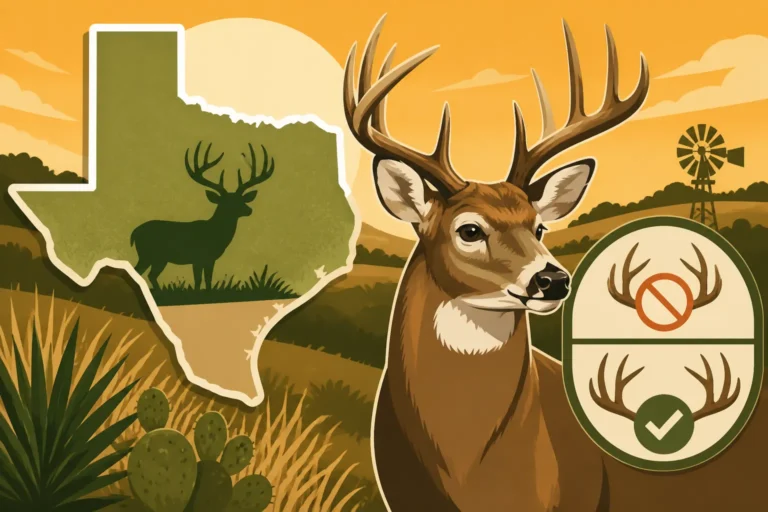
Youth hunters are generally allowed the same bag limits as adult hunters in the county where they are hunting. However, you must be extremely careful with "Special Late Seasons." During the January youth-only whitetail season, hunters are typically restricted to antlerless deer and "unbranched antler" bucks (spikes) in many counties.
If you are hunting in a county with antler restrictions (the 13-inch rule), that rule still applies to the youth hunter unless specified otherwise by a Managed Lands Deer Program (MLDP) permit. Always check the specific county listings in the TPWD Outdoor Annual before head out. Tagging the animal immediately after harvest is also a requirement. Show your child how to properly fill out the tag and where to attach it on the animal—it’s a rite of passage every hunter should learn early.
Preparing Your Young Hunter for the Field
Success on a youth weekend is measured more by the experience than the harvest, but a little preparation goes a long way in preventing a "meltdown" in the blind. Kids have different physical and emotional needs in the field than adults, and failing to account for those can end a hunt before the sun even comes up.
Choosing the Right Gear for Kids
Don't just hand your child a full-sized 30-06 and expect them to be comfortable. Recoil is the number one reason young hunters develop a "flinch" that ruins their accuracy. Start them with a caliber that is effective but manageable, like a .243 Winchester, 6.5 Creedmoor, or even a .223 (where legal and for smaller deer).
Beyond the rifle, focus on comfort. If they are cold, they will be miserable. Texas mornings can be 30 degrees and the afternoons can be 80. Layering is key. Also, consider the blind. A cramped tripod might be okay for you, but a kid needs room to move a bit without bumping the walls. I often recommend looking into the Best Box Blind for Hot Texas Weather because they offer shade, wind protection, and enough room for a parent and child to sit comfortably with snacks and gear. For a full list of essentials, browse our recommendations for the Best Hunting Gear for Beginners in Texas (By Budget) to find youth-sized items that won't break the bank.
Range Practice and Safety Drills
Confidence at the range translates to confidence in the woods. Take your child to the range multiple times before youth weekend. Start with a rimfire (.22 LR) to practice the fundamentals of breathing and trigger squeeze without any recoil fear. Once they are comfortable, move up to their hunting rifle.
Use life-sized deer targets so they can learn to visualize where the vitals are. This is also the time to run safety drills. Practice loading and unloading the firearm (with dummy rounds or at the range), and emphasize the "muzzle always in a safe direction" rule until it becomes second nature. If they can’t consistently hit a paper plate at 100 yards, you might need to limit your hunting distance or spend more time practicing.
Managing Expectations and the Fun Factor
This is perhaps the most important part of a youth hunt. If you make it feel like a chore or a military operation, they won't want to come back. Bring plenty of snacks—more than you think you need. Bring a tablet or a book for the slow hours between 10:00 AM and 2:00 PM if you are staying in the blind.
Celebrate the small things. A cool-looking beetle, a hawk circling overhead, or a group of turkeys walking by are all wins. If they decide they’ve had enough and want to head back to camp after two hours, let them. Forcing a child to stay in a blind when they are bored or cold is the fastest way to ensure they never want to go hunting again. The goal is for them to ask, "When can we go again?" on the drive home.
Strategic Locations and Tactics for Youth Weekends
Where you hunt is just as important as when. Because youth weekends are short, you want to put your child in a position where they are likely to see game quickly to keep their interest high.
Hunting Over Feeders vs. Active Stalking
In Texas, hunting over feeders is the most common and effective tactic for youth hunters. It provides a localized "stage" where animals are likely to appear, allowing the child to watch the deer for several minutes before a shot opportunity arises. This time is vital for calming nerves and ensuring the child can identify a legal deer.
Feeders create a predictable environment. You know the distance to the feeder, which means you can set up the rifle rest for the exact yardage. Spot-and-stalk hunting is much more difficult for kids; it requires stealth, constant awareness of wind, and often a quick shot from an unstable position. Save the stalking for when they are older and have more field experience. For now, a comfortable blind over a reliable corn source is the way to go.
Utilizing Public Land Opportunities
While most Texas hunting occurs on private leases, don't overlook public land. TPWD offers many "Drawn Hunts" specifically for youth. These are often held on state parks or WMAs and are highly managed to ensure a high success rate. The application process usually begins in the summer, so you have to plan well in advance.
Public land youth hunts are often accompanied by biologists or park rangers who provide educational briefings about the local ecosystem. It’s a fantastic way to hunt some of the most beautiful parts of the state for a very low cost. Even if you don't win a draw, some WMAs allow youth hunting with a simple Annual Public Hunting Permit during specific windows. Just be sure to wear your hunter orange and follow the specific area rules, as they can be more restrictive than general state laws.
Frequently Asked Questions About Youth Hunting in Texas
Can a youth hunter shoot a buck during the late youth season in January?
In most North and South Zone counties, the late youth season is restricted to antlerless deer and spikes (unbranched antler bucks). However, if the property is enrolled in the MLDP program, the tags provided by that program dictate what can be harvested. Always check your specific county rules.
Is there a minimum age to hunt in Texas?
There is no state-mandated minimum age to hunt. As long as the child is physically capable of handling a firearm safely and is accompanied by an adult, they can participate. I’ve seen kids as young as five or six harvest their first deer, though 9-10 is a more common starting point.
Can I hunt my own tags during youth weekend?
No. During the designated youth-only weekends, only the youth hunter may harvest the species for which the season is open. The adult's role is strictly as a mentor and supervisor. If you want to hunt together, you’ll need to wait for the general season opening day.
Do we need to report the harvest?
Yes, in many counties, particularly for whitetail deer and wild turkey, you must report your harvest via the "My Texas Hunt Harvest" app or the TPWD website within 24 hours. Even if it isn't mandatory in your specific county, it is a great habit to teach your child to help biologists track population data.
Disclaimer
The information provided in this guide is for educational purposes and reflects the general regulations and projected dates for Texas hunting seasons. Hunting laws and dates are subject to change by the Texas Parks and Wildlife Department (TPWD) annually. Always consult the official TPWD Outdoor Annual and verify specific county regulations, bag limits, and private property rules before heading into the field. Safety should always be your primary concern when hunting with minors.