Texas Quail Season Dates 2026
Finding accurate, up-to-date quail season dates in Texas can feel like a wild goose chase, especially when regulations and zones change slightly year to year. It's frustrating to plan a hunt only to realize you've misread the Outdoor Annual or missed a critical detail. This comprehensive guide will walk you through the precise Texas quail season dates, including specific zones and important details for both Bobwhite and Blue Quail, so you can plan your next outing with confidence and avoid any last-minute scrambles.
Understanding Texas Quail Season Zones
Texas is a massive state, sprawling across diverse landscapes, and it’s no surprise that hunting regulations, including quail seasons, vary significantly depending on where you plan to chase those fast-flying birds. It’s not a one-size-fits-all deal, and understanding the different zones is your absolute first step to a legal and successful hunt. Neglecting this crucial detail can lead to disappointment or, worse, a run-in with a game warden. This zonal approach allows TPWD to manage populations more effectively based on regional ecological conditions and bird numbers.
The Panhandle/Rolling Plains Zone: The Bobwhite Stronghold
When most folks talk about quail hunting in Texas, their minds often drift to the vast, open landscapes of the Panhandle and the Rolling Plains. This expansive region, characterized by its mesquite thickets, CRP (Conservation Reserve Program) fields, and native grasses, is traditionally the heartland of the Texas Bobwhite. The season here often kicks off a bit earlier and runs longer than in some other parts of the state, reflecting the robust populations we see when conditions are favorable. It’s where many of us cut our teeth chasing coveys, and the anticipation for the opening day in this zone is palpable every year. Think of classic quail towns like Childress, Guthrie, or Vernon – this is truly prime Bobwhite country. The health of these populations is heavily tied to rainfall and effective habitat management, so a wet spring often translates into a banner year for hunters here. The coveys can be large and explosive, offering thrilling fast-paced shooting.
The South Texas Zone: Brush Country Quail
Further south, you enter the famed South Texas Brush Country, a unique ecosystem that also holds significant numbers of Bobwhite quail, often alongside some Blue Quail. This zone extends from areas roughly south of San Antonio down to the Rio Grande. The habitat here is strikingly different from the Panhandle – dense thorny brush, extensive prickly pear patches, and taller, often denser, native grasses – offering a different kind of challenge and often a slightly different season structure. While the Panhandle might be known for wide-open flushes, South Texas hunts frequently involve pushing through thick senderos and picking birds out of impenetrable cover. Counties like Webb, La Salle, and Duval are prime examples of this classic South Texas hunting, where the heat can linger longer into the fall, sometimes pushing the season's sweet spot a bit later in the year. Hunting in this environment demands sturdy gear and dogs that can handle the thorns.
Other Areas and Blue Quail Hotspots
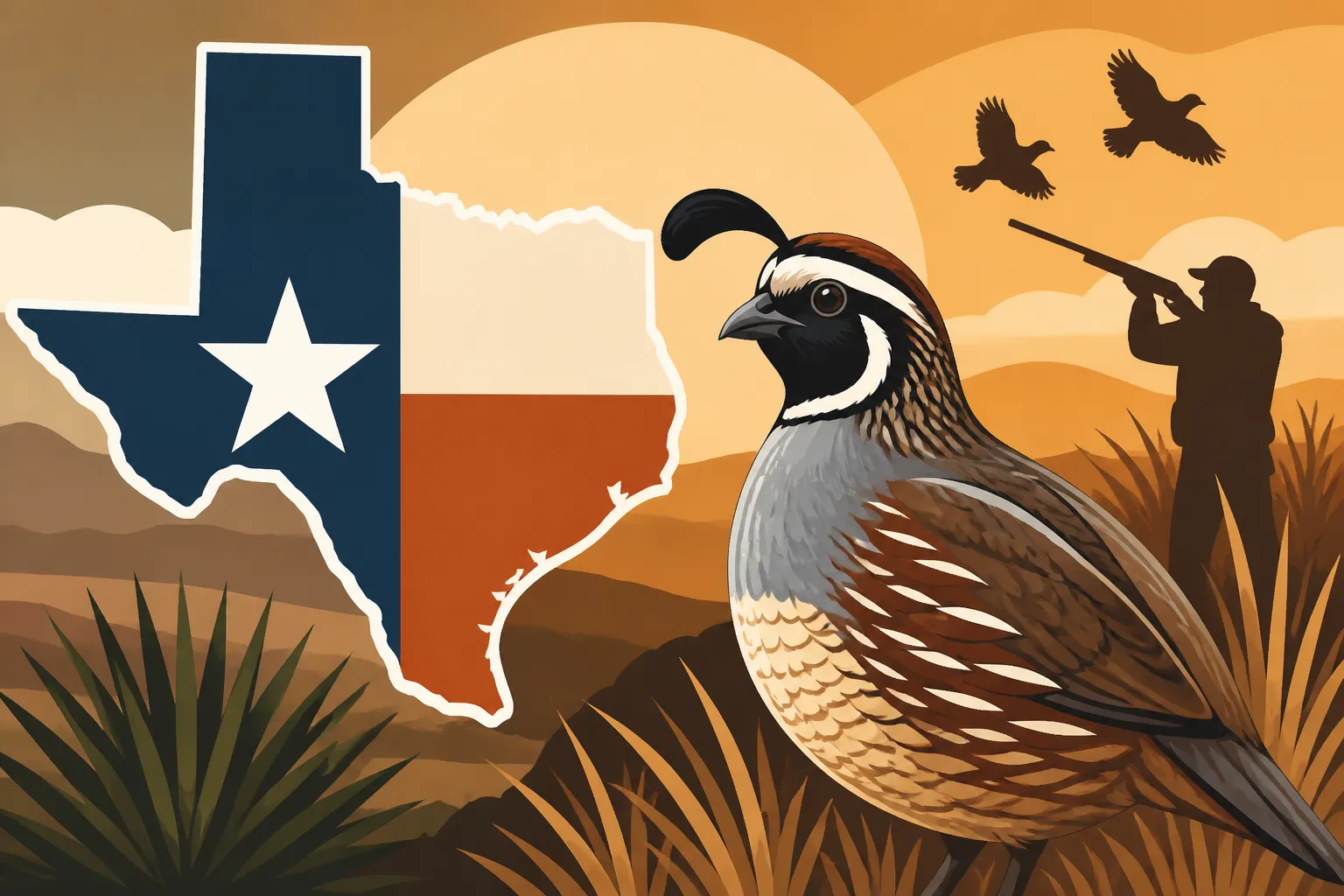
While the Panhandle and South Texas are undeniably the primary quail hunting destinations, you can find huntable populations of quail in other parts of the state. For instance, the rugged Trans-Pecos region in West Texas is renowned for its Blue Quail, which are often affectionately called "scalies" due to their distinctive scaled feather patterns. These birds behave quite differently than Bobwhites, typically preferring rocky, arid terrain and having a strong tendency to run rather than flush. If you're targeting Blue Quail, your tactics will need to adapt accordingly. The season for Blue Quail typically aligns with Bobwhite seasons in adjacent zones, but their unique habits make for a distinct hunting experience. Even parts of the Edwards Plateau and the Cross Timbers might hold scattered coveys of Bobwhites, though generally not in the densities found in the primary zones. It's always a smart move to check the specific county regulations in the official TPWD Outdoor Annual, as minor variations can occur even within these broader zones, particularly in transition areas.
Key Dates for Bobwhite and Blue Quail in 2026
Alright, let's get down to brass tacks. You're here for the dates, and for good reason! Pinning down the exact opening and closing days for Texas quail season can be tricky, as slight adjustments happen based on ecological surveys, management goals, and annual reviews by the Texas Parks and Wildlife Department. For 2026, based on current patterns and anticipated regulations, we can outline the general framework you should expect. Keep in mind that official dates are usually released closer to the season by the TPWD, but historical trends give us a very good idea of what's coming.
Standard Season Openers and Closers
Typically, the Bobwhite and Blue Quail seasons kick off in late October or early November across the state. For the vast majority of the state, especially the prime Panhandle/Rolling Plains and South Texas zones, you're usually looking at an opener around October 28th to November 1st, 2026. This timing is deliberately chosen. It allows for young-of-the-year birds to fully mature, giving them time to grow and strengthen. It also coincides with the general arrival of cooler weather, making for much more comfortable hunting conditions for both hunters and their dogs, especially in the warmer southern reaches of the state.
The season generally runs through the end of February, typically closing around February 28th, 2027. This impressively long season offers ample opportunity to get out and enjoy some of the best upland hunting Texas has to offer. It’s always smart to have a specific county in mind and double-check the TPWD Outdoor Annual once it’s officially released for 2026-2027, but these dates provide an excellent planning window for booking leases, coordinating with hunting partners, and conditioning your bird dogs. For instance, in a classic Bobwhite county like Cottle County in the Rolling Plains, you could anticipate the season opening the last weekend of October and running through February. Similarly, for chasing Scalies in Jeff Davis County in the Trans-Pecos, the general season dates would likely mirror this, though the rugged terrain and hunting style would be vastly different.
Bag and Possession Limits
Beyond just the dates, understanding bag and possession limits is absolutely essential for every hunter. Texas is fairly generous with its quail limits, a testament to the potential for robust populations after good rainfall years. For 2026, expect the daily bag limit for Bobwhite and Blue Quail (in aggregate) to remain consistent at 15 birds. This means you can harvest a combined total of 15 Bobwhites and Blue Quail per day. It’s important to note that it's an aggregate limit, so whether you shoot 10 Bobwhites and 5 Blue Quail, or 15 Bobwhites, it still counts towards that daily total.
The possession limit, which is the maximum number of birds you can have on hand at any given time (including those stored at home, at a camp, or in your vehicle), is typically 45 birds. This allows hunters who travel from afar or make multi-day trips to accumulate a fair amount of game without breaking the law. Always count your birds carefully and be mindful of your possession limit, especially if you're hunting with a group and combining your harvest. This is one of those rules that seems simple but can easily be miscalculated in the excitement of a successful hunt. Double-check the "Texas Quail Season Dates & Limit" section in the official annual for any specific county exceptions.
| Quail Species | Hunting Zone | Typical Open Date (2026) | Typical Close Date (2027) | Daily Bag Limit | Possession Limit |
|---|---|---|---|---|---|
| Bobwhite | Panhandle/Rolling Plains | Oct 28 – Nov 1 | Feb 28 | 15 (aggregate) | 45 (aggregate) |
| Bobwhite | South Texas | Oct 28 – Nov 1 | Feb 28 | 15 (aggregate) | 45 (aggregate) |
| Blue Quail | Trans-Pecos | Oct 28 – Nov 1 | Feb 28 | 15 (aggregate) | 45 (aggregate) |
| Blue Quail | Other Areas (e.g., Edwards Plateau) | Oct 28 – Nov 1 | Feb 28 | 15 (aggregate) | 45 (aggregate) |
Special Youth-Only Seasons
The Texas Parks and Wildlife Department is a big proponent of getting younger generations involved in hunting and often designates special youth-only hunting weekends for various game species. These events provide young hunters with dedicated opportunities to get out in the field in a less pressured environment. While not always directly tied to quail in the same way deer or turkey seasons are, it's always worth checking the specific 2026-2027 regulations for any potential youth-only segments for upland game birds. These special seasons are fantastic for introducing kids to hunting, allowing them to learn and gain experience without the added competition from adult hunters. Even if there isn't a dedicated quail youth weekend, the regular season is long enough to provide plenty of chances for youngsters to experience the thrill of a covey rise. Make sure any youth hunters have completed their hunter education if required. You can find more about these opportunities through resources like "Texas Youth Hunting Opportunities & Special Hunts" on the TPWD website.
Navigating License Requirements and Endorsements
Before you even think about loading up the truck and heading out to the brush or plains, you've absolutely got to make sure your paperwork is in order. It's a common oversight, especially for new hunters or those who only hit the field once a year, to forget about renewing a license or missing a required endorsement. Getting caught without the right license or certification can quickly ruin a hunt, lead to hefty fines, and cast a shadow over an otherwise enjoyable experience. So, let's make sure you're squared away and fully compliant before setting foot in quail country.
The All-Important Texas Hunting License
Every hunter in Texas, unless specifically exempt, must possess a valid Texas Hunting License. This is your fundamental pass, your ticket, to participate in legal hunting activities across the vast expanse of the Lone Star State. Exemptions are typically for landowners hunting on their own property, or for youth under a certain age when they are accompanied by a licensed adult. For most residents, the most popular and convenient option is often the "Super Combo" license, which intelligently bundles a general hunting license, a fishing license, and various endorsements (like for migratory birds or archery) into one convenient and often cost-saving package. This simplifies things immensely, as you only have one document to keep track of. However, if you are only planning to hunt quail and no other game, a basic hunting license will technically suffice. Non-residents, of course, will need to purchase a specific non-resident hunting license. It's a critical detail to remember that these licenses, regardless of type, expire annually on August 31st. Always plan to purchase or renew your license well before the fall seasons kick off to avoid any last-minute stress. You can find detailed information on costs, types, and how to purchase in the comprehensive guide titled "Texas Hunting License: Cost, Types & How to Buy (2026)".
No Specific Quail Endorsement, But Hunter Education is Key
This is an important point of clarification: unlike migratory birds (such as doves, ducks, or geese) which require a Migratory Game Bird Endorsement and HIP (Harvest Information Program) certification, quail are classified as resident game birds in Texas. This means you do not need a separate "quail endorsement" or a federal duck stamp specifically for quail hunting. Your general hunting license covers them.
However, what you do need, if you were born on or after September 2, 1971, is proof of Hunter Education certification. This course is designed to teach vital safety practices, fundamental wildlife management principles, and ethical hunting behavior, all of which are essential for responsible hunting. It’s a mandatory requirement for most hunters in Texas, so don’t overlook it. You have the flexibility to take the course online or in person, and thankfully, it's a one-time requirement that doesn't need annual renewal. There are some deferral options available for first-time hunters, which allow them to hunt legally for a single license year under the direct supervision of a licensed and hunter-education-certified adult. However, getting it done ahead of time is always the best and safest approach. If you're a seasoned hunter visiting from out of state, an equivalent hunter education certification from your home state is usually recognized and accepted here in Texas. Do not let this catch you off guard; safety and knowledge are paramount in the field. You can learn more about this requirement and how to fulfill it by reading "Do You Need Hunter Education in Texas?".
Beyond the Dates: What to Expect During Quail Season
Knowing the season dates is absolutely step one, but truly understanding what to expect during a Texas quail season means looking beyond just the calendar. Quail hunting is an experience deeply intertwined with nature, and its success hinges on factors far beyond human control, such as weather and habitat. It’s about appreciating the unpredictable beauty of the wild, adapting to conditions, and being prepared for whatever Mother Nature throws your way. It's a lifestyle, not just a date on a calendar.
Factors Affecting Quail Populations and Hunt Success
Texas quail populations are notoriously cyclical, often described as a boom-and-bust phenomenon, and this dynamic is heavily influenced by rainfall patterns. A wet spring that provides lush nesting cover and abundant insects (a crucial protein source for rapidly growing quail chicks) usually signals a fantastic hunting season a few months later. These conditions lead to higher chick survival and stronger coveys. Conversely, prolonged drought can severely depress populations, leading to poor nesting success and reduced insect availability, making for tougher hunting. Predator control, overall habitat quality (including adequate cover and food sources), and even wildfire frequency also play significant roles in the health and distribution of quail.
When you're planning for the 2026 season, keep a very close eye on rainfall reports from the spring and summer of 2026, especially in your target zones. This will give you a much better indication of what kind of bird numbers you might encounter and temper your expectations accordingly. Understanding the factors contributing to "Texas Quail Decline: Why & Where to Still Hunt" can provide valuable context here, helping you understand the long-term trends and challenges. Even during a "good" year, hunting success isn't guaranteed every single day. Quail are elusive, masters of camouflage, and a strong covey rise can quickly turn into a frustrating game of hide-and-seek in dense cover. That unpredictability is, for many, a significant part of the challenge and the thrill.
Hunting Pressure and Scouting Tips
The enduring popularity of quail hunting means that easily accessible public lands, and even some well-known hunting leases, can experience significant hunting pressure, especially on opening weekends. If you're heading to a Wildlife Management Area (WMA) like the Gene Howe WMA in the Panhandle, anticipate sharing the field with other eager hunters. To maximize your chances and potentially find less pressured birds, consider hunting mid-week if your schedule allows, or focusing your efforts on areas that require a bit more effort to reach. Remote corners of WMAs or less-traveled sections of private leases can often hold more birds.
For those with access to private land, scouting before the season opens is an absolutely invaluable step. Don't just show up on opening day hoping for the best. Take the time to drive or walk your property, looking for fresh quail droppings, dusting bowls (small depressions in soft dirt where birds dust themselves), and listening for covey calls at dawn and dusk. Identify areas with good cover (like shinnery oak, mesquite brush, plum thickets, or tall native grasses) that are near reliable water sources and potential food plots. Even if you're not planning to plant a food plot yourself, understanding "Food Plots in Texas: What Works in the Heat" can help you identify natural food sources like croton (doveweed) or native seeds that quail are keying in on. Utilizing modern tools like the onX Hunt or HuntStand apps can also be a game-changer, helping you pinpoint habitat features, property lines, and potential travel corridors, allowing for much more efficient scouting and on-the-go hunting strategies. These apps help you map out your hunt, mark covey finds, and navigate safely.
Essential Gear and Tactics for the Season
Quail hunting in Texas, especially in the varied and often rugged terrain, demands specific gear to ensure both comfort and success. First and foremost, good snake boots are non-negotiable, particularly in the thick brush of South Texas or the taller grasses of the Rolling Plains, where encounters with rattlesnakes are a very real possibility. Lightweight, breathable hunting clothes in neutral earth tones or appropriate camouflage patterns are crucial for staying comfortable in the often-mild Texas fall and winter weather, which can still get surprisingly warm in the midday sun.
A reliable shotgun is, of course, essential. A 20 gauge or 12 gauge, typically fitted with an improved cylinder or modified choke, is standard for the fast-flying nature of quail, and appropriate shot size (7.5 or 8) will give you the best pattern density. And, for many, trained bird dogs are arguably the most effective tool for locating coveys, holding points, and retrieving downed birds from dense cover, making the entire experience infinitely more enjoyable and efficient. Without good dogs, a significant portion of downed birds can be lost.
Tactically, it's often about covering ground slowly and methodically, allowing your dogs ample time to work and scent out coveys. For "Bobwhite Quail Hunting Tactics for Texas", the strategy often involves pushing through dense cover towards more open areas, anticipating where the covey might flush when pressured. For "Blue Quail Hunting Tactics for Texas", be prepared for birds that prefer to run rather than fly, often requiring quick, instinctive shots as they dart between sparse cover. Bringing plenty of water for yourself and, crucially, for your dogs is also critical, as quail country can be vast, physically demanding, and surprisingly dry. Finally, a reliable cooler, something like a Yeti or a comparable alternative, will be essential for keeping your harvested game cool and fresh in the sometimes-warm Texas climate, especially if you have a long drive home.
Disclaimer
Please remember that hunting regulations, including season dates, bag limits, and licensing requirements, can and do change. While this article provides the most accurate information available based on historical trends and anticipated 2026 regulations, always consult the official Texas Parks and Wildlife Department (TPWD) Outdoor Annual for the most current and legally binding information before heading afield. This guide is for informational purposes only and does not constitute legal advice.