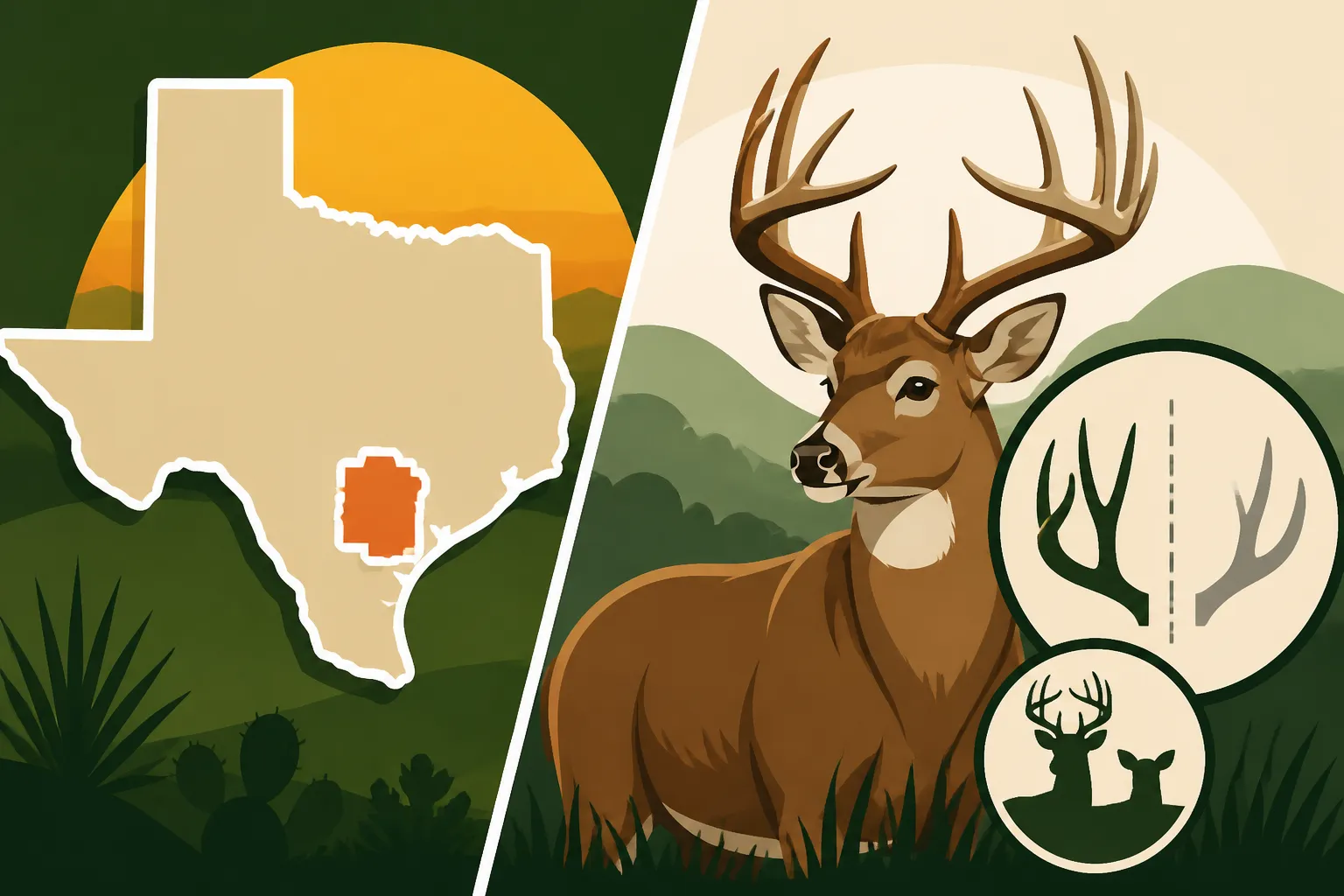
Brooks County Antler Restriction & Bag Limit
Hunting deer in Texas can be an incredible experience, but the myriad of regulations, especially when it comes to antler restrictions and bag limits, can feel like trying to decipher an ancient scroll. It's easy to get confused, wondering if that buck you've been watching is legal or if you've already met your limit. This guide aims to cut through that confusion, specifically for hunters eyeing Brooks County, so you can hunt with confidence and stay on the right side of the law.
Understanding Texas Deer Regulations: Why They Matter
Before we dive into the nitty-gritty of Brooks County, it’s really helpful to understand why Texas Parks and Wildlife Department (TPWD) has these rules in place. It's not just to make our lives harder, I promise! These regulations are crucial for managing the deer population, promoting healthier herds, and ensuring sustainable hunting opportunities for future generations. Without them, we could quickly deplete a local population or end up with an unhealthy buck-to-doe ratio, which isn't good for anyone.
The Purpose Behind Antler Restrictions
The primary goal of antler restrictions in many Texas counties, including Brooks County, is to allow younger bucks more time to mature. Think about it: if every young buck with decent antlers gets harvested, the gene pool for older, larger-antlered deer dwindles. By protecting those younger bucks, we give them a chance to grow into truly magnificent animals, improving the overall quality of the herd. It also helps balance the buck-to-doe ratio, which is vital for effective breeding and herd health. It's a long-term game, but it really pays off in the quality of the deer you see on your lease. You can learn more about the specifics in our comprehensive guide to Texas Antler Restrictions: 13-Inch Rule & Counties.
How Texas Deer Zones Affect Regulations
Texas is a massive state, and what works for deer management in the Panhandle might not work down in the brush country of South Texas. That's why TPWD divides the state into different zones for deer hunting, each with its own set of rules and season dates. Brooks County falls within the South Texas Plains deer zone, an area famous for its dense brush and, often, impressive whitetail bucks. This zoning system allows for tailored management strategies that consider local habitat, climate, and deer population dynamics. Knowing your zone is the first step in understanding your specific regulations, including Texas Deer Season 2026-2027: Dates by Zone and how different Texas Deer Zones: North vs South Explained affect your hunt.
Brooks County Specific Antler Restrictions
Alright, let's get down to brass tacks for Brooks County. This county, like many others in South Texas, operates under specific antler restrictions designed to protect younger bucks and enhance herd quality. It's critical to understand these rules perfectly before you pull the trigger.
The 13-Inch Rule in Practice
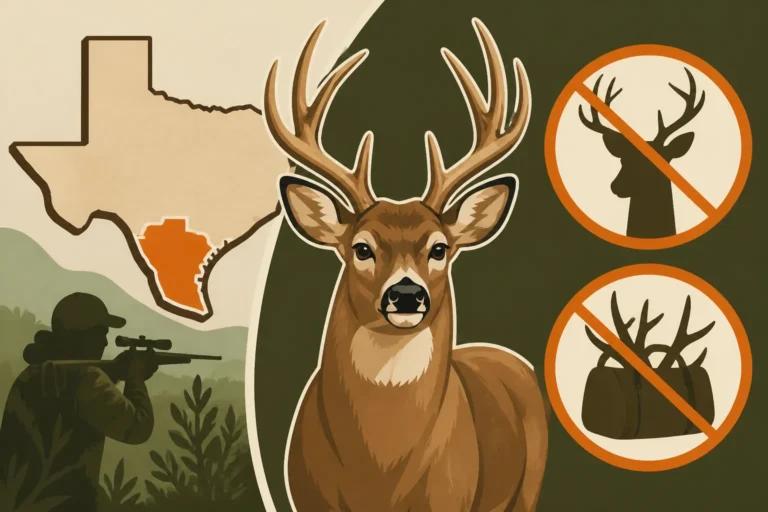
Brooks County is indeed one of the counties that enforces the 13-inch antler restriction rule. This rule states that a legal buck must have at least one unbranched antler, OR an inside spread of 13 inches or greater. This means you can't just shoot any buck with a few points if those points are branched and the spread is less than 13 inches. It's designed to protect those 1.5 and 2.5-year-old bucks that haven't quite developed their full potential.
Now, that "unbranched antler" part is key. If a buck has even one spike, or an antler with no points coming off the main beam, then it's a legal buck regardless of spread. But if both antlers are branched, then you absolutely must have that 13-inch inside spread. This rule can be a real headache in the heat of the moment, especially with a buck walking quickly through the brush. It takes practice and a keen eye to accurately How to Field Judge a 13-Inch Buck before deciding if it's a shooter.
Legal Bucks in Brooks County
To reiterate, a buck is legal to harvest in Brooks County if either of these conditions are met:
- At least one unbranched antler: This means one of the main beams has no points protruding from it. It's a "spike" on one side, even if the other side has multiple points.
- An inside spread of 13 inches or greater: If both antlers are branched (not spikes), the distance between the main beams, measured at their widest point, must be 13 inches or more.
It's vital to note that this rule applies to all white-tailed deer bucks harvested during the general season in Brooks County, unless you're hunting under a special Managed Lands Deer Permit (MLDP) program that allows for different regulations. If you're on an MLDP property, always double-check the specific tag instructions from TPWD, as they can sometimes override the county-wide antler restrictions.
Bag Limits for Brooks County Hunters
Beyond antler restrictions, you also need to be mindful of the total number of deer you can harvest. This is your "bag limit," and it encompasses both bucks and antlerless deer (does). These limits are set to ensure the overall health and population stability of the local deer herd.
Whitetail Deer Bag Limits
For white-tailed deer in Brooks County, the general bag limit is 5 deer total per license year. This sounds like a lot, but there are important caveats:
- Buck Limit: Out of those 5 deer, you are generally limited to harvesting no more than 2 bucks. This is a statewide rule that applies to Brooks County as well. This means if you shoot two bucks, your remaining three deer must be antlerless.
- Antlerless Deer Limit: The remaining deer (up to 3) can be antlerless. However, harvesting antlerless deer often comes with its own set of rules, which we'll discuss next.
Remember, every deer you harvest in Texas requires a tag from your hunting license, and you must validate and attach that tag immediately after harvest. This is part of the Texas Hunting Tags & Harvest Reporting (My Texas Hunt Harvest) system. You can get your Texas Hunting License: Cost, Types & How to Buy (2026) online or from various retailers.
Antlerless Deer Harvest and Permits
Harvesting does is often a crucial part of deer management, especially in areas with high deer populations like parts of South Texas, to keep the herd healthy and in balance with its habitat. For Brooks County, the harvest of antlerless deer generally falls under one of these scenarios:
- General Season Antlerless Days (Doe Days): Some counties have specific "doe days" during the general season where antlerless deer can be harvested without a special permit. Always check the current year's Outdoor Annual for specific dates in Brooks County. During these days, you typically use your general antlerless deer tag.
- Landowner Antlerless Deer Permits (LADPs): Landowners or their agents can obtain LADPs from TPWD, which allow for the harvest of antlerless deer outside of designated doe days, usually with specific harvest quotas.
- Managed Lands Deer Permits (MLDP): Properties enrolled in the MLDP program operate under a custom deer management plan with specific tag allocations, including antlerless tags. If you're hunting on an MLDP property, the landowner or lease manager will provide you with these tags and instructions. This is a common way to manage deer on larger ranches in areas like Brooks County. For more info on these, check out Texas Antlerless Deer Permits & Doe Days.
It's critical to know which scenario applies to your hunting location in Brooks County. Never assume you can take an antlerless deer without confirming the specific regulations for that property and season.
Here’s a quick overview of the Brooks County deer regulations:
| Category | Regulation |
|---|---|
| Hunting Zone | South Texas Plains |
| Antler Restriction | 13-inch rule: A legal buck must have at least one unbranched antler OR an inside spread of 13 inches or greater. |
| Bag Limit (Total Deer) | 5 white-tailed deer per license year. |
| Bag Limit (Bucks) | No more than 2 bucks out of the total 5 deer. Each buck must meet antler restrictions. |
| Bag Limit (Antlerless) | Up to 3 antlerless deer, depending on available antlerless days, Landowner Antlerless Deer Permits (LADPs), or Managed Lands Deer Permits (MLDP) tags issued for the property. Always verify specific dates and permit requirements for antlerless harvest in the current Outdoor Annual or with your lease manager. |
| Harvest Reporting | Required for all harvested deer. Use the My Texas Hunt Harvest app or website. |
| License Requirement | Valid Texas Hunting License with appropriate endorsements (e.g., White-tailed Deer Endorsement). |
Navigating the Regulations: Tips for Hunters
Staying compliant with hunting regulations in Brooks County, or anywhere in Texas, really boils down to being prepared and constantly verifying information. Here are some actionable tips to ensure you have a legal and enjoyable hunt.
Using the Texas Outdoor Annual
This is your bible, folks! The Texas Outdoor Annual is published annually by TPWD and contains all the most up-to-date regulations for every species and every county. It’s available online as a PDF, through a free mobile app, and in print at license retailers. Before any hunt, especially in a county like Brooks with specific rules, take the time to read the deer regulations section thoroughly for the current season. Don't rely on what you remember from last year, or what your buddy thinks the rules are. Regulations can and do change, even if subtly.
Pay close attention to the specific dates for the general season, archery season, and any special late seasons. Confirm the antler restrictions and bag limits for Brooks County directly from the official source. It's also a great resource for understanding other rules, like the legal means and methods for hunting, which are also critical for a compliant hunt.
Field Judging Bucks Accurately
The 13-inch rule can be tricky, especially in low light or when a buck is moving. To avoid an illegal harvest, developing strong field judging skills is paramount. Practice makes perfect, and there are several ways to hone your eye:
- Study photos and videos: Look at many pictures of bucks with known spreads (e.g., 10-inch, 13-inch, 15-inch). Start to visualize what 13 inches looks like relative to a deer's ears, head, or chest width. A deer's ears, when alert, are typically about 14-15 inches wide from tip to tip. If a buck's antlers don't reach beyond its ears, it's likely not 13 inches.
- Use optics: High-quality binoculars and spotting scopes are invaluable for detailed field judging. Take your time, get a clear view, and don't rush the shot if you're unsure.
- Set up targets: If you have access to your lease, consider setting up a target or even a pair of shed antlers with a known 13-inch spread at various distances to practice.
- Hunt with experienced mentors: An experienced hunter can guide you through the nuances of field judging in real-time scenarios.
- When in doubt, don't shoot: This is the golden rule. An illegal harvest can lead to hefty fines, license suspension, and the loss of your deer. It's simply not worth the risk. It's far better to let a questionable buck walk and live to hunt another day. Learning to How to Pattern Bucks With Trail Cameras before the season starts can also give you a better idea of what deer are on your property and help you identify potential shooters.
Reporting Your Harvest in Brooks County
After you've successfully harvested a deer in Brooks County, your responsibilities aren't over. Texas law requires you to immediately tag your deer and then report the harvest to TPWD. This reporting process is crucial for wildlife biologists to gather data on harvest rates, population health, and antler statistics, which in turn helps inform future regulations.
Here’s how it typically works:
- Tagging: As soon as you kill a deer, you must detach the appropriate tag from your hunting license and attach it to the deer's antler or leg. Make sure it’s securely attached and the date of harvest is clearly marked.
- Reporting: Within 24 hours of harvest, you need to report it to TPWD. The easiest way to do this is through the "My Texas Hunt Harvest" app on your smartphone or by visiting the TPWD website. You’ll enter information like the county of harvest (Brooks County), the date, whether it was a buck or doe, and antler measurements if it was a buck. This system provides a convenient way to track your harvests and ensure you're compliant.
- Carcass Movement: Be aware of any special rules regarding carcass movement, especially if Chronic Wasting Disease (CWD) is a concern in Brooks County or counties you might travel through. Always check the latest CWD regulations in the Outdoor Annual if you plan to transport your deer across county lines.
Following these steps for Texas Hunting Tags & Harvest Reporting (My Texas Hunt Harvest) not only keeps you legal but contributes to vital conservation efforts.
Hunting in Brooks County, with its unique South Texas habitat, offers fantastic opportunities for white-tailed deer. By understanding and adhering to the specific antler restrictions and bag limits, you're not just staying legal; you're actively participating in the responsible management of one of Texas' most cherished game animals. Happy hunting, and remember to always prioritize safety and ethical practices in the field!
Disclaimer
Please note that hunting regulations, seasons, and bag limits are subject to change by the Texas Parks and Wildlife Department. While every effort has been made to provide accurate information, it is the hunter's responsibility to consult the most current Texas Outdoor Annual or the official TPWD website before engaging in any hunting activities. This guide is for informational purposes only and should not be considered a substitute for official legal advice or current state regulations.