Is There a Season for Mountain Lion in Texas?
There's a common misconception swirling around Texas hunting circles, especially when it comes to elusive predators like mountain lions. Many hunters wonder if there's a specific "season" for these magnificent cats, assuming they're managed like deer or turkey. The reality is quite different, and understanding these unique regulations is crucial for any hunter in the Lone Star State. This guide will cut through the rumors and provide a clear picture of mountain lion hunting rules, where you might find them, and what to do if you encounter one.
Understanding Mountain Lion Regulations in Texas
Unlike most game animals in Texas, mountain lions operate under a different set of rules. This often leads to confusion, so let's break down exactly what the law says and what it means for hunters.
The Open Secret: No Closed Season
You read that right: there is no designated "season" for mountain lions in Texas. They are classified as a non-game animal, similar to coyotes, bobcats, and javelina in many respects, though javelina do have specific seasons in certain counties. This classification means they can be legally hunted year-round, 24 hours a day, without any daily or seasonal bag limits. For many, this comes as a surprise because we're so accustomed to strict calendars for whitetail and dove.
However, "no closed season" doesn't mean "no rules." It means the conventional framework of opening and closing dates simply doesn't apply to mountain lions. This distinction is critical because while the dates aren't regulated, other aspects of hunting them certainly are. It highlights the unique status of these animals, often seen more as a threat to livestock and property in some areas than a traditional game species to be managed through seasonal harvest limits.
Licensing Requirements and Legalities
Even though there's no specific season, you absolutely still need a valid Texas hunting license to pursue a mountain lion. This isn't a free-for-all situation. Whether you're a resident or non-resident, you'll need to possess the appropriate license, such as the general hunting license often referred to as a "Type 101" or the "Super Combo" which covers many species. If you're looking to ensure you're squared away, a quick read through our guide on Texas Hunting License: Cost, Types & How to Buy (2026) can clarify all your licensing needs before you head out.
Beyond the license, private property is still king in Texas. You must have landowner consent to hunt on private land. This is paramount for any hunting activity in the state, and mountain lions are no exception. Trespassing laws are strictly enforced, so always secure written permission if you're not hunting your own property. For public lands, opportunities for mountain lion hunting are incredibly rare and usually only occur as part of a specific drawn hunt, if at all, as they aren't typically a target species for general public access.
Methods of Take and Ethical Considerations
Texas law allows for a variety of legal methods to take a mountain lion. This includes hunting with firearms, archery equipment (like for Bowhunting in Texas: Archery Season Guide), and even traps. There are no restrictions on the caliber of firearm or draw weight for bows specifically for mountain lions, though common sense and ethical hunting practices should always prevail. Unlike some states, there are no restrictions on using dogs to hunt mountain lions in Texas, nor are there limits on the use of artificial lights or thermal imaging, which is a major difference from hunting deer.
While these methods are legal, ethical considerations are always at the forefront for responsible hunters. The debate around methods like trapping or using dogs for mountain lions can be passionate. Most experienced hunters would agree that any method should aim for a quick, humane take. Given the elusive nature of these animals, any harvest is often a result of careful planning or an unexpected encounter, emphasizing the importance of shot placement and preparedness.
Where Mountain Lions Are Found in Texas
Understanding where mountain lions live is key to even having a chance at encountering one. They are incredibly secretive and prefer vast, rugged landscapes, making them one of the most challenging animals to spot in Texas.
Primary Habitats and Distribution
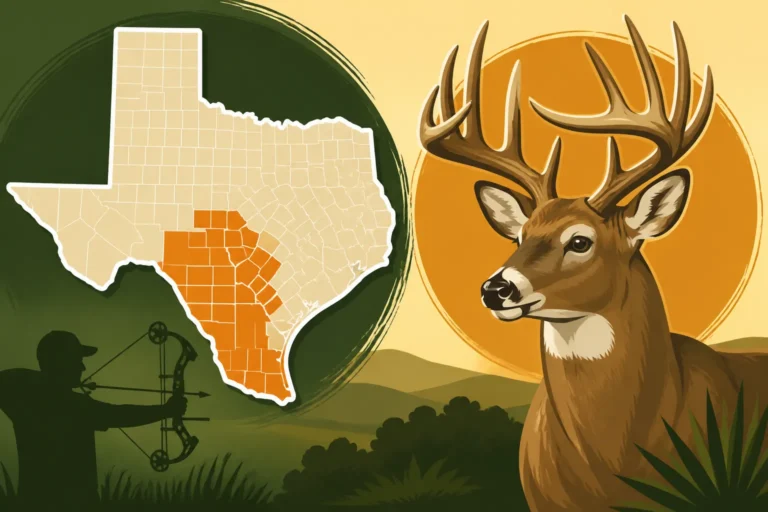
In Texas, mountain lions are predominantly found in the western and southern regions of the state. The Trans-Pecos region, with its expansive mountains, deep canyons, and sparsely populated lands, is considered their stronghold. Counties like Brewster, Presidio, Jeff Davis, and Culberson are prime habitat. Think Big Bend National Park and the surrounding areas—remote and wild.
They also exist, albeit in lower densities, in parts of the South Texas brush country, particularly along the Rio Grande and in large, contiguous tracts of thick habitat. Areas like Val Verde, Kinney, and Maverick counties occasionally report sightings and confirmed presence. While sightings are rare, they are a known, albeit scarce, component of the ecosystem in these areas. For hunters familiar with Panhandle & Trans-Pecos Hunting in Texas or South Texas Deer Hunting: Brush Country Guide, the terrain will feel familiar, though the target animal is far more elusive.
Spotting and Sign: How to Know They're Around
Mountain lions are masters of camouflage and stealth. You could spend years in their habitat and never see one. Therefore, knowing how to identify their signs is often the closest you'll get to confirming their presence.
Look for large tracks, typically around 3-4 inches long, with four toes and no claw marks showing (their claws are retractable, like a house cat's). Scat can also be an indicator—it's usually segmented and will often contain hair and bone fragments from their prey. Keep an eye out for scrapes, which are small mounds of dirt and debris that male mountain lions create to mark their territory, often containing urine.
Perhaps the most significant sign is a kill site. Mountain lions are apex predators, and they hunt deer, javelina, and even feral hogs. They'll often cache their kills, covering them with dirt, leaves, and brush to return to later. Finding a partially covered deer carcass can be a strong indicator. Using a good cellular trail camera can be invaluable for monitoring activity, not just for deer but for any predators lurking in your area. For tips on choosing the right gear, check out Best Cellular Trail Cameras for Texas (2027).
The Realities of Mountain Lion Hunting in Texas
Despite the "no season" rule, actually hunting a mountain lion in Texas is far from straightforward. Most takes are incidental, not intentionally planned hunts for a specific cat.
Opportunity vs. Intentional Hunting
The vast majority of mountain lions harvested in Texas are taken opportunistically by hunters pursuing other species, primarily deer or feral hogs. Imagine sitting in your deer blind or stalking hogs, and a mountain lion crosses your path – that's often how it happens. Actively targeting mountain lions is an incredibly difficult endeavor due to their low density, vast territories, and secretive nature. It requires immense dedication, specialized knowledge, and often, a bit of luck.
Many hunters spend their entire lives in prime mountain lion habitat and never even see one in the wild, let alone get a chance to harvest one. The sheer scale of the landscape and the cat's innate ability to avoid detection mean that a purposeful mountain lion hunt is more akin to hunting Bigfoot than traditional deer hunting. This reality sets mountain lion hunting apart from more common pursuits like Feral Hog Hunting in Texas: Year-Round Guide or Deer Hunting in Texas: Feeders, Blinds & Tactics, where target animals are often more abundant and predictable.
The Role of Predator Control and Public Safety
For many landowners, especially those with livestock, mountain lions represent a real and significant threat. In areas where they are present, depredation on sheep, goats, or even calves can occur. Because of this, landowners have the right to protect their property and livestock from perceived threats, and this often plays into the opportunistic taking of mountain lions.
The Texas Parks and Wildlife Department (TPWD) acknowledges the need for predator control, and the year-round open status reflects a management philosophy that allows landowners and hunters to act to protect livestock or in situations of public safety. While actual attacks on humans are exceedingly rare, the presence of mountain lions near populated areas or hunting camps can sometimes raise concerns. This falls under the broader umbrella of Predator & Small Game Hunting in Texas, where coyotes and bobcats are also often taken for similar management reasons.
Trophy vs. Management Perspectives
The mountain lion is an incredibly powerful and beautiful animal, and for some, harvesting one would be the ultimate hunting achievement. However, given their elusive nature and the challenges in targeting them, most "trophy" mountain lions are taken by chance. There isn't the same culture of specific trophy hunting for mountain lions as there is for, say, a Boone & Crockett whitetail.
From a management perspective, the open season reflects a hands-off approach due to their low numbers and the difficulty in assessing their population accurately. TPWD primarily relies on reports from landowners, hunters, and biologists to gauge their distribution. There is no mandatory harvest reporting for mountain lions, unlike deer or turkey, which means accurate population data based on harvest numbers is hard to come by. This lack of data often fuels debates about their true population status and the impact of hunting.
Here’s a quick overview of the key regulations for mountain lions in Texas:
| Regulation Aspect | Details |
|---|---|
| Hunting Season | Year-round (no closed season) |
| Daily Bag Limit | No limit |
| Possession Limit | No limit |
| Hunting License | Required (General Hunting License) |
| Methods of Take | Firearm, archery, trap, dogs, artificial light, thermal (all legal) |
| Property | Legal on private land with owner permission; rarely on public lands |
| Harvest Reporting | Not required |
| Classification | Non-game animal |
Practical Tips for Encountering a Mountain Lion
While intentionally hunting a mountain lion is a specialized pursuit, simply encountering one in the wild is a possibility for anyone spending time in their habitat. Knowing how to react is vital for your safety.
Safety First: What to Do in an Encounter
If you are lucky (or unlucky, depending on your perspective) enough to come across a mountain lion, the key is to remain calm and follow some basic safety protocols. The first rule: never run. Running can trigger their predatory instinct to chase.
Instead, make yourself appear as large as possible. Raise your arms, open your jacket, and try to make eye contact. Speak loudly and firmly. If you have children or pets with you, pick them up immediately. Back away slowly, always maintaining eye contact, and give the animal an escape route. Do not crouch down or turn your back. If the mountain lion approaches you or acts aggressively, fight back with anything at your disposal – rocks, sticks, your backpack, or even your bare hands. Aim for the face and eyes. While rare, understanding these self-defense tactics can be life-saving.
Reporting and Monitoring
Every confirmed mountain lion sighting or sign you come across is valuable data for TPWD biologists. While harvest reporting isn't mandatory, reporting sightings can help wildlife agencies better understand their distribution and population trends. If you see tracks, scat, or especially the animal itself, consider documenting it with photos and notes on the location and time. You can contact your local game warden or TPWD district biologist to share this information.
Additionally, if you're a landowner experiencing suspected depredation, reporting it to TPWD can provide context and potentially lead to assistance or advice. Tools like trail cameras, which many hunters use for patterning deer before the season as detailed in How to Scout for Deer Before Season in Texas, can also serve as excellent monitoring devices for unexpected visitors like mountain lions. While spotting a mountain lion in Texas is an incredibly rare event, being informed and prepared is always the best approach for any outdoor enthusiast.
Disclaimer
The information provided in this guide is for general informational purposes only and is not intended as legal advice. Hunting regulations in Texas can change, and it is the individual hunter's responsibility to review and comply with all current laws and regulations set forth by the Texas Parks and Wildlife Department. Always consult the most recent Texas Outdoor Annual or contact TPWD directly for the most accurate and up-to-date information before engaging in any hunting activities.