Texas Special Late Deer Season Dates
It's disheartening when the general deer season winds down, and you still have that itch to get out in the woods, especially if you missed out on bagging a deer or simply crave more time afield. Many hunters feel a rush to get everything done before the "main" season closes, and then it's just… over. But for those in Texas who still have valid tags and the drive to continue their pursuit, there's a fantastic extension that often gets overlooked: the Special Late Deer Season. This guide is dedicated to breaking down everything you need to know about this valuable opportunity, including expected dates and crucial regulations, so you can make the most of those lingering days.
What is the Texas Special Late Deer Season?
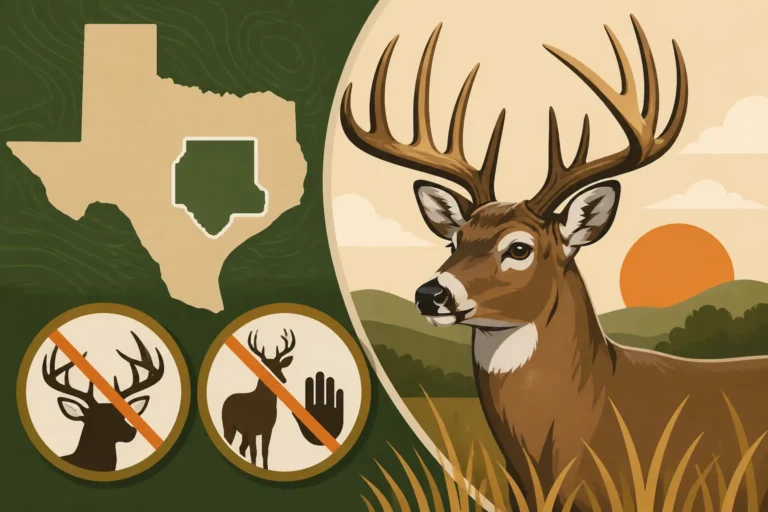
The Texas Special Late Deer Season is a unique period carved out for hunters to pursue white-tailed deer after the general season has concluded. It's not a free-for-all, though. This season is specifically designed to manage deer populations, particularly focusing on antlerless and spike bucks, which play a crucial role in herd health and balance. It's a thoughtful approach by the Texas Parks and Wildlife Department (TPWD) to provide additional hunting opportunities while adhering to conservation goals.
Purpose and Philosophy Behind the Season
The primary purpose of the Special Late Season is rooted in effective deer management. While the general season often emphasizes antlered bucks, the late season allows for a more concentrated effort on antlerless deer (does) and spike bucks. Removing these animals can help balance herd numbers, reduce overbrowsing in certain areas, and ensure a healthy buck-to-doe ratio. It's a scientific approach to maintaining robust deer populations, ensuring that the land isn't overpopulated, which can lead to disease and malnutrition. For hunters, it offers a chance to fill their freezer or simply extend their time in nature, which is a welcome bonus after a bustling general season.
Furthermore, this season serves as a valuable opportunity for new hunters or those who may not have had success during the earlier, more crowded parts of the regular season. With fewer hunters in the field and a clearer focus on specific deer types, it can be a more relaxed and educational experience. It’s all about sustainable hunting and giving folks more chances to engage responsibly with the Texas outdoors.
Key Differences from General Deer Season
The Special Late Deer Season isn't just a simple extension; it comes with its own distinct set of rules and characteristics that set it apart from the general season. The most significant difference is the species you can legally harvest. During the general season, you can typically harvest antlered and antlerless deer, often with varying bag limits and regulations depending on your specific county and whether antler restrictions apply. However, the Special Late Season is almost exclusively for antlerless deer and spike bucks. This means you need to be absolutely certain of your target before pulling the trigger, distinguishing a legal spike from a small-racked mature buck, or a doe from a button buck.
Another notable difference often lies in the hunting pressure. While the general season, especially around opening weekend and the rut, can see a significant influx of hunters, the Special Late Season generally experiences less traffic. This can lead to a more peaceful hunting experience and potentially less pressured deer. The weather is also a major factor; late season hunts often mean colder temperatures, which can influence deer behavior and how you need to prepare yourself and your gear. Always consult the official Texas Deer Season 2026-2027: Dates by Zone for precise rules and exceptions for your specific area.
Navigating the Texas Special Late Deer Season Dates
Understanding when and where you can participate in the Special Late Deer Season is crucial. Texas is a huge state, and like many hunting regulations, the dates and specific rules can vary by ecological zone and even by county.
General Dates and Regional Variations
While specific dates for the 2026-2027 season will be formally published in the Texas Outdoor Annual closer to the season, historically, the Special Late Deer Season typically runs for a couple of weeks in January. This period usually begins the Monday following the close of the general deer season in each respective zone. For instance, if the general season closes on the first Sunday of January, the special late season would likely kick off that next Monday.
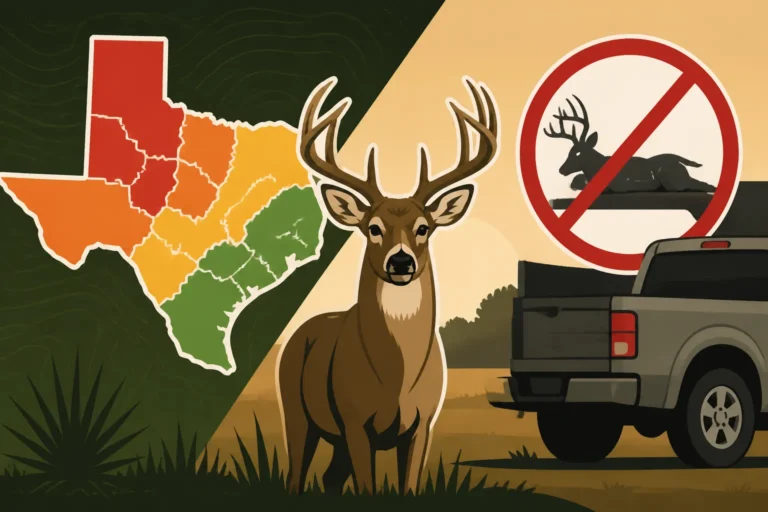
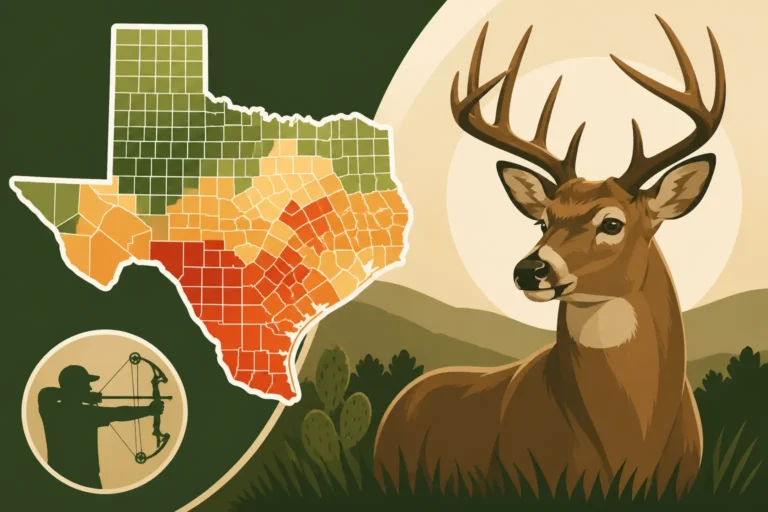
Texas is generally divided into several key deer zones: North, Central, and South. Each of these zones often has slightly different general season dates, which in turn affects the start and end of the Special Late Season.
- North Zone: Often has the earliest close to the general season, meaning its Special Late Season might start earlier in January.
- South Zone: With its later general season close, the Special Late Season here might extend further into January, sometimes even into early February in select counties.
- Central Zone: Typically falls somewhere in between.
It's critical to remember that county-specific regulations can still apply, especially regarding antler restrictions or special provisions like Managed Lands Deer Program (MLDP) properties. Always double-check the current year's Texas Outdoor Annual or the TPWD website for the exact dates and county lists to ensure you're compliant. Don't rely on last year's dates; things can change.
Antlerless and Spike Deer Focus
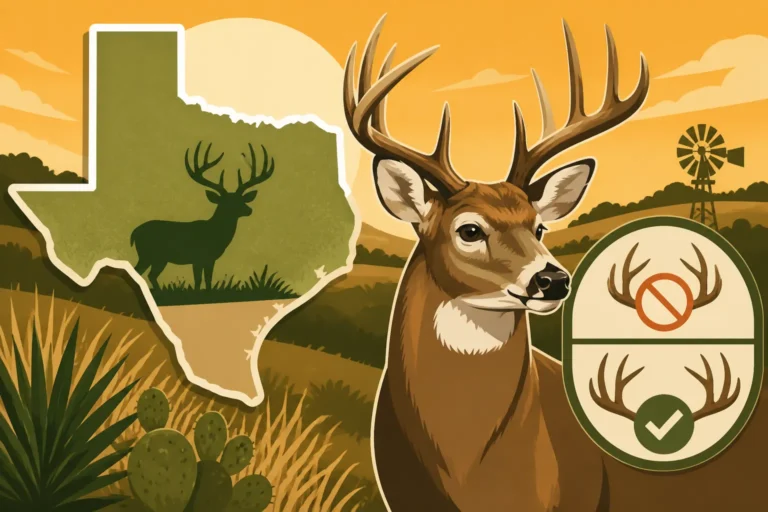
The core of the Special Late Deer Season is its strict focus on antlerless deer and spike bucks. An antlerless deer is simply a female deer (doe) or a young male that has not yet developed antlers or whose antlers are less than one inch in length. A spike buck is defined by TPWD as a deer with no antler having a fork or tine, or with an unbranched antler. In simpler terms, a spike buck is any male deer with at least one antler that is less than 13 inches in length and does not have any points or forks.
This distinction is extremely important. Accidental harvest of a legal antlered buck that doesn't fit the spike definition during this season can lead to citations and penalties. Therefore, positive identification is paramount. Hunters must take their time, use binoculars or a spotting scope, and be absolutely certain of their target before taking a shot. This is a great time to truly practice your field identification skills, observing deer behavior and physical characteristics beyond just rack size.
Bowhunting Opportunities
For the archery enthusiasts, the Special Late Deer Season often aligns perfectly with additional bowhunting opportunities. In many counties, even beyond the specified Special Late Season for firearms, there is often an Archery-Only Late Season that runs concurrently or immediately after. This typically allows hunters to pursue antlerless deer and spike bucks with archery equipment only.
This can be a fantastic time for bowhunters. The deer have been pressured by firearm hunters for months, making them warier, but the colder weather can also make them more predictable in their feeding patterns. With fewer gun hunters in the field, bowhunters might experience a quieter environment. If you're passionate about archery, make sure to check if your county offers this extended archery-only period. It's a wonderful way to extend your bowhunting season and enjoy the serene late winter woods. You can find more details in resources like "Bowhunting in Texas: Archery Season Guide" to prepare for this type of hunting.
Important Regulations and Considerations for Late Season Hunts
Beyond just knowing the dates and what you can harvest, there are several regulatory and practical considerations that every hunter needs to be aware of for a successful and legal Special Late Deer Season hunt.
License and Tagging Requirements
Just like during the general season, you absolutely need a valid Texas hunting license, along with the appropriate endorsements, to participate in the Special Late Deer Season. For deer, this typically means the White-tailed Deer endorsement (which usually comes with the standard hunting license or Super Combo). You'll also need your physical tags. Each harvested deer must be immediately tagged with the appropriate tag from your license. For antlerless deer, you'll use an antlerless tag, and for spike bucks, you'll use a "buck tag." It's critical to note that the type of buck tag used for a spike buck during the special late season is often a general buck tag, but always verify the exact wording on your specific license and in the Outdoor Annual.
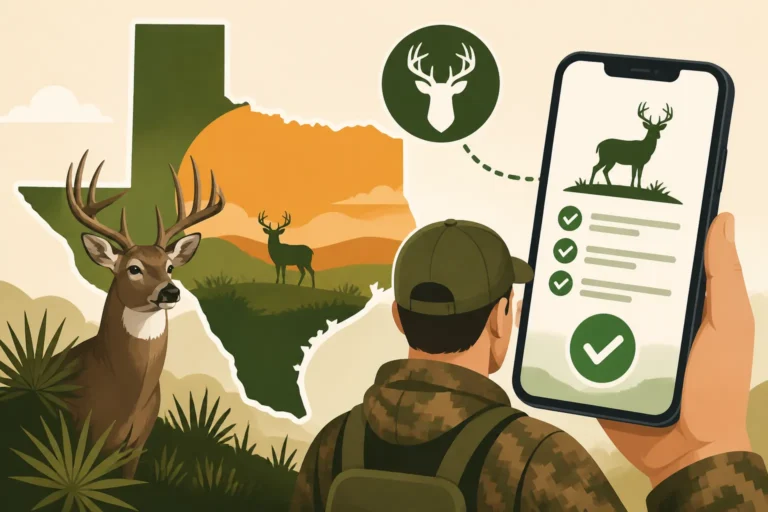
Remember, once the animal is tagged, you must also report your harvest within 24 hours via the My Texas Hunt Harvest app or the TPWD website. This data is vital for wildlife biologists to manage deer populations effectively. Failing to tag or report your harvest correctly can result in fines and loss of hunting privileges. Understanding your Texas Hunting Tags & Harvest Reporting (My Texas Hunt Harvest) obligations is paramount.
Public vs Private Land Considerations
The majority of white-tailed deer hunting in Texas occurs on private land, and the Special Late Deer Season is no exception. If you have access to a private lease or private land, you can hunt during this season, provided you have the landowner's permission and adhere to all state regulations. This is often the most straightforward way to participate. Many hunting leases in Texas offer late-season opportunities, and some landowners even encourage it to help meet their deer management goals.
Public hunting land, primarily managed by TPWD as Wildlife Management Areas (WMAs) or through the Annual Public Hunting Permit (APH), might offer Special Late Season opportunities, but these are often limited. Public land hunting during this period is frequently by drawn hunt only or specific permit systems. It's highly unlikely you can just walk onto a WMA during the special late season without prior application and selection. Always check the WMA's specific regulations and schedules well in advance through the Texas Drawn Hunts & Public Hunt Draw 2027 system to see if they offer any late-season deer hunts. Don't assume public land access without confirming first.
Hunting Methods and Equipment
The Special Late Deer Season generally allows for the same legal hunting methods as the general season, with the caveat of distinguishing between firearms and archery-only periods.
- Firearms: Rifles, shotguns (slugs), and handguns are generally permitted during the firearms portion of the Special Late Season. Check local ordinances if hunting close to municipalities.
- Archery: Bows and crossbows are legal during both the general firearm season and the specific archery-only late season, where applicable. Crossbow Hunting in Texas: Rules & Tactics can provide more context on these regulations.
- Muzzleloaders: Muzzleloaders are also a legal hunting method. Texas has a dedicated muzzleloader season that often overlaps with the end of general season or the beginning of the late season in some areas. Make sure to understand the nuances of Muzzleloader Hunting Tactics in Texas if you plan to use this method.
Regardless of your chosen method, reliable equipment is key. Given the colder temperatures, warm clothing, sturdy boots (perhaps even snake boots in South Texas still!), and good optics are essential. Deer can be more wary and less active during the late season, so having quality binoculars like those highlighted in "Best Hunting Optics for Texas: Scopes, Binos & Rangefinders" can help you spot them from a distance. Utilizing a ground blind or box blind can provide warmth and concealment, which are crucial for success.
Maximizing Your Success During the Special Late Season
Hunting during the Special Late Deer Season presents its own unique set of challenges and opportunities. The deer have been pressured for months, the landscape has changed, and the weather is typically colder. Adapting your tactics can significantly improve your chances of success.
Scouting and Stand Placement
Effective scouting is always crucial, but it takes on a different nuance in the late season. The rut is typically over, and deer behavior shifts from breeding to survival. They become far more focused on food sources and thermal cover. Look for fresh tracks, droppings, and browse lines around remaining food sources. This might include:
- Green Winter Forage: Patches of ryegrass, clover, or other cool-season food plots that are still providing nutrition.
- Hard Mast: Any remaining acorns, pecans, or other nuts that deer might still be seeking out.
- Browse: Woody browse, especially in areas with good cover, will be important as other food sources dwindle.
Stand placement should reflect these changes. Instead of rut-focused pinch points or travel corridors, consider placing your blind or stand overlooking active food plots, thick cover offering bedding and thermal protection, or trails leading directly between the two. Deer will conserve energy, so their movements might be shorter and more direct. Areas with good sun exposure can also be key, as deer will often seek out warmth. Resources like "How to Scout for Deer Before Season in Texas" offer excellent foundational advice that can be adapted for the late season.
Weather and Deer Behavior
Late season hunting often means dealing with colder, more unpredictable weather. While this can be challenging for hunters, it can also work to your advantage. Colder temperatures mean deer need more calories to maintain body heat, which can make them more active and predictable around food sources, especially during daylight hours.
- Cold Fronts: A strong cold front can often trigger increased deer movement, especially just before or after the front passes. These are prime times to be in your stand.
- Wind: High winds can make deer nervous and less likely to move, but they might also seek out sheltered areas, making those locations productive.
- Sunlight: Deer will often seek out sunny slopes or open areas to bask and warm up, particularly in the mornings or after a cold night.
Always dress in layers to stay warm and dry. Hypothermia is a real concern in cold, wet weather. Pay close attention to barometric pressure and temperature drops, as these can be great indicators of increased deer activity. Understanding Best Time of Day to Hunt Whitetail in Texas often shifts in the colder months, with mid-day activity becoming more prominent as deer seek out warmth.
Processing Your Harvest in Cooler Weather
One significant advantage of the Special Late Deer Season is the typically cooler weather, which greatly simplifies field dressing and meat processing. Anyone who has field dressed a deer in the oppressive Texas heat knows the race against time to cool the meat down to prevent spoilage. In January, you often have the luxury of lower ambient temperatures.
This cooler weather provides more leeway if you're processing the deer yourself or taking it to a local processor. The meat cools down much faster, reducing the risk of bacterial growth and ensuring better meat quality. You still need to field dress immediately and properly, but the pressure to get it into a cooler or walk-in is significantly reduced. This is a huge benefit for those who prioritize the quality of their wild game. For detailed steps on how to handle your harvest, refer to "Field Dressing & Processing Game in Texas Heat," which offers excellent advice regardless of temperature, but especially highlights the challenges of warmth.
Texas Special Late Deer Season (Expected 2026-2027 Framework)
Please note: Specific dates for the 2026-2027 season are officially released closer to the hunting season by the Texas Parks and Wildlife Department. This table represents the typical framework based on historical patterns. Always consult the latest Texas Outdoor Annual for confirmed dates and county-specific regulations.
| Deer Zone | General Season Closes (Approx.) | Expected Special Late Season Start | Expected Special Late Season End | Legal Animals | Primary Method |
|---|---|---|---|---|---|
| North Zone | First Sunday of January | First Monday of January | Third Sunday of January | Antlerless & Spike Bucks | Firearms, Archery |
| Central Zone | First Sunday of January | First Monday of January | Third Sunday of January | Antlerless & Spike Bucks | Firearms, Archery |
| South Zone | Third Sunday of January | Third Monday of January | First Sunday of February | Antlerless & Spike Bucks | Firearms, Archery |
| Archery-Only Late Season (Statewide in select counties) | Varies per county | Typically through January/early February | Antlerless & Spike Bucks | Archery (Bow/Crossbow) |
Remember, this is a general guideline. Always verify dates and rules for your specific county. Some counties might have slightly different start/end dates or specific exceptions regarding antler restrictions or harvest limits even for spikes.
Disclaimer
The information provided in this guide is for general informational purposes only and is based on historical Texas Parks and Wildlife Department (TPWD) regulations and common practices. Hunting regulations, seasons, and dates are subject to change annually. Always consult the most current official Texas Outdoor Annual published by TPWD or visit their official website before planning any hunting trip to ensure compliance with all state and local laws. Failure to do so may result in legal penalties.