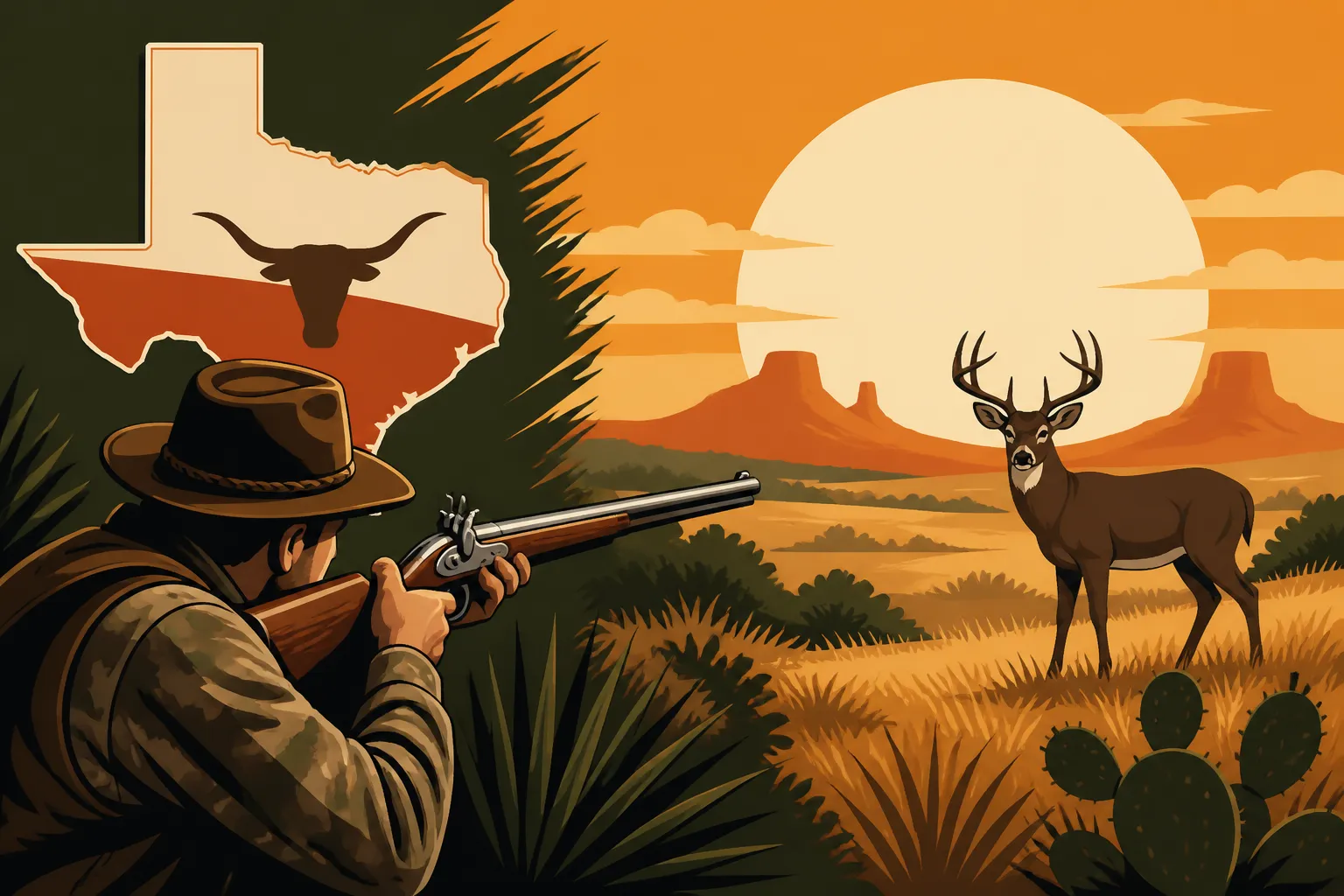
Muzzleloader Hunting Tactics in Texas
There’s a unique satisfaction that comes with hunting with a muzzleloader in Texas, but let's be real, it can also be a puzzle. Between navigating the specific season dates, understanding weapon restrictions, and figuring out the best tactics for these traditional firearms, it's easy to feel overwhelmed, especially with our notoriously unpredictable weather. This comprehensive guide is here to untangle those complexities, offering practical advice and seasoned insights to help you make the most of your muzzleloader hunts across the Lone Star State.
Understanding Muzzleloader Seasons and Regulations in Texas
Texas offers dedicated muzzleloader hunting opportunities, but it’s not as straightforward as just loading up and heading out. The regulations are distinct and vary depending on where you plan to hunt and what you're after. Understanding these nuances is absolutely critical to a legal and successful hunt. Neglecting to check the specifics can quickly turn a hopeful morning in the stand into a frustrating encounter with a game warden.
General Muzzleloader Season Dates
Unlike some states with a blanket statewide muzzleloader season, Texas often integrates muzzleloader opportunities within or adjacent to the general firearms seasons, or as part of special late seasons. For white-tailed deer, the general muzzleloader-only season typically follows the general open season for counties where the general season concludes in early January. For example, in the North Zone, after the general season wraps up, there's often a short special late season dedicated to muzzleloaders and archery only. In the South Zone, it's a similar story, though the dates will naturally shift a bit later due to the later general season close. These special seasons are golden opportunities, often allowing you to hunt deer that have been pressured during the rifle season, making for a challenging but rewarding pursuit. It's also vital to remember that not all counties participate in these special late seasons, and some have specific antler restrictions that apply even during muzzleloader hunts. Always consult the current year's Outdoor Annual for the precise dates for your specific zone and county, as these can be updated annually.
County-Specific Rules and Exceptions
This is where things can get a bit tricky, and it's where most hunters unfamiliar with Texas regulations can stumble. While there are statewide zones like the North and South Zones for white-tailed deer, many counties have their own unique carve-outs for muzzleloaders. Some counties might allow muzzleloaders during the entire general season, alongside modern firearms, while others strictly confine them to specific late seasons. Furthermore, the definition of what constitutes a legal muzzleloader can vary slightly. Generally, a muzzleloader is defined as a firearm that is loaded only through the muzzle, designed to fire a single projectile, and includes cap and ball revolvers and rifles, as well as modern in-line muzzleloaders. However, there are distinctions regarding ignition types – percussion cap, flintlock, or primer – and some regulations might specify that only percussion cap or flintlock are allowed in certain seasons, or require exposed percussion caps. It's not uncommon to find rules about projectiles too, such as requiring a single projectile rather than shot. For instance, in certain areas, you might find that only smoothbore muzzleloaders using round ball or patched round ball are permitted, while rifled barrels using sabots are restricted during a specific "primitive weapon" season. It is crucial to understand these granular details for the county you intend to hunt. Checking county-specific regulations is non-negotiable, and it applies not just to deer, but other game species that might have muzzleloader provisions.
Permits and Licensing
Before you even think about shouldering your muzzleloader, you absolutely need to make sure your licensing is in order. Every hunter in Texas, regardless of the weapon they choose, needs a valid Texas hunting license. For adult residents, the Super Combo License is often the most economical and popular choice, covering all the basic state endorsements for hunting and fishing. For non-residents, there are specific non-resident hunting licenses available. Beyond the basic license, if you plan to hunt migratory game birds during any part of the year, even with a muzzleloader, you'll need the Migratory Game Bird Endorsement and HIP certification. If you're a youth hunter, there are specific youth hunting opportunities and license options. Remember, even though muzzleloaders are often seen as "primitive weapons," they still fall under the general hunting license requirements. There are no separate "muzzleloader permits" per se, but rather specific seasons where only muzzleloaders (and sometimes archery equipment) are permitted. Always have your license and any necessary endorsements physically on you, or readily accessible via the My Texas Hunt Harvest app, when you're in the field.
Choosing the Right Muzzleloader and Ammunition
Selecting the right muzzleloader and ammunition isn't just about personal preference; it's about matching your equipment to the specific challenges of Texas hunting and ensuring legal compliance. The diverse terrain and game animals in Texas demand careful consideration of your setup.
Types of Muzzleloaders
When it comes to muzzleloaders, you generally have two main categories: traditional and in-line. Traditional muzzleloaders, often flintlock or percussion cap models, embody the classic hunting experience. They are typically beautiful, historical pieces that require a more deliberate loading process and understanding of black powder characteristics. They're fantastic for hunters who truly want to connect with hunting's heritage. However, their reliability can be more susceptible to wet weather, and their accuracy, while good, often doesn't match the modern capabilities of in-line models. In-line muzzleloaders, on the other hand, are the workhorses of today's muzzleloader seasons. They feature a straight-line ignition system that channels the primer's spark directly into the powder charge, leading to more consistent ignition, better accuracy, and often more weatherproof performance. Brands like CVA, Traditions, and Thompson/Center offer a wide range of in-line muzzleloaders that are popular with Texas hunters. These models usually feature modern rifle-style stocks, scopes, and faster loading times, making them more forgiving for new muzzleloader hunters and often extending effective range. If you're looking for simplicity, reliability, and modern performance, an in-line muzzleloader is usually the way to go. If you're drawn to history and challenge, a traditional model offers a unique thrill.
Bullet Selection for Texas Game
The vast majority of muzzleloader hunting in Texas centers around white-tailed deer and feral hogs. For these animals, you need a bullet that delivers reliable expansion and penetration. Gone are the days when a simple round ball was your only option; modern muzzleloader projectiles offer incredible performance.
- Conical Bullets: These are solid lead projectiles designed to expand on impact. They are heavier than round balls and offer better ballistic coefficients, meaning they retain energy better downrange. Brands like Hornady's Great Plains bullets or PowerBelt's Aerolite series are popular choices.
- Saboted Projectiles: These are essentially smaller-diameter bullets encased in a plastic sabot (shoe) that allows them to be fired through a larger-bore muzzleloader. Once the bullet leaves the barrel, the sabot falls away, and the bullet continues with greater velocity and flatter trajectory than traditional conicals. Common saboted bullets include .45 caliber pistol bullets in a .50 caliber sabot, or specialized muzzleloader bullets from companies like Barnes (MZ-Expander) or Hornady (SST Muzzleloader). Saboted projectiles generally offer the best accuracy and range potential, making them a top choice for hunting deer and hogs in Texas. When selecting saboted bullets, always ensure they are legal for the specific season and county you are hunting, as some "primitive weapons" seasons might restrict their use.
- Round Balls: While largely overshadowed by conicals and sabots, patched round balls still have their place, particularly for traditional muzzleloaders or for hunters who prefer a classic approach. They are highly accurate at shorter ranges (under 75 yards) and can be effective on deer-sized game with proper shot placement.
Regardless of your choice, aim for a bullet that matches your muzzleloader's twist rate for optimal accuracy and practice extensively to understand its performance at various distances.
Powder and Primers
The heart of any muzzleloader shot is the powder and primer. In Texas, you'll primarily be using black powder or one of its modern substitutes.
- Black Powder: The original propellant, black powder is still effective. It produces a dense smoke cloud and requires meticulous cleaning due to its corrosive nature. It's often measured by volume (e.g., 80 grains of FFFg).
- Black Powder Substitutes: These are far more common and convenient for modern hunters. Brands like Hodgdon's Triple Seven, IMR's White Hots, or Pyrodex offer similar performance to black powder but are much cleaner-burning and less corrosive. They come in granular form (like Pyrodex RS or Select) or pre-formed pellets (like Triple Seven Pellets), which offer incredible convenience and consistent charges. Pellets are particularly popular as they eliminate the need for measuring powder, speeding up the loading process in the field.
For primers, modern in-line muzzleloaders almost exclusively use 209 shotshell primers due to their hot, reliable ignition. Traditional percussion cap models use specific percussion caps (e.g., #11 or musket caps). Flintlocks, of course, rely on a small charge of fine-grain black powder in the pan and a flint striking steel to create a spark. Always ensure your primer matches your muzzleloader's ignition system. When setting up your deer feeder timer settings in Texas, consider how often you'll be checking and reloading your muzzleloader, as consistent powder charges are key to accuracy.
Essential Gear for Muzzleloader Hunting in Texas
Muzzleloader hunting, while traditional, still benefits greatly from modern gear designed for the unique conditions of a Texas hunt. Beyond the muzzleloader itself, a few key items can make or break your experience, ensuring both effectiveness and safety.
Optics and Sights
While some muzzleloader seasons might restrict magnification, many general seasons or special late seasons allow for modern optics. A good scope can drastically improve your accuracy, especially for longer shots or in low light conditions often encountered at dawn and dusk. For Texas hunting, particularly for deer, a variable power scope in the 3-9×40 or 2-7×32 range is often ideal, offering a good balance of field of view and magnification. Brands like Leupold, Vortex, or Nikon offer durable, clear optics that can withstand the elements. However, if you prefer a more traditional challenge or if regulations dictate, open sights or peep sights are still highly effective at shorter ranges. Fiber optic sights can be a huge advantage on open sights, gathering ambient light to make your sight picture brighter and clearer in dim conditions. Regardless of your choice, ensure your sights are properly zeroed before heading afield. Consider using a good rangefinder to accurately determine distances, which is paramount for muzzleloader ballistics, especially if you're not accustomed to their trajectory compared to modern rifles.
Cleaning and Maintenance Kits
This is absolutely non-negotiable for muzzleloader hunters, particularly in the often-humid Texas environment. Black powder and its substitutes are corrosive, and neglecting immediate cleaning can lead to rust and damage. A basic field cleaning kit should include:
- Cleaning Patches: Plenty of them!
- Cleaning Solvent: Specifically designed for black powder, like Bore Butter or similar products.
- Bore Brush: Sized for your caliber.
- Jag: To push patches through.
- Ramrod: Your rifle's existing ramrod works, but an extendable cleaning rod can be handier.
- Nipple Wrench: For percussion caps.
- Small Brush/Picks: For cleaning the breach plug and flash channel.
- Anti-Seize Grease: For your breach plug threads.
After every hunting trip, especially if you've fired a shot, a thorough cleaning is essential. Even if you haven't fired, moisture can get into the barrel, so a quick run-through with an oily patch is a good idea. For a more detailed guide on proper firearm care, you might want to check out information on Field Dressing & Processing Game in Texas Heat, as proper equipment maintenance is just as important as game processing after a successful hunt.
Personal Comfort and Safety Gear
Texas weather can be extreme, and being prepared means staying comfortable and safe. Layered clothing is key, allowing you to adapt to warm mornings and cool evenings. Lightweight, breathable materials that wick moisture are crucial, especially if you're doing any amount of walking or spot-and-stalk hunting. Don't forget durable snake boots or gaiters, especially in areas with dense brush where rattlesnakes and copperheads are prevalent. A good hunting backpack is invaluable for carrying your cleaning kit, extra powder, projectiles, water, snacks, and any game you might take. Finally, always wear hunter orange if required by regulations for the specific season you're hunting, and always use hearing protection when shooting, even with a muzzleloader. A quality headlamp or flashlight is also essential for navigating in the dark and for trailing game.
Effective Muzzleloader Hunting Tactics
Hunting with a muzzleloader often means a single, well-placed shot is your only real opportunity. This inherent limitation demands a more thoughtful and deliberate approach than hunting with a semi-automatic rifle. Success truly boils down to precision, patience, and a deep understanding of your quarry and equipment.
Scouting and Stand Placement
Effective scouting is paramount for muzzleloader hunting. Since your effective range is generally shorter than with a modern rifle, you need to know exactly where the deer are moving and feeding. Spend time before the season scouting your lease or public hunting area. Look for fresh tracks, rub lines, scrapes, and active trails leading to and from feeding areas, water sources, and bedding thickets. Pay close attention to terrain features like creek beds, fence lines, and changes in vegetation, as these often act as natural funnels for deer movement.
When it comes to stand placement, think close-quarters. If you’re hunting over a feeder, position your blind or tree stand so you have a clear, unobstructed shot lane at 75-125 yards, maximum. Consider the sun’s angle to avoid glare and your wind direction to prevent scent detection. A well-placed ground blind or box blind can provide excellent concealment, especially in the South Texas brush country. For spot-and-stalk hunting, which is a popular method for species like Axis Deer or Aoudad, focus on areas with good visibility and cover for your approach. You might want to brush up on How to Scout for Deer Before Season in Texas to truly dial in your pre-season strategy, as good scouting pays dividends in any hunting scenario.
Shot Placement and Follow-Up
Given the single-shot nature of muzzleloaders, shot placement is even more critical. Aim for the vital organs – the heart and lungs – which are located behind the shoulder. A double-lung shot is often the most forgiving, leading to a quick, ethical harvest. Avoid shoulder shots, as the heavy bone can prevent adequate penetration, especially with certain bullet types. Practice shooting from various field positions – standing, kneeling, sitting – to ensure you're confident in your ability to make a precise shot when the moment arrives.
After the shot, resist the urge to immediately rush to the animal. Muzzleloaders often produce a lot of smoke, obscuring your view, and the animal might run a short distance even with a perfect shot. Give the animal at least 20-30 minutes, or even longer if it’s a gut shot, before beginning to track. This allows the animal to lay down and expire. Mark your shot location and the last place you saw the animal to aid in trailing. Follow blood trails slowly and methodically, looking for signs of direction and severity of the wound. Understanding Best Shot Placement for Whitetail Deer can significantly improve your success rate.
Dealing with Weather Challenges
Texas weather is legendary for its unpredictability. One day it’s 80 degrees, the next it’s a frosty 30. This variability can pose significant challenges for muzzleloader hunting, particularly concerning moisture. Rain, heavy fog, or even high humidity can lead to misfires or hangfires with muzzleloaders, especially traditional percussion cap or flintlock models. Modern in-lines with 209 primers are more resilient but not entirely immune.
- Moisture Protection: Always keep your muzzleloader’s action and muzzle protected from moisture. Use a waterproof scope cover, tape over the muzzle (electrical tape works well), and keep the breech plug area as dry as possible. Some hunters carry small plastic baggies or even condoms to slip over the barrel and lock mechanism during wet weather.
- Temperature Swings: Extreme temperature swings can affect powder performance, though usually only marginally for the distances typically shot with muzzleloaders. More importantly, dress in layers to stay comfortable. If you’re hunting during a special late season, it could be quite cold, so appropriate cold-weather gear is essential.
- Wind: High winds can significantly impact bullet trajectory, especially with heavier, slower muzzleloader projectiles. Practice shooting in windy conditions to understand how your specific load performs. Adjust your aim accordingly or consider waiting for a calmer shot opportunity.
Be prepared for the Texas elements, and your muzzleloader hunt will be much more enjoyable and successful.
Maintaining Your Muzzleloader in the Field
The unique nature of black powder and its substitutes means that muzzleloaders require more immediate and consistent cleaning than modern cartridge firearms. Proper field maintenance is critical not only for preventing rust and damage but also for ensuring reliable performance shot after shot.
Basic Field Cleaning
The moment you’ve finished hunting for the day, or even between shots if you plan on reloading multiple times, you should perform a basic field cleaning. Black powder fouling is highly corrosive and can quickly lead to pitting and rust if left in the barrel.
- Remove the Breech Plug: Carefully remove the breech plug from the back of the barrel. This is usually the dirtiest part and the area where corrosive residue will accumulate most rapidly.
- Run Patches Through the Barrel: Using a cleaning rod and wet patches soaked in a black powder solvent, run them through the barrel until they come out relatively clean. You might need to use a bore brush a few times to scrub out stubborn fouling.
- Clean the Breech Plug: Use a small brush or pick to clean the flash channel and threads of the breech plug. Ensure the flash hole is clear.
- Oil and Protect: Once clean, run a patch with a good quality gun oil or rust preventative through the barrel and lightly oil the breech plug and its threads. Apply a light coat of oil to the exterior metal surfaces as well.
This quick cleaning will go a long way in preventing long-term damage. Don't forget to protect your optics with appropriate covers, as a muddy scope is useless.
Long-Term Storage and Care
When the season is over, or if you plan on storing your muzzleloader for an extended period, a more thorough cleaning and preparation for storage is necessary. This isn't just a quick wipe-down; it's a deep dive to ensure every corrosive trace is removed.
- Disassemble: Take apart your muzzleloader as much as the manufacturer recommends. This usually involves removing the stock, barrel, and action components.
- Deep Clean Everything: Soak all metal parts in a strong black powder solvent, then scrub vigorously with brushes, old toothbrushes, and patches. Pay extreme attention to the bore, breech plug, and all nooks and crannies where powder residue can hide. Rinse with hot soapy water (ensure it's completely dry afterward to prevent flash rust).
- Inspect: After cleaning, inspect all parts for any signs of pitting, rust, or wear. Address any issues promptly.
- Heavy Oiling/Greasing: Apply a generous amount of a rust-preventative oil or grease to all metal surfaces, inside and out. For the bore, a heavy coat of bore paste or marine grease can provide excellent long-term protection. Reassemble the muzzleloader.
- Proper Storage: Store your muzzleloader in a cool, dry place. Avoid gun cases for long-term storage, as they can trap moisture. A silicone-treated gun sock can provide an additional layer of protection in a gun safe. Think about the extremes of Texas climate and how it affects not just your gear, but also the animals you pursue, such as learning about How to Cool a Deer Fast in Texas Heat to protect your harvest.
Troubleshooting Common Issues
Even with the best care, muzzleloaders can present some common field issues. Knowing how to troubleshoot them can save your hunt.
- Misfires/Hangfires: If the primer goes off but the main charge doesn't ignite (misfire) or ignites after a delay (hangfire), it's often due to moisture, an obstructed flash channel, or old/bad powder.
- Solution: For a misfire, keep the muzzleloader pointed in a safe direction for at least 30-60 seconds (in case of a hangfire). Then, clear the primer, check the flash channel for obstructions, and replace the powder or primer if suspected to be faulty. Ensure all components are dry.
- Stuck Projectile: If you're trying to load and the projectile gets stuck partway down the barrel, do NOT try to force it down.
- Solution: The safest method is to remove the breech plug, point the muzzleloader safely downwards, and use a ramrod or specialized tool to push the projectile out from the breech end. Never try to fire out an improperly seated projectile.
- Fouling Buildup: Rapid fouling can make loading difficult.
- Solution: Carry a small bottle of solvent and patches to swab the bore after every few shots, even during a hunt. This will keep loading smooth and consistent.
Understanding these common challenges and how to address them quickly will ensure your muzzleloader hunting experience in Texas is as smooth and successful as possible.
Muzzleloader Hunting for Specific Texas Game
While white-tailed deer are the primary target for many muzzleloader hunters, Texas offers opportunities for other species as well. Adapting your tactics and understanding the specific regulations for each can open up a whole new world of hunting experiences.
White-Tailed Deer
Hunting white-tailed deer with a muzzleloader in Texas typically means focusing on the special late season or specific general seasons where they are permitted. During these times, deer have already experienced pressure from the general rifle season, making them more wary. This calls for increased stealth and patience. Key tactics include:
- Stand Hunting: Utilizing a well-placed blind over a known travel corridor or food source is effective. Consider areas near dense cover where deer might retreat after being pressured. Learn about Box Blind vs Tripod vs Ground Blind in Texas to choose the best option for your setup.
- Still Hunting: Moving very slowly and deliberately through cover, stopping frequently to scan the terrain, can be incredibly productive, especially in the thick South Texas brush. The goal is to spot the deer before it spots you, allowing you to get within muzzleloader range.
- Utilizing Scents: Deer scents, particularly doe-in-estrus or dominant buck urine, can be effective during the late season if there’s still secondary rut activity. Cover scents are always a good idea to mask human odor.
- Patience and Persistence: Deer during the late season are often nocturnal or move only during low light conditions. Be in your stand well before dawn and stay until well after dusk.
Remember to always adhere to Texas antler restrictions, such as the 13-inch rule, which may apply to your hunting county even during muzzleloader seasons.
Feral Hogs
Feral hogs are an abundant nuisance species in Texas, and there's no closed season or bag limit on them. This makes them an excellent target for year-round muzzleloader hunting, providing ample practice opportunities and a chance to put some delicious pork in the freezer.
- Opportunistic Hunting: Since hogs are present year-round, you can hunt them with a muzzleloader whenever you have the chance. Many deer hunters will carry their muzzleloaders during deer season with the hope of encountering hogs.
- Night Hunting (Where Legal): While thermal and night vision are popular for hog hunting, some hunters enjoy the challenge of hunting hogs at night with traditional methods under ambient light, where legal. However, confirm local regulations as night hunting with muzzleloaders might have specific requirements.
- Hunting Over Feeders: Hogs readily frequent feeders, making this a popular and effective method. Setting up a blind within 50-75 yards of a feeder can provide excellent muzzleloader opportunities. Keep in mind that Best Setup for Hunting Hogs Over a Feeder involves considering wind direction and escape routes for the hogs.
- Stalking: Hogs often travel in sounders, making them susceptible to stalking. Their poor eyesight but keen sense of smell and hearing mean you need to approach quietly and downwind.
Muzzleloaders can be incredibly effective on hogs, but their tough hide and bone structure require accurate shot placement. Aim for the ear, vitals behind the shoulder, or the neck for a quick kill.
Exotics
Texas is renowned for its exotic game hunting, with species like Axis deer, Aoudad sheep, and Blackbuck antelope roaming vast ranches. Many of these exotics can be hunted with muzzleloaders, offering a unique challenge.
- Year-Round Opportunities: Most exotic species have no closed season in Texas, meaning you can hunt them with a muzzleloader at any time of year, provided you have landowner permission.
- Spot-and-Stalk: This is the predominant method for hunting many exotics, especially free-ranging populations. Their keen senses and natural wariness make for a challenging stalk that requires skill to close the distance to muzzleloader range.
- Understanding Habitat: Each exotic species has preferred habitats. For instance, Axis deer often prefer wooded areas with water, while Aoudad are found in rugged, mountainous terrain. Tailor your scouting and approach to their specific environments. If you're looking for free-range Axis deer, understanding How to Hunt Axis Deer (Free-Range Tactics) will be crucial.
- Guide Services: For many exotic hunts, especially on larger ranches, utilizing a guide service can significantly increase your chances of success. They know the terrain, the animals' patterns, and can help you get within effective muzzleloader range.
Before heading out, always confirm the specific regulations and landowner rules for hunting exotics with a muzzleloader, as these can vary widely.
Remember, the beauty of muzzleloader hunting lies in its deliberate pace and connection to tradition. Embrace the challenge, hone your skills, and enjoy the unique experience it offers in the diverse landscapes of Texas.
| Muzzleloader Type | Pros | Cons | Ideal for (Texas) |
|---|---|---|---|
| Traditional | Authentic, historical experience | Prone to misfires in wet weather, slower loading, lower accuracy at range | Hunters seeking challenge, shorter-range deer, hogs |
| In-line | Reliable ignition, better accuracy, faster loading, weather-resistant | Less "traditional" feel, often more expensive | All-around deer and hog hunting, longer shots |
Disclaimer
The information provided in this guide is for general informational purposes only and is not intended as legal advice. Hunting regulations, seasons, and licensing requirements in Texas are subject to change by the Texas Parks and Wildlife Department. Hunters are responsible for consulting the most current Texas Outdoor Annual and any relevant local ordinances before engaging in any hunting activities. Always prioritize safety and ethical hunting practices.