Texas Axis Deer Hunting Regulations 2026
Navigating the world of hunting regulations in Texas can feel like untangling a ball of fishing line, especially when you start looking beyond our beloved native species. For many hunters, the appeal of pursuing exotic game like Axis deer is strong, offering a unique challenge and delicious venison. But then comes the burning question: what are the specific rules for hunting Axis deer in Texas? Are they treated like whitetails with strict seasons and bag limits, or is it a completely different ballgame? This guide is here to untangle those knots, specifically clarifying the Texas Axis deer hunting regulations, so you can plan your hunt with confidence and stay on the right side of the law.
The Unique Regulatory Status of Axis Deer in Texas
It’s easy to assume that all deer in Texas fall under the same hunting regulations, especially if you're primarily focused on white-tailed deer or mule deer. However, Axis deer, being an introduced exotic species, operate under a completely different set of rules, and understanding this distinction is the absolute first step to a legal and successful hunt.
Why Axis Aren't Like Whitetails or Mule Deer
The fundamental difference lies in their origin. White-tailed deer and mule deer are native Texas species. As such, they are considered "game animals" and are managed by the Texas Parks and Wildlife Department (TPWD) to ensure sustainable populations. This management includes setting specific hunting seasons, daily and annual bag limits, antler restrictions, and requiring the use of specific tags found on your hunting license. These regulations are designed to conserve the species for future generations and manage herd health.
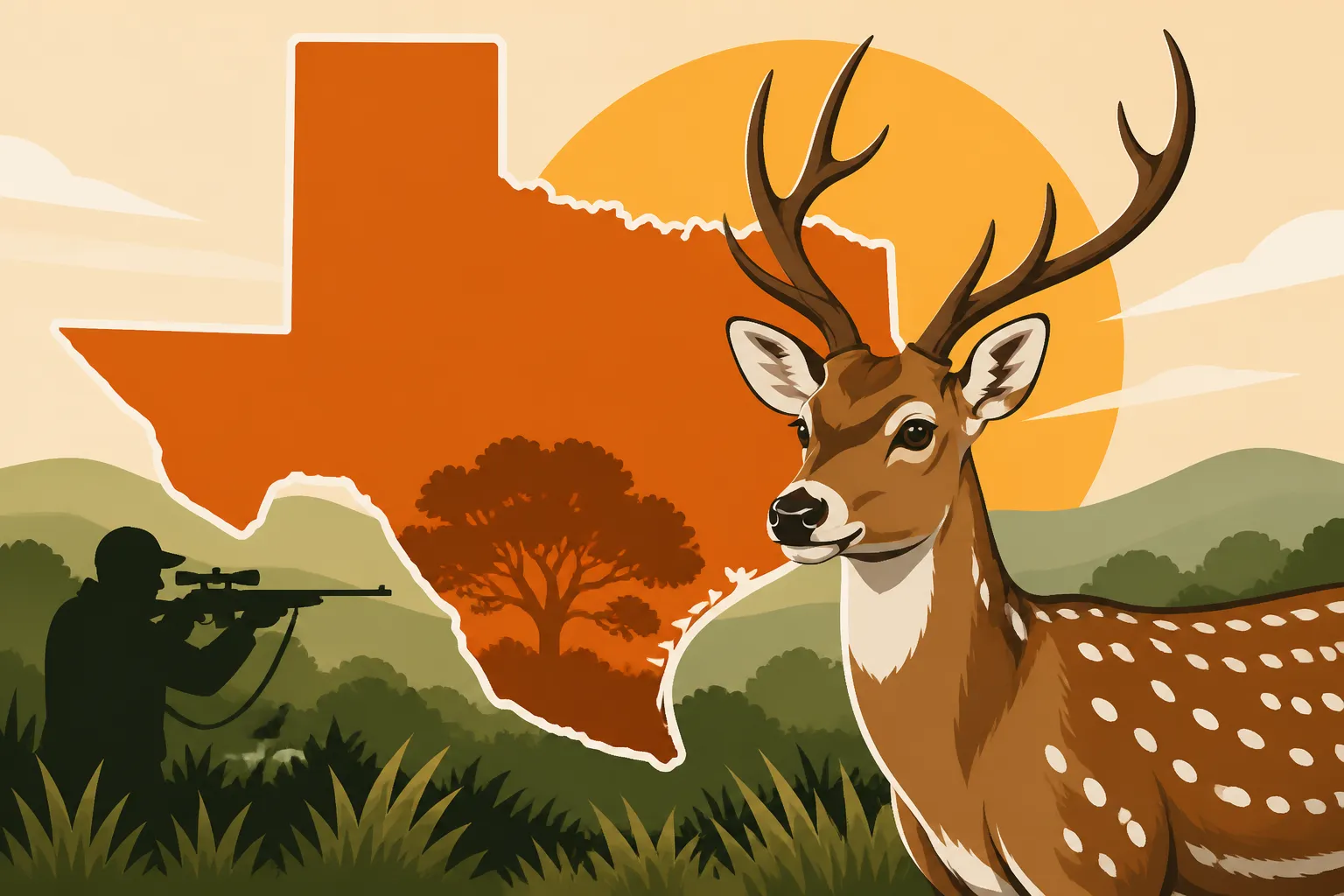
Axis deer, originally from India, were introduced to Texas ranches over a century ago. They thrived in the Texas climate and habitat, establishing free-ranging populations in several parts of the state, particularly in the Hill Country. Because they are not native and are considered private property by many landowners where they roam, the state does not manage them with the same stringent regulations as native game animals. Think of them more like livestock in terms of state oversight, though they are certainly wild animals. This classification as "non-native exotic" means they fall outside many of the traditional game laws.
Year-Round Hunting and No Bag Limits Explained
This is perhaps the most significant and exciting difference for hunters. For Axis deer, there is no closed season and generally no bag limit in Texas. What this means in practice is that you can pursue Axis deer any day of the year, provided you have the appropriate landowner permission. There's no need to wait for a specific fall or winter window like with whitetails. Furthermore, you can harvest as many Axis deer as you legally obtain permission for, whether that's one trophy buck or several does for meat.
This "year-round" aspect is a huge draw for hunters. It provides flexibility that native game seasons simply don't offer. If you miss your whitetail season, or if you're looking for an off-season hunting adventure, Axis deer present a fantastic opportunity. It's crucial, however, to differentiate this from native species. For instance, if you're planning on a deer hunt in Texas, you'll find that for whitetails, there are very specific Texas Deer Season 2026-2027: Dates by Zone and strict bag limits, usually one or two bucks depending on the county and permits. For Axis, those restrictions simply don't apply. While the state doesn't impose a bag limit, individual ranches or outfitters will have their own limits and pricing structures based on their herd management goals. Always confirm these details directly with your hunting outfitter or landowner.
Understanding Licensing and Permits for Axis Hunts
Even though Axis deer are considered exotic and don't have traditional seasons or bag limits, you can't just head out into the Texas wilderness and start hunting. There are still fundamental requirements you need to meet to ensure your hunt is fully legal.
Standard Texas Hunting License is Still Required
This is a point of frequent confusion for new exotic hunters. While Axis deer don't have specific tags, you absolutely must possess a valid Texas hunting license to hunt them. The state views the act of hunting any animal, exotic or native, as requiring a general hunting license. Think of it as your entry ticket into the hunting world in Texas.
The most common license for residents is the "Super Combo," which includes a general hunting license, a fishing license, and various endorsements. For non-residents, there are specific non-resident hunting licenses available. You can purchase your license online through the TPWD website, at various retail locations like Academy Sports + Outdoors or Walmart, or through a licensed sporting goods vendor. Always make sure your license is current for the year you plan to hunt. If you're wondering How Much Is a Texas Hunting License? or what the Texas Hunting License: Cost, Types & How to Buy (2026) details are, it's worth checking those out before your trip. Getting caught without a valid license, even when hunting an exotic like an Axis, can lead to significant fines and penalties.
Absence of Special Tags or Harvest Reporting for Axis
Unlike hunting a white-tailed deer where you must attach a specific tag from your license to the deer immediately after harvest and report it through the Texas Hunting Tags & Harvest Reporting (My Texas Hunt Harvest) system, no such requirements exist for Axis deer. You do not receive specific Axis deer tags with your license, nor do you need to electronically report your Axis deer harvest to TPWD. This greatly simplifies the process post-harvest, but it doesn't diminish the need for ethical conduct and landowner cooperation.
This distinction highlights their exotic status. The TPWD doesn't track Axis deer populations or harvests in the same way they do native game because they aren't tasked with managing them for statewide sustainability. While this frees hunters from some bureaucratic steps, it places a greater responsibility on landowners and outfitters to manage their own Axis herds responsibly. When comparing this to the detailed regulations you might find in the Texas White-Tailed Deer Hunting Regulations 2026, the difference is stark.
Here's a quick comparison of regulations for native vs. exotic deer:
| Feature | Native Deer (e.g., Whitetail) | Exotic Deer (e.g., Axis) |
|---|---|---|
| Hunting Season | Specific open and closed seasons by zone | No closed season, year-round hunting generally allowed |
| Bag Limit | Specific daily and annual limits, often gender-specific | Generally no state-imposed bag limit |
| Special Tags Required | Yes, specific tags from hunting license must be affixed | No specific state-issued tags required |
| Harvest Reporting | Yes, mandatory reporting via My Texas Hunt Harvest | No state-mandated harvest reporting |
| Antler Restrictions | Yes, for bucks in many counties (e.g., 13-inch rule) | No state-imposed antler restrictions |
| Hunting License | REQUIRED | REQUIRED |
Where and How Axis Deer are Typically Hunted in Texas
Knowing the regulations is one thing, but understanding the practicalities of where and how to hunt Axis deer in Texas is just as crucial. Given their exotic status, the hunting landscape for Axis is quite different from that of native species.
The Dominance of Private Land and Ranch Hunts
Overwhelmingly, the best and most reliable way to hunt Axis deer in Texas is on private land, typically through a hunting lease or an outfitter. Texas is famous for its vast private ranches, and many of these properties have thriving populations of Axis deer, either free-ranging or within high-fence enclosures. These ranches often offer guided hunts, which can range from a basic day hunt to multi-day packages that include lodging, meals, and experienced guides.
Outfitters are experienced in Axis Deer Hunting in Texas (Free-Range vs High-Fence), and they understand the animals' habits, making your hunt more efficient and increasing your chances of success. They also manage their herds, setting their own "bag limits" for their clients based on their management goals (e.g., one trophy buck, two does). Because there are no state bag limits for exotics, this internal ranch management is how populations are controlled. You'll find a wide variety of options for Hunting Leases in Texas: Complete Guide (Cost & How to Find) or booking a day hunt with an outfitter specializing in exotics. Many hunters prefer these guided experiences, especially for a first-time Axis hunt, as the guides can assist with everything from spotting and stalking to field dressing.
Public Land Opportunities for Axis Deer (Rare but Possible)
While most Axis deer hunting happens on private land, it's not entirely impossible to find opportunities on public lands. However, these are exceptionally rare and typically occur through the Texas Public Hunt Draw System. The TPWD occasionally offers special drawn hunts for exotic species, including Axis deer, on certain Wildlife Management Areas (WMAs) or other public access properties where free-ranging exotic populations have become established.
These hunts are highly sought after and often have very low draw odds dueuring the annual application periods. They are also subject to specific rules set forth by the individual WMA, which might include specific hunt dates (contrary to the year-round private land rule), bag limits, and legal hunting methods. You can find more information on applying for these opportunities through the Texas Drawn Hunts & Public Hunt Draw 2027 program. If you're serious about public land hunting for exotics, you'll need to keep a close eye on the TPWD's public hunt catalog and apply diligently. For general information on public land hunting, see Public Hunting in Texas: WMAs & Annual Public Hunting Permit.
Other Important Legal and Ethical Considerations for Axis Hunting
Beyond the basic regulations, there are a few other critical aspects to consider for your Axis deer hunt to ensure it's not only legal but also ethical and respectful of the land and its resources.
Navigating CWD Zones with Axis Harvests
Chronic Wasting Disease (CWD) is a neurological disease affecting deer, elk, and moose, and it's a significant concern for wildlife management in Texas. While CWD primarily affects native white-tailed deer and mule deer, regulations related to CWD zones can indirectly impact the transport of any cervid (deer family) carcass, including Axis deer, harvested within a designated CWD zone.
If you harvest an Axis deer in a county that is part of a CWD Containment or Surveillance Zone, you might be subject to carcass movement restrictions. These rules are designed to prevent the spread of the disease by limiting the transport of high-risk parts (like the brain, spinal cord, and lymphoid tissue) out of the zone. You may be required to get your animal tested, or only be allowed to transport deboned meat, antlers, and cleaned skulls. Always check the most current CWD in Texas: Zones, Rules & Carcass Transport regulations before heading out, especially if hunting in areas like the Trans-Pecos or certain parts of the Hill Country. It’s a good practice to quarter your animal and bone out the meat if you're uncertain about CWD zone boundaries.
Ethical Hunting Practices and Respect for Landowner Rules
Just because Axis deer don't have the same state-imposed bag limits or seasons as native game doesn't mean ethical considerations go out the window. Responsible hunting dictates that you always strive for a clean, humane kill, respect the animal, and utilize the meat. Axis venison is widely regarded as some of the best wild game meat available, so making good use of your harvest is a given. If you're wondering How to Field Dress a Deer in Hot Weather, it's a skill that applies just as well to Axis and is crucial in the often-warm Texas climate.
Furthermore, when hunting on private land, you are a guest. Adhering to the landowner's specific rules and expectations is paramount. This includes things like:
- Shot placement: Ensuring you take only ethical shots within your capabilities.
- Property boundaries: Knowing and respecting the lease boundaries.
- Vehicle use: Sticking to designated roads.
- Trash: Packing out everything you pack in.
- Harvest limitations: Even if the state has no bag limit, the ranch owner might have specific limits to manage their herd. Always clarify these expectations upfront.
Respecting these guidelines ensures that you, and other hunters, continue to have access to these incredible hunting opportunities in the future.
Best Practices for Securing an Axis Deer Hunt
If you're looking to hunt Axis deer, especially for the 2026 season, starting your research early is key. Many reputable outfitters book hunts months, sometimes even a year, in advance.
- Research Outfitters and Leases: Look for guides or ranches that specialize in exotic hunts. Websites, hunting forums, and word-of-mouth recommendations are great resources.
- Clarify Inclusions: When booking, make sure you understand what the price includes. Does it cover guide fees, lodging, meals, field dressing, caping, and quartering? What about non-hunting guests?
- Understand Trophy vs. Management Hunts: Some outfitters offer different price points for "trophy" Axis bucks versus "management" bucks or does. Be clear about your goals.
- Confirm Dates and Availability: Given the year-round nature, you have more flexibility, but popular times (like cooler months or around holidays) can still book up quickly.
- Ask About Success Rates: While not a guarantee, a good outfitter will be transparent about their success rates and what you can realistically expect.
- Review the Rules: Before signing any agreement, carefully read the ranch's specific rules regarding firearms, shot distances, retrieving game, and any other local regulations.
Hunting Axis deer in Texas is a fantastic experience, offering a unique challenge and some of the best table fare. By understanding and respecting these distinct regulations and ethical guidelines, you’ll be well-prepared for a successful and memorable adventure.
Disclaimer
Please remember that hunting regulations can change. While this guide aims to provide the most accurate information for Texas Axis deer hunting regulations for 2026, it is always your responsibility to consult the official Texas Parks and Wildlife Department Outdoor Annual or website for the most current and definitive regulations before any hunting activity.