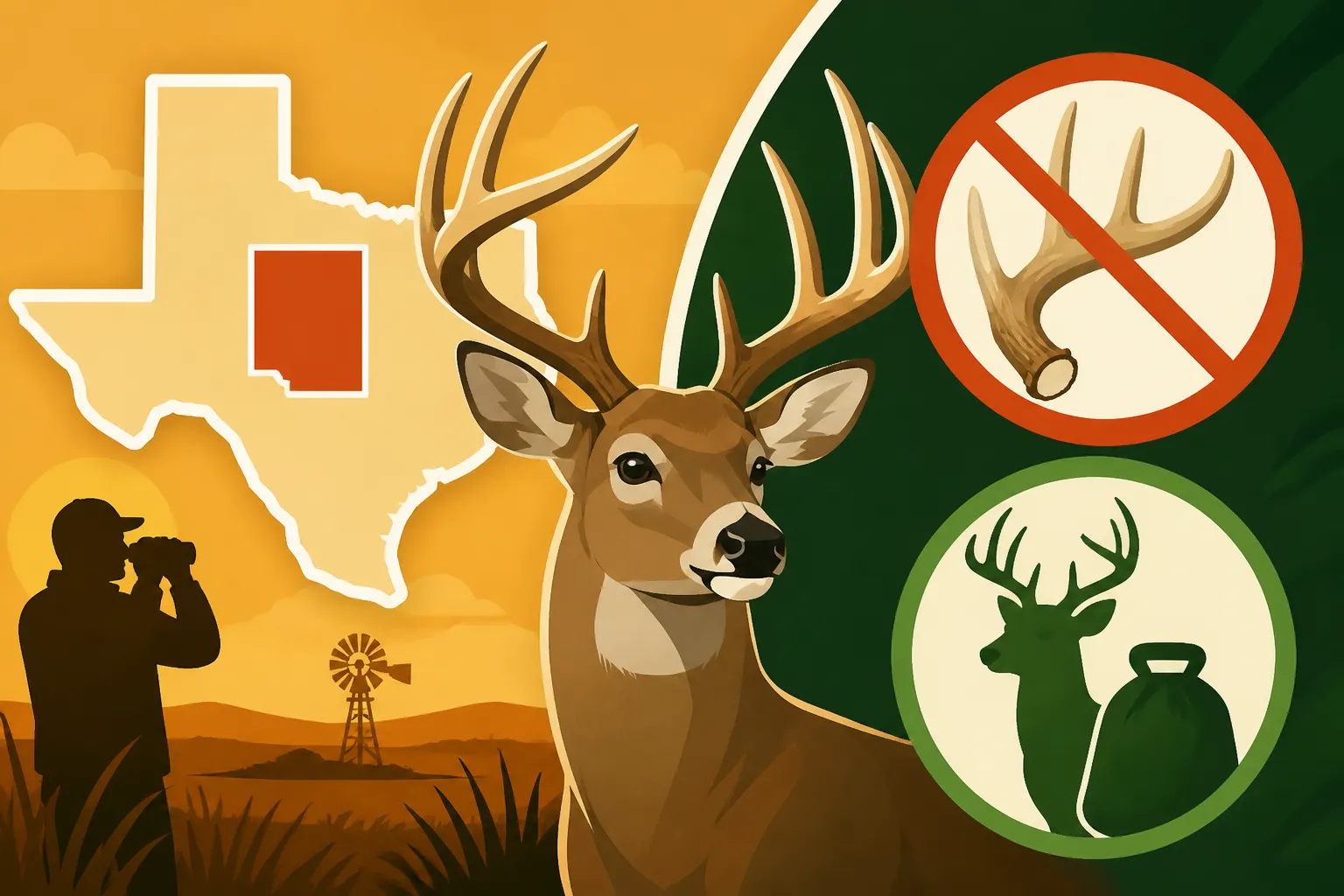
Childress County Antler Restriction & Bag Limit
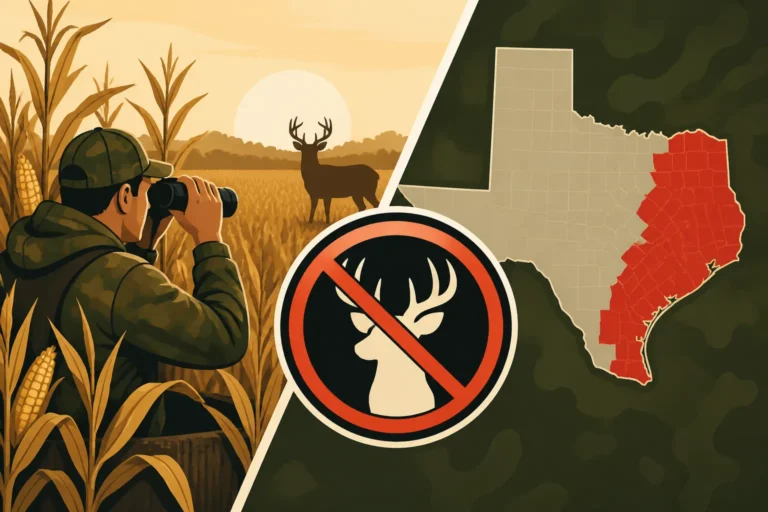
Navigating the ever-changing landscape of Texas hunting regulations can feel like trying to hit a moving target, especially when it comes to specific county rules. Many hunters find themselves scratching their heads over antler restrictions and bag limits, worried about making a mistake that could lead to a fine or, worse, impacting the local deer population. This guide is here to untangle the specifics of Childress County's antler restriction and bag limit regulations for white-tailed deer, helping you hunt confidently and legally in the Texas Panhandle.
The Purpose Behind Texas Antler Restrictions
Before we dive into the nitty-gritty of Childress County, let's talk about why we even have antler restrictions in Texas. It's a question many hunters ponder, and honestly, it can be frustrating when you're in the field trying to judge a deer in low light. The Texas Parks and Wildlife Department (TPWD) didn't implement these rules just to make our lives harder; they're a cornerstone of sound wildlife management.
Fostering a Healthier Deer Population
The primary goal of antler restrictions, like those found in Childress County, is to improve the age structure and buck-to-doe ratio within the deer herd. Historically, in many areas, intense hunting pressure on young, easy-to-harvest bucks led to a population skewed heavily towards young males and too many does. This can result in poorer antler quality across the board, less competition during the rut, and potentially a less robust overall herd. By protecting younger bucks for a season or two, these regulations allow them to mature, increasing their body size and antler development potential. It's about letting those 1.5-year-old and 2.5-year-old bucks walk, giving them a chance to contribute to the gene pool and grow into impressive, mature deer. It's a long-term strategy that benefits everyone, leading to more quality hunting experiences down the line. If you're curious about the broader impact, you might want to look into how these rules play out in the guide on Texas Antler Restrictions: 13-Inch Rule & Counties.
Encouraging Selective Harvest
Antler restrictions also encourage hunters to become more selective. Instead of just pulling the trigger on the first buck they see, hunters are prompted to observe the deer, judge its age and antler characteristics, and make a more informed decision. This practice, over time, helps to shift hunter behavior towards sustainability and conservation. It moves us away from a "shoot anything with horns" mentality to a more deliberate and responsible approach. While it can add a layer of complexity and stress in the moment, especially when you've got buck fever, it ultimately makes us better hunters and stewards of the land. It’s about understanding the animals we pursue on a deeper level.
Childress County's Specific Antler Restriction Rules
Now, let's get down to what you really need to know when you're out in the field in Childress County. The regulations for white-tailed deer here are designed to promote that healthy age structure we just discussed.
Defining a Legal Buck in Childress County
In Childress County, a legal buck white-tailed deer must meet specific criteria regarding its antlers. The general statewide rule for antler restrictions applies here, which means a legal buck must have at least one unbranched antler OR a main beam inside spread of 13 inches or greater.
Let's break that down:
- "At least one unbranched antler": This is often the saving grace for younger bucks. If a buck has even one main beam that doesn't have any points coming off it (it's just a spike or a straight beam), it's considered legal, regardless of its inside spread. This allows some 1.5-year-old or 2.5-year-old bucks with unbranched antlers to be harvested. It’s important to ensure that this unbranched antler is indeed unbranched and not just a very short point. A good rule of thumb is to look for a clear, smooth beam.
- "A main beam inside spread of 13 inches or greater": For bucks that do not have an unbranched antler (meaning both main beams are branched, like a typical 4-point or 8-point), their antlers must have an inside spread of at least 13 inches. This measurement is taken at the widest point between the main beams, perpendicular to the center line of the skull. A typical 1.5-year-old buck rarely hits this spread, effectively protecting most of them. A 2.5-year-old might, but many won't, especially early in the season. This is where the challenge often comes in for hunters – judging that spread accurately in the field. If you're new to this, learning how to properly How to Field Judge a 13-Inch Buck is absolutely critical.
It’s crucial to remember that if a buck has both an unbranched antler and an inside spread of 13 inches or greater, it's still legal. The rule is met if either condition is satisfied. However, you can only harvest one buck during the season that has an inside spread of 13 inches or greater if you're abiding by the statewide bag limits.
Exceptions and Important Considerations
While the above rule applies broadly, it's always wise to consult the most current Texas Parks and Wildlife Department Outdoor Annual for any specific local changes or managed land deer permit (MLDP) regulations that might apply to the property you're hunting on. MLDP properties often have different, more flexible harvest criteria based on intensive deer management plans. If you're hunting on private land participating in the MLDP program, make sure you understand those specific tags and rules, as they can supersede the county's general regulations. Also, remember that during youth-only seasons, these antler restrictions are often waived to provide younger hunters with a more accessible experience, a great way to introduce them to the sport without the added pressure of antler judging. Always confirm the specific dates for Texas Youth Hunting Weekend Dates to be certain.
White-Tailed Deer Bag Limits in Childress County
Understanding the antler restriction is only half the battle; knowing your bag limits is just as vital to stay on the right side of the law and contribute to responsible herd management. Childress County adheres to the statewide bag limits, but with its own nuances that hunters need to be aware of.
Buck Limits and the "One-Buck" Rule
For white-tailed deer in Childress County, the statewide bag limit applies: a hunter may harvest a total of three bucks per license year. However, there's a crucial additional stipulation tied to antler quality: no more than one buck may have an inside spread of 13 inches or greater.
This "one-buck" rule is incredibly important. It means if you shoot a magnificent 8-point with a 16-inch spread, that fulfills your "one big buck" for the season. Any subsequent bucks you harvest must then be legal under the "at least one unbranched antler" clause, regardless of their spread. This reinforces the selective harvest approach and further protects mature bucks. It’s a mechanism to ensure that trophy-class animals aren't over-harvested, allowing a greater distribution of quality genetics across the landscape. Imagine you're hunting and pass on a smaller buck with an unbranched antler early in the season, hoping for that big one. If you then take a large 10-point, you've used your "one big buck" tag. If you decide to take another buck later, it must be one with at least one unbranched antler. It forces you to plan your hunts and consider the deer you encounter very carefully.
Doe (Antlerless) Bag Limits
The antlerless deer bag limit in Childress County is also part of the general statewide regulations. Typically, a hunter may harvest two antlerless deer per license year.
However, there's a significant detail here that often causes confusion: all antlerless deer harvested must be tagged with an antlerless deer tag. These tags are generally found on your hunting license, and once you use them, they're gone for the season. There are also specific "doe days" or periods during the general season when antlerless deer can be harvested without a special permit on certain properties, but it is always best practice to use an antlerless tag if available, especially if you are unsure about the property's specific exemptions.
More commonly, if you're hunting on private land, especially those enrolled in the Managed Lands Deer Program (MLDP), antlerless deer can be taken with MLDP antlerless tags. These permits are issued directly to landowners for specific properties and allow for greater flexibility in managing their deer population. If you're on an MLDP property, the rules for antlerless deer (and sometimes bucks) will be dictated by those specific MLDP tags, which can override the general county bag limits and often allow for more liberal doe harvests. Always clarify with the landowner or lease manager about the tag system in place before your hunt. Understanding your Texas Deer Bag Limit by County is key.
Summary of Childress County White-Tailed Deer Regulations
To make it a little easier to digest, here's a quick overview of the key regulations for white-tailed deer in Childress County:
| Category | Regulation in Childress County |
|---|---|
| Legal Buck | Must have at least one unbranched antler OR a main beam inside spread of 13 inches or greater. |
| Buck Limit | Three bucks per license year. |
| "One-Buck" Rule | No more than one of the three harvested bucks may have an inside spread of 13 inches or greater. |
| Antlerless Limit | Two antlerless deer per license year (requiring antlerless tags, or MLDP tags on participating properties). |
| Season Dates | Follows the North Zone white-tailed deer season dates. (Always check the current Outdoor Annual for precise dates, e.g., Texas Deer Season 2026-2027: Dates by Zone). |
Note: Always verify current regulations in the official TPWD Outdoor Annual before hunting, as rules can change annually.
Practical Tips for Hunting Under Childress County's Regulations
Hunting under antler restrictions and specific bag limits requires a bit more planning and careful observation in the field. It's not just about finding a deer; it's about finding the right deer.
Mastering Field Judging
The biggest hurdle for many hunters in antler-restricted counties like Childress is accurately field judging a buck's antlers, especially that 13-inch inside spread. This skill takes practice, and even seasoned hunters can make mistakes.
- Use Visual Cues: A mature buck's ears, when alert and pointed forward, are typically around 13-14 inches wide from tip to tip. This can be a decent rough guide. If a buck's main beams extend noticeably outside its ear tips, it’s likely a legal spread. If they seem to fall well within the ears, it’s probably not. This isn't foolproof, as ear size can vary, and deer behavior can change ear position, but it’s a starting point.
- Optics are Your Friend: Don't rely on the naked eye. Invest in good binoculars or a spotting scope. These allow you to get a clear, magnified view of a buck's antlers before you even think about raising your rifle or bow. Spend time watching the deer, not just a quick glance. Zoom in, observe the overall width, and look for any unbranched points. You might consider the Best Binoculars for South Texas Brush for optimal viewing.
- Practice, Practice, Practice: Before the season, spend time looking at photos and videos of deer with known antler measurements. Better yet, if you have access to a property, use trail cameras to get a sense of the local deer's antler characteristics. The more familiar you are with different antler sizes and shapes, the better you’ll become at making quick, accurate judgments in the field.
Scouting with Trail Cameras
Trail cameras are an invaluable tool for any hunter, but they become absolutely essential in antler-restricted counties like Childress. They give you eyes in the woods when you're not there, helping you pattern deer, understand their movements, and, most importantly, identify legal bucks.
- Identify Legal Bucks Pre-Season: By placing cameras near food plots, feeders, or water sources, you can capture images and videos of the bucks in your area. This allows you to study their antlers at your leisure, determine if they meet the 13-inch spread or unbranched antler rule, and even identify individual bucks by unique antler characteristics. This takes immense pressure off in-the-moment field judging. If you’re not sure how to begin, learning How to Pattern Bucks With Trail Cameras can be a game-changer.
- Target Specific Animals: Once you've identified a legal buck or two through your trail camera photos, you can then focus your hunting efforts on areas they frequent. This strategic approach increases your chances of encountering a legal deer and reduces the likelihood of passing up a good animal or, conversely, mistakenly harvesting an illegal one.
- Monitor Deer Health and Activity: Beyond antler judging, trail cameras also provide valuable information on the overall health of the herd, the timing of the rut, and the presence of other game animals like hogs or exotics. This data helps you make more informed decisions about when and where to hunt. Many hunters in Texas rely on robust cellular trail cameras, which you can learn more about in the guide on Best Cellular Trail Cameras for Texas (2027).
Understanding the Grace Period for Spikes (if applicable)
In some areas of Texas, there's a specific "grace period" at the beginning of the archery or general season for spike bucks (bucks with two unbranched antlers). During this period, a hunter might be allowed to take a buck with two unbranched antlers that would otherwise not qualify under the "at least one unbranched antler" clause (if it had only one unbranched antler but the other branched, or if it had two branched antlers but under 13 inches). However, it is paramount to consult the official TPWD Outdoor Annual for Childress County to confirm if any such grace period exists there and for the specific dates. Regulations can vary significantly by county, and relying on general knowledge from other regions could lead to a violation. Always double-check the fine print!
Common Mistakes and How to Avoid Them
Even with the best intentions, mistakes can happen. Being aware of the most common pitfalls can help you avoid a citation and ensure a responsible hunt in Childress County.
Misjudging Antler Spread
This is by far the most common mistake. That 13-inch spread can look very different in varying light conditions, distances, and deer postures.
- Distance Deception: A deer far away can appear smaller, making a legal 13-inch spread look closer to 11 or 12 inches. Conversely, a buck up close might look wider than it actually is. Try to observe the deer at a consistent, comfortable distance where your optics perform best.
- Angle Challenges: A buck looking directly at you or quartering away can make spread judgment extremely difficult. Wait for the deer to broadside, offering the clearest view of its antler width relative to its ears or body. Patience is always a virtue in hunting, but especially so when judging antlers.
- Buck Fever: The adrenaline rush is real, and it can cloud judgment. Take a deep breath, verify your shot placement, and, just as importantly, verify the legality of the deer. If there's any doubt, let it walk. There will always be another deer.
Incorrectly Interpreting "Unbranched Antler"
The "at least one unbranched antler" rule can be tricky, especially with younger bucks that might have tiny nubs or irregularities that could be considered a branch.
- What Constitutes a Branch?: A branch is generally defined as a projection off the main beam that is at least one inch long and longer than its width. A tiny burr or knot on the beam is usually not considered a branch. When in doubt, err on the side of caution. If it looks like a distinct point, assume it's branched.
- Visibility Issues: Sometimes, a small point on one side might be obscured by vegetation or the deer's head angle. Again, use your optics, be patient, and try to get multiple views of the buck from different angles to confirm both beams' characteristics.
Forgetting the "One-Buck" Rule
It’s easy to get caught up in the excitement of the hunt and forget you’ve already harvested a buck with a 13-inch or greater spread.
- Tag Management: Make sure you clearly mark your tags immediately after harvest. Know which tags are for antlered and antlerless deer, and specifically which one accounts for your "big buck" if you've taken one. Being organized with your tags is paramount for any hunter in Texas. You also need to remember how to handle Texas Hunting Tags & Harvest Reporting (My Texas Hunt Harvest).
- Review Your Harvest: Before going back out, mentally review what you've already taken. If you've filled your "one big buck" slot, you must only target bucks with at least one unbranched antler for the remainder of the season. This might mean adjusting your hunting strategy or target criteria significantly.
The Broader Impact of Antler Restrictions on Deer Management
While antler restrictions can sometimes feel like a personal challenge, it’s important to remember their overall contribution to wildlife management in Childress County and across Texas. These rules are part of a larger ecosystem of conservation efforts.
Contribution to Sustainable Deer Herds
By protecting young bucks and encouraging the harvest of antlerless deer (does), these regulations help achieve a more balanced age structure and sex ratio within the deer herd. This leads to:
- Improved Genetics: Older bucks often have superior genetics, which they pass on during breeding. Allowing them to mature and breed more often can lead to overall improvements in antler quality and body size across the population.
- Enhanced Breeding Dynamics: A more balanced buck-to-doe ratio means less competition for breeding opportunities among bucks, healthier does entering the breeding season, and potentially a more successful fawn crop. It helps ensure that the breeding activity occurs across a longer period, reducing stress on the does during the peak of the rut.
- Better Hunter Experience: Ultimately, a healthier, more balanced deer herd translates to better hunting opportunities in the long run. More mature bucks mean more challenging and rewarding hunts, even if it means passing on a few younger animals along the way. When you understand the science behind it, the frustrations often give way to appreciation for the system that aims to provide bountiful hunting for generations.
Hunter Responsibility and Conservation
Adhering to antler restrictions fosters a stronger sense of hunter responsibility. It's not just about taking an animal; it's about making ethical, informed decisions that benefit the entire wildlife resource. Hunters are, after all, the frontline conservationists, and understanding and respecting these regulations is a crucial part of that role. This kind of responsible hunting ensures that the hunting heritage in places like Childress County continues to thrive, providing opportunities for future generations to enjoy the outdoors. The data gathered from harvest reports helps biologists make even better decisions for future seasons and adjust regulations as needed.
Disclaimer
Please note that hunting regulations, including antler restrictions and bag limits, can change annually. The information provided here is based on general knowledge and should be verified with the most current official Texas Parks and Wildlife Department (TPWD) Outdoor Annual before engaging in any hunting activities. It is the hunter's responsibility to know and comply with all applicable laws and regulations.