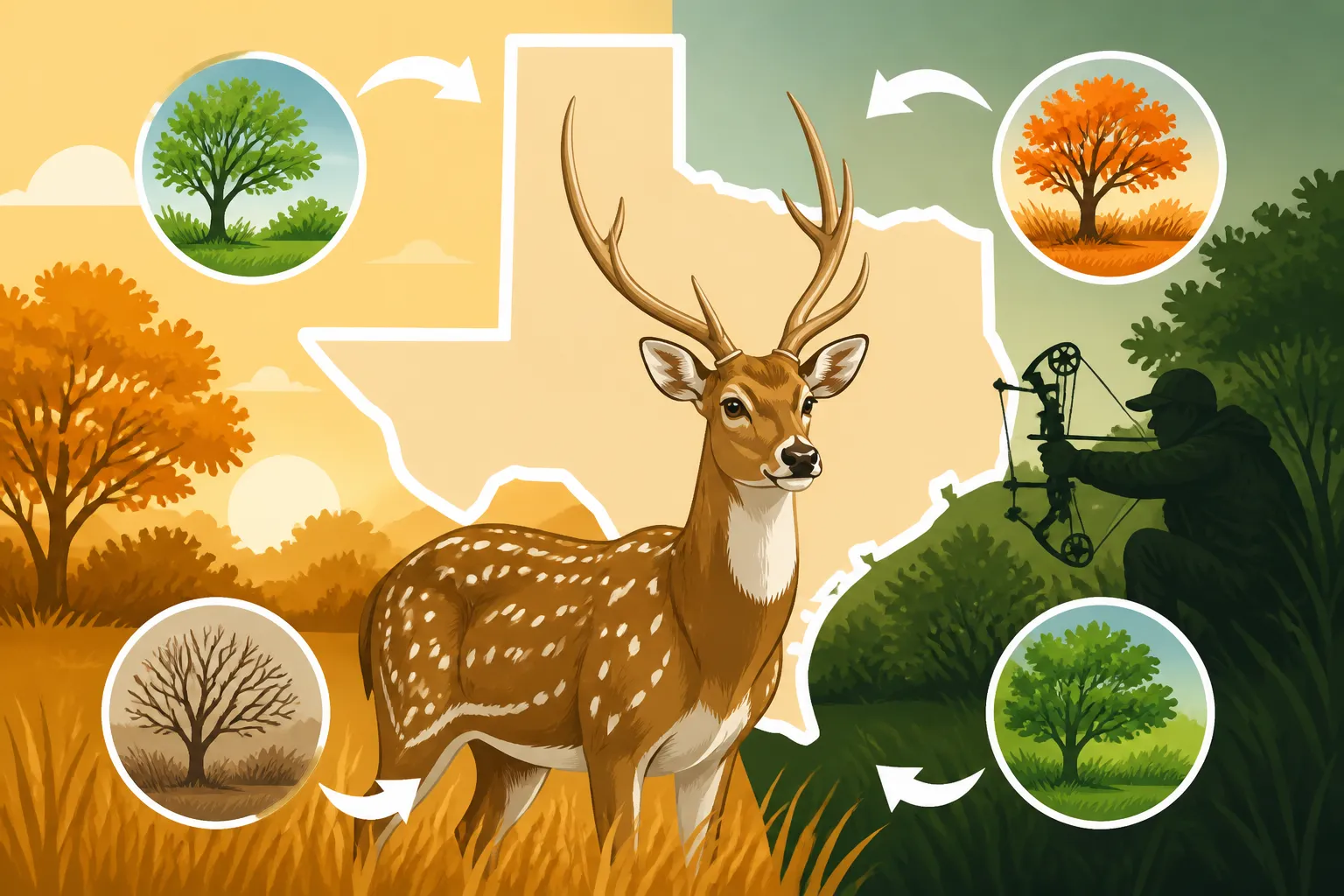
Is There a Season for Axis Deer in Texas?
It can be incredibly frustrating to try and plan a hunting trip in Texas, poring over the Outdoor Annual, looking for specific dates, only to find nothing concrete for the game you're interested in. If you've been wondering, "Is there a season for Axis deer in Texas?" you're not alone. This guide will dive deep into why Axis deer don't follow traditional hunting seasons, what that means for you, and how to best approach hunting these beautiful and delicious exotics year-round.
Understanding Exotic Game and Texas Regulations
Texas has a unique approach to managing its wildlife, especially when it comes to species that aren't native to the state. This distinction is crucial for understanding why certain animals, like Axis deer, don't fall under the same regulatory framework as our beloved native whitetails.
The Legal Definition of Exotic Game
In Texas, an "exotic animal" refers to any species of animal that is not indigenous to the state and is not considered a domestic livestock animal. This broad definition includes a wide array of species, from Axis deer and Blackbuck Antelope to Aoudad sheep and Fallow deer. The Texas Parks and Wildlife Department (TPWD) has a specific set of rules for these animals, primarily because they are often managed on private land and are not part of the state's traditional wildlife conservation efforts in the same way native game are.
Because these animals are considered private property once they are on fenced land, or if they are free-ranging but still on private property, the landowner essentially dictates the hunting rules. This contrasts sharply with native species like white-tailed deer, where the state sets seasons, bag limits, and antler restrictions to manage populations and ensure sustainable hunting. This distinction is paramount when you're planning any exotic hunt. You'll still need a valid Texas Hunting License: Cost, Types & How to Buy (2026), but the specific "season" part just doesn't apply.
Why No Closed Season for Axis Deer
The main reason there isn't a closed season for Axis deer in Texas stems directly from their status as exotic, non-native game. Unlike native species, Axis deer aren't subjected to the same population management concerns from the state's perspective. In fact, many landowners actually encourage their harvest to manage grazing pressure and prevent overpopulation, especially on ranches where they might compete with native species for forage.
Think about it: if the state put a closed season on them, landowners would have less control over their property and their animal populations. This flexibility benefits both hunters, who can pursue Axis at various times throughout the year, and landowners, who can manage their herds more effectively. This unique regulatory landscape means that while there's no official "season," there are certainly better times to hunt them based on their natural breeding cycles and Texas weather, which we’ll delve into shortly. This year-round availability is one of the many reasons why Exotic Hunting in Texas: Axis, Aoudad, Blackbuck & More is so popular.
The Myth of an "Axis Deer Season" and What It Means for Hunters
When you grow up hunting native game, the concept of a "season" is ingrained. You check the Texas Deer Season 2026-2027: Dates by Zone, plan your trips, and mark your calendar. So, discovering that Axis deer don't have one can be a bit disorienting. However, it's actually one of their most appealing characteristics for many hunters!
Year-Round Hunting Opportunities
The biggest takeaway here is that you can hunt Axis deer 365 days a year in Texas, assuming you have access to private land where they are present. This offers unparalleled flexibility, especially for hunters who might not be able to schedule their trips around the specific dates of whitetail or turkey seasons. It means you can hunt during spring, summer, fall, or winter, which can be a huge advantage for fitting a hunt into a busy schedule.
This year-round opportunity also means that the "rut" for Axis deer isn't tied to a specific calendar window like with whitetails. Axis deer are known for breeding year-round, meaning bucks can be in hard antler at almost any time, though there are certainly peak periods. This makes them an exciting challenge, as you might find velvet antlers, hard antlers, or even shed antlers all within the same herd at any given time.
Navigating Lease Agreements and Guided Hunts
Since Axis deer are primarily hunted on private land, your access will typically come through a hunting lease or a guided outfitter. Lease agreements for properties with Axis deer often specify the number of animals that can be harvested per hunter, and these harvests can occur at any point during the lease term. For guided hunts, outfits specializing in Axis Deer Hunting in Texas (Free-Range vs High-Fence) will have openings throughout the year.
When looking at a lease or a guided hunt, always clarify what's included, especially regarding harvest limits and any additional fees for exotic game. Some leases might include Axis as part of a general exotic package, while others might charge a trophy fee per animal. It’s always best to have a clear understanding of the terms before you commit. Remember that even for exotics, you will still need to ensure you have a hunting license. The question "Do Exotics Require a Hunting License in Texas?" is often asked, and the answer is usually yes for residents.
Prime Opportunities: When to Target Axis Deer in Texas
While there's no official season, seasoned Axis deer hunters know that certain times of the year offer better opportunities for success and a more enjoyable hunting experience. It's all about understanding their natural cycles and adapting to the Texas environment.
The "Peak Rut" for Axis Deer
Unlike whitetail deer, which typically have a defined rut period in the fall, Axis deer breed year-round. However, there is a recognizable "peak rut" period that generally runs from May through July, often extending into August, particularly in the Texas Hill Country. During these months, Axis bucks are most vocal, displaying strong territorial behavior, bugling and challenging rivals. This makes them more visible and callable, offering fantastic hunting opportunities.
- Spring/Early Summer (May-July): This is often considered the prime time by many hunters. Bucks are in hard antler, actively chasing does, and their distinctive bugle calls echo through the brush. The weather can be hot, but mornings and evenings are usually pleasant. It's a fantastic time for spot-and-stalk hunting when they are most active.
- Late Summer/Early Fall (August-October): While the peak rut starts to subside, many bucks are still in hard antler, and the activity can remain high. As temperatures potentially cool slightly, morning and evening movement can pick up. This also avoids the busiest times for native deer seasons, making it a great alternative.
Weather Considerations and Hunting Comfort
Hunting Axis deer year-round means dealing with the full spectrum of Texas weather. Summers can be brutally hot, making midday hunting nearly impossible and requiring smart planning for game recovery.
- Summer Heat: If you're hunting in the peak rut of June or July, be prepared for intense heat. Hydration is critical, and you'll want to focus your efforts during the cooler parts of the day – early mornings and late evenings. The advantage is that deer often seek water sources more frequently, which can be strategic for setting up. Having appropriate gear, like good quality coolers that can hold ice in the Texas heat for extended periods, is essential for preserving your harvest.
- Winter Months: Don't discount winter for Axis hunting. While fewer bucks might be in peak rut, the cooler temperatures make for a much more comfortable hunt. Deer will be focused on feeding, and if there's any cold front, they may become very active. Plus, game processing is much easier in cooler weather.
- Spring/Fall Comfort: Spring and fall offer the most comfortable hunting conditions, with milder temperatures. This allows for longer hunts, easier hiking, and generally more enjoyable days in the field.
| Time of Year | Axis Deer Activity | Weather Considerations | Pros for Hunting | Cons for Hunting |
|---|---|---|---|---|
| May-July | Peak Rut, Vocal | Hot, Humid | Bucks active, visible, callable | Intense heat, rapid game spoilage |
| Aug-October | Post-Rut activity, feeding | Warm, potentially cooling | Good antler development, less hunter traffic | Still quite warm, some bucks shedding |
| Nov-April | Feeding focused | Cooler, pleasant to cold | Comfortable hunting, easier game processing | Less rut activity, bucks may be in velvet/shedding |
Essential Gear and Tactics for Successful Axis Deer Hunting
Hunting Axis deer, while similar to hunting other deer species, does have its nuances, especially given their cautious nature and the varied terrains they inhabit across Texas. Adapting your gear and tactics will significantly increase your chances of success.
Spot-and-Stalk Techniques
One of the most thrilling and effective ways to hunt Axis deer, especially free-range animals, is through spot-and-stalk tactics. Axis deer have excellent eyesight, so stealth and careful movement are paramount. This method truly shines when you're targeting specific bucks that you've spotted from a distance.
- Glassing: High-quality binoculars and a spotting scope are indispensable. Spend significant time glassing from elevated positions, scanning open fields, senderos, and the edges of heavy cover. Their distinct spotted coats can sometimes make them blend in surprisingly well, so patience is key. The right pair of binoculars for South Texas brush, for instance, can make all the difference.
- Approach: Once you've identified a target, plan your approach carefully, using terrain features, prevailing winds, and vegetation for cover. Axis deer are notorious for being skittish, so slow, deliberate movements are crucial. This is where mastering How to Hunt Axis Deer (Free-Range Tactics) really pays off. You might be surprised at how far you can get if you move slowly and deliberately.
Blind Hunting and Feeder Setups
For a more stationary approach, especially on properties where Axis deer are accustomed to supplemental feeding, hunting from a blind over a feeder can be highly effective. This method is often preferred in areas with dense brush or when hunting with less mobile individuals.
- Feeder Choice: Axis deer will readily visit corn feeders, but they also respond well to protein feeders. Ensure your feeder is set up in a location that provides good visibility from your blind while still being accessible to the deer. Consistency in feeding times can pattern them, making them more predictable. You can learn more about various feeding strategies by checking out Best Deer Feeder Setup for Texas.
- Blind Placement: Consider both box blinds and ground blinds. Box blinds for hot Texas weather can offer comfort from the elements, while a well-concealed ground blind can provide a more intimate hunting experience, especially for bowhunters. Position your blind downwind of likely approach paths and ensure clear shooting lanes.
- Patience is Key: Whether from a blind or stalking, Axis deer can be cautious. They may approach a feeder slowly, circle it, or wait for others to feed first. Be prepared for long waits and stay vigilant.
Recommended Gear
Beyond the essentials like your rifle, bow, and ammunition, a few pieces of gear can significantly enhance your Axis deer hunt:
- Optics: As mentioned, good binoculars and a rangefinder are non-negotiable. A quality rifle scope for Texas deer hunting is also vital for accurate shot placement.
- Camo: While Axis deer aren't as color-sensitive as some other game, blending into the environment is always a good idea. Consider Best Early-Season Camo for Texas Heat if you're hunting during the hotter months.
- Footwear: Depending on the terrain, sturdy hunting boots are a must. If you're in an area with snakes (and this is Texas, so you probably are!), snake boots for South Texas brush country can provide peace of mind.
- Game Processing Tools: Axis deer are known for their exceptional meat, so having a good hunting knife for field dressing and the means to cool your animal quickly, especially in warmer weather, is crucial. If you're planning to process it yourself, knowing How to Field Dress a Deer in Hot Weather will be invaluable.
Ultimately, while the lack of a defined "season" for Axis deer might seem unusual at first, it presents a fantastic opportunity for hunters seeking flexibility and a unique challenge. By understanding their behavior, adapting to the climate, and employing smart tactics, you can enjoy a rewarding Axis deer hunt any time of the year in the Lone Star State.
Disclaimer
Please remember that hunting regulations can change, and it's always your responsibility to verify the most current laws and regulations with the Texas Parks and Wildlife Department (TPWD) before any hunting activity. This guide is for informational purposes only and does not supersede official regulations.