What Exotics Can You Hunt Without a License in Texas?
One of the most common head-scratchers for new and even seasoned hunters in Texas is figuring out which animals require a hunting license and which don't. It can feel like navigating a maze, especially when you start looking at the incredible array of exotic species we have roaming our lands. Many folks come here specifically for the chance to hunt something unique, only to get bogged down in permit questions. This guide will cut through the confusion and explain exactly which exotics you can legally pursue in Texas without needing a general hunting license, and what crucial considerations you absolutely must keep in mind.
Understanding Texas Hunting Regulations for Exotics
Texas is a unique beast when it comes to hunting regulations, largely due to its vast private land ownership and the thriving exotic game industry. Unlike most states, where virtually every huntable animal falls under strict state management with specific seasons, bag limits, and licensing requirements, many of our exotic species operate under a different set of rules. This distinction is absolutely critical to grasp.
The Key Distinction: Native vs. Non-Native Species
The biggest differentiator in Texas hunting law revolves around whether a species is considered native or non-native (exotic). Native game animals like white-tailed deer, mule deer, pronghorn, turkey, and migratory birds are strictly regulated by the Texas Parks and Wildlife Department (TPWD). These species have defined hunting seasons, county-specific bag limits, legal shooting hours, and absolutely require a valid Texas hunting license with appropriate endorsements. If you’re caught hunting a native game animal without the proper license, you’re looking at serious fines and penalties.
However, non-native or exotic species are often treated more like livestock under Texas law. Because they are not indigenous to the state, the TPWD generally doesn't regulate them with the same comprehensive season and bag limit structures that apply to native wildlife. This classification stems from their status as private property when located on private land. This is the foundation of why many exotics can be hunted without a general hunting license, a concept that often surprises hunters from other states.
What Defines an "Exotic" in Texas?
So, what exactly is an "exotic" in the eyes of Texas law? Generally, it refers to any species of animal that is not indigenous to Texas and has been introduced, often for hunting purposes, ranching, or as ornamental stock. These are animals that originally hailed from other continents, like Africa, Asia, or Europe, and have adapted remarkably well to the diverse Texas landscape.
Think of species like the magnificent Axis deer from India, the hardy Aoudad sheep from North Africa, or the striking Blackbuck antelope. These aren't just a few isolated animals; Texas boasts a larger population of some exotic species, such as Axis deer, than their native ranges! This abundance, combined with the regulatory framework, has made Texas the premier destination for exotic hunting in North America. These introduced species have created a unique hunting economy, particularly on private ranches, where landowners manage these populations for commercial and recreational hunting.
The "No License Needed" Exotics: What You Need to Know
This is where it gets exciting for many hunters. The ability to pursue challenging and beautiful game animals year-round without the bureaucratic hurdle of a specific state hunting license is a massive draw. But let's clarify the nuances.
The General Rule for Exotics on Private Land
The core principle is this: When hunting an exotic animal on private land in Texas, you generally do not need a Texas hunting license. This applies to most of the popular exotic big game species. The landowner or person in control of the property essentially dictates the terms of the hunt for these animals, as they are considered private property. This doesn't mean it's a free-for-all; it simply means the state doesn't impose its standard hunting license requirements for these specific animals when they are on private land.
This rule has fueled a booming exotic hunting industry across the state. Ranches often offer guided hunts for a variety of exotics, providing a unique experience that’s unavailable in many other places. However, and this cannot be stressed enough, you MUST have explicit permission from the landowner to hunt on private land. Trespassing is illegal and taken very seriously, regardless of whether you’re hunting a regulated native species or an unregulated exotic. Always ensure you have a clear understanding and written agreement, if possible, from the property owner before stepping onto their land with a firearm.
Examples of Commonly Hunted License-Exempt Exotics
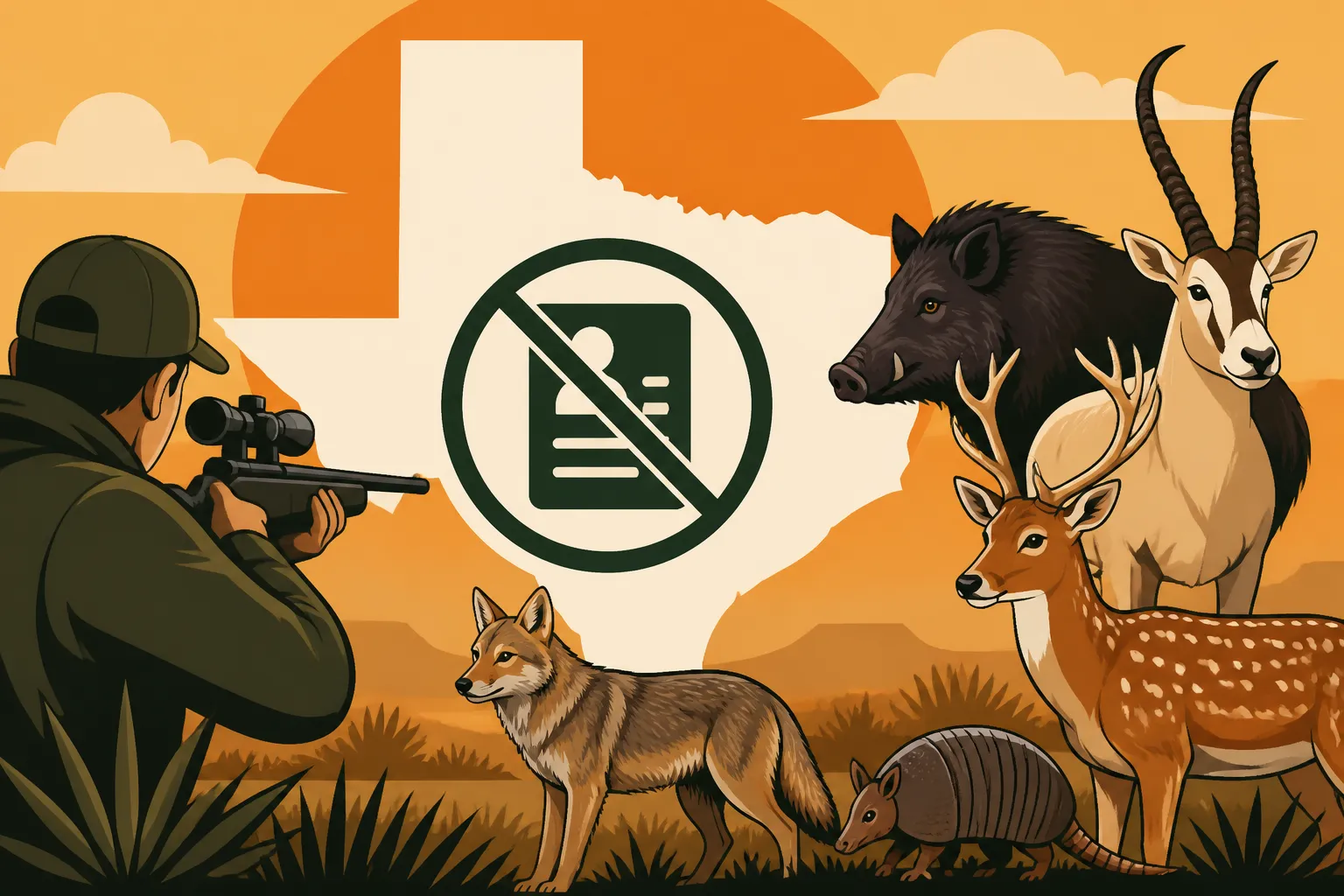
Texas is home to a breathtaking array of exotic species, each offering a distinct hunting challenge and a beautiful trophy. Here are some of the most commonly hunted exotics for which you typically won't need a state hunting license on private land:
- Axis Deer: Hailing from India, Axis deer are often considered one of the most beautiful and delicious venison-producing exotics. They thrive in the Texas Hill Country and South Texas. They offer a challenging hunt due to their keen senses and often-spotted coats. If you're looking for an incredible experience, learning how to hunt Axis deer (free-range tactics) can be a rewarding endeavor.
- Aoudad Sheep: These rugged sheep, native to the Atlas Mountains of North Africa, are renowned for their incredible stamina and ability to navigate steep, rocky terrain. Found predominantly in the Trans-Pecos region of West Texas, Aoudad sheep hunting is a physically demanding pursuit, often compared to mountain hunts in other states. They are tough and offer an exhilarating challenge for any hunter.
- Blackbuck Antelope: Another stunning import from India, Blackbuck antelope are known for their striking black and white coats and spiraling horns. They are incredibly fast and agile, making them a thrilling hunt on the open plains or across varied terrain. Their meat is also highly prized.
- Fallow Deer: Originating from Europe, Fallow deer are easily recognizable by their broad, palmate antlers (on bucks, called "palms") and spotted coats, though solid color variations exist. They are typically found in various ranches across Texas and offer a more traditional deer hunting experience with a unique twist.
- Sika Deer: These elegant deer, originally from East Asia, come in several subspecies in Texas. They are smaller than whitetails but possess a fierce temperament during the rut. Sika deer are known for their bugling calls, adding an exciting auditory element to the hunt.
- Nilgai Antelope: The largest antelope in Asia, Nilgai are found primarily along the South Texas coast, particularly in the vast King Ranch area. These massive animals are incredibly tough and require powerful calibers to humanely harvest. Hunting Nilgai in South Texas is a unique experience, often conducted spot-and-stalk in dense brush.
- Red Stag: The majestic Red Stag, a close relative of the North American elk, hails from Europe and Asia. These animals are impressive in size and sport magnificent antlers. Hunting Red Stag offers a truly big-game experience right here in Texas.
This table provides a quick overview of some popular exotic species and their general licensing requirements in Texas on private land:
| Exotic Species | Origin | Typical Habitat in Texas | License Required (Private Land)? | Season / Bag Limit? |
|---|---|---|---|---|
| Axis Deer | India | Hill Country, South Texas | No | No (Year-Round) |
| Aoudad Sheep | North Africa | Trans-Pecos, Hill Country | No | No (Year-Round) |
| Blackbuck Antelope | India | Central & South Texas | No | No (Year-Round) |
| Fallow Deer | Europe | Various Ranches | No | No (Year-Round) |
| Sika Deer | East Asia | Hill Country, East Texas | No | No (Year-Round) |
| Nilgai Antelope | India | South Texas Coast | No | No (Year-Round) |
| Red Stag | Europe/Asia | Various Ranches | No | No (Year-Round) |
It's important to remember that while a general hunting license might not be needed for these exotics on private land, you still need to be aware of all other applicable laws, such as those regarding firearm possession, hunting from a vehicle, or any local ordinances.
Exceptions and Important Considerations
While the "no license needed" rule for exotics on private land is a significant advantage, it's crucial not to let that simplicity overshadow other vital aspects of responsible and legal hunting in Texas. There are indeed situations where licenses or permits are required, even for exotics.
Public Land Hunting for Exotics (Drawn Hunts)
The moment you step onto public land in Texas, the rules change dramatically. Even if you're targeting an exotic species, public land hunts, especially those on Wildlife Management Areas (WMAs) or through special drawn hunts, will require a valid Texas hunting license. Furthermore, you’ll typically need an Annual Public Hunting (APH) Permit, and often a specific drawn hunt permit for the species and location you're pursuing.
For instance, the TPWD occasionally offers drawn hunts for exotics like Axis deer or Aoudad on certain WMAs. To even apply for these coveted spots, you'll need to possess a valid hunting license. If you're lucky enough to be drawn, you'll still need that license, plus any specific permits or endorsements outlined in the drawn hunt rules. Public hunting in Texas: WMAs & Annual Public Hunting Permit is a completely different ballgame, and it's essential to consult the Texas Parks and Wildlife Department's Outdoor Annual for specific regulations and application procedures for any public land opportunities. The process for Texas drawn hunts & public hunt draw 2026 can be competitive, but it's often the most affordable way to chase exotics if you don't have access to private land.
Federal Regulations and Migratory Species
While the big game exotics we've discussed don't fall under federal migratory bird laws, it's always worth a reminder that if you were to hunt any migratory species (even if it's an exotic waterfowl), federal laws would absolutely apply. This would necessitate federal duck stamps and HIP certification on top of your state hunting license and migratory bird endorsement. However, for most of the popular exotic mammals like Axis or Aoudad, federal regulations aren't a concern.
The primary point of caution here is related to hunting other animals alongside your exotic hunt. If you're on a deer lease and decide to take an Axis deer (no license needed) but also plan to harvest a white-tailed deer (license is needed), you absolutely must have your valid Texas hunting license and appropriate deer tags. Never assume that because one species is exempt, all hunting activities become license-free.
Resident vs. Non-Resident Implications
The "no license needed" rule for exotics on private land applies equally to residents and non-residents of Texas. So, whether you live in El Paso or Ohio, you can hunt an Axis deer on a private ranch without buying a Texas hunting license. This makes Texas a highly attractive destination for out-of-state hunters seeking unique trophies without the often-prohibitive cost of non-resident licenses in other states for native game.
However, just like with federal regulations, context matters. If a non-resident hunter comes to Texas and plans to hunt an exotic and a feral hog (which typically don't require a license on private land either, but the rules are different for public land), but also wants to try their hand at dove hunting in September, then they absolutely need a Texas hunting license. The specific license type, like the Texas non-resident hunting license cost, will depend on what other species they intend to pursue beyond the license-exempt exotics. The core message remains: if you're hunting any native Texas game animal, or hunting any animal on public land, you'll need the proper license regardless of your residency status.
Why Texas is the Mecca for Exotic Hunting
It's no exaggeration to call Texas the exotic hunting capital of North America. The unique blend of expansive private land, diverse ecosystems, and the "no license needed" framework for many species has created an unparalleled hunting culture around these non-native animals.
Year-Round Opportunities and Economic Impact
One of the biggest draws for exotic hunting in Texas is the year-round open season for most species on private land. This is a game-changer for hunters who are used to strict, limited seasons for native game. Imagine being able to plan a hunt for Aoudad in January, Axis in May, or Nilgai in October, without being constrained by state-mandated seasons. This flexibility allows hunters to schedule trips outside of peak native deer seasons, spreading out their hunting adventures throughout the calendar.
This continuous hunting opportunity has fostered a robust economic sector built around exotic game ranches and outfitters. From the vast cattle ranches of South Texas to the rugged terrain of the Hill Country hunting in Texas, countless operations cater specifically to exotic hunters. These businesses contribute significantly to rural economies, providing jobs, supporting local communities, and generating revenue through guided hunts, lodging, and related services. The demand for these hunts also incentivizes landowners to manage their exotic populations responsibly, often leading to impressive trophy quality.
Diverse Landscapes and Challenging Hunts
Texas is a truly massive state, boasting an incredibly diverse range of landscapes. This ecological variety means that exotic species have found niches across the state, offering different types of hunts depending on your chosen species and region.
- The Hill Country is famous for its rolling hills, live oaks, and dense brush, providing excellent cover and challenging terrain for Axis, Fallow, and Sika deer. A bowhunting in Texas: archery season guide for exotics here can be particularly thrilling, testing your stalking skills.
- The Trans-Pecos region in West Texas, with its rugged mountains and vast desert expanses, is the undisputed domain of the Aoudad. This is where you'll experience a true mountain hunting experience, testing your physical endurance and long-range shooting abilities. It's truly a bucket-list hunt for many.
- South Texas, known for its dense "brush country" and massive ranches, is prime territory for Nilgai. These formidable animals provide a thrilling hunt in thick cover, often requiring keen tracking skills and quick decision-making. The sheer scale of the landscape and the density of the brush make for an incredibly immersive experience. You might even stumble upon some impressive South Texas trophy whitetail: brush country bucks while on an exotic hunt.
- The Pineywoods of East Texas, though less known for exotics, still hold populations of species like Sika and Fallow, offering a different backdrop for your hunt.
Each of these environments presents unique challenges and requires different tactics and gear. The ability to hunt such a diverse range of animals in varying landscapes, all within the borders of one state, is what truly solidifies Texas's reputation as an exotic hunting mecca.
Ethical Considerations and Best Practices
While the regulatory framework for exotic hunting in Texas is relatively relaxed concerning licenses, it does not diminish the importance of ethical conduct and responsible hunting practices. As hunters, we carry a profound responsibility to the animals we pursue and the land we traverse, regardless of whether a state tag is required.
Fair Chase and Conservation
The concept of fair chase remains paramount in exotic hunting. This means giving the animal a reasonable chance to escape and employing hunting methods that do not provide an unfair advantage. While some exotic hunts occur in high-fence environments, many others, particularly for species like Axis deer or Aoudad sheep, are free-range or in extremely large enclosures that mimic free-range conditions. Regardless of the setup, ethical hunters strive to minimize stress on the animal, take responsible shots, and respect the game they pursue.
Interestingly, the economic incentive of exotic hunting also plays a role in conservation. Landowners who manage exotic populations for hunting often invest heavily in habitat improvement, supplemental feeding, and predator control. This management benefits not only the exotics but also native wildlife that shares the same habitat. Many ranches operate under strict management plans, ensuring healthy populations and sustainable harvest levels, demonstrating that hunting can be a powerful tool for land and wildlife stewardship.
Safety and Respect for Landowners
Safety should always be the number one priority on any hunt. This includes understanding your firearm and its capabilities, knowing your target and what's beyond it, and adhering strictly to all safety protocols. The absence of a state hunting license requirement does not exempt you from fundamental firearm safety or common-sense hunting practices. Always check the weather conditions, inform others of your hunting plans, and be prepared for any emergencies.
Furthermore, respect for the land and the landowner is non-negotiable. Remember, when hunting exotics on private property, you are a guest. Always treat the land, facilities, and any employees with the utmost respect. Follow any specific rules the landowner or outfitter has in place, which might include specific shooting hours, caliber restrictions, or off-limits areas. Always clean up after yourself, leave no trace, and ensure gates are closed. Building a good relationship with landowners is key to securing future hunting opportunities, whether on a day hunt or as part of a longer-term hunting leases in Texas: complete guide (cost & how to find) arrangement. A responsible, respectful hunter is always welcome back.
Disclaimer
Please remember that hunting regulations can change. While this guide provides current general information, it is always your responsibility to consult the latest Texas Parks and Wildlife Department Outdoor Annual or contact the TPWD directly for the most up-to-date and specific regulations before planning any hunt. This content is for informational purposes only and not a substitute for official legal guidance.