How to Hunt Bobwhite Quail in Texas
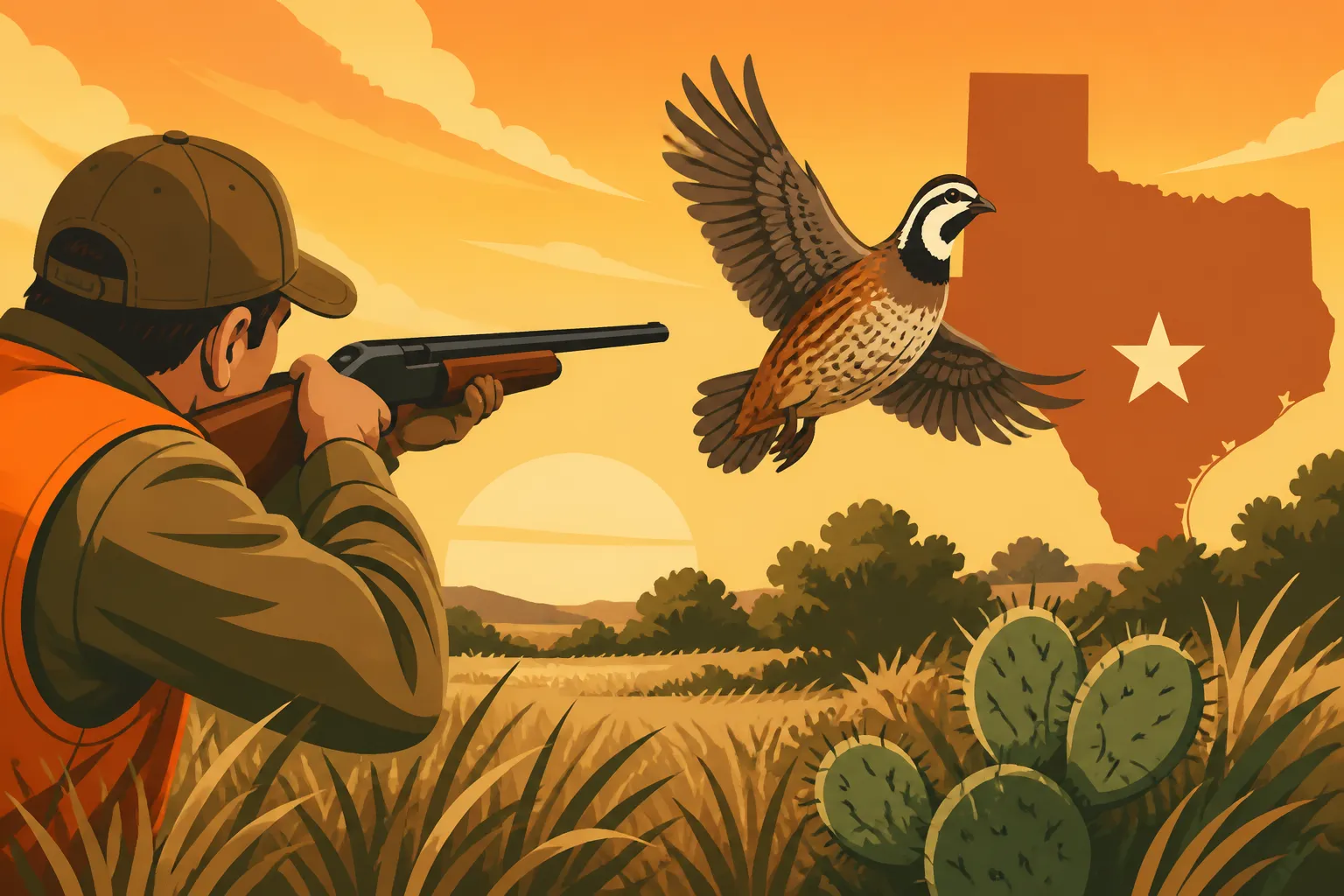
If you've ever tried chasing those elusive bobwhite quail across the Texas landscape, you know it's a special kind of challenge. One minute you're walking through seemingly empty brush, the next a covey explodes around your feet, leaving your heart pounding and your shotgun still half-shouldered. It's frustrating, exhilarating, and deeply rewarding all at once. This guide is all about helping you understand these incredible birds and giving you the practical know-how to increase your chances of a successful and enjoyable bobwhite quail hunt in our great state.
Understanding Bobwhite Quail in Texas
Hunting bobwhite quail in Texas isn't just about pulling a trigger; it's about understanding the bird itself, its habitat, and the natural rhythms of its life. These small, quick-flying birds are a staple of Texas hunting culture, but they certainly don't make it easy.
Quail Habitat and Behavior
Bobwhite quail thrive in diverse habitats, and understanding what makes a good quail home is half the battle. They prefer a mosaic of cover – not too thick, not too sparse – that provides protection from predators, places to roost, and open ground for foraging. Think of areas with patchy native grasses, thorny brush like mesquite or prickly pear, scattered woody plants, and cultivated fields. They're often found along fencerows, creek bottoms, and the edges of agricultural fields. These spots offer them a cafeteria of seeds, insects, and berries, alongside crucial escape routes and thermal cover from the Texas sun or a sudden cold snap.
You’ll typically find bobwhites in coveys, which are family groups or extended family groups that stick together for safety and warmth. A covey might consist of anywhere from 5 to 20 birds, sometimes more. When a covey is flushed, they scatter in every direction, flying fast and low, then dropping back into cover almost as quickly as they appeared. This behavior is what makes them such a challenging and exciting game bird. Knowing how to react to a covey rise and then focusing on singles is a key part of the hunt. They also have distinct daily patterns, often moving from roosting cover to feeding areas shortly after sunrise and again in the late afternoon before returning to roost for the night. This knowledge can help you decide when is the Best Time to Hunt Bobwhite Quail in Texas.
Population Trends and Challenges
Unfortunately, bobwhite quail populations in Texas have faced a significant decline over the past several decades. It's a real heartbreaker for many seasoned hunters who remember the "good old days" of seemingly endless coveys. There are several factors at play, but habitat loss and fragmentation are major culprits. As native grasslands are converted to monoculture crops, urban sprawl expands, and brush encroachment becomes too dense, the diverse, patchy habitat bobwhites need disappears. Droughts, which are all too common in Texas, also hit quail populations hard, impacting food and water sources.
Predation from coyotes, bobcats, raccoons, and even snakes also plays a role, especially when cover is sparse. Disease can also affect populations. However, it's not all doom and gloom. Many passionate landowners, conservation groups like Quail Forever, and the Texas Parks and Wildlife Department (TPWD) are working tirelessly on habitat restoration projects. Focused efforts on improving land management through prescribed burning, brush sculpting, and strategic food plots can make a real difference. If you're wondering Texas Quail Decline: Why & Where to Still Hunt, you'll find that the Rolling Plains of North Texas and parts of South Texas remain some of the best areas for bobwhite quail, though hunting opportunities are often found on private land.
Essential Gear and Dog Work for Quail Hunting
Beyond knowing the bird, having the right gear and, crucially, the right dog, can make or break your quail hunting experience. You need equipment that can handle the rugged Texas terrain and companions that can find those hidden birds.
Shotguns, Ammunition, and Other Gear
When it comes to shotguns for bobwhite quail, quick handling and light recoil are key. These birds explode from cover, giving you mere seconds to shoulder your gun, acquire the target, and shoot. That's why smaller gauges are often preferred. A 20-gauge shotgun is a fantastic choice, offering a good balance of shot payload and manageable recoil, perfect for quick follow-up shots on a scattering covey or a tricky single. Many purists even opt for a 28-gauge or a .410 for the ultimate challenge, though these require even more precise shooting.
As for ammunition, stick with smaller shot sizes. Number 7.5 or 8 shot is ideal for quail. These smaller pellets provide a dense pattern that's effective at the short ranges typical of quail hunting, ensuring you get enough pellets on the fast-moving bird without over-penetrating and ruining the meat. For chokes, open patterns like Skeet or Improved Cylinder are your best friends. They give you a wider spread at close range, increasing your chances of connecting with those speedy birds right after they flush.
Beyond the firearm, comfort and safety are paramount. Texas brush can be unforgiving, so a good pair of snake boots is non-negotiable, especially in areas with rattlesnakes or copperheads. Lightweight, breathable hunting clothes in earth tones or early-season camo are crucial for staying comfortable in the often-warm Texas weather. A bird vest with plenty of shell loops and a large game pouch for carrying your birds (and maybe a snack and water) is also essential. Remember, you'll be covering a lot of ground, so comfort is key to an enjoyable hunt.
The Unbeatable Partnership: Hunting Dogs
Let's be real: hunting bobwhite quail in Texas without a well-trained bird dog is like trying to herd cats with a wet noodle. It's an exercise in futility and frustration. These birds are masters of camouflage and can hide in plain sight. This is where a good hunting dog truly shines. Pointers, setters, and flushers are invaluable assets, making the hunt infinitely more efficient and enjoyable.
A good bird dog, like a German Shorthaired Pointer, English Setter, or Brittany Spaniel, possesses an incredible sense of smell and an instinct to find and point game. They work the cover, sniffing out the scent of a covey, then freeze, signaling the presence of birds to the hunter. This "point" is a magnificent sight and allows you to walk in, prepare for the flush, and get a shot. After the shot, a well-trained dog will retrieve fallen birds, preventing lost game in thick cover. This partnership is built on trust, communication, and countless hours of training.
Without a dog, you'd spend endless hours blindly walking through thickets, likely flushing birds out of range or never finding them at all. A dog conserves your energy, finds more birds, and adds an incredible dimension to the hunt. Investing in a trained dog or putting in the time to train one yourself is arguably the single most important factor for consistent quail hunting success in Texas. The joy of watching a dog work, honor a point, and retrieve a bird is a huge part of the quail hunting experience itself.
Proven Tactics for Locating and Flushing Quail
Once you have your gear and your dog, it's time to put a strategy together. Quail hunting is often compared to a chess game – you need to anticipate their moves and position yourself for success.
Scouting and Habitat Identification
Effective quail hunting starts long before you even step foot in the field on opening day. Pre-season scouting is paramount. You need to become an expert at reading the landscape and identifying prime bobwhite quail habitat. Look for those critical components: areas with mixed native grasses for nesting and roosting, low-lying brush for cover and escape, and exposed bare ground for dusting and sunning. Water sources are vital, especially during dry periods, so focus on creek beds, ponds, or even areas with natural seeps.
Food sources are another huge indicator. Quail are primarily seed-eaters, so look for fields with ragweed, croton (doveweed), sunflowers, and various native grasses. The edges of cultivated fields, especially those planted with milo or corn, can also be hotspots. Pay attention to how the habitat connects. Quail will often travel along fencerows or strips of cover from one food source to another. Using mapping apps like onX Hunt can help you visualize these connections and identify potential travel corridors. Listening for their distinctive "bob-white" call during early mornings or late evenings can also help pinpoint their general location. Understanding How to Scout for Deer Before Season in Texas can also provide some transferable skills for scouting for quail, as both involve looking for signs of activity and suitable cover.
Walking and Working a Field Effectively
Once you're in the field, the way you and your hunting party (and especially your dogs!) move is critical. Don't just wander aimlessly. Develop a methodical approach to cover the ground thoroughly. If you have multiple hunters, spread out in a line, maintaining a safe distance between each other. This helps cover a wider area and prevents birds from flushing behind you.
Work your dogs into the wind as much as possible. This allows their incredible sense of smell to pick up the quail's scent more effectively. Watch your dog's body language closely. A dog that's getting birdy will often slow down, nose to the ground, tail wagging excitedly, before locking up on point. When a dog goes on point, all hunters should move in cautiously, forming a semi-circle around the dog, preparing for the covey to flush. Once the birds are up, stay calm, pick a single bird, and shoot. Avoid shooting into the "brown cloud" of a flushing covey – it's less ethical and less effective.
It's also important to consider the terrain. Quail often hold tight in dense cover, especially on windy days or when temperatures are cool. On warmer days, they might be found in more open areas or seeking shade. Don't be afraid to push through briars and thickets where quail love to hide.
Post-Flush Strategy and Covey Rises
The moments immediately after a covey flush are chaotic, but how you react determines the rest of your hunt. As birds burst into the air, try to mark where as many singles as possible fly and land. This takes practice and keen observation. Once you've shot and retrieved any fallen birds, resist the urge to immediately chase after the scattered singles. Give them a few minutes to settle down.
After a covey scatters, the birds will typically land within 100-300 yards, often in different types of cover than where they initially flushed. They'll also be much less likely to flush as a group again. This is where the real dog work comes in. Your dog can now go to work on these scattered singles. Hunting singles is often more productive for adding birds to your bag after the initial covey rise. Walk slowly, allow your dog to thoroughly work the cover, and be ready for individual birds to flush from unexpected spots. Singles tend to hold tighter than coveys, which can make for some exciting, close-quarters shooting.
Keep in mind that bobwhite quail also perform a "covey rise" where they regroup after being scattered. If you give them too much time, they might covey up again and be harder to find. It's a fine balance between giving them time to settle and going after them before they regroup. A successful quail hunt often involves flushing multiple coveys, picking off a few birds from each, and then diligently working the singles.
Regulations and Conservation for Texas Quail Hunting
Responsible hunting means knowing and respecting the rules, and also doing your part to ensure healthy populations for future generations.
Texas Quail Season Dates and Bag Limits
Staying informed about current regulations is paramount for any hunter. The Texas Parks and Wildlife Department (TPWD) sets the Texas Quail Season Dates & Limit annually, and these can sometimes see minor adjustments. Generally, the statewide season for bobwhite, scaled (blue), and Gambel's quail runs from late October through late February, giving hunters a good long window to get out in the field.
The daily bag limit for quail is typically 15 birds, with a possession limit of 45. These limits apply to all species of quail combined. It's absolutely crucial to consult the most current version of the Texas Parks and Wildlife Outdoor Annual, which is available online or at most license vendors. This guide covers all the specific regulations, including any special provisions or localized rules you might encounter. Always remember that possessing a valid Texas hunting license is required for all resident and non-resident hunters, along with appropriate endorsements. You can find information on how to obtain one in our guide to Texas Hunting License: Cost, Types & How to Buy (2026).
Here's a quick overview of typical season dates and bag limits, but always verify with the current Outdoor Annual:
| Category | Typical Season Dates (Statewide) | Daily Bag Limit | Possession Limit |
|---|---|---|---|
| Bobwhite, Scaled, & Gambel's Quail | Late October – Late February | 15 | 45 |
Ethical Hunting and Habitat Management
Ethical hunting goes beyond simply following the rules; it's about demonstrating respect for the land, the wildlife, and other hunters. This means ensuring safe gun handling at all times, especially when hunting with dogs and multiple people. It also means only taking clean shots, avoiding wounding birds that can't be retrieved, and respecting private property boundaries. Always ask for permission before hunting on private land, and leave gates as you found them.
Conservation is inextricably linked to ethical hunting. As we've discussed, bobwhite quail populations face significant pressures. As hunters, we have a vital role to play in their future. Supporting organizations like Quail Forever, which focuses on habitat improvement, is one way. On your own land or lease, consider implementing habitat management practices that benefit quail. This can include prescribed burning to prevent brush encroachment and promote desirable native grasses, discing strips to encourage forb growth for food, or planting specific food plots that provide a buffet of seeds. Even leaving brushy cover along fencerows or field edges can make a difference. Every little bit helps ensure that future generations can experience the thrill of a Texas bobwhite quail covey rise.
Disclaimer
Please note that hunting regulations, seasons, and bag limits are subject to change. Always consult the latest official Texas Parks and Wildlife Department Outdoor Annual or website before planning any hunting trip to ensure you are compliant with all current laws and regulations. This guide is for informational purposes only and should not be considered legal advice.