Texas Quail Decline: Why & Where to Still Hunt
It's tough to be a quail hunter in Texas these days, isn't it? Many of us remember the "good old days" when coveys exploded from every bush, and the sound of whirring wings was a common symphony across the prairies. Now, those days often feel like a distant memory, and finding those elusive birds can be a real challenge. This comprehensive guide will dive deep into the reasons behind the frustrating decline of Texas quail populations and, more importantly, highlight the areas where you can still find decent hunting opportunities and what you can do to help.
Understanding the Texas Quail Decline: A Look at the Core Issues
The disappearance of robust quail populations across much of Texas isn't a single, simple problem; it's a complex tapestry woven from several environmental and ecological threads. It's a disheartening reality for anyone who loves the sport and the birds themselves, but understanding these factors is the first step towards appreciation and potential recovery.
Habitat Loss and Fragmentation
Perhaps the most significant culprit in the quail decline is the relentless march of habitat loss and fragmentation. Historically, Texas landscapes, particularly in areas like the Rolling Plains and South Texas, were ideal mosaics of native grasslands, thorny brush, and agricultural fields that provided everything quail needed: nesting cover, food, and escape routes.
Unfortunately, human development, intensified agriculture, and shifting land management practices have chipped away at these vital habitats. Expansive rangelands are often converted into monoculture crops that offer little value to quail. Even where native habitats persist, they're often broken up into smaller, isolated patches, making it harder for quail populations to move, find new mates, and recover from disturbances. Think of a perfect quail paradise slowly being carved into islands – the birds on those islands might survive, but their genetic diversity and resilience suffer. The conversion of native grasslands to introduced forages like Bermudagrass also dramatically reduces insect populations, which are a critical protein source for young quail chicks. Without that dense, diverse native cover, quail are simply left exposed and without the resources they need to thrive.
Weather Extremes and Drought Cycles
Texas weather is legendary for its extremes, and these dramatic shifts have a profound impact on quail. The state experiences severe drought cycles, often followed by intense, localized floods, which create a roller coaster for wildlife. Quail, especially Bobwhites, are highly dependent on adequate rainfall during their nesting and brooding seasons to ensure good bug crops for chicks and lush cover for protection.
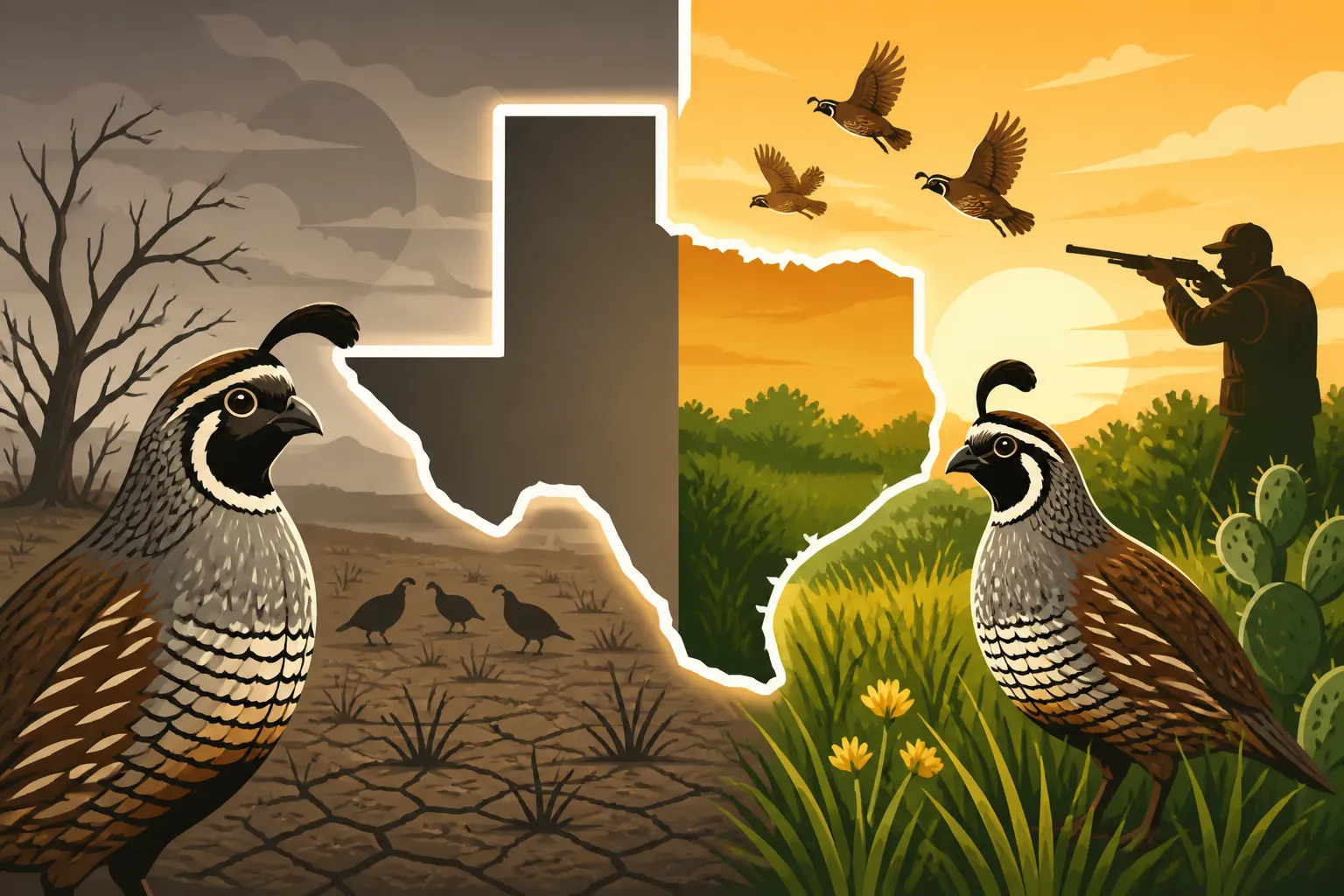
Prolonged droughts, like those experienced in the early 2010s, can devastate populations. Chicks can't find enough insects to eat, and the ground cover becomes sparse, leaving them vulnerable to predators and extreme heat. Even when rains return, it takes time for the habitat to recover, and often the beneficial native plants struggle to return, while less desirable invasives might take over. Conversely, extreme rainfall can also be detrimental, flooding nests and drowning young chicks. The delicate balance required for quail reproduction is constantly challenged by these unpredictable and often brutal weather patterns, making it incredibly difficult for populations to build momentum.
Predation and Competition
While a healthy ecosystem naturally includes predators, the current landscape often creates an imbalance that disproportionately impacts struggling quail populations. When habitat is fragmented and sparse, quail become easier targets for everything from coyotes and bobcats to skunks, raccoons, and even raptors. The lack of dense, protective cover means they have fewer places to hide, nest, and escape.
Furthermore, competition from other species, particularly feral hogs, adds another layer of pressure. Feral hogs root up native vegetation, destroying nesting sites and consuming valuable food sources like seeds and insects that quail rely on. While a hunter might think of these factors as secondary, when quail numbers are already low due to habitat and weather, increased predation and competition can prevent any meaningful recovery. It's like trying to fill a bucket with holes in the bottom – even if you pour some water in, it's hard to make progress. This is why managing predators and competitors, especially feral hogs, is often a key component in any serious quail restoration effort. How to Hunt Feral Hogs in Texas (Step by Step)
The Science Behind the Struggles: What Researchers Are Saying
It's not just anecdotal evidence from disheartened hunters; wildlife scientists and researchers have been meticulously studying the Texas quail decline for decades, piecing together a clearer picture of what's happening and why. Their work involves long hours in the field, analyzing data, and experimenting with various management strategies.
Monitoring Efforts and Data Analysis
The Texas Parks and Wildlife Department (TPWD) plays a critical role in monitoring quail populations across the state. They conduct annual surveys, primarily roadside counts, to estimate population trends for Bobwhite and Scaled Quail. These surveys involve driving specific routes at certain times of the year and recording the number of quail observed. While not a perfect measure, these long-term datasets provide invaluable insights into regional fluctuations and overall population health.
For instance, TPWD data consistently shows significant declines in the Rolling Plains, historically the heart of Texas quail country. South Texas has also seen struggles, though perhaps not as dramatic or consistent as the Rolling Plains. The Trans-Pecos and Panhandle, home to Scaled Quail and some Bobwhites, often show more stable, albeit still fluctuating, numbers. Researchers analyze these numbers alongside rainfall data, habitat mapping, and other environmental factors to pinpoint correlations and underlying causes. This deep dive into the numbers helps direct conservation efforts to where they are most needed and helps us understand the effectiveness of various interventions. These efforts are crucial, as they inform policies and management strategies aimed at supporting species like the Bobwhite and Blue Quail. Bobwhite Quail Hunting Tactics for Texas
Disease and Parasites
Beyond habitat and weather, a less visible but equally insidious threat to quail populations comes from disease and parasites. Quail are susceptible to various ailments that, in healthy, robust populations, might be manageable but can decimate already stressed coveys. One of the most talked-about culprits is the eyeworm (Oxyspirura petrowi).
Eyeworms are nasty little nematodes that can infect a quail's eye, causing irritation, swelling, and even blindness. While not always fatal on its own, an infected bird is severely compromised – less able to find food, avoid predators, or navigate its environment. The eyeworm's life cycle involves an intermediate host, usually a grasshopper or cricket, which the quail consumes. When quail populations are dense and habitat is degraded, conditions can become ripe for widespread transmission. Other parasites and diseases, like coccidiosis (an intestinal parasite) and various bacterial infections, also contribute to mortality, especially in young chicks or birds weakened by drought and malnutrition. Scientists at institutions like the Caesar Kleberg Wildlife Research Institute in Kingsville have done extensive research on these parasites, helping us understand their prevalence and impact, and informing potential mitigation strategies.
Regional Impact: Where Quail Have Suffered Most
The quail decline isn't uniform across Texas. Some regions have been hit harder than others, while a few resilient areas still offer pockets of opportunity for dedicated hunters. Understanding these regional differences is crucial for any hunter planning their season or any landowner looking to improve their property for quail.
The Vanishing Rolling Plains Coasts
Historically, the Rolling Plains of North Central Texas were legendary for their Bobwhite quail hunting. Ranchers and hunters alike would brag about covey flushes that seemed to go on forever. However, this region has experienced some of the most dramatic and sustained declines.
The combination of habitat conversion (especially the shift away from diverse native rangelands to introduced grasses for cattle), intensive agricultural practices, and severe drought cycles has taken a heavy toll. Vast tracts of land that once held diverse native grasses and forbs are now monocultures or heavily grazed pastures that offer little in the way of nesting cover or insect production. While there are still some excellent, well-managed ranches and public hunting areas that maintain good numbers, the widespread abundance once characteristic of the Rolling Plains is largely gone. Hunters heading to counties like Foard, Hardeman, or Cottle often find themselves working harder for fewer birds, a stark contrast to memories of decades past. This region is a prime example of how quickly once-thriving populations can dwindle without proper stewardship. You can still find some decent hunting, but it requires diligent scouting and often access to private land where extensive habitat management has been implemented. Rolling Plains Hunting: Quail & Deer
Challenges in South Texas Brush Country
South Texas, with its iconic thorny brush and diverse plant life, has long been a stronghold for Bobwhite quail, and to a lesser extent, Scaled Quail (blue quail). While it hasn't seen the catastrophic declines of the Rolling Plains in some areas, quail populations here have certainly faced their own set of challenges.
Intensive brush control methods, where dense thornscrub is cleared extensively, can reduce vital escape cover and nesting sites. Overgrazing by livestock can also degrade understory vegetation, reducing crucial food sources and protective cover. Furthermore, the increasingly severe and frequent droughts, particularly in the western parts of South Texas, have had a significant impact on chick survival. However, many large ranches in South Texas are actively engaged in sophisticated wildlife management, focusing on prescribed burning, selective brush control, and strategic grazing to maintain ideal quail habitat. These efforts often lead to pockets of excellent hunting, making areas like the Rio Grande Plains still a draw for serious quail hunters. While you might not find a covey on every turn, properties managed with quail in mind can offer fantastic action. South Texas Trophy Whitetail: Brush Country Bucks
Pockets of Hope in the Trans-Pecos and Panhandle
Amidst the struggles, there are some glimmers of hope and relatively more stable populations in certain regions. The Trans-Pecos, with its rugged mountains and vast desert landscapes, is primarily home to Scaled Quail. These birds are more resilient to arid conditions and can thrive in areas where Bobwhites would struggle. While population numbers fluctuate with rainfall, well-managed ranches and some public lands in this region, such as the Black Gap WMA, can offer good Scaled Quail hunting opportunities.
Similarly, parts of the Texas Panhandle, particularly where there are diverse rangelands and CRP (Conservation Reserve Program) lands, can support both Bobwhite and Scaled Quail. These areas often benefit from strong land stewardship practices and are less impacted by the agricultural intensification seen in other regions. While access to prime Panhandle and Trans-Pecos quail country often means securing private land permits, these areas represent some of the most consistent quail hunting opportunities left in Texas. It speaks volumes about the importance of vast, undisturbed habitat for these resilient little birds.
Finding Hope: Where to Still Hunt Quail in Texas
Despite the overall decline, dedicated quail hunters aren't out of luck entirely. It simply means being more strategic, doing your homework, and often being willing to travel to find those remaining pockets of thriving birds. The thrill of a covey flush is still very much alive in the Lone Star State, even if it requires a bit more effort.
Public Lands and Drawn Hunts for Quail
Texas has a robust public hunting system, including numerous Wildlife Management Areas (WMAs) and the Public Hunt Draw System, which offer opportunities for quail hunting. While public land quail hunting can be challenging due to hunting pressure and variable habitat, it's definitely an option for those without private land access.
Many WMAs, such as the Matador WMA in the Rolling Plains or the Chaparral WMA in South Texas, have specific quail seasons and regulations. These areas are actively managed by TPWD biologists, often with practices aimed at improving quail habitat, like prescribed burning, brush management, and food plots. The key to success on public lands is thorough scouting, understanding the specific WMA regulations, and being prepared to walk a lot of ground. Don't expect to show up opening day and have birds raining from the sky; it takes effort. However, the reward of finding a wild covey on public land is incredibly satisfying. The Texas Drawn Hunts program also offers specific opportunities for quail on premier managed lands, giving hunters a chance to experience some top-tier hunting that would otherwise be inaccessible. Keep an eye on the application deadlines for these highly sought-after permits. Texas Drawn Hunts & Public Hunt Draw 2027 Public Hunting in Texas: WMAs & Annual Public Hunting Permit
Private Land Leases and Day Hunts with Potential
For many, the most consistent quail hunting opportunities in Texas will be found on private lands. This can come in the form of a long-term hunting lease or organized day hunts. Landowners and outfitters who prioritize quail habitat often have the best success in maintaining huntable populations.
When looking for a private lease, inquire about specific quail management practices. Are they managing brush? Implementing prescribed burns? Controlling predators? These are all indicators of a landowner serious about healthy quail populations. Similarly, many reputable outfitters offer guided quail day hunts in prime regions like South Texas and the western Rolling Plains. While these can be an investment, they often provide access to extensively managed properties with professional guides and well-trained bird dogs. Researching outfitters carefully and reading reviews is essential. Sites like Texas Hunting Leases or specialized hunting brokers can often connect you with these opportunities. It's about finding those landowners who understand that good habitat translates to good hunting.
Focusing on Habitat Management for Local Success
If you're a landowner, even on a smaller scale, or part of a hunting lease group, you have the power to create and enhance quail habitat, even in areas experiencing broader declines. Quail are incredibly responsive to habitat improvements when done correctly.
Key strategies include managing brush to create a mosaic of open spaces and dense cover, rather than simply clearing everything. Prescribed burning can be an incredibly effective tool to stimulate native plant growth, reduce woody encroachment, and control parasites. Planting native forbs and grasses can provide crucial food and nesting cover. Controlling feral hogs and other mesopredators like raccoons and skunks can significantly reduce pressure on quail. Even something as simple as allowing field borders to grow wild or planting small patches of supplemental forage like milo or sunflowers can make a difference. These efforts, combined with responsible grazing management, can turn a struggling property into a quail haven, proving that local action can yield fantastic results. Food Plots in Texas: What Works in the Heat
Here's a quick look at some key regions and their quail hunting outlook:
| Texas Region | Primary Quail Species | Typical Habitat | Current Outlook (General) | Notes |
|---|---|---|---|---|
| Rolling Plains | Bobwhite | Native grasslands, cultivated fields, shinnery oak | Challenging | Historically prime, but significant habitat loss & drought impacts. |
| South Texas | Bobwhite, Scaled | Brush country, dense thornscrub, native pastures | Variable but good | Pockets of excellent hunting on managed ranches; responsive to rain. |
| Trans-Pecos | Scaled (Blue) | Desert scrub, mesas, rocky arroyos | Consistent | Resilient to arid conditions; numbers tied to rainfall. |
| Panhandle | Bobwhite, Scaled | Rangelands, CRP fields, playas | Improving in areas | Strong land stewardship in some areas helps maintain populations. |
| Edwards Plateau | Bobwhite, Scaled | Rocky hills, juniper-oak woodlands, pastures | Sporadic | Habitat often too dense for Bobwhites; Scaled Quail in some areas. |
Tactics for Hunting Declining Quail Populations
When quail populations are on the downswing, or simply aren't as abundant as they used to be, your hunting tactics need to adapt. Gone are the days of simply walking a field and expecting multiple covey flushes. Modern quail hunting in Texas demands more thought, more effort, and often, more specialized gear.
Scouting and Adaptability
The most crucial tactic for hunting declining quail populations is thorough scouting, both before and during your hunt. This isn't just about looking for birds; it's about understanding the nuances of the habitat and how weather patterns have affected it. Before you even set foot in the field, use tools like onX Hunt or HuntStand to study aerial imagery. Look for mosaics of cover – areas where dense brush meets open grassland, edges of agricultural fields, and natural drainage areas (draws) that might hold water or thicker vegetation. These transition zones are often prime quail real estate. onX Hunt vs HuntStand: Best App for Texas?
Once you're on the ground, look for active sign: tracks in dusty roads or sandy washes, droppings under roosting cover, and dusting bowls. Pay attention to food sources available – native forbs, grass seeds, and especially areas with good insect populations. During the hunt, be adaptable. If a particular area isn't producing, don't keep grinding it out. Move to a different part of the property, or even a different type of habitat entirely. Quail will concentrate where conditions are best, and those conditions can change quickly. This kind of nuanced scouting, much like patterning bucks with trail cameras, is about understanding animal behavior in relation to their environment. How to Pattern Bucks With Trail Cameras
The Role of Good Bird Dogs
A discussion about quail hunting, especially in challenging conditions, is incomplete without talking about bird dogs. A well-trained bird dog is not just an asset; it's practically a necessity when coveys are scattered and hard to find. Their superior sense of smell and instinct to locate and point birds allows you to cover ground efficiently and find coveys that you would undoubtedly walk right past.
In sparse cover or when birds are holding tight, a good pointer will lock up on a covey long before you ever see them, giving you time to get into position for a shot. Even after the flush, a strong retriever will help you recover downed birds, minimizing crippling losses – an ethical consideration that becomes even more important when populations are low. Investing in a good bird dog, or hunting with someone who has one, dramatically increases your chances of success and enhances the overall hunting experience. They turn a potentially frustrating search into an exciting partnership, making every covey found a testament to their skill and dedication.
The Future of Quail Hunting in Texas: Conservation and Hope
While the news about Texas quail can often feel grim, there is hope. Dedicated individuals, conservation organizations, and state agencies are working tirelessly to understand the challenges and implement solutions. The future of quail hunting in Texas depends on these efforts and the active participation of hunters and landowners.
Current Conservation Initiatives
Various organizations and programs are actively engaged in quail conservation across Texas. The Texas Parks and Wildlife Department, through its wildlife division, continually conducts research, monitors populations, and offers technical assistance to landowners interested in habitat management. Their biologists work one-on-one with private landowners, helping them develop tailored habitat improvement plans.
Non-profit organizations like Quail Forever (part of Pheasants Forever) and the Rolling Plains Quail Research Ranch are at the forefront of conservation efforts. Quail Forever has chapters across the state, and they raise funds and implement habitat projects directly on the ground. The Rolling Plains Quail Research Ranch is dedicated to scientific research, experimenting with different land management techniques, studying disease and predator impacts, and disseminating that knowledge to landowners and managers. These initiatives are not just about "saving" quail; they're about restoring healthy, functioning ecosystems that benefit a wide array of wildlife.
What Hunters Can Do to Help
As hunters, we have a vested interest in the future of quail, and there are concrete steps we can take to contribute to their recovery. First and foremost, support the organizations mentioned above. Membership fees, donations, and volunteer time directly fund habitat projects and scientific research. When you purchase a hunting license and endorsements, a portion of those funds goes directly to wildlife management and conservation efforts in Texas. Texas Hunting License: Cost, Types & How to Buy (2026)
Secondly, practice responsible hunting. This means being mindful of bag limits, shooting ethical shots, and making every effort to recover downed birds. On private lands, engage in conversations with landowners about habitat management. Offer to help with brush control, prescribed burns, or planting native seeds. Even advocating for wildlife-friendly agricultural practices in your community can make a difference. Ultimately, the future of quail in Texas lies in a collaborative effort, and every hunter can play a vital role in ensuring that the sound of a covey flush continues to echo across the Texas landscape for generations to come.
Disclaimer
Please note that hunting regulations, seasons, and bag limits can change. Always consult the most current Texas Parks and Wildlife Department Outdoor Annual before planning any hunting trip to ensure compliance with all state laws and regulations.