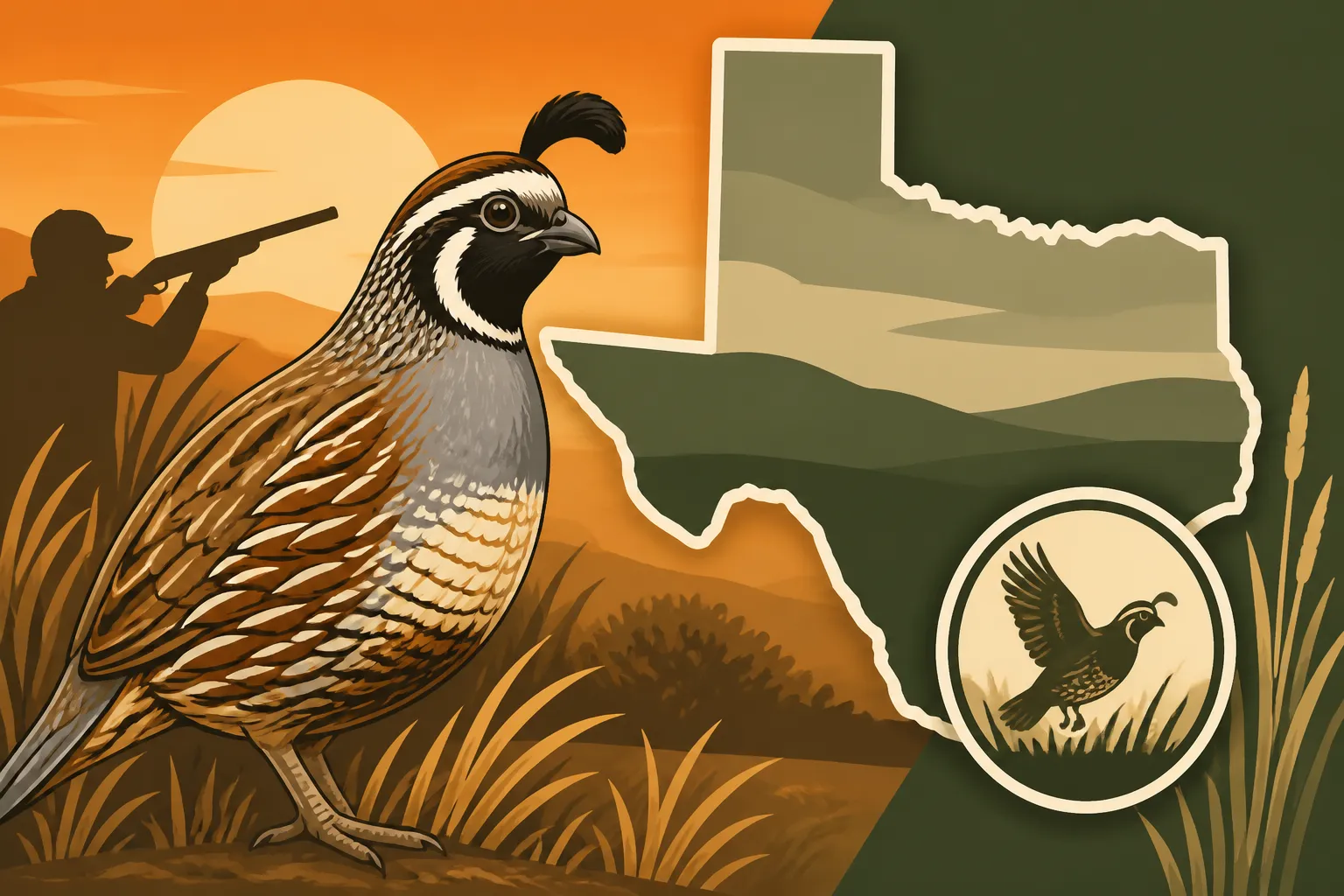
Texas Quail Season Dates & Limit
There's nothing quite like the explosive flush of a covey of quail, that heart-stopping moment when the Texas landscape erupts with wings and chirps. But for many hunters, especially those new to the scene or who haven't chased quail in a while, figuring out the exact season dates and bag limits can feel like trying to hit a fast-flying bird with a slingshot – confusing and prone to error. This guide is designed to cut through that confusion, giving you a clear, comprehensive breakdown of Texas quail season dates, bag limits, and everything else you need to know to plan a successful hunt.
Understanding Texas Quail Season Zones
Unlike deer or turkey, which have very distinct geographic zones that dictate season structures, quail in Texas generally follow a more unified statewide season. However, understanding the habitat zones is crucial because it dictates where you'll find different species and how successful your efforts might be. Texas is a vast state, and what works in the Panhandle might not apply to the South Texas brush country.
The Rolling Plains: Bobwhite Central
When most folks think of quail hunting in Texas, they're picturing the Rolling Plains ecoregion. This expansive area, stretching across the northwestern part of the state, is historically the stronghold for Bobwhite Quail. Here, the landscape of mixed grasslands, mesquite, and thorny brush provides ideal cover and food sources for these iconic birds. You'll find a higher density of classic covey rises here, often associated with ranches that actively manage for quail habitat. The terrain can be challenging, with thick cover that demands good dogs and stout legs, but the rewards are often worth the effort. Landowners and hunters in this region are often highly attuned to rainfall patterns, as these directly impact nesting success and insect populations, which are vital for chick survival.
Trans-Pecos and South Texas: Blue and Bobwhite Territory
Venturing further west into the Trans-Pecos, you'll primarily encounter Scaled Quail, often called "Blue Quail" or "cottontops." This arid, rugged country, characterized by sparse desert vegetation, arroyos, and rocky outcrops, is home to these tougher, more nomadic birds. Blue Quail tend to run more than fly, making for a different style of hunting that requires even more persistence and a keen eye. While the season dates are the same, the hunting experience is markedly different from the Bobwhite-rich Rolling Plains. In some areas, particularly where the Trans-Pecos transitions into the brush country of South Texas, you might even find a mix of Bobwhites and Blues, offering a unique opportunity to target both species on the same hunt. South Texas also holds significant Bobwhite populations, particularly in the ranches with a good mix of dense brush, open areas, and agricultural fields. This area is famous for its thick cover, which can make for challenging but incredibly rewarding hunting. For more regional insights, check out our guide on Rolling Plains Hunting: Quail & Deer.
Key Dates for Bobwhite and Blue Quail
The beautiful simplicity of Texas quail hunting is that, for the most part, the season dates for Bobwhite and Scaled (Blue) Quail are the same statewide. This means less confusion about county-specific opening and closing days, allowing you to focus more on scouting and less on deciphering a complex calendar. However, while the legal dates are consistent, the optimal hunting times can vary depending on weather, bird behavior, and regional conditions.
General Season Opening and Closing
Historically, the general quail season in Texas kicks off in late October and runs through late February. For example, recent seasons have seen an opening around the last Saturday of October, extending until the last Sunday of February. This generous timeframe provides ample opportunity to get out in the field, whether you're an early bird or prefer to hit the late-season coveys.
Let's look at the typical structure (always verify with the current Texas Parks and Wildlife Department (TPWD) Outdoor Annual for the exact 2026-2027 dates once released, as minor adjustments can occur):
| Species | Season Dates (Typical) | Daily Bag Limit | Possession Limit | Notes |
|---|---|---|---|---|
| Bobwhite Quail | Late October – Late February | 15 (aggregate) | 45 (aggregate) | Found statewide, prime in Rolling Plains & South Texas |
| Scaled (Blue) Quail | Late October – Late February | 15 (aggregate) | 45 (aggregate) | Primarily Trans-Pecos & parts of South Texas |
| Gambel's Quail | Late October – Late February | 15 (aggregate) | 45 (aggregate) | Far West Texas, extremely limited range |
It's important to understand that "aggregate" means the total number of all quail species combined. So, if you shoot 10 Bobwhites and 5 Blue Quail, you've hit your daily limit of 15. The state provides a unified season to simplify things for hunters who might be traveling between regions or encountering mixed bags.
Early, Mid, and Late Season Considerations
Even with a consistent statewide season, the timing of your hunt can significantly impact your experience.
Early Season (Late October – November): This is when enthusiasm is highest, and the birds are often less pressured. Cover can still be very thick, especially if there have been good rains, making it tough for dogs to work and hunters to walk through. Quail might hold tighter, leading to explosive flushes, but finding them in dense vegetation can be a challenge. Temperatures can also still be quite warm in many parts of Texas, meaning you'll need to stay hydrated and keep a close eye on your dogs to prevent overheating. It's a great time for fresh coveys that haven't been busted up yet.
Mid-Season (December – January): As the season progresses and colder weather sets in, cover often starts to thin out, making birds easier to find and flush. However, quail will also have been pressured more, becoming warier and running more frequently before flushing. This is often considered prime quail hunting time, as the weather is more comfortable for both hunters and dogs, and the birds are typically in larger, more established coveys. If you're on a managed lease, this is when consistent patterns can emerge, assuming the birds are still there.
Late Season (February): This final stretch of the season can be feast or famine. Birds are at their most educated, often flushing wild or running long distances. Coveys may be smaller and more scattered due to hunting pressure and natural predation. However, late-season birds can also provide some of the most exciting hunting, as they are often very strong flyers and present challenging shots. The weather can be unpredictable, from crisp, cool days to unexpected warm fronts. It's also a time when many hunters have hung up their shotguns, potentially leaving less-pressured areas available. Always be mindful of the approaching breeding season and ethical harvesting practices.
Daily Bag and Possession Limits
Understanding bag and possession limits is non-negotiable for responsible and legal hunting. In Texas, the rules for quail are designed to allow for a rewarding hunting experience while still promoting sustainable populations. It's not just about what you can shoot, but what you can legally possess in your vehicle or at your camp.
The 15/45 Aggregate Rule
For both Bobwhite and Scaled (Blue) Quail, Texas maintains a generous daily bag limit of 15 birds in the aggregate. This means the total number of all quail species you harvest in a single day cannot exceed 15. So, whether you shoot 15 Bobwhites, 15 Blue Quail, or a mix of both totaling 15, you've reached your limit for that day.
The possession limit is typically three times the daily bag limit, which for quail, stands at 45 birds in the aggregate. The possession limit applies to birds that are in your immediate possession, like in your vehicle, at your camp, or while transporting them. It doesn't mean you can go out and shoot 45 quail in one day. It means that if you're on a multi-day hunt, you can accumulate up to 45 quail over several days of successful hunting, as long as you don't exceed the daily bag limit on any single day. This distinction is crucial for hunters who might spend a long weekend on a lease or public hunting area.
Let's imagine a scenario: You hunt on Friday and harvest 15 quail. On Saturday, you harvest another 15 quail. You now have 30 quail in your cooler at camp. On Sunday, you can harvest up to 15 more, bringing your total to 45, which is your possession limit. You would then need to cease hunting quail for that trip or transport the birds to a place of permanent storage (like your home freezer) before harvesting more.
Why Limits Are Essential
Bag and possession limits aren't just arbitrary numbers; they are scientifically determined management tools put in place by wildlife biologists at TPWD. These limits help ensure that enough birds survive the hunting season to reproduce and replenish populations for the following year. Quail populations, especially Bobwhites, are highly cyclical and susceptible to environmental factors like drought, habitat loss, and predation. A severe drought year can devastate a quail population, while a year with ample rainfall can lead to a boom.
The limits help prevent overharvesting during good years and provide a buffer during lean years. By respecting these limits, hunters play a direct role in conservation and ensure that future generations can also enjoy the thrill of a covey rise. Ignoring limits not only risks legal penalties but also undermines the health of the very resource we cherish. Understanding Texas Quail Decline: Why & Where to Still Hunt can provide more context on the pressures these birds face.
Essential Regulations Beyond Dates and Limits
While knowing the season dates and bag limits is paramount, there's a whole host of other regulations that every quail hunter in Texas needs to be aware of. Overlooking even a minor rule can lead to fines, citations, or worse. The Texas Outdoor Annual is your bible, and it's essential to review it annually.
Licensing and Endorsements
Before you even step foot in a quail field, you'll need the proper licenses. For Texas residents and non-residents alike, a valid Texas Hunting License is required. The most common is the Super Combo License, which covers a wide array of hunting and fishing activities, but individual licenses are also available. Beyond the general hunting license, you absolutely need an Upland Game Bird Endorsement. This endorsement is specific to species like quail, pheasant, and chachalaca. Without it, your general hunting license isn't enough to legally pursue quail.
For those considering coming from out of state, understanding the Texas Non-Resident Hunting License Cost is important, as it differs from resident prices. Always ensure your license is current and in your possession while hunting. You can purchase licenses online through the TPWD website, at most sporting goods stores like Academy Sports + Outdoors, or at local bait and tackle shops.
Hunter Education Requirements
Texas law mandates that anyone born on or after September 2, 1971, must successfully complete a hunter education course or show proof of deferral to legally hunt in Texas. If you fall into this category and haven't completed a course, you're out of luck until you do. There are various options, including in-person classes and online courses, which can be followed by a field day. This requirement is vital for promoting safety and ethical hunting practices. For more details on the requirement, refer to Hunter Education in Texas: Do You Need It?. Youth hunters have specific guidelines and exemptions, often allowing them to hunt under the direct supervision of a licensed adult.
Public Land Hunting Permits
While a lot of quail hunting happens on private land, Texas does offer public hunting opportunities through its Public Hunting Program, managed by TPWD. To access these areas, you'll typically need an Annual Public Hunting (APH) Permit. This permit grants access to nearly 1 million acres of public land across the state, including some Wildlife Management Areas (WMAs) where quail hunting is permitted. These WMAs can be fantastic resources, but they often come with their own site-specific regulations, hunt dates, and sometimes require drawn hunt applications. Always check the specific regulations for the WMA you plan to visit, as they might have stricter limits or different hunting days than the general statewide season. Our guide on Public Hunting in Texas: WMAs & Annual Public Hunting Permit offers a deeper dive into this often-underutilized resource.
Factors Influencing Quail Populations and Season Success
Hunting success isn't just about knowing dates and limits; it's heavily reliant on the health and abundance of the quail population itself. And in Texas, those populations are incredibly sensitive to environmental conditions.
The Role of Rainfall and Habitat
Texas quail populations are famous for their boom-and-bust cycles, almost entirely driven by rainfall. Good, timely rainfall, especially in the spring and early summer, means lush vegetation, which provides essential nesting cover and insect populations. Insects are a critical food source for quail chicks in their early weeks of life, providing the protein they need to grow rapidly. Without sufficient rain, habitat becomes sparse, insect populations dwindle, and nesting success plummets. A multi-year drought, like those Texas has experienced repeatedly, can decimate quail numbers, sometimes taking several years of good rainfall to recover. Conversely, a wet spring can lead to a banner year with abundant coveys.
Habitat quality also plays an immense role. Quail thrive in a mosaic of different habitat types: dense thorny brush for escape and roosting, open grassy areas for feeding and dusting, and diverse plant life for food seeds. Monoculture farming, overgrazing, and urban sprawl all contribute to habitat fragmentation and loss, which is a major long-term challenge for quail. Land management practices, such as prescribed burning, brush control, and planting diverse native vegetation, can significantly enhance quail habitat. Even something as simple as creating small-scale food plots can help local populations. Learn more about Food Plots in Texas: What Works in the Heat.
Predation and Hunting Pressure
Predation is a constant challenge for quail. Everything from coyotes and bobcats to skunks, raccoons, and even raptors prey on quail and their nests. While predators are a natural part of the ecosystem, an imbalance can put extra pressure on already struggling quail populations. This is especially true during nesting season when nests and chicks are vulnerable.
Hunting pressure also plays a role. While ethical hunting within legal limits is generally considered sustainable, excessive pressure in a localized area can disperse coveys and make birds warier. This is particularly true on public lands or smaller private leases where many hunters might be concentrating their efforts. Understanding how to manage pressure on your hunting grounds, perhaps by rotating hunting areas or allowing coveys to rest, can lead to more consistent success throughout the season.
Planning Your Texas Quail Hunt
With the dates, limits, and ecological factors in mind, it's time to talk about practical planning. A well-prepared hunter is often a successful hunter, especially when it comes to chasing fast-flying quail across varied Texas terrain.
Scouting and Research
Even with statewide seasons, effective scouting is crucial. You can't just pick a spot on a map and expect to find birds. If hunting private land, talk to the landowner or lease manager about recent covey sightings, habitat conditions, and any changes in the area. For public lands, detailed research is even more important. Check WMA maps for habitat types, water sources, and access points. Utilize resources like TPWD's public hunting lands interactive map and area-specific brochures.
Modern technology can also assist. Apps like onX Hunt or HuntStand are invaluable for identifying property lines, terrain features, and potential cover. These tools can help you pinpoint areas that look promising, even if you can't physically scout beforehand. Consider reading up on How to Scout for Deer Before Season in Texas and adapting some of those principles to quail. Look for "edge habitat" where different types of cover meet, near water sources, and areas with known food plots or native seed production.
Essential Gear and Hunting Dogs
Quail hunting is often a physically demanding sport, requiring miles of walking. Comfort and durability in your gear are paramount.
- Footwear: Invest in comfortable, broken-in hunting boots that offer good ankle support and protection from thorns and snakebites. Given the presence of rattlesnakes and other venomous snakes in Texas, snake boots or snake gaiters are highly recommended, especially in brush country.
- Clothing: Lightweight, durable brush pants or chaps are essential to protect against thorns and briars. Layering is key, as Texas weather can change rapidly. Early season hunts might call for lighter, breathable clothing, while late season can demand insulated layers. Camouflage isn't strictly necessary for quail, but earthy tones that blend with the surroundings are always a good idea. Check out Best Early-Season Camo for Texas Heat.
- Shotgun: A 12- or 20-gauge shotgun is standard for quail, often an over/under or semi-automatic. Light loads with smaller shot sizes (like 7.5 or 8) are perfect for these small birds.
- Hunting Dogs: For many, quail hunting is dog hunting. A good bird dog – typically a pointing breed like an English Setter or German Shorthaired Pointer, or a flushing dog like a Springer Spaniel – is invaluable. They locate birds, hold points, and retrieve fallen game, turning a walk into a truly immersive hunting experience. Ensure your dog is well-trained, conditioned for the heat, and equipped with protective gear like a vest or booties if working in heavy brush.
- Hydration and Safety: Always carry plenty of water for yourself and your dogs. A first-aid kit, whistle, and compass/GPS are also crucial safety items. For a more comprehensive gear list, consider consulting our Best Hunting Gear for Beginners in Texas (By Budget) guide.
Public vs. Private Hunting Opportunities
Texas is predominantly private land, meaning most quail hunting occurs on leased properties or guided hunts. Securing a spot on a reputable hunting lease can provide consistent access to well-managed land, potentially offering better bird numbers and facilities. Day leases and guided hunts are also popular options for those without a season-long lease. These can be a great way to experience quail hunting without a long-term commitment.
However, don't overlook public land. While often more challenging due to increased pressure and varied bird numbers, WMAs can offer fantastic, affordable hunting opportunities. Applying for Texas Drawn Hunts & Public Hunt Draw 2027 can sometimes land you a spot on a prime WMA for a limited-entry hunt, which often boasts higher bird densities and less pressure. Regardless of where you hunt, always prioritize safety, respect the land, and adhere to all regulations.
Disclaimer
Please note that hunting regulations, season dates, and bag limits are subject to change. While this guide aims to provide accurate and up-to-date information based on typical Texas Parks and Wildlife Department (TPWD) regulations, it is your responsibility to consult the current year's official TPWD Outdoor Annual before engaging in any hunting activities. Always verify all rules and dates for the specific season you plan to hunt to ensure compliance.