Best Turkey Hunting Areas in Texas
Finding a prime spot to chase those elusive gobblers in Texas can feel like trying to find a needle in a haystack, especially with a state as vast and diverse as ours. It’s not just about knowing where turkeys live, but where you can actually get boots on the ground to hunt them. This guide is going to walk you through the best turkey hunting areas across Texas, focusing on both our abundant Rio Grande wild turkeys and the challenging Easterns, giving you the real lowdown on where to focus your efforts for a successful hunt.
Understanding Texas Turkey Species and Zones
Before we dive into specific locations, it’s crucial to understand that Texas is home to two primary species of wild turkey: the Rio Grande and the Eastern. They have different habits, different ranges, and, critically, different regulations. Knowing which one you're after will significantly narrow down your search.
Rio Grande Turkeys: The Texas Staple
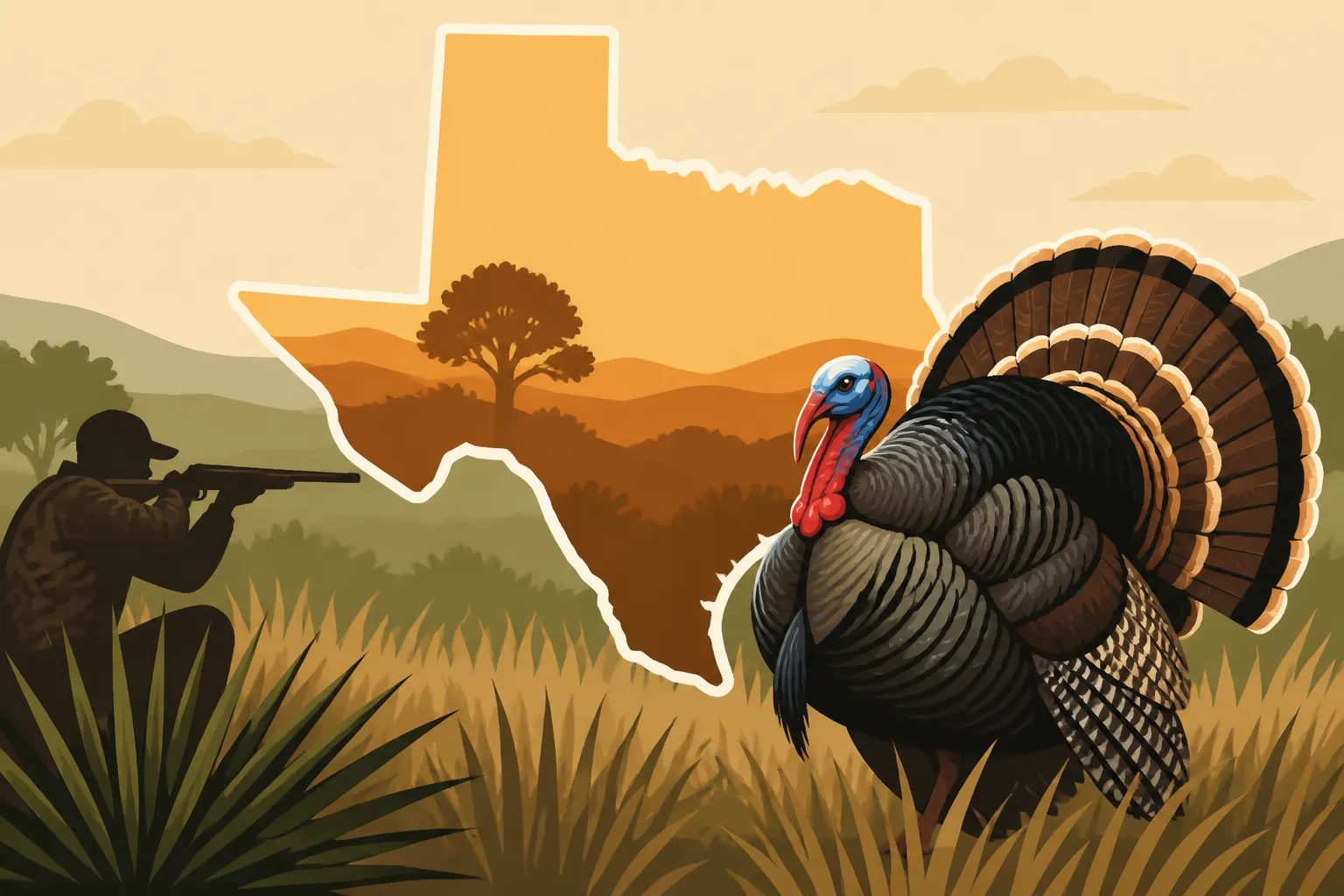
When most folks talk about turkey hunting in Texas, they're talking about Rio Grandes. These birds are our bread and butter, thriving across a massive swath of the state. They’re known for their striking bronze and copper plumage, their propensity to vocalize, and their generally more cooperative nature compared to their Eastern cousins. Their adaptability means you can find them in diverse habitats, from the rugged Hill Country to the dense South Texas brush, and even out in the Rolling Plains. They tend to congregate in areas with a mix of open country for feeding and roosting trees (often tall pecans, oaks, or cottonwoods) along riparian corridors.
Hunting Rio Grandes is a quintessential Texas experience. They respond well to calling, especially during the spring breeding season, making for exciting, interactive hunts. You might find yourself calling a gobbler across a wide-open field, or trying to pinpoint his location in a dense shinnery patch. The sheer numbers of Rio Grandes across the central and western parts of the state make them a fantastic target for beginners and seasoned hunters alike, offering plenty of action and a good chance at success.
Eastern Turkeys: A Challenge in the Pineywoods
Now, if you're looking for a serious challenge, the Eastern wild turkey is your bird. These are the less common, more reclusive gobblers found predominantly in the heavily forested Pineywoods region of East Texas. Unlike their Rio Grande counterparts, Easterns are notoriously wary, quiet, and live in much denser cover, making them significantly harder to locate and call in. Their plumage is generally darker, with more iridescent greens and reds.
The limited population and challenging habitat mean that hunting Eastern turkeys is a different beast entirely. It often involves a lot more walking, listening, and patience, with fewer gobbling responses than you'd expect from a Rio Grande hunt. Most hunters in Texas focus on Rio Grandes, but for those who truly want to test their skills against a smart, elusive bird in thick timber, the Eastern provides an incredible, albeit often frustrating, opportunity. Remember, specific regulations apply to these birds, often including a one-gobbler limit for the season. For a deeper dive into hunting these birds, check out our guide on how to hunt Eastern Turkey in East Texas (One-Gobbler).
Turkey Zones in Texas: What You Need to Know
Texas is divided into specific turkey hunting zones, primarily for Eastern turkeys, which have very limited open seasons and bag limits in East Texas. For Rio Grandes, the state is generally considered one large zone, but counties within that zone can have slight variations in season dates and bag limits. It’s absolutely critical to consult the most recent Texas Parks and Wildlife Department (TPWD) Outdoor Annual or our comprehensive guide on Texas Turkey Season 2026: Spring & Fall Zones before planning your hunt. These zones dictate when you can hunt and how many birds you can take, and overlooking these details can turn a great hunt into a legal headache. Pay close attention to county-specific regulations, especially regarding bag limits and whether an open season exists for Easterns in certain areas.
Top Regions for Rio Grande Turkey Hunting
Given their widespread distribution and popularity, let's start with the best places to find Rio Grande turkeys. These areas consistently produce high numbers of birds and offer fantastic hunting opportunities.
The Edwards Plateau (Hill Country)
When it comes to Rio Grande turkeys, the Edwards Plateau, affectionately known as the Texas Hill Country, is often considered ground zero. This region boasts some of the highest turkey populations in the state, thanks to its ideal habitat: a mix of oak-juniper woodlands, open pastures, and countless spring-fed creeks and rivers lined with mature pecan and oak trees perfect for roosting. The rolling topography and diverse vegetation provide excellent cover and food sources, allowing these birds to thrive.
Hunting in the Hill Country is a classic Texas experience. You might be set up near a feeder, working a gobbler as he struts across a cultivated field, or slipping through a creek bottom trying to cut off a bird that just flew down from the roost. Counties like Kerr, Llano, Gillespie, Mason, and Real are renowned for their abundant turkey populations and trophy gobblers. Access here is predominantly on private land, through leases or guided hunts, but the sheer number of birds makes the effort worthwhile. If you're looking to learn more about tactics for this region, our guide on how to Hunt Turkeys in the Texas Hill Country provides some excellent insights.
South Texas Brush Country
The legendary South Texas Brush Country, famous for its trophy whitetails, is also a fantastic region for Rio Grande turkeys. While the terrain is often denser and can be more challenging to navigate, the turkeys here are plentiful. The thick, thorny brush offers incredible protection, and the birds benefit from the same robust management practices and supplemental feeding programs that benefit deer. They utilize the many senderos (cleared pathways), pipelines, and cleared pastures for feeding and strutting, retreating into the dense mesquite and prickly pear for cover.
Hunting in South Texas demands a different approach. You might find yourself calling aggressively to pull a bird out of a thick mott, or setting up on a well-used travel corridor where turkeys cross from one feeding area to another. Patience and good calling skills are paramount. Key counties like Webb, Dimmit, La Salle, and Maverick are known for their strong turkey numbers. The expansive ranches in this region typically mean private land access, often through high-quality hunting leases or outfitters.
Cross Timbers and Rolling Plains
Moving northwest, the Cross Timbers and Rolling Plains regions also offer excellent Rio Grande turkey hunting. These areas provide a unique blend of savannah-like grasslands interspersed with woodlands, especially along river bottoms and creek drainages. The habitat here transitions from the denser post oak forests of the Cross Timbers to the more open, rolling terrain of the plains, both offering prime turkey territory.
In these regions, turkeys often gravitate towards the river and creek bottoms, which offer crucial roosting sites and water, while foraging in adjacent agricultural fields or native grasslands. Counties like Shackelford, Throckmorton, and Haskell in the Rolling Plains are known for robust turkey populations. The hunting can be a mix of traditional calling setups in timbered areas and spot-and-stalk tactics in more open country. Land access here is a combination of private ranches and some public hunting opportunities, though the latter often requires advanced planning through drawn hunts.
Hunting Eastern Turkeys in the Texas Pineywoods
Shifting gears entirely, let's talk about the specific challenge of hunting Eastern turkeys in their limited range.
The Elusive East Texas Gobbler
Hunting Eastern turkeys in Texas is not for the faint of heart. These birds are significantly different from Rio Grandes in temperament and habitat preference. They prefer the mature hardwood bottoms, pine plantations, and dense undergrowth characteristic of East Texas, making them incredibly difficult to pinpoint and approach. Their gobbling activity can be sporadic, and they are masters of using the thick timber to their advantage, often circling callers or simply fading away into the woods.
The lower population density of Easterns also means you'll spend more time scouting and covering ground, often with less vocal interaction. It's a game of patience, stealth, and keen woodsmanship. You'll need to listen for distant gobblers, scratchings in the leaves, or the subtle sounds of turkeys moving through dense cover. Success here feels truly earned, a testament to your persistence and skill in deciphering the subtle clues these wary birds leave behind. If you want to refine your calling, our guide on how to Call Rio Grande Turkeys in Texas offers some excellent general calling tips that can be adapted, but remember Easterns are a tougher crowd.
Public Land Opportunities for Easterns
While private land dominates much of Texas hunting, the Pineywoods does offer a few crucial public land opportunities for Eastern turkeys, primarily within our National Forests and specific Wildlife Management Areas (WMAs). These areas are invaluable for hunters without private land access, but they come with their own set of challenges, including increased hunting pressure and the need for proper permits.
- Sam Houston National Forest: Located north of Houston, this forest offers thousands of acres of accessible public land. It's a popular spot, so expect company, especially during peak season. Successful hunts here often involve getting deep into the woods, away from easy access points, and scouting diligently for turkey sign. Our detailed guide on the Sam Houston National Forest Hunting Guide can provide more specific insights.
- Davy Crockett National Forest: Further northeast, this forest also provides substantial public hunting grounds. Similar to Sam Houston, success hinges on thorough scouting and a willingness to explore less-pressured areas.
- Alabama Creek WMA, Alazan Bayou WMA, Moore Plantation WMA: These are examples of Wildlife Management Areas managed by TPWD that offer opportunities for Eastern turkey hunting, usually through either the Annual Public Hunting (APH) Permit or via the public drawn hunt system. Competition can be fierce for drawn hunts, but they often provide access to prime, managed habitat.
For public land hunting, always check the specific regulations and access requirements for each WMA or National Forest, as rules can vary greatly.
Practical Tips for Finding Turkey Hunting Spots
Regardless of whether you're chasing Rio Grandes or Easterns, finding a good spot is often the biggest hurdle. Here are some practical tips to help you secure a place to hunt.
Leveraging Private Land Access
The reality of hunting in Texas is that the vast majority of prime habitat, especially for game species like deer and turkey, is on private land. This means securing permission is often the most direct route to a successful hunt.
- Hunting Leases: Many hunters find access through annual hunting leases. These can range from rustic DIY setups to fully managed, turnkey operations. While they can be an investment, a good lease offers consistent access to quality habitat. Our comprehensive guide on Hunting Leases in Texas: Complete Guide (Cost & How to Find) can help you navigate this process.
- Day Hunts: If an annual lease isn't in your budget or you prefer to hunt different areas, many outfitters and landowners offer guided or semi-guided day hunts for turkeys. This is a great way to experience premier properties without a long-term commitment.
- Building Relationships: Don't underestimate the power of networking. Talk to landowners, farmers, and ranchers. Offer to help with chores, clear brush, or assist with nuisance animal control (like feral hogs). A polite, respectful approach can sometimes open doors to hunting opportunities that aren't advertised.
Navigating Public Hunting Lands
For those without private land options, Texas offers several avenues for public hunting, though they require more planning and often more effort.
- Annual Public Hunting (APH) Permit: For a relatively small fee, the APH permit grants access to nearly one million acres of public land across the state, including many WMAs. This permit is an incredible value and opens up numerous possibilities for hunting turkey, deer, hogs, and small game. You'll still need to research specific WMAs and their regulations, as some areas may have limited seasons or require sign-in procedures. Our guide on Public Hunting in Texas: WMAs & Annual Public Hunting Permit details how to make the most of this option.
- Texas Drawn Hunts: The TPWD Drawn Hunts program offers permits for limited-entry hunts on prime WMAs and state parks. These hunts are highly coveted and often provide access to areas with exceptional game populations that are otherwise inaccessible. While the odds can be long, they are absolutely worth applying for, especially if you're targeting a trophy gobbler or an Eastern turkey in a managed area. You can learn more about the application process in our guide on Texas Drawn Hunts & Public Hunt Draw 2027.
- Scouting and Mapping Tools: Once you have public land access, thorough scouting is paramount. Utilize mapping apps like onX Hunt to identify property lines, terrain features, and potential turkey travel corridors. These tools are invaluable for navigating large tracts of public land, finding remote areas away from pressure, and understanding the lay of the land before you even step foot in the woods. GoHunt is another excellent resource for research and scouting.
Scouting and Patterning Turkeys
No matter where you choose to hunt, pre-season scouting is non-negotiable for turkey success. Turkeys are creatures of habit, and understanding their routines will drastically increase your odds.
- Listen for Roosting Birds: In the spring, listen for gobblers flying up to roost at dusk and flying down at dawn. This helps you pinpoint their nighttime locations and plan your morning setup.
- Look for Sign: Scout for fresh tracks in sandy areas, dusting bowls (bare patches where turkeys dust themselves), strut marks (dragged wingtips in dirt), and droppings. Piles of droppings under large trees are a dead giveaway for roosting sites.
- Observe Feeding Patterns: Pay attention to what turkeys are eating. In early spring, they might be in green fields, later shifting to areas with insects or mast crops. Their food sources dictate their movements throughout the day.
- Use Trail Cameras: Strategic placement of trail cameras can help you pattern turkey movements, identify specific gobblers, and understand their daily routines. Place them near feeders, water sources, or along frequently used trails.
- Practice Your Calls: Turkeys are vocal, and your ability to mimic their sounds is crucial. Practice clucks, purrs, yelps, and cutting. Knowing when and how to use different calls, from aggressive cutting to soft clucks, can make or break a hunt.
| Region | Primary Turkey Species | Habitat Description | Typical Access Type | Key Features |
|---|---|---|---|---|
| Edwards Plateau | Rio Grande | Oak-juniper woodlands, open pastures, pecan/oak-lined riparian areas | Private leases, guided hunts | High populations, classic calling scenarios, rolling hills, abundant water sources |
| South Texas Brush Cntry | Rio Grande | Dense mesquite, prickly pear, senderos, agricultural fields | Private leases, guided hunts | Good numbers, challenging dense cover, benefit from deer management |
| Cross Timbers/Rolling P | Rio Grande | Grasslands, post oak forests, river/creek bottoms, agricultural fields | Private leases, some public (drawn) | Diverse habitat, good numbers, mix of open and timbered hunting |
| Pineywoods (East Texas) | Eastern | Mature hardwood bottoms, pine plantations, dense undergrowth | Public (APH, drawn hunts), limited private | Elusive birds, challenging hunts, lower densities, requires stealth and patience |
Texas offers a diverse and exciting turkey hunting landscape. Whether you're drawn to the abundant gobblers of the Hill Country or the ultimate challenge of an East Texas Eastern, careful planning, thorough scouting, and a solid understanding of the regulations will put you on the path to success. Don't forget your Texas Hunting License: Cost, Types & How to Buy (2026)! Happy hunting!
Disclaimer
Please remember that hunting regulations, seasons, and access can change. Always consult the official Texas Parks and Wildlife Department (TPWD) Outdoor Annual for the most current and accurate information before planning any hunt. This guide is for informational purposes only and does not replace official state regulations.