Black Gap WMA Public Hunting Details
Finding a truly wild, challenging public hunting experience in Texas can feel like searching for a needle in a haystack, especially if you're looking to escape the crowds and immerse yourself in raw wilderness. Many hunters get frustrated with overcrowded public lands or the high cost of private leases. But fear not, the rugged and remote Black Gap Wildlife Management Area (WMA) offers just such an adventure for those willing to embrace its untamed beauty and demanding landscape. This guide will walk you through everything you need to know to plan a successful hunt in this extraordinary corner of Texas.
The Untamed Majesty of Black Gap WMA
Black Gap WMA, nestled deep in the Trans-Pecos region of West Texas, is a true gem for the adventurous hunter. Covering over 100,000 acres of Chihuahuan Desert landscape, it offers a stark contrast to the familiar brush country or pine forests found elsewhere in the state. This isn't your average WMA; it’s a vast, rugged expanse where self-sufficiency isn't just a suggestion, it's a requirement.
Geographical Overview and Unique Ecosystem
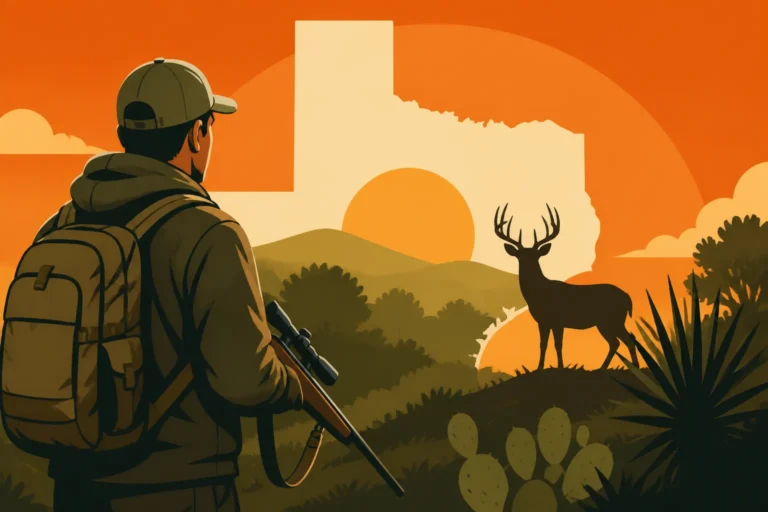
Imagine a landscape dominated by towering mountains, deep canyons, expansive flats, and winding arroyos – that's Black Gap. Its eastern boundary actually borders Big Bend National Park, giving you a sense of its incredible scale and wildness. The terrain is relentlessly rocky, often steep, and punctuated by thorny scrub brush like lechuguilla, ocotillo, and various cacti. Water sources are scarce and often hidden, making them prime locations for game animals and critical knowledge for hunters. This arid environment dictates everything from animal behavior to the gear you’ll need, demanding respect and thorough preparation. The sheer remoteness means you'll often be miles from the nearest paved road, requiring a robust vehicle and a strong sense of direction.
Primary Game Species and Hunting Opportunities
Black Gap WMA is renowned for offering some of the most challenging and rewarding hunting opportunities for specific species. While mule deer are often the coveted prize, they require a drawn hunt permit, making them highly sought after and difficult to obtain. Beyond mule deer, the WMA also provides opportunities for aoudad sheep, javelina, desert bighorn sheep (extremely limited drawn hunts), and various small game like rabbits and scaled quail. The abundance of these species can fluctuate with rainfall, but the rugged terrain ensures that even finding game, let alone successfully harvesting it, is a true accomplishment. Hunting aoudad in Texas can be incredibly demanding, as these animals thrive in the steep, rocky slopes, often requiring exceptional physical fitness and glassing skills.
Navigating the Permit and Season Maze at Black Gap
Hunting Black Gap isn't as simple as just showing up with a license. The Texas Parks and Wildlife Department (TPWD) manages hunting here through a combination of drawn hunts and the Annual Public Hunting (APH) Permit system. Understanding these pathways is crucial for any aspiring Black Gap hunter.
Understanding Drawn Hunts and the APH Permit
For highly sought-after species like mule deer, aoudad, and any occasional elk permits, you'll need to apply through the Texas Public Hunt Draw System. This is a competitive lottery, and success often comes down to persistence and a little bit of luck. The application periods are typically in the late summer and early fall, so make sure you check the TPWD website well in advance. If you're selected, you'll receive a special permit detailing your hunting dates, legal game, and any specific unit you're assigned within the WMA.
For other game, primarily javelina and small game, you'll need an Annual Public Hunting Permit, often referred to as an APH permit. This allows access to specific public hunting lands, including designated portions of Black Gap, during their respective open seasons. It’s an affordable way to access a huge amount of land, but it's important to understand what it covers and which hunts require it. Always consult the current Texas Outdoor Annual to confirm which hunts are allowed with the APH permit and which require a drawn hunt.
Key Seasons and Bag Limits
Season dates at Black Gap are usually aligned with the broader Trans-Pecos hunting zones, but it's vital to check the WMA-specific regulations each year, as they can have unique rules.
Here's a general overview of typical seasons, but always verify the current year's dates:
| Species | Permit Type | General Season Timing | Typical Bag Limit (WMA specific) |
|---|---|---|---|
| Mule Deer | Drawn Hunt | Late November – December | 1 buck per permit |
| Aoudad Sheep | Drawn Hunt | January – February | 1 aoudad per permit |
| Javelina | APH Permit | October – February | 2 per regulatory year |
| Scaled Quail | APH Permit | November – February | Varies (usually 15) |
| Rabbit | APH Permit | Year-Round | No Limit |
Please remember that these are general guidelines. The exact Texas mule deer season dates 2026, for example, will be published by TPWD, and WMA rules can be even more specific. For any public land hunt, a thorough review of the Texas Hunting Seasons: Complete Calendar by Species in the current Outdoor Annual is non-negotiable. Pay close attention to any special regulations for Black Gap, as they might differ from statewide or general Trans-Pecos rules. For mule deer, the general Texas Mule Deer Hunting Regulations 2026 will apply, but expect very specific rules on drawn hunts for things like antler restrictions and reporting.
Essential Gear and Scouting Strategies for Black Gap
Hunting Black Gap WMA is not for the faint of heart, or the unprepared. The remote and rugged nature of the terrain means that your gear choices and pre-hunt planning are paramount to both success and safety. You won't find convenience stores or quick fixes out here.
Footwear, Water, and Navigation
Let's talk about the absolute essentials. First, footwear: Forget your casual hunting boots. The terrain is brutal on feet and ankles. You'll want heavy-duty, ankle-supporting hiking boots, ideally waterproof, that are thoroughly broken in. The threat of rattlesnakes is real in this desert environment, so investing in quality snake boots for Texas hunting or durable snake gaiters is a smart move. I personally rely on my LaCrosse AlphaBurly Pro boots with snake protection, especially in areas with dense brush.
Second, water: You cannot carry too much. The Chihuahuan Desert is unforgiving. Plan for at least one gallon per person per day, and frankly, I'd bring more. Don't rely on finding natural water sources unless you've thoroughly scouted them and confirmed their reliability. Carry a water filter or purification tablets as a backup.
Third, navigation: Cell service is practically non-existent in many parts of Black Gap. A reliable GPS unit is essential. Equally important is a robust hunting app like onX Hunt, which allows you to download offline maps, mark waypoints, track your movements, and view property boundaries. This is invaluable for knowing where you are, navigating in low light, and staying within WMA boundaries. Another fantastic resource for detailed terrain analysis and hunt planning is GoHunt, which offers advanced mapping tools that can help you identify potential water sources, bedding areas, and travel corridors long before you set foot on the ground. Always carry a physical map and compass as a fail-safe, and know how to use them.
Pre-Hunt Scouting and Physical Preparation
Success in Black Gap starts long before you pack your truck. Remote scouting is critical. Spend hours studying satellite imagery and topographic maps. Look for changes in elevation, natural saddles, benches, and especially arroyos or dry creek beds that can funnel game. Identify potential water sources – even seasonal ones can be hotspots. Remember, Black Gap is huge; you need to narrow down areas of interest.
Physical preparation is equally important. This is not a flat walk in the park. You will be climbing steep, rocky slopes, traversing deep washes, and covering miles on uneven ground. Start a rigorous training regimen months in advance, focusing on hiking with a loaded pack, climbing stairs, and building endurance. If you're not in good physical shape, the challenging terrain will quickly wear you down, diminish your enjoyment, and potentially compromise your safety. Consider practicing your Spot-and-Stalk Hunting in Texas (Exotics & Mule Deer) techniques, as this is often the most effective method in such vast, open country.
Overcoming the Challenges of Black Gap's Wilderness
Black Gap WMA offers unparalleled hunting adventures precisely because it is so challenging. Acknowledging these difficulties and preparing for them will significantly increase your chances of a successful and safe trip.
Extreme Weather and Terrain
The Trans-Pecos region is known for its dramatic weather swings. Days can be scorching hot, even into the late fall, while nights can plunge to freezing temperatures. Be prepared for both. Layering your clothing is key. Sudden thunderstorms can also create dangerous flash floods in arroyos, turning dry washes into raging torrents in minutes. Always be aware of weather forecasts and your surroundings.
As for the terrain, it's not just steep and rocky; it's sharp. Your vehicle, especially tires, will take a beating. A high-clearance, 4×4 vehicle is not just recommended, it's a necessity for accessing most of the WMA's interior roads. Carry spare tires, a full-size jack, and basic repair tools. Getting stranded miles from anywhere with no cell service is a serious situation. Also, anticipate that any game you harvest will need to be packed out across this challenging landscape, so consider bringing a game cart suitable for rough terrain, or be prepared for multiple trips with a good hunting pack. Knowing How to Field Dress a Deer in Hot Weather will also be crucial, as getting your harvest cooled quickly is vital in such an arid environment.
Minimal Amenities and Self-Sufficiency
You are truly on your own in Black Gap. There are no gas stations, no stores, and very few facilities beyond basic primitive campsites. You need to bring everything you need for your entire trip – food, water, fuel, first-aid supplies, and emergency communication devices like a satellite messenger or personal locator beacon. Plan for breakdowns, injuries, or unexpected delays. Tell someone your exact itinerary and when you expect to return. This level of self-sufficiency might sound daunting, but it's also part of what makes hunting here so rewarding. It’s a true test of your skills and preparedness.
Strategies for Success in this Rugged Landscape
Hunting Black Gap requires patience, persistence, and often, a different approach than other parts of Texas. Instead of setting up over a feeder, you'll be covering ground, glassing constantly, and tracking.
- Glassing is King: With vast open spaces, high-quality binoculars and a spotting scope are your most important tools. Spend hours behind glass, systematically picking apart hillsides and canyon walls from elevated positions. You're looking for subtle movements, a flick of an ear, or an odd shape that doesn't belong.
- Hunt Slow: Don't rush. The country will eat you alive if you try to cover too much ground too quickly. Move deliberately, pausing often to glass and listen.
- Focus on Water Sources: Even if they're dry, arroyos and areas that could hold water after a rain are natural travel corridors and gathering points for game.
- Manage Expectations: This is not a high-success rate WMA. Drawn hunts for mule deer, for example, have low odds, and even if you draw, harvesting an animal is a significant challenge. Embrace the experience of being in such a wild place, and any game harvested will be the icing on the cake of an unforgettable adventure. Black Gap teaches you humility and deepens your appreciation for the wilderness. It’s about the journey, the challenge, and the raw beauty of West Texas.
Disclaimer
Hunting is an inherently dangerous activity. This guide provides general information and recommendations. Always consult the most current Texas Parks and Wildlife Department regulations, obtain all necessary licenses and permits, and prioritize safety above all else. Local conditions and rules can change rapidly.