Best Counties for Mule Deer in Texas
Finding the best counties for mule deer in Texas can feel like searching for a needle in a haystack, especially when you consider the sheer size of our great state. Unlike the widespread whitetail, Texas mule deer populations are concentrated in specific, often remote, regions, making it tough to pinpoint where to focus your efforts for a successful hunt. This guide is here to break down exactly which counties offer the most promising opportunities, whether you're chasing a trophy buck or just looking to put some venison in the freezer.
Understanding Texas Mule Deer Habitat
Texas mule deer aren't found just anywhere; they thrive in particular environments that offer the unique blend of rugged terrain, sparse vegetation, and wide-open spaces they prefer. When we talk about mule deer in Texas, we're primarily looking at two distinct geographical regions: the Trans-Pecos and the Panhandle. Each of these areas presents its own set of challenges and rewards for hunters.
The Trans-Pecos Region: Rugged Mountain Country
Ah, the Trans-Pecos! This is the land of jagged mountains, deep canyons, and vast, arid plains in West Texas. It’s a truly wild and untamed part of the state, far removed from the bustling cities. Here, mule deer roam across landscapes dominated by mountain ranges like the Davis Mountains, Guadalupe Mountains, and Glass Mountains. The terrain is often steep, rocky, and covered in sparse desert scrub, yucca, and various desert grasses. This type of habitat provides excellent cover and forage for mule deer, allowing them to blend seamlessly into their surroundings and offering a true challenge to hunters. The elevation changes and remote nature of this region mean you’ll be doing a lot of glassing and walking, making it a physically demanding but incredibly rewarding experience.
The Panhandle: Rolling Plains and Canyons
Venturing north, the Texas Panhandle offers a starkly different, yet equally productive, mule deer habitat. Instead of dramatic mountain ranges, you'll find expansive, rolling plains dissected by deep, rugged river breaks and canyons, most notably the Caprock Canyonlands. These breaks, carved by ancient rivers, provide crucial cover, water sources, and diverse vegetation, including mesquite, juniper, and various brush species, that mule deer need to thrive. The contrast between the flat agricultural fields above and the intricate, hidden drainages below creates perfect mule deer country. Hunters here often focus on finding these breaks and working the edges, using the topography to their advantage for spotting and stalking. It's a land of wide-open vistas that can quickly plunge into hidden valleys.
Habitat Characteristics for Mule Deer
Regardless of whether you're in the Trans-Pecos or the Panhandle, several key habitat characteristics are consistent in areas holding good mule deer populations. First and foremost is sufficient escape cover. Mule deer are masters of using topography to disappear, whether it's a rocky ridge, a steep canyon wall, or a dense thicket of brush. They need places to bed down that offer security from predators and harsh weather. Secondly, reliable water sources are critical, especially in these arid regions. Springs, stock tanks, and intermittent creeks become magnets for wildlife. Lastly, diverse forage is essential. While mule deer are primarily browsers, eating a variety of shrubs, forbs, and cacti, they also consume grasses, especially tender new growth. Counties that provide this trifecta of cover, water, and forage are your best bet for finding mule deer. Understanding these habitat needs is the first step in successful Mule Deer Hunting in Texas: Panhandle & Trans-Pecos.
Top Counties for Trophy Mule Deer
Now that we know where mule deer generally live, let's zero in on the specific counties renowned for producing quality bucks. Keep in mind that "best" can mean different things to different hunters – some are after sheer numbers, while others are strictly looking for that once-in-a-lifetime trophy. However, certain counties consistently rank high for both population density and trophy potential.
Trans-Pecos Hotspots
When it comes to the Trans-Pecos, several counties stand out as traditional mule deer powerhouses.
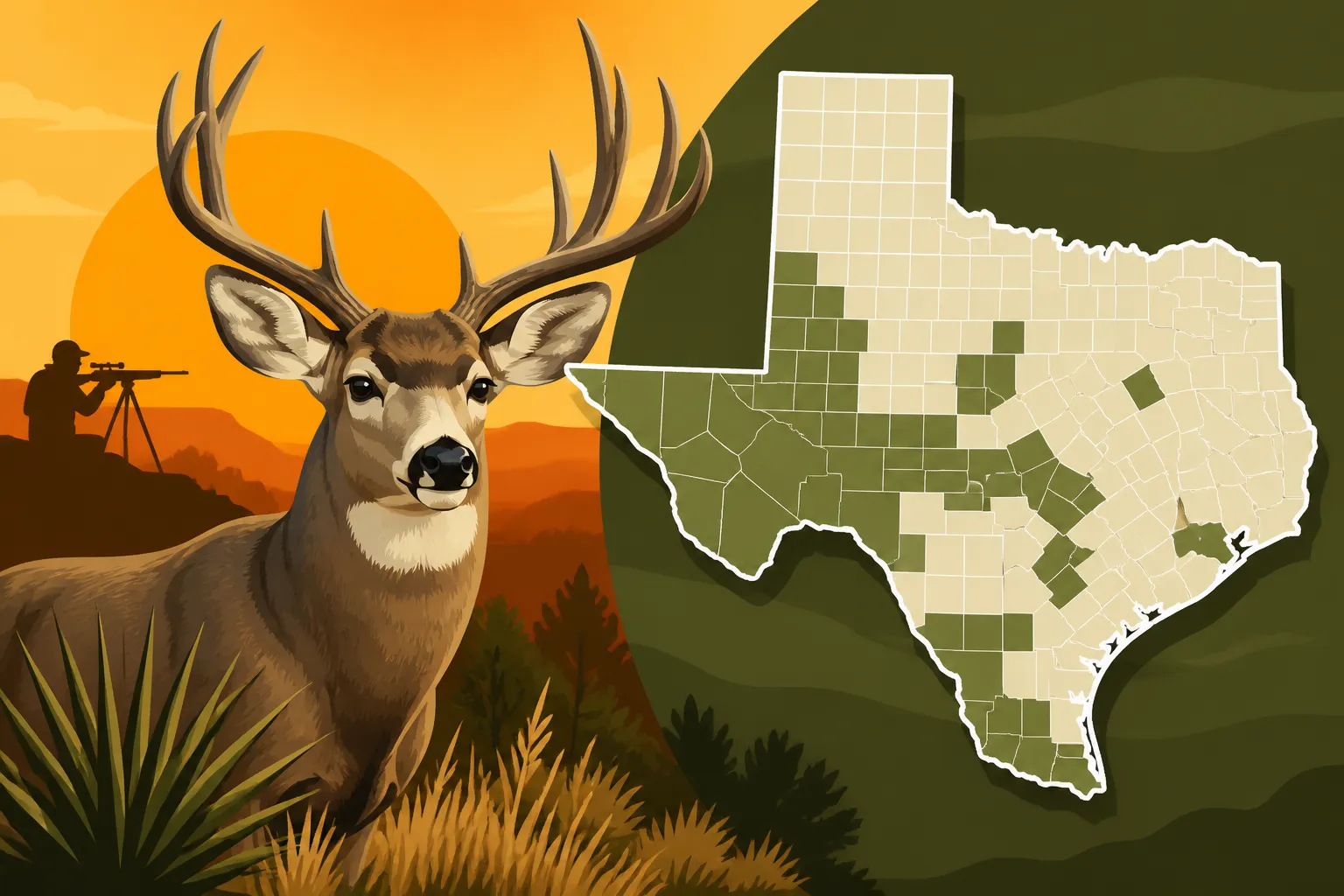
- Hudspeth County: Often cited as one of the premier mule deer counties in Texas, Hudspeth is located squarely in the Trans-Pecos. Its expansive, rugged terrain, including parts of the Sierra Blanca and Quitman Mountains, provides ideal habitat. Hunters here can expect challenging hunts over vast landscapes, but the rewards can be substantial. The sheer wildness of Hudspeth means mule deer have plenty of room to grow old and develop impressive racks.
- Culberson County: East of Hudspeth, Culberson County is home to the majestic Guadalupe Mountains National Park, though hunting is generally restricted within the park itself. However, the surrounding private lands and parts of the National Forest outside the park offer fantastic opportunities. The mountainous terrain here is truly breathtaking and holds a healthy population of mule deer. Like Hudspeth, success often comes down to intense scouting and physical endurance.
- Jeff Davis County: Nestled around the Davis Mountains, Jeff Davis County is another top-tier destination. The Davis Mountains are an "sky island" ecosystem, receiving more rainfall and boasting unique flora and fauna compared to the lower desert. This creates a slightly different, often more vegetated, habitat for mule deer, which thrive on the mountain slopes and canyons. Many high-quality private ranches offer exceptional hunting experiences in this area.
- Presidio County: Bordering Mexico, Presidio County also offers excellent mule deer hunting, particularly in the Chinati Mountains and other isolated ranges. This county is vast and remote, perfect for those seeking a true wilderness experience.
These counties represent the heart of Texas mule deer country in the Trans-Pecos, offering a blend of private ranch opportunities and limited public access through the Texas Drawn Hunts & Public Hunt Draw 2027 system, which often includes coveted spots on places like Black Gap WMA: Trans-Pecos Mule Deer.
Panhandle Gems
Don't overlook the Panhandle! While different in character, this region can also produce some incredible mule deer, especially if you understand how to hunt its unique canyon systems.
- Dallam County: Up in the very top northwest corner of the Panhandle, Dallam County is known for its excellent mule deer. The county features rolling grasslands cut by numerous playas and draws, with portions of the Rita Blanca National Grassland offering public hunting access. The deer here benefit from both the natural forage and proximity to agricultural fields.
- Hartley County: Adjacent to Dallam, Hartley County shares similar characteristics and also boasts strong mule deer numbers. The combination of native rangeland and limited agricultural influence along the Canadian River breaks makes for prime mule deer habitat.
- Oldham County: Further south in the Panhandle, Oldham County provides access to some of the sprawling Canadian River breaks, which are critical mule deer havens. This area can be rugged and challenging, but the deer thrive in the broken country.
- Briscoe County & Childress County: These counties along the Caprock Escarpment feature stunning canyon systems, offering excellent mule deer opportunities. The dramatic elevation changes and dense juniper thickets provide perfect cover.
When planning for these areas, remember that access is often key. While some public lands exist, many prime areas are on private ranches. Understanding the Texas Mule Deer Season Dates 2026 for these zones is crucial before you start planning your trip.
Key Factors for County Selection
Choosing the "best" county really depends on your hunting style and budget. Here's a table to help you weigh your options:
| Factor | Trans-Pecos Counties (e.g., Hudspeth, Culberson) | Panhandle Counties (e.g., Dallam, Hartley) |
|---|---|---|
| Terrain | Very rugged, mountainous, rocky, high elevation changes | Rolling plains, deep river breaks, canyons, often bordered by agriculture |
| Hunting Style | Spot-and-stalk, requires extensive glassing and physical stamina | Spot-and-stalk along breaks, stand hunting near water/food sources, some drives |
| Trophy Potential | Excellent for mature, wide-racked bucks; can grow very large | Very good; bucks can be large-bodied, good antler mass |
| Access | Mostly private land; some limited public via drawn hunts (e.g., Black Gap WMA) | Mix of private and public (e.g., National Grasslands, some WMAs) |
| Cost | Typically higher for private land leases/outfitter hunts | Can be more affordable for private leases; public land is permit-based |
| Scouting | Challenging due to vastness and remoteness; requires good optics | Easier to identify key areas (breaks); good mapping tools are essential |
Ultimately, for both regions, private land offers the most consistent opportunity for mule deer. If you're looking for a Hunting Leases in Texas: Complete Guide (Cost & How to Find), you'll find that mule deer leases are often harder to come by and command a premium, but day hunts with outfitters are also an option.
Navigating the Challenges of Mule Deer Hunting in Texas
Hunting mule deer in Texas is not like chasing whitetails in the brush country. It presents unique challenges, primarily around access and the sheer scale of the landscape. However, with the right approach and tools, you can absolutely have a successful and memorable hunt.
Public Land Access and Drawn Hunts
Texas is largely private land, which means public land for hunting is a precious commodity. For mule deer, this is especially true. The primary avenue for public land mule deer hunting in Texas is through the Texas Parks and Wildlife Department's (TPWD) Drawn Hunts program. These hunts occur on various Wildlife Management Areas (WMAs), state parks, and even private ranches that enroll in the public hunting program.
Applying for a drawn hunt requires diligence and a bit of luck. You’ll need to apply well in advance, often in the spring and summer for fall hunts. The odds for mule deer hunts can be steep, especially for prime locations, but they offer an incredible, often low-cost, opportunity to hunt prime habitat. Locations like the Black Gap WMA in Brewster County are legendary for offering rugged, true wilderness mule deer hunting experiences, though drawing a tag there is exceptionally difficult. Other WMAs might occasionally offer mule deer opportunities, but they are fewer and farther between than for other species.
If you are committed to public land hunting, research the Public Hunting in Texas: WMAs & Annual Public Hunting Permit and keep a close eye on the TPWD drawn hunt application periods. It's a game of persistence, but the reward of drawing a permit to a beautiful, wild piece of Texas mule deer country is worth the effort.
Private Land Leases and Day Hunts
For most hunters targeting Texas mule deer, private land is the most viable option. This typically comes in two forms: securing a long-term hunting lease or booking a guided day hunt or multi-day package with an outfitter.
Long-term leases for mule deer are highly sought after and can be quite expensive, reflecting the limited nature of the resource. These leases often provide hunters with exclusive access to large tracts of land, allowing for extensive scouting and a more personal hunting experience. If you go this route, be prepared for a significant financial commitment and understand that finding available leases, particularly in prime Trans-Pecos counties, can be tough. It requires networking and often being on a waiting list for years.
Booking a guided hunt with an outfitter is often the most straightforward way to hunt mule deer in Texas. Many reputable outfitters operate in the top mule deer counties, providing access to prime private land, experienced guides, and often lodging and meals. While more expensive upfront than a public land permit, these hunts often offer a much higher success rate and a more comfortable experience. When researching outfitters, ask for references, inquire about their success rates, and clarify what is included in the package. Many excellent outfitters specialize in Panhandle & Trans-Pecos Hunting in Texas.
Essential Scouting and Planning Tools
Regardless of whether you’re on public or private land, thorough scouting and planning are paramount for mule deer success. These deer are often widely dispersed, and their habitat can be immense. Modern technology has become an indispensable part of this process.
Tools like onX Hunt are game-changers for mule deer hunters. This app allows you to overlay property lines, public land boundaries, and topographical maps right on your phone or tablet. You can mark waypoints for water sources, potential bedding areas, and glassing points. Understanding property boundaries is critical, especially when hunting near the edges of public land or adjacent to multiple private landowners. For the vast, unfeatured expanses of mule deer country, onX Hunt can help you visualize the terrain, identify subtle draws and ridges, and plan your approach routes, which is essential for How to Scout for Deer Before Season in Texas.
Another excellent resource is GoHunt. While it focuses more broadly on western states, it provides invaluable insights into drawn hunt odds, harvest statistics, and unit breakdowns for various species, including mule deer. For those considering Texas drawn hunts, GoHunt can offer data-driven perspectives on which hunts to apply for and what your realistic chances might be. It often includes detailed articles and forums that can shed light on specific regions and tactics, helping you make informed decisions when planning your hunt. Using these tools significantly increases your efficiency and safety in remote mule deer habitat.
Best Practices for Success in Mule Deer Country
Once you've zeroed in on your chosen county and secured access, the real work begins. Mule deer hunting in Texas demands a specific set of skills and preparation, far different from sitting in a stand over a feeder in East Texas.
Gear Up for Rugged Terrain
The terrain in prime Texas mule deer country, whether it’s the rocky mountains of the Trans-Pecos or the steep canyons of the Panhandle, is unforgiving. Your gear needs to be up to the task.
- Optics are King: This cannot be stressed enough. High-quality binoculars (10×42 or 12×50 are common choices) are essential for hours of glassing. A good spotting scope with a tripod is also invaluable, especially in the Trans-Pecos, for evaluating distant deer. A rangefinder is non-negotiable for ethical shot placement in wide-open spaces. You'll be using these tools constantly to locate deer across vast distances. Check out guides on Best Hunting Optics for Texas: Scopes, Binos & Rangefinders for detailed recommendations.
- Boots and Clothing: Comfortable, durable hiking boots with good ankle support are crucial. You’ll be covering miles over uneven ground. Layered clothing is also important, as temperatures can fluctuate wildly, from cold mornings to warm afternoons. Early season hunts might call for lighter, breathable camo, while late season could require warmer layers. Snake boots or gaiters are also a wise consideration in many areas.
- Backpack: A comfortable day pack capable of carrying water, snacks, extra layers, first-aid, and emergency gear is a must. If you’re planning to do multi-day spike camps, a larger frame pack will be necessary to pack in supplies and pack out meat.
- Rifle and Ammunition: A flat-shooting rifle caliber capable of ethical long-range shots is often preferred, as shots can be extended in open country. Familiarize yourself with your rifle and practice shooting from various field positions, including prone and with trekking poles for support.
Effective Hunting Strategies
Mule deer hunting in Texas is predominantly a Spot-and-Stalk Hunting in Texas (Exotics & Mule Deer) game. Patience and keen observation are your best friends.
- Glassing: Spend a lot of time behind your binoculars and spotting scope, meticulously picking apart distant hillsides, canyon rims, and brush lines. Mule deer are incredibly camouflaged, and often only a flicker of an ear or the glint of an antler will give them away. Early mornings and late evenings are prime times, but mule deer can be active throughout the day, especially in cooler weather or during the rut.
- Stalking: Once you spot a deer you want to pursue, the stalk becomes the most critical phase. This requires careful planning of your approach, using terrain features, prevailing winds, and available cover to get within shooting range undetected. It can take hours to close the distance on a wary mule deer. Being comfortable with How to Hunt Mule Deer in Texas (Step by Step) will make a big difference.
- Understanding Mule Deer Behavior: Mule deer often travel in small herds or bachelor groups of bucks. They are often less skittish than whitetails in some respects, but incredibly adept at using their environment for concealment. During the rut, typically in late November through December, bucks become more active and less cautious, making them slightly easier to locate.
Post-Hunt Logistics
Successfully harvesting a mule deer in Texas is a fantastic achievement, but the work doesn't end there. Given the remote and rugged nature of the habitat, field dressing and meat care are especially important.
- Field Dressing: You'll likely be a long way from a vehicle or camp, so knowing Field Dressing & Processing Game in Texas Heat is essential. Get the deer gutted as quickly as possible to begin the cooling process. If you're alone, dragging a mule deer out of a deep canyon or up a steep mountain can be an enormous task. Consider packing game bags and a game cart, or even quartering the animal for easier transport.
- Cooling and Transport: Even in late season, Texas can have warm spells. If you're not planning to take it to a processor immediately, proper cooling is vital. Ice chests, preferably high-quality coolers like a Yeti or Orca, are needed to get the meat cooled down. Plan your extraction route carefully, considering terrain and vehicle access. Some remote areas might require multiple trips or even packing out meat on horseback if you’re with an outfitter. Always be aware of Texas Mule Deer Hunting Regulations 2026 regarding carcass transport, especially if crossing CWD zones.
Hunting mule deer in Texas is a truly unforgettable experience, demanding respect for the land and the animals. By understanding the prime counties, preparing for the unique challenges, and employing effective strategies, you can significantly increase your chances of success and enjoy the wild beauty of the Texas frontier.
Disclaimer
Hunting regulations and season dates in Texas are subject to change by the Texas Parks and Wildlife Department. Always consult the most current Texas Outdoor Annual or the TPWD website before planning any hunting trip to ensure compliance with all applicable laws and regulations. This guide is for informational purposes only and does not replace official hunting regulations.