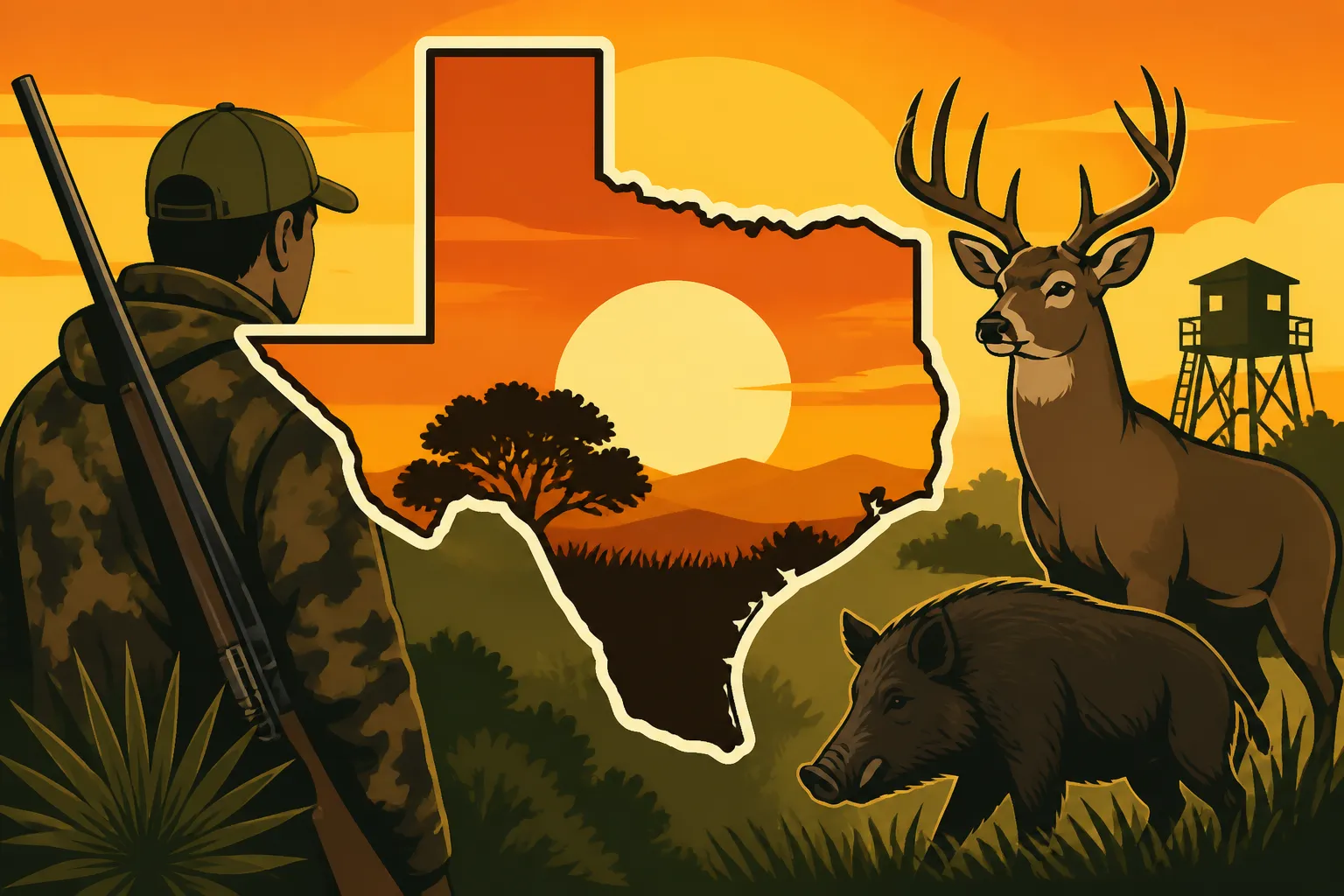
Real County Hunting (Leases & Outfitters)
Trying to navigate the hunting opportunities in a specific Texas county can feel like trying to find a needle in a haystack, especially when you're looking for concrete details on leases and outfitters. It's frustrating when generic information just doesn't cut it. This guide is here to cut through the noise, offering a comprehensive look at what you can expect when planning a hunt in Real County, from understanding the terrain and game to finding the perfect lease or outfitter.
Understanding Real County's Unique Hunting Landscape
Real County, nestled deep within the heart of the Texas Hill Country, offers a truly distinctive hunting experience. It's not just about the game animals; it's about the rugged beauty of the landscape and the challenges it presents to hunters. If you've ever driven through this part of Texas, you know it's a world apart from the flat plains or dense pine forests.
Terrain and Habitat
The defining feature of Real County is its dramatic topography, a classic example of the Edwards Plateau. We're talking about rolling hills, steep canyons, and deep draws carved out by spring-fed rivers like the Frio and Nueces. These waterways, along with countless smaller creeks and seeps, provide crucial water sources that draw wildlife from miles around, particularly during the hot, dry Texas summers.
The vegetation is a mix of dense cedar brakes, live oaks, shin oaks, and various brush species that offer incredible cover for deer and other game. Navigating this terrain requires good boots, a keen eye, and often a decent amount of physical effort. It's not uncommon to find yourself climbing rocky slopes or pushing through thickets of prickly pear and shinnery, which is why rugged gear and preparation are key. This dense cover also means visibility can be limited, making stalking a challenge but creating prime ambush points near water or food sources.
Primary Game Species
When you mention Real County hunting, most folks immediately think of white-tailed deer. This region is renowned for its healthy deer population, and while it might not consistently produce the colossal bucks seen in South Texas, the Hill Country whitetails are tough, wily, and provide an excellent challenge. Hunters here often aim for mature bucks that adhere to the regional antler restrictions, like the 13-inch rule, which aims to improve herd quality. You'll find a good mix of management opportunities and chances for solid trophy animals.
Beyond the beloved whitetail, Real County is a hotspot for exotic species. Free-range Axis deer are a huge draw, offering year-round hunting opportunities and some of the finest wild game meat you can imagine. It’s a completely different challenge to hunt them compared to whitetails, given their alert nature and tendency to group up. You'll also encounter aoudad sheep, which are becoming increasingly popular for their challenging mountain-goat-like hunts, along with Fallow deer and Sika deer on many properties, both high-fenced and low-fenced.
And let's not forget about the other fantastic opportunities. Rio Grande turkey populations thrive along the river bottoms and oak-filled canyons, providing exciting spring and fall seasons. Feral hogs are ubiquitous, offering continuous hunting action and a chance to do some good for the local ecosystem. While not as heavily targeted, you might also find opportunities for dove and even some quail, though quail numbers can fluctuate with rainfall.
Navigating Hunting Leases in Real County
For most hunters, securing a lease is the quintessential Texas hunting experience. It's about having your own piece of land, even if temporarily, to manage and enjoy. Real County offers a broad spectrum of leasing options, each with its own advantages and disadvantages.
Types of Leases Available
You'll find everything from day hunts to year-round leases in Real County. Day hunts are perfect for hunters with limited time or those looking for a specific exotic animal or a quick hog hunt. They typically include a guided experience and are a great way to sample the area without a long-term commitment. Think of them as a hunting "test drive."
Weekend or short-term leases, often a few days or a week, are popular for smaller groups or families who want a bit more independence than a day hunt offers, but aren't ready for a full season. These might include access to a blind and feeder, but you're largely responsible for your own logistics.
Seasonal leases, usually for the duration of deer season, are a common choice. This gives you a dedicated spot for the fall and winter months. The most comprehensive, and often most sought-after, are year-round leases. These give you continuous access, allowing for pre-season scouting, year-round management of feeders, and hunting for various species throughout the calendar, including chasing Axis deer or controlling feral hog populations whenever you please. This continuous presence can significantly improve your chances of patterning local game and harvesting specific animals.
What to Expect in Terms of Cost and Amenities
The cost of a hunting lease in Real County, much like anywhere in Texas, can vary wildly. It depends on several factors: the size of the acreage, the quality and quantity of game, whether it's high-fenced or low-fenced, and the amenities provided. A basic year-round lease might cost anywhere from $1,500 to $5,000 per gun, sometimes more for prime trophy properties. Day hunts are typically priced per animal or as a flat daily fee, ranging from a few hundred dollars for a hog to several thousand for a trophy exotic.
Amenities can make a big difference. Some leases are "bare bones"—just land access, and you provide everything else. Others are turnkey, offering comfortable lodging, existing deer blinds and feeders, cleaning stations, and sometimes even game cameras set up. When considering a lease, always ask exactly what's included. Do they have running water? Electricity? A place to cool your deer after the harvest? These details are critical, especially when considering the Texas heat and the need for proper game processing.
Finding Reputable Leases
Finding a good lease often feels like a treasure hunt. Many of the best leases are passed down through word-of-mouth or stay within the same groups for years. However, there are still plenty of ways to find quality opportunities. Online platforms like TexasHuntingForum.com, LeaseHunter.com, and local real estate listings often feature available leases. Don't underestimate the power of simply driving around Real County and looking for "Hunting Lease Available" signs. Small-town feed stores and general stores are also excellent places to inquire, as local landowners often post notices there.
Once you find a potential lease, thoroughly vet it. Ask for references, visit the property, and try to get a sense of the landowner's expectations and management philosophy. This is where modern tools can be invaluable. Using an app like onX Hunt allows you to scout the property from afar, understand boundaries, terrain features, and even identify potential pinch points or water sources. It's a game-changer for evaluating a lease before you commit, letting you see aerial views and property lines to avoid any surprises. You can also use it to mark potential blind locations or game trails during your initial visits. For more general advice, you might find our guide on Hunting Leases in Texas: Complete Guide (Cost & How to Find) helpful.
Engaging Hunting Outfitters in Real County
If the thought of managing a lease, setting up feeders, and endless scouting feels a bit overwhelming, or if you're chasing a specific trophy animal, then a hunting outfitter in Real County might be the perfect solution. Outfitters provide a more structured, often guided, experience that can take a lot of the logistical burden off your shoulders.
When to Choose an Outfitter
Choosing an outfitter is ideal for several scenarios. If you're new to hunting in Texas or the Hill Country specifically, an outfitter provides invaluable local knowledge and expertise. They know the land, the game movements, and the best tactics for success. First-time hunters, or those introducing kids to the sport, can greatly benefit from a guided experience that focuses on teaching and safety.
Outfitters are also excellent for hunters with limited time. Instead of spending weeks scouting, you can arrive, hunt for a few days, and leave with meat in the cooler and a story to tell. If you have a specific trophy goal, such as a mature Axis buck or a record-book Aoudad, a reputable outfitter often has access to prime properties and a track record of putting hunters on big game. They handle all the details, from lodging and meals to guiding and game recovery, making it a truly turnkey experience. For a deeper dive into short-term options, check out Day Hunts in Texas: What They Cost.
What an Outfitter Package Typically Includes
An outfitter package is designed to be comprehensive. Most include comfortable lodging, which could range from rustic cabins to full-service ranches with amenities. Meals are often provided, sometimes gourmet, sometimes home-style cooking, but always satisfying after a long day afield. The core of the package, of course, is the guided hunt itself. This means an experienced guide will accompany you, help with scouting, call in game, and assist with shot placement and game recovery.
Beyond the hunt, packages typically include field dressing of your animal and often transport to a local processor. Some outfitters even offer caping services for taxidermy. Transportation on the ranch, use of blinds and feeders, and sometimes even basic gear like binoculars are part of the deal. When comparing outfitters, always get a detailed list of what is included versus what might be an extra charge, such as alcoholic beverages, gratuities for guides, or processing fees.
Vetting and Selecting the Right Outfitter
Just like with leases, due diligence is crucial when selecting an outfitter. Start by searching online reviews and testimonials. Websites like GoHunt and various hunting forums can be great resources for reading about other hunters' experiences. Look for outfitters specializing in the species you're targeting; someone excellent with whitetails might not be the best for Aoudad sheep.
Once you have a few potentials, contact them directly. Ask for references—and actually call them. Inquire about their success rates, ethical hunting practices, and what happens if you don't harvest an animal (some offer "no harvest, no pay" policies, others do not). Understand their pricing structure completely, including any hidden fees. A good outfitter will be transparent and happy to answer all your questions, providing a clear picture of what your hunt will entail. They are selling an experience, and you want to ensure it aligns with your expectations.
Essential Hunting Considerations for Real County
Hunting in Real County, while incredibly rewarding, comes with its own set of challenges and important considerations that every hunter should be aware of. Being prepared can make all the difference between a frustrating trip and a successful, enjoyable one.
Weather and Gear
The Texas Hill Country weather can be notoriously unpredictable, especially during the fall and winter hunting seasons. While you might experience cool, crisp mornings perfect for hunting, temperatures can swing dramatically, often rising significantly by midday. Early season hunts, especially for dove or early archery deer, can be downright sweltering. It's not uncommon to experience 30-degree mornings followed by 70-degree afternoons in the same week.
This variability means layering your clothing is critical. Breathable, moisture-wicking base layers are a must, along with insulating mid-layers and a waterproof outer shell for unexpected rain showers. Given the rocky, rugged terrain and the prevalence of snakes (especially rattlesnakes), high-quality snake boots are not just recommended, they're essential. They provide protection and support for navigating the rough ground. Don't forget a good backpack with plenty of water, snacks, a first-aid kit, and communication devices. Consider the nuances of preparing game for processing in warm temperatures; our guide on How to Field Dress a Deer in Hot Weather might be a lifesaver.
Regulations and Local Customs
Texas hunting regulations are fairly consistent statewide, but it's crucial to understand the specifics for Real County. This includes white-tailed deer bag limits, season dates, and the ever-important antler restrictions. Real County generally falls under the Edwards Plateau regulations for white-tailed deer, which often includes specific rules regarding antler measurements (like the 13-inch rule) aimed at promoting older age class bucks. Always consult the current Texas Parks and Wildlife Department (TPWD) Outdoor Annual before your hunt. You can also refer to our detailed guide on Texas Antler Restrictions: 13-Inch Rule & Counties.
Additionally, be aware of Chronic Wasting Disease (CWD) regulations. While Real County itself may not be in a CWD zone, nearby counties might be, which can affect carcass movement rules. Always check the latest CWD updates from TPWD. Beyond official regulations, respect local customs and landowner rules. This includes things like driving only on designated trails, closing gates, proper trash disposal, and being mindful of other hunters or neighboring properties. Building a good relationship with landowners or lease managers goes a long way.
Public vs. Private Land Access
It's a common misconception that Texas offers abundant public land hunting opportunities. In reality, over 95% of land in Texas is privately owned. While there are some public hunting opportunities, primarily through the Annual Public Hunting Permit and the Public Hunt Drawing System, they are quite limited in Real County and the surrounding Hill Country.
For the most part, hunting in Real County means hunting on private land, whether through a lease or an outfitter. This is why understanding the process of securing private land access is so crucial. Even if you're using a mapping app like onX Hunt, which can show property boundaries and land ownership, always ensure you have explicit, written permission to hunt any private land. Trespassing is a serious offense in Texas, and it's simply not worth the risk. The vastness of private land is why Texas has such a thriving lease and outfitter industry, providing access to incredible hunting for those willing to invest.
Lease vs. Outfitter: Real County Hunting Options
Deciding between a lease and an outfitter hunt can be tough. Here’s a quick comparison to help you weigh your options for hunting in Real County:
| Feature | Hunting Lease | Hunting Outfitter |
|---|---|---|
| Commitment | Longer-term (seasonal/annual), more personal setup | Short-term (day/weekend), less personal setup |
| Cost Structure | Per gun or per acre, often upfront | Per animal or per daily package, typically all-inclusive |
| Responsibility | High (scouting, blinds, feeders, game care, logistics) | Low (guide handles most details) |
| Flexibility | High (hunt when you want, within season) | Limited to booking dates and guide schedule |
| Expertise | Requires hunter's own knowledge & scouting (or group) | Provided by experienced, local guide |
| Trophy Potential | Good, if well-managed and scouted | Often higher, with access to prime, managed land |
| Ideal For | Experienced hunters, groups, those wanting more control | Beginners, time-crunched hunters, specific trophy goals |
Disclaimer
The information provided in this guide is for general informational purposes only and does not constitute legal advice. Hunting regulations in Texas are subject to change, and it is the hunter's responsibility to consult the most current Texas Parks and Wildlife Department (TPWD) Outdoor Annual and local ordinances before engaging in any hunting activities. Always ensure you have the appropriate licenses, tags, and permissions.