Red Stag Hunting in Texas: Cost & Where
Planning a hunt for an animal that feels truly majestic, something beyond our familiar Texas whitetail, can be a real adventure. Maybe you've seen photos of those incredible antlers and heard tales of their powerful bugle, and now you're wondering how to make a Red Stag hunt a reality right here in the Lone Star State. It can feel a bit daunting trying to figure out the logistics, from understanding the costs involved to knowing where to even begin looking for a reputable outfitter. This comprehensive guide will cut through the confusion, detailing everything you need to know about Red Stag hunting in Texas, including typical costs, prime locations, and essential preparation tips.
The Allure of Red Stag Hunting in Texas
For many hunters, the idea of pursuing a Red Stag conjures images of ancient European forests or distant New Zealand plains. Yet, Texas, with its vast ranches and diverse wildlife programs, has become a surprisingly popular destination for hunting these magnificent animals. It offers a unique opportunity to experience an exotic hunt without the complexities and extreme costs of international travel.
Why Texas for Red Stag?
Texas has long been a haven for exotic game, primarily due to its expansive private lands and a favorable climate that can accommodate a wide array of species. Red Stag, initially imported for private collections and breeding, have thrived in various regions of the state. This has created a robust industry for those looking to add a truly impressive trophy to their collection. The convenience of hunting Red Stag here means you can often drive to your destination, avoid complicated import/export permits for your rifle, and benefit from the expertise of local outfitters who understand these animals and the Texas landscape. It's a fantastic blend of exotic adventure and accessible domestic hunting. For those interested in other species, exploring a guide on Exotic Hunting in Texas: Axis, Aoudad, Blackbuck & More can reveal the sheer variety available.
What Makes Red Stag Unique?
Red Stags are truly remarkable animals, belonging to the same deer family as our native whitetail and mule deer, but possessing distinct characteristics that set them apart. They are significantly larger than even the biggest Texas whitetail, with mature stags often weighing between 350 to 500 pounds, and sometimes even more. Their most defining feature, of course, is their impressive rack of antlers. A mature stag's antlers are typically large, heavily tined, and often feature a "crown" at the top—a cluster of points that gives them a regal appearance.
Beyond their physical size and antlers, their behavior during the rut is legendary. The "roar" or "bugle" of a rutting Red Stag is an unforgettable sound, a deep, guttural cry that echoes across the landscape as stags challenge each other for dominance and attract hinds (females). This auditory spectacle adds an incredible layer of excitement and challenge to the hunt, making it a truly immersive experience, especially if you hunt during their peak breeding season. This is a stark contrast to the subtle grunts and rattles you might use for whitetail during When to Rattle for Bucks in South Texas.
Understanding Red Stag Hunting Costs in Texas
One of the first questions most hunters have when considering an exotic species like Red Stag is, "How much is this going to set me back?" The cost of a Red Stag hunt in Texas can vary quite a bit, much like any big game hunt, depending on several key factors. It's not a one-size-fits-all price tag, so understanding the different components will help you budget and choose the right hunt for you.
Factors Influencing Price
The price of a Red Stag hunt primarily revolves around the trophy quality, the services included in the package, and the overall duration of the hunt.
- Trophy Size and Score: This is often the biggest driver of cost. Hunters looking for a truly enormous, high-scoring stag with a perfect crown will pay significantly more than someone content with a respectable, mature stag that might be a step down in antler mass or number of points. Many outfitters categorize their hunts based on SCI (Safari Club International) or typical gross score ranges.
- Guided vs. Semi-Guided: A fully guided hunt means a professional guide is with you every step of the way, helping you spot, stalk, and make the shot. This premium service naturally costs more. A semi-guided hunt might involve the outfitter pointing you to general areas, providing transportation to and from blinds, but leaving more of the active hunting to you.
- Amenities and Accommodations: High-end lodges with gourmet meals, private rooms, and luxurious amenities will command a higher price than a more rustic camp setup. Consider what level of comfort is important to you.
- Duration of the Hunt: Most Red Stag hunts are structured as 2-day or 3-day packages, but longer hunts are available. More days typically mean more cost, but also more opportunities to find the right animal and enjoy the overall experience.
- Included vs. Excluded Services: Some packages are "all-inclusive," covering lodging, meals, guide fees, field dressing, and even caping. Others might list a base price and then add fees for things like non-hunting guests, specific trophy care, or transportation from a nearby airport. Always clarify what's covered.
Typical Price Ranges
Based on current market rates and the factors mentioned above, you can expect Red Stag hunting in Texas to fall into these general price brackets:
- Management/Cull Stags: For younger stags, or older stags that are past their prime but still offer a great hunting experience and plenty of meat, you might find hunts ranging from $2,500 to $5,000. These are excellent options for first-time exotic hunters or those prioritizing meat over a massive trophy.
- Mid-Range Trophy Stags: The majority of hunters looking for a solid, representative trophy stag will likely find themselves in the $5,000 to $8,000 range. These hunts typically offer mature animals with impressive antlers, often scoring in the 300-350 SCI range.
- High-End/Monster Trophy Stags: For truly exceptional animals, scoring over 350 SCI, often referred to as "super stags" or "estate stags," the price can easily jump to $8,000 to $15,000+. These hunts are for serious trophy seekers and often come with guarantees on antler size or opportunity.
It's important to remember these are general estimates. Always get a detailed quote directly from the outfitter. A good outfitter will be transparent about their pricing structure and what's included.
Here’s a simplified table illustrating common cost breakdowns for Red Stag hunts:
| Hunt Type | Price Range (Estimated) | Typical Duration | Trophy Quality | Inclusions (Common) | Exclusions (Common) |
|---|---|---|---|---|---|
| Management Stag | $2,500 – $5,000 | 1-2 Days | Younger/Cull, Good Meat | Guide, Meals, Lodging, Field Dressing | Caping, Taxidermy, Gratuities |
| Mid-Range Trophy Stag | $5,000 – $8,000 | 2-3 Days | Mature, 300-350 SCI Score | Guide, Meals, Lodging, Field Dressing | Caping, Taxidermy, Gratuities |
| High-End Trophy Stag | $8,000 – $15,000+ | 3-4 Days | Exceptional, 350+ SCI Score | Guide, Meals, Lodging, Field Dressing | Caping, Taxidermy, Gratuities |
Don't forget to factor in other potential costs like travel to Texas, ammunition, personal gear, and of course, tips for your guide and lodge staff. Many hunters also choose to have their trophy professionally taxidermied, which is an additional significant expense.
Where to Hunt Red Stag in Texas
Texas is a vast state, and while Red Stag can be found on ranches across many regions, certain areas are more concentrated with exotic game operations due to favorable terrain and well-established outfitting services.
Key Hunting Regions and Ranches
You'll find the highest concentration of Red Stag hunting opportunities in these regions:
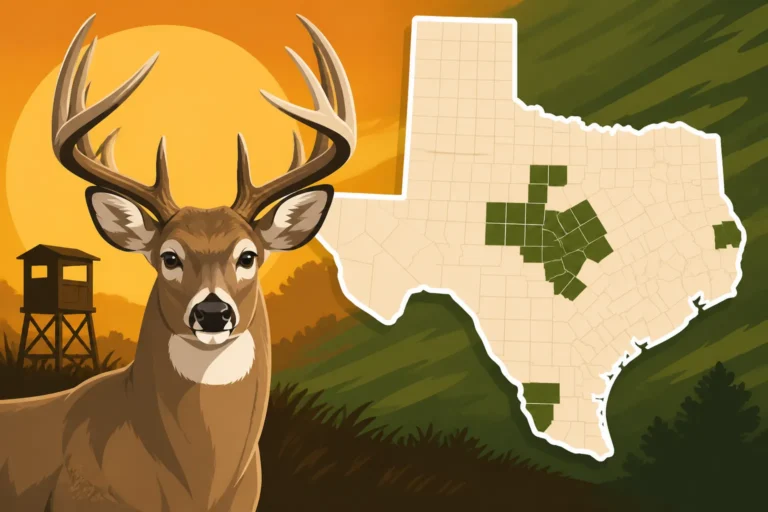
- The Texas Hill Country: This area, known for its rolling hills, live oaks, and limestone creeks, is perhaps the most popular region for exotic game hunting in Texas. Counties like Kerr, Real, Bandera, and Edwards are home to numerous ranches specializing in Red Stag and other exotics. The terrain here can offer challenging spot-and-stalk opportunities, making for an exciting hunt. For a deeper dive into the region, check out our guide on Hill Country Hunting in Texas. Many reputable outfitters in this region, such as the YO Ranch Headquarters or numerous private high-fence ranches, have long histories of managing healthy Red Stag herds.
- South Texas: While perhaps more famous for its colossal whitetail bucks, South Texas also hosts a significant number of exotic ranches, particularly in areas with dense brush country. The habitat can be excellent for Red Stag, offering ample cover and forage. Ranches in counties like Webb, La Salle, and Dimmit often offer a broader range of exotic species alongside their native game.
- Other Areas: You might also find Red Stag hunting opportunities in the Post Oak Savannah or Cross Timbers regions, typically on large private ranches that have dedicated exotic game programs. These areas might be less concentrated but can offer equally exciting experiences.
When selecting a ranch, research is key. Look for outfitters with a proven track record, good client testimonials, and clear communication about their hunting areas and animal quality. Many will showcase their available hunts on websites like Hunting Locator or various outfitter directories.
Free-Range vs. High-Fence Considerations
This is a frequently debated topic in the hunting community, especially when it comes to exotics. It's crucial to understand the distinction:
- High-Fence Ranches: The vast majority of Red Stag hunts in Texas take place on high-fenced ranches. These properties are enclosed by tall, game-proof fences designed to contain exotic animals, prevent escape, and manage genetics. For Red Stag, which are not native to Texas, this controlled environment is essential for maintaining populations and ensuring they thrive.
- Pros: High-fence operations allow for intensive management, leading to predictable trophy quality and higher success rates. The fences ensure animals stay within the property, which is vital for investment in exotic herds. They also provide a controlled environment where hunters can often choose the specific caliber of animal they want to pursue.
- Cons: Some hunters feel that high-fence hunting detracts from the "fair chase" aspect, as animals cannot leave the property. However, it's important to note that many high-fence ranches are thousands of acres, offering challenging hunts in vast landscapes, far from a "canned hunt" experience. The term "high-fence" can often be misunderstood; these are not small enclosures, but often sprawling landscapes.
- "Free-Range" Exotics (Limited): While it's exceedingly rare to find truly free-range Red Stag in Texas in the same way you might find free-range Axis deer in certain parts of the Hill Country, some exotic ranches are so immense (tens of thousands of acres) that the animals behave in a quasi-free-range manner within the confines of the massive fence. However, Red Stag typically require careful management, making large-scale, unconfined free-range populations uncommon. When discussing truly free-range exotics, Axis deer are a much more common example, and you can learn more about Axis Deer Hunting in Texas Free-Range vs High-Fence in a dedicated guide.
For Red Stag, assume your hunt will be on a high-fence property. The ethical considerations often depend on the size of the enclosure and the hunting methods employed. A truly ethical high-fence operation prioritizes animal welfare, habitat, and a challenging hunting experience within its boundaries.
Preparing for Your Red Stag Hunt
Once you've decided on the "where" and "how much," the next step is getting ready for the actual hunt. Proper preparation can significantly impact your success and enjoyment.
Essential Gear and Equipment
Hunting Red Stag requires a different approach than hunting smaller game, mainly due to their size and resilience.
- Rifle Caliber: Red Stag are tough animals, and a well-placed shot from an adequate caliber is essential for a humane harvest. Minimum recommendations usually start around .270 or .30-06, but many guides will suggest something larger like a .300 Winchester Magnum, .300 WSM, 7mm Rem Mag, or even a .338 Winchester Magnum. These larger calibers ensure plenty of knock-down power. Always check with your outfitter for their recommendations or requirements.
- Optics: Good quality optics are non-negotiable. A reliable rifle scope with variable magnification (e.g., 3-9×40, 4-12×40, or 3-15×44) will serve you well in varied terrain and light conditions. Binoculars (10×42 or 12×50) are crucial for spotting game and evaluating trophy quality from a distance. A rangefinder is also highly recommended, especially if you anticipate longer shots across open pastures or brush lanes. For a detailed guide, consider reading Best Hunting Optics for Texas: Scopes, Binos & Rangefinders.
- Clothing: Texas weather can be unpredictable, even during the "cooler" months when Red Stag are often hunted. Layering is key. Pack comfortable, durable hunting clothes in earth tones or camouflage. Ensure you have waterproof outer layers in case of rain, and be prepared for both warm days and chilly mornings/evenings. Good quality, comfortable boots that are broken in are a must, as you may be doing a fair amount of walking. Consider snake boots depending on the season and location, as Texas is home to several venomous snake species.
- Physical Preparation: Don't underestimate the physical demands, especially if you're pursuing a spot-and-stalk hunt in the Hill Country. Being in decent physical condition will make the experience much more enjoyable and increase your chances of success. Practice shooting from various positions (prone, kneeling, standing) to be ready for any shot opportunity.
Booking Your Hunt
The booking process is crucial for a successful Red Stag hunt. Don't rush it; take your time to vet potential outfitters thoroughly.
- Research and References: Start by researching several outfitters. Look at their websites, social media, and read reviews. Ask for references from past clients and actually call them. Ask about their experience, the quality of the animals, the guide's professionalism, and the overall hunting experience.
- Detailed Questions: Before committing, have a detailed conversation with the outfitter. Ask specific questions:
- What is the average size/score of the stags harvested?
- What is the typical success rate?
- What specific services are included in the price? (e.g., meals, lodging, guide, field dressing, caping, transportation)
- Are there any hidden fees or additional costs?
- What are the accommodations like?
- What is the terrain like, and what kind of hunting methods are typically used (spot-and-stalk, blind hunting)?
- What is their policy if an animal is wounded and not recovered?
- What caliber rifle do they recommend or require?
- Do they have any Best Hunting Gear for Beginners in Texas By Budget recommendations if you're still building your kit?
- Deposits and Contracts: Most outfitters will require a deposit to secure your hunting dates. Always get a written contract that clearly outlines the dates, pricing, inclusions, exclusions, and cancellation policy. Read it carefully before signing. Clear communication upfront can prevent misunderstandings later.
Red Stag Hunting Regulations in Texas
Unlike native game species, the regulations for hunting exotic animals like Red Stag in Texas are significantly different. This is often a pleasant surprise for hunters accustomed to strict seasons and bag limits.
Licensing and Permits
Here's the good news:
- Texas Hunting License: To hunt Red Stag in Texas, you generally only need a valid Texas hunting license. You do not need specific exotic game tags or permits from the state. This is because Red Stag are considered private property and not native game. This makes the process much simpler than hunting whitetail deer, which require specific Texas Hunting Tags & Harvest Reporting My Texas Hunt Harvest.
- Private Land: Red Stag hunting almost exclusively occurs on private, permitted hunting ranches. This simplifies things further, as you won't be dealing with public land regulations, drawn hunts, or specific zone restrictions.
- No TPWD Reporting: Since they are not classified as native game, there's no requirement to report your Red Stag harvest to the Texas Parks and Wildlife Department.
This relaxed regulatory environment is one of the reasons Texas is such an attractive destination for exotic hunting. It allows outfitters and hunters more flexibility in scheduling and managing their hunts. For complete details on purchasing your license, check out Texas Hunting License: Cost, Types & How to Buy 2026.
Seasonality and Best Times
Another significant advantage of hunting Red Stag in Texas is the lack of a defined hunting "season" from a state regulatory perspective.
- Year-Round Hunting: On private high-fence ranches, Red Stag can typically be hunted year-round. This flexibility is fantastic for hunters who have limited time off or prefer to hunt outside of the traditional fall deer seasons.
- The Rut (August-October): While technically available year-round, many hunters prefer to pursue Red Stag during their rut (breeding season), which typically runs from late August through October in Texas. This is when the stags are most active, vocal (bugling!), and aggressive, making for an incredibly exciting and challenging hunt. The chance to hear a stag's thunderous roar and witness their territorial behavior is an unforgettable experience.
- Antler Hardening (Spring): Conversely, stags shed their antlers in late winter/early spring (typically March-April) and begin growing new ones immediately. Their antlers are typically "hard-horned" and fully developed by late summer. Most hunters prefer to hunt hard-horned stags for a trophy, so while you can hunt them when their antlers are in velvet, it's less common for trophy hunters.
The best time to hunt often depends on what kind of experience you're looking for. If you want the thrill of the rut and the bugling, late summer into fall is your window. If you're simply looking for a trophy or meat hunt and want to avoid the crowds or higher prices of the rut, other times of the year can be just as productive. Always discuss seasonality with your chosen outfitter to align your expectations with the best possible hunting experience.
Disclaimer
Please note that hunting regulations, license requirements, and costs can change. Always consult the most current Texas Parks and Wildlife Department Outdoor Annual and communicate directly with your chosen outfitter to confirm all details before planning your hunt. The information provided here is for general guidance and informational purposes only.