White-Tailed Deer Season & Bag Limit in Texas
Figuring out the ins and outs of white-tailed deer season and bag limits in Texas can feel like navigating a maze, especially with all the different zones, special seasons, and ever-changing county regulations. It's enough to make even seasoned hunters scratch their heads! This guide is here to untangle that knot, offering a clear, comprehensive breakdown of what you need to know to hunt white-tailed deer legally and successfully across our great state.
Decoding White-Tailed Deer Season Dates in Texas
Texas is a vast state, and when you can hunt white-tailed deer really depends on where you are. We don't have a single, universal opening day that blankets the entire state, which can be a real headache if you hunt in multiple regions or just moved to a new spot. It all boils down to different zones and specific weapon types, which can make planning your season a bit like solving a puzzle.
General Openers and Closers for Different Methods
Before you even think about packing your gear, you absolutely need to know when you can actually hunt. Texas offers several different hunting methods, each with its own season framework. The most common are archery, general firearms, and muzzleloader seasons. These are designed to provide diverse opportunities while managing the deer population effectively.
The archery season, for instance, typically kicks off in early October. This is a fantastic time to be in the woods, with cooler mornings (sometimes, if we're lucky!) and bucks beginning to move as the rut approaches. It's a challenging but incredibly rewarding way to hunt, and it offers an early start to the deer season. Many hunters use this time to scout intensely, patterning deer movements before the general season begins. You'll find specific dates for this in your annual Outdoor Annual, but usually, it runs for about a month before general firearms season.
Then comes the general firearms season, which is the most popular and longest segment. This usually starts in early November and can run all the way through the end of the year or into early January, depending on your zone. This is when most hunters hit the field, and it overlaps with the peak of the rut in many areas, particularly in South Texas. If you're planning your hunt, knowing the general season dates is paramount. And let's not forget the muzzleloader season, which often follows the general season in certain counties. This offers another opportunity for hunters using traditional black powder firearms. It’s a specialized hunt, but for those who enjoy the challenge and historical aspect, it’s a cherished time. Make sure you check the Texas Archery Season Dates and Texas Muzzleloader Season & Counties for your specific area.
Navigating the Texas Deer Zones: North, Central, South
Texas is so big that the state is divided into different deer zones to account for varying habitat, deer populations, and rut timing. These are generally categorized as North, Central, and South Texas, and each has its own set of season dates. Trying to keep them straight without a good resource is nearly impossible.
The North Texas zone, encompassing areas like the Panhandle and parts of the Cross Timbers, often has earlier season dates, especially for the general firearms season. This is largely due to the earlier rut activity and different environmental conditions compared to the southern parts of the state. If you're hunting up near Amarillo or Wichita Falls, your season might be wrapping up while hunters down south are just getting into the thick of it.
The Central Texas zone, which includes the iconic Hill Country, tends to have the longest general season. This area is known for its dense deer population and diverse terrain. The season here usually starts in early November and can extend well into January. It's a fantastic region for hunting, offering plenty of opportunities for both bucks and does. Many hunters consider the Hill Country a quintessential Texas deer hunting experience.
Finally, the South Texas zone, the famed Brush Country, is where many trophy whitetails are found. The general season here typically begins a bit later than in the north and central zones and can run until mid-January. This later start aligns with the later rut often observed in this region. If you're targeting those big South Texas bucks, knowing these dates is critical. Always double-check the latest details in the "Texas Deer Season 2026-2027: Dates by Zone" section of the Outdoor Annual. Many hunters find tools like GoHunt invaluable for quickly cross-referencing these dates with property lines and current regulations.
Special Late Season and Youth Hunts
Beyond the main seasons, Texas Parks and Wildlife Department (TPWD) offers special opportunities that extend the hunting window or cater to specific demographics. These include youth-only seasons and special late seasons for white-tailed deer, which are crucial for herd management and hunter recruitment.
Youth-only seasons are typically held at the end of October or in early January, providing young hunters with an exclusive opportunity to hunt deer before or after the main general season. These hunts are fantastic for introducing kids to ethical hunting practices in a less crowded environment, focusing on conservation and safe firearm handling. It’s a way to foster the next generation of hunters, and many families cherish these experiences as a way to bond in the outdoors. The specific dates and regulations for youth hunts are always detailed in the annual Outdoor Annual.
The special late season, often called "late antlerless and spike," provides an additional opportunity to harvest antlerless deer and spike bucks after the general season closes. This season usually runs for a couple of weeks in January and is instrumental in helping landowners manage deer populations, especially doe numbers, which contribute to overall herd health. However, this season is only allowed in specific counties and for particular weapon types, usually archery or muzzleloader only, and in some areas, only for properties participating in the Managed Lands Deer Program (MLDP). Always verify if your county participates and what the legal weapon types are. This is one of those areas where checking your local regulations, perhaps even with a resource like GoHunt, becomes absolutely critical.
Understanding Bag Limits and Antler Restrictions
Once you know when you can hunt, the next big question is how many deer you can take and what constitutes a legal buck. This is where many hunters, especially those new to Texas, can get tripped up. The regulations are designed to protect younger bucks and ensure a healthy deer population, but they add layers of complexity.
Statewide Bag Limits vs. County-Specific Rules
Texas has a general statewide bag limit for white-tailed deer, but this is almost always superseded or modified by county-specific regulations. It's a critical distinction that can lead to unintentional violations if you're not paying close attention. The statewide bag limit is usually five white-tailed deer, with a maximum of two bucks and no more than three does. Sounds straightforward, right? Well, not quite.
Many counties in Texas have stricter rules, especially concerning the number of bucks you can harvest. For instance, in many parts of the state, particularly the highly managed areas like the South Texas Brush Country or the Hill Country, the bag limit might be reduced to just one buck per hunter per season. This is done to promote the growth of older, more mature bucks, leading to a healthier age structure within the herd and better trophy potential. Additionally, some counties may have specific restrictions on doe harvest, requiring antlerless deer permits (ADPs) or setting specific "doe days" outside of the general season.
It’s crucial that before you step foot on your hunting lease or public hunting land, you consult the current Outdoor Annual for the specific county you're hunting in. The rules can vary significantly even between adjacent counties. Knowing How Many Bucks Can You Shoot in Texas and What Is the Doe Limit in Texas is not a simple one-size-fits-all answer. This nuanced approach to bag limits is a cornerstone of Texas's successful deer management strategy, aiming for local control and sustainable populations.
The Infamous 13-Inch Rule and Antlerless Permits
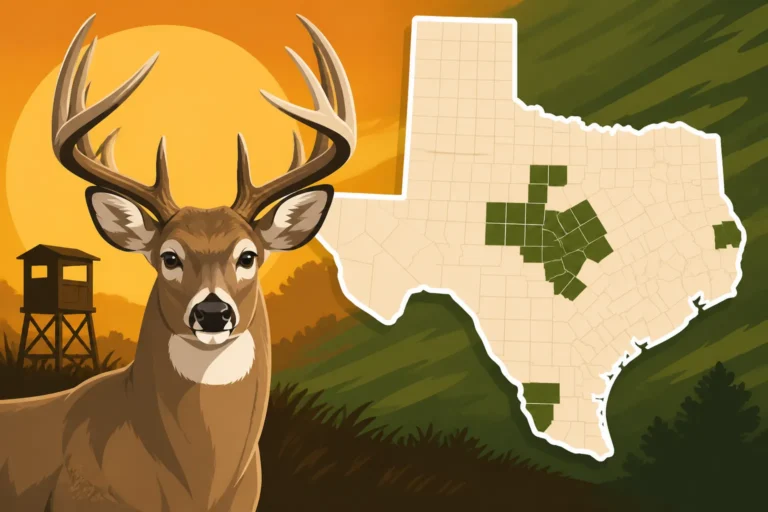
One of the most talked-about and often debated regulations in Texas is the 13-inch antler restriction, sometimes referred to as the "13-inch rule." This rule is designed to protect young, genetically superior bucks, allowing them to mature and pass on their desirable traits. It dictates that for a buck to be legal, it must have at least one unbranched antler, or have an inside spread of 13 inches or greater. This rule applies to most counties in the North and Central Texas zones.
The "unbranched antler" part of the rule is key. If a buck has two unbranched antlers (spike), it's legal regardless of spread. If it has one unbranched antler and one branched antler, it's also legal. However, if a buck has two branched antlers, then the inside spread between the main beams must be 13 inches or greater. This is where the challenge comes in for many hunters. Misjudging antler spread in the field is a common mistake and can lead to serious fines.
For antlerless deer (does), specific regulations also apply. In many counties, you might need an antlerless deer permit (ADP) to harvest a doe, or there might be designated "doe days" during the general season where antlerless harvest is permitted without a special permit. These permits are typically issued by TPWD to landowners, who then distribute them to hunters. Knowing if your hunting property is participating in the Managed Lands Deer Program (MLDP) can also impact your tags and harvest options, often giving you more flexibility. Understanding the Texas Antler Restrictions: 13-Inch Rule & Counties is essential for a legal hunt.
How to Accurately Field Judge a Buck
The 13-inch rule places a significant responsibility on the hunter to accurately field judge a buck before pulling the trigger. This is not always easy, especially in low light conditions, thick brush, or when a buck is moving quickly. Many hunters use visual aids and practice to hone their judgment skills.
A common technique for judging the 13-inch spread is to compare the antler width to the width of the buck's ears when they are alert and pointed forward. For most mature bucks, the ear-tip-to-ear-tip measurement is roughly 13 to 15 inches. So, if the main beams extend noticeably outside the ears, it's likely a legal buck under the spread rule. If they are inside or just barely outside, it could be a risky shot. Some hunters also carry a small, portable measuring device or use binoculars with rangefinding reticles that can aid in estimation. However, nothing beats practice and experience.
It’s critical to remember that if you make a mistake and harvest an illegal buck, the consequences can be severe, including fines and loss of hunting privileges. When in doubt, let it walk. There’s always another deer, and the integrity of the hunt is paramount. Resources like "How to Field Judge a 13-Inch Buck" offer more in-depth tips and visual guides to help you make these crucial decisions in the field.
Here's a quick overview of White-Tailed Deer Seasons by Zone (General Season, subject to change annually):
| Season Type | North Texas Zone | Central Texas Zone | South Texas Zone |
|---|---|---|---|
| Archery | Early Oct – Early Nov | Early Oct – Early Nov | Early Oct – Early Nov |
| General Season | Early Nov – Early Jan | Early Nov – Mid Jan | Mid Nov – Mid Jan |
| Muzzleloader | Mid Jan – Late Jan (Select Cos.) | Mid Jan – Late Jan (Select Cos.) | Mid Jan – Late Jan (Select Cos.) |
| Special Late | Mid Jan – Late Jan (Antlerless/Spike) | Mid Jan – Late Jan (Antlerless/Spike) | Mid Jan – Late Jan (Antlerless/Spike) |
Note: Specific dates and county regulations vary each year. Always consult the official Texas Parks and Wildlife Department Outdoor Annual for the most current information for your exact hunting location.
Essential Regulations Beyond Dates and Limits
Hunting in Texas involves more than just knowing when and what you can shoot. There are several other crucial regulations that every hunter must be aware of to ensure a legal and ethical hunting experience. These rules cover everything from how you report your harvest to what you can and can't do in specific disease management areas.
Harvest Reporting Requirements and My Texas Hunt Harvest
For many years, harvest reporting in Texas was only mandatory in certain counties, primarily those with specific antler restrictions or in the Edwards Plateau region. However, TPWD has made a strong push for more widespread and accessible reporting. Currently, hunters are required to report their white-tailed deer harvest, including when and where the animal was taken.
The primary method for reporting your harvest is through the "My Texas Hunt Harvest" mobile app or the online system. This system allows you to quickly and easily input your harvest data from the field, which is incredibly convenient. The information collected is vital for TPWD biologists to monitor deer populations, track harvest trends, and make informed management decisions that benefit the entire state's deer herd. Failing to report a harvested deer in a mandatory reporting county or failing to tag your deer immediately after harvest can result in fines. It's an easy step to overlook in the excitement of a successful hunt, but it's critically important. Make sure you understand how to properly use the app and follow the guidelines for "Texas Hunting Tags & Harvest Reporting (My Texas Hunt Harvest)".
Chronic Wasting Disease (CWD) Zones and Carcass Transport
Chronic Wasting Disease (CWD) is a neurological disease that affects deer, elk, and moose, and it's a serious concern for wildlife managers across North America, including Texas. While not known to be transmissible to humans, it's always fatal to the animals and can have devastating effects on deer populations. Because of this, Texas has established CWD containment and surveillance zones in various parts of the state.
If you hunt within a designated CWD zone, there are very specific regulations regarding carcass movement and mandatory CWD testing. These rules are designed to prevent the spread of the disease to unaffected areas. For example, in containment zones, you might only be allowed to transport whole carcasses directly to a check station or processor within that zone. Only certain parts, like deboned meat, clean skull plates, or finished taxidermy products, may be moved outside the zone.
It's absolutely imperative to know if your hunting area is in a CWD zone before you go afield. These zones can change, so always check the latest information from TPWD. Failure to comply with CWD regulations can lead to significant penalties. Understanding "CWD in Texas: Zones, Rules & Carcass Transport" is not just about avoiding a ticket; it's about protecting the future of Texas's deer herds. Some specific CWD zones might also have additional restrictions, such as modified baiting rules. For instance, the question "Can You Hunt Over Corn in CWD Zones?" might have a different answer depending on the specific zone regulations.
Legal Hunting Hours and Methods
Beyond seasons and bag limits, there are general rules about how and when you can hunt. In Texas, the legal hunting hours for most game animals, including white-tailed deer, are typically from one-half hour before sunrise to one-half hour after sunset. Hunting outside these hours is strictly prohibited unless it's for a species with specific night hunting regulations, like feral hogs under certain conditions.
When it comes to hunting methods, Texas generally allows the use of firearms, archery equipment, and muzzleloaders during their respective seasons. There are also specific rules about baiting. In most areas, "Hunting Over Feeders & Corn in Texas (Legal Guide)" is permissible, but you cannot hunt deer with the aid of "illegal bait" as defined by TPWD regulations, which typically refers to certain types of attractants that could be considered unsportsmanlike or that might inadvertently concentrate CWD. It’s always best to err on the side of caution and ensure any baiting practices you employ are clearly within the bounds of the law for your specific county and zone.
Furthermore, hunters must carry their valid Texas hunting license and any required endorsements (like the Archery Stamp or Muzzleloader Stamp, if applicable) while in the field. Hunter education certification is also required for certain age groups. The overall objective of these regulations is to ensure fair chase, promote safety, and maintain the integrity of the hunting tradition in Texas. A good resource like the official TPWD Outdoor Annual or a reliable app like GoHunt can help you keep all these regulations straight, making your hunt as enjoyable and legal as possible.
Disclaimer
Please remember that hunting regulations in Texas are subject to change annually and can vary significantly by county and specific land type. While this guide provides comprehensive information, it is crucial to always consult the current official Texas Parks and Wildlife Department Outdoor Annual for the most up-to-date and legally binding regulations before heading into the field. This content is for informational purposes only and should not be considered legal advice.