Webb County Hunting (Leases & Outfitters)
Webb County, a crown jewel in the legendary South Texas Brush Country, holds a special place in the hearts of hunters, but trying to navigate its vast private lands to find the perfect hunting opportunity can feel incredibly daunting. The reputation for massive whitetails is well-deserved, yet securing access to quality property, whether through a lease or an outfitter, often leaves hunters feeling overwhelmed and unsure where to begin. This guide aims to demystify the process, offering a comprehensive look at how to secure a memorable hunting experience in Webb County, focusing on the ins and outs of leases and outfitters.
Why Webb County is a Premier Hunting Destination
For generations, Webb County has stood as a beacon for deer hunters across Texas and beyond, and it's not by accident. The unique ecological characteristics of this region create an almost perfect storm for growing big, healthy whitetail deer, making it a perennial hotspot for those seeking a true trophy.
The Allure of the South Texas Brush Country
The landscape of Webb County is defined by its dense, thorny brush — a mosaic of mesquite, blackbrush, guajillo, granjeno, and prickly pear. While it might look impenetrable to the casual observer, this formidable cover is, in fact, the secret sauce for the area's incredible deer herd. This isn't your open prairie or pineywoods; this is thick, unforgiving country that provides unparalleled sanctuary for deer, allowing them to grow old and wise. The dense brush offers exceptional thermal cover during both the scorching Texas summers and the occasional chilly winter fronts. More importantly, it's a buffet of high-protein browse that fuels antler growth and overall herd health like few other places in the state. Deer here are often more compact and heavier-bodied, with antlers reflecting the rich nutritional plane they thrive on.
Diverse Game Beyond Whitetail
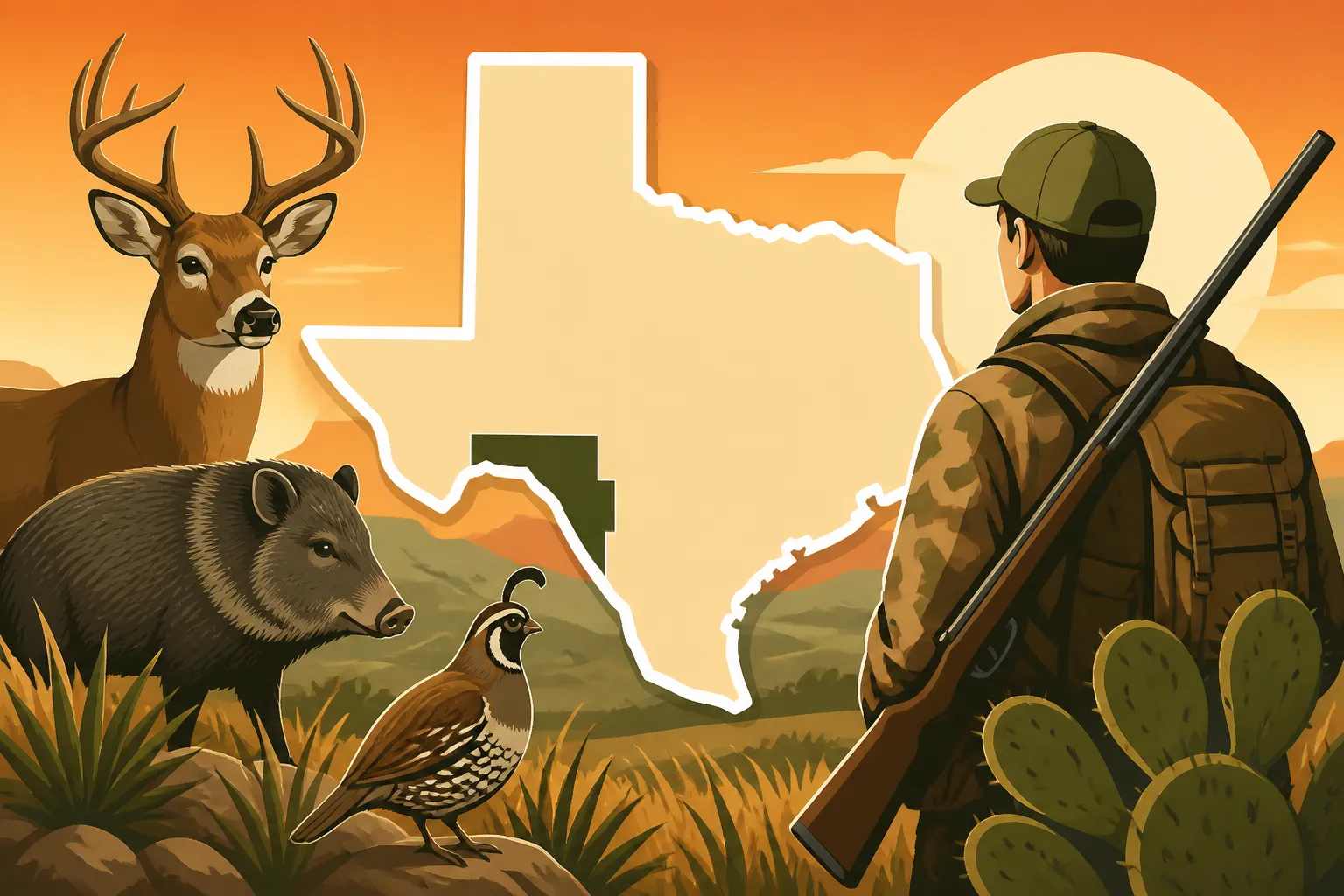
While the whitetail deer certainly take center stage, Webb County offers a rich tapestry of other hunting opportunities that shouldn't be overlooked. Feral hogs are abundant, presenting a year-round challenge and an excellent way to extend your hunting season or manage property damage. These intelligent creatures are often found rooting around water sources or shaded areas during the heat of the day, and many hunters specifically seek out opportunities for Feral Hog Hunting in Texas: Year-Round Guide in this region. Javelina, often mistaken for small wild pigs, are another unique native species found here, offering a challenging spot-and-stalk hunt. For bird hunters, the brush country edges and agricultural fields provide fantastic dove hunting, especially during the early Texas Dove Season 2026: Zones & Dates. Quail populations, though cyclical, can also offer exciting opportunities for those willing to walk the thorny terrain. This diversity means that a hunting trip to Webb County can be a multi-species adventure, providing varied experiences throughout the hunting calendar.
Navigating Webb County Hunting Leases
For many seasoned hunters, securing a private hunting lease is the ultimate goal in Webb County. It offers a sense of ownership, the ability to manage your own wildlife, and the freedom to hunt on your own schedule. However, finding and securing such a lease is far from simple.
The Demand and Cost of Webb County Leases
Let's be real: quality hunting leases in Webb County are highly sought after, and they come with a price tag that reflects that demand. This isn't the place to look for a bargain-basement deal. Landowners understand the value of their property for hunting, especially with the region's reputation for producing trophy deer. Lease prices vary wildly depending on several factors: the acreage, the historical quality of the game, the presence of infrastructure (like cabins, blinds, or feeders), and the terms of the lease (day, season, or annual). You might find a small 100-acre tract available, or you could be looking at a several-thousand-acre ranch. Knowing How Much Does a Deer Lease Cost in Texas? is crucial for setting expectations, but expect Webb County prices to be on the higher end of the spectrum for Texas. These leases often get passed down through families or groups, making new entry points scarce and competitive.
What to Look for in a Lease Agreement
Once you actually find a potential lease, the devil is in the details of the agreement. A thorough lease agreement protects both you and the landowner. You'll want to clarify key aspects such as the number of hunters allowed, guest policies, specific game species permitted, and any harvest restrictions beyond state regulations, like those concerning Webb County Antler Restriction & Bag Limit. Understanding the duration of the lease (is it a Year Lease vs Day Lease in Texas?), payment schedules, and any clauses regarding property maintenance is vital. Does the lease include access to existing blinds or feeders? What are the rules for ATV use, camping, or campfires? Are there any specific rules about feeders and supplemental protein feeding, which is common practice here to enhance antler growth? Don't be afraid to ask for references from previous lessees or to spend significant time inspecting the property before committing. A good lease is a long-term relationship, and clear communication upfront prevents headaches down the road.
Utilizing Resources to Find a Lease
Finding available leases in Webb County often requires a bit of detective work and networking. While some properties are listed on platforms like LeaseHunter.com or local real estate sites, many opportunities are found through word-of-mouth. Attending local hunting shows, joining hunting forums, or simply asking around at feed stores and sporting goods shops in towns like Laredo can sometimes uncover hidden gems. Services like GoHunt, while more geared towards western hunts, can sometimes provide insights into land characteristics. Additionally, using mapping applications such as Best Hunting Apps for Texas (onX, HuntStand & More) can help you identify land ownership patterns, allowing you to potentially contact landowners directly, though this approach requires respect and persistence. Many hunters also seek out larger, established Hunting Leases in Texas: Complete Guide (Cost & How to Find) that might have openings in their existing groups, offering a more stable entry point into the Webb County hunting scene.
Finding Reputable Webb County Hunting Outfitters
For those who don't have the time, resources, or desire to commit to a long-term lease, a guided hunt through an outfitter offers a fantastic alternative for experiencing the thrill of hunting in Webb County.
The Advantages of a Guided Outfitter Hunt
Opting for an outfitter means you're largely handing over the logistical burden to experienced professionals. This is particularly appealing for hunters who are traveling a long distance, have limited vacation time, or are simply looking for a hassle-free, high-quality hunting experience. Webb County outfitters typically provide everything from comfortable lodging and delicious meals to knowledgeable guides, transportation around the ranch, and even game retrieval and initial processing. You benefit from their intimate knowledge of the property, their understanding of deer movement, and their access to prime hunting areas, often on vast, well-managed ranches. This can significantly increase your chances of harvesting a quality animal, especially if you're targeting a trophy whitetail, and simplifies what can otherwise be a complex endeavor.
What to Expect from Outfitter Packages
Outfitter packages in Webb County can vary widely in what they include and their price point. Most hunts are structured as multi-day, all-inclusive packages, often ranging from three to five days. These usually cover lodging, meals, guide services, and often an initial caping and quartering of your harvest. Some outfits, like the famous Briscoe Ranch or the reputable San Pedro Ranch (though typically private), set the standard for top-tier experiences. Expect to see different tiers of hunts offered, perhaps based on the size of the buck you're targeting (management deer vs. trophy deer), or whether you want to combine it with a hog or javelina hunt. Be sure to clarify what's included and what's an extra cost. Common add-ons might include license fees (you'll definitely need your Texas Hunting License: Cost, Types & How to Buy (2026)), taxidermy services, meat processing, gratuities for guides and staff, and sometimes even rifle rentals or ammunition. Always ask for a detailed breakdown of costs upfront.
Choosing the Right Outfitter
Selecting a reputable outfitter is paramount to a successful and enjoyable hunt. Start by researching online, looking for outfitters with a strong presence in the Webb County area. Websites, social media, and hunting forums are great places to begin. Crucially, don't rely solely on glossy brochures. Reach out to the outfitter directly, ask detailed questions about their operation, and specifically inquire about the success rates of their hunters, the size of deer typically harvested, and their management practices. Most importantly, ask for references—and follow up with them! Speaking to past clients will give you invaluable insight into the actual hunting experience, the quality of the guides, the accommodations, and whether the outfitter delivered on their promises. A good outfitter will be transparent and happy to provide these details. Remember, you're investing a significant amount of money, so do your homework to ensure you're getting a quality experience.
Essential Tips for Planning Your Webb County Hunt
Regardless of whether you secure a lease or book with an outfitter, a successful Webb County hunt requires careful planning and preparation. The unique challenges and rewards of this region demand a thoughtful approach.
Understanding Regulations and Seasons
Texas hunting regulations can be complex, and they often have county-specific nuances. Before heading out, make sure you thoroughly review the current Texas Parks and Wildlife Department (TPWD) Outdoor Annual. Pay close attention to the specific dates for Texas Deer Season 2026-2027: Dates by Zone and any special provisions for antler restrictions in Webb County. Always know your bag limits and tagging requirements. This is also critical for understanding when to rattle for bucks in South Texas, as knowing the general rut timing will influence your tactics. Carrying a copy of the regulations (physical or digital) is always a good idea, and don't hesitate to call TPWD if you have any questions. Ignorance of the law is never an excuse.
Preparing for the South Texas Environment
The South Texas brush can be challenging, both for hunters and their gear. The terrain is often thick and thorny, making quiet movement difficult and demanding sturdy clothing. Snake boots are not just a recommendation; they are often a necessity, protecting against venomous snakes common in the area. The weather can be highly variable, especially during deer season. Early season hunts can still be sweltering, requiring lightweight, breathable clothing, while late season hunts can sometimes bring surprising cold fronts. Being physically prepared for walking through thick brush and understanding How to Field Dress a Deer in Hot Weather is also critical, especially if you're successful on a warm day. Consider bringing a robust cooler, like a high-end Yeti or Orca, which can keep ice for days, vital for preserving your harvest.
Gear and Scouting Considerations
Your gear selection is crucial for a successful Webb County hunt. Optics are paramount in the dense brush; quality binoculars with good light-gathering capabilities will help you pick out deer in the shadows. A reliable rifle with an appropriate caliber for whitetail deer, zeroed in and practiced with, is a must. If you're on a lease, trail cameras are invaluable for patterning deer movement and identifying potential trophy bucks. For How to Scout for Deer Before Season in Texas, consider using cellular trail cameras from brands like Tactacam or Moultrie, which can send images directly to your phone, saving countless trips to the property. Understanding the best feeder setup for Texas and how to manage them can also significantly impact your success, as supplemental feeding is a common practice to attract and hold deer. For navigation and property line awareness, the detailed maps offered by onX Hunt are incredibly useful, even on private land, helping you stay oriented in unfamiliar terrain.
| Aspect of Hunting | Hunting Lease | Outfitter Hunt |
|---|---|---|
| Commitment | Long-term (annual, seasonal) | Short-term (multi-day package) |
| Cost | Higher upfront, recurring annual/seasonal fees, often shared | Package price per hunter, all-inclusive options |
| Flexibility | High, hunt on your schedule within season | Fixed dates, structured schedule |
| Control | Full control over management, stand placement, etc. | Limited, guided experience |
| Effort | High (maintenance, scouting, stand setup) | Low (guides handle logistics) |
| Success Rate | Varies, depends on personal effort and property | Generally higher, due to expert guidance and prime land |
| Ideal For | Dedicated hunters, groups, locals | Travelers, beginners, seeking specific trophies, limited time |
Disclaimer
The information provided in this guide is for general informational purposes only and does not constitute legal advice. Hunting regulations in Texas are subject to change, and it is the hunter's responsibility to consult the latest Texas Parks and Wildlife Department regulations and obtain all necessary licenses and permits before engaging in any hunting activities. Always prioritize safety and ethical hunting practices.