Webb County Antler Restriction & Bag Limit
Hunting in Texas can be an incredible experience, but let's be honest, navigating the ever-changing and sometimes complex regulations for antler restrictions and bag limits can feel like trying to solve a Rubik's Cube in the dark. It’s a common frustration, especially when you’re passionate about ethical hunting and managing the deer population responsibly. This guide is here to shed some light specifically on the rules for Webb County, ensuring you're fully prepared and compliant when you head out into the South Texas brush.
Understanding Texas Antler Restrictions: A Necessary Frustration
Before we dive into the specifics of Webb County, it’s helpful to understand the philosophy behind antler restrictions in Texas. Many hunters initially find these rules confusing or even restrictive, but they're put in place for a good reason.
Why Antler Restrictions Exist
The Texas Parks and Wildlife Department (TPWD) implements antler restrictions primarily as a deer management tool. The goal is to improve the age structure and genetic quality of the deer herd, especially white-tailed deer. In many areas, years of harvesting the biggest, most mature bucks led to a younger buck population and less desirable genetics being passed on.
Think about it: if every hunter shoots the largest buck they see, eventually, the gene pool for big antlers gets depleted. Antler restrictions aim to protect young bucks with high potential, giving them a chance to mature and breed. This leads to a healthier, more balanced deer population with a better buck-to-doe ratio and, yes, ultimately more mature, larger-antlered deer on the landscape. While it might mean letting a promising young 8-point walk one season, it contributes to a much healthier herd for future generations. It's an investment in the future of hunting, really.
The General 13-Inch Rule vs. Specific County Rules
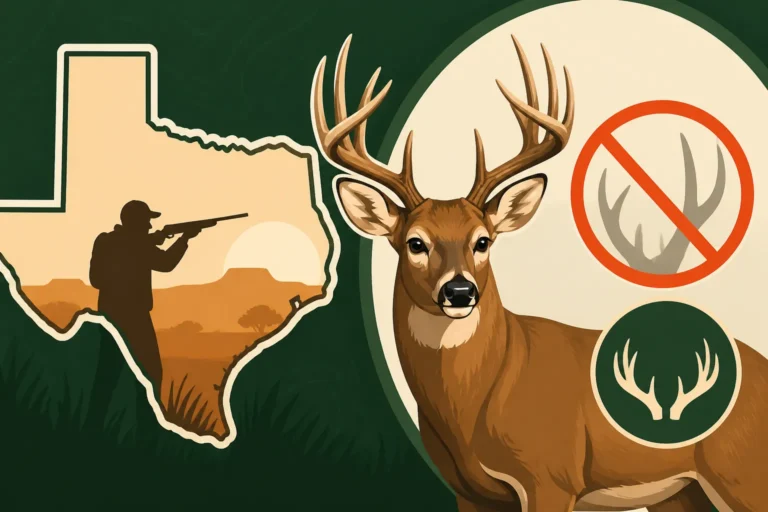
Most hunters in Texas are familiar with the "13-inch rule," which states that a legal buck must have an inside spread of 13 inches or greater. If the buck doesn't meet the 13-inch spread requirement, it must have at least one unbranched antler. This rule applies to most counties in Texas, but it’s crucial to know that some counties, particularly those in the South Texas Brush Country like Webb County, have their own specific regulations.
These county-specific rules are tailored to the local deer populations and habitat conditions. For instance, in some areas, wildlife biologists might determine that a different approach is needed to achieve specific management goals, such as increasing the number of older bucks or reducing overall deer density. Always consult the official Texas Parks and Wildlife Outdoor Annual or their website for the most up-to-date and county-specific regulations, because getting it wrong can lead to some hefty fines and a lot of heartache. The general rule is a good starting point, but it's never a substitute for knowing your specific hunting area's requirements. For a broader overview of these regulations, you might want to read more about Texas Antler Restrictions: 13-Inch Rule & Counties.
Webb County's Specific Antler Restrictions: What You Really Need to Know
Now, let's get down to brass tacks for Webb County. This region is renowned for its trophy white-tailed deer, and its specific regulations are designed to maintain that reputation. If you're hunting in Webb County, you need to understand these rules inside and out.
The Webb County "One-Buck" Rule and Its Nuances
Webb County falls under a specific antler restriction that allows hunters to harvest two bucks per season. However, there's a critical nuance to this:
- First Buck: Of your two legal bucks, only one may have an inside spread of 13 inches or greater. This means if you harvest a buck with a spread of 13 inches or more, that's your "trophy" buck for the season.
- Second Buck: Your second buck must have at least one unbranched antler. This is often referred to as a "spike" or "forked-horn" depending on its exact configuration. The key is that at least one main beam cannot have branched tines. If it has a 13-inch spread or more, and all its tines are branched, it falls into the first category, and you've already used your "big buck" tag.
This specific structure is designed to allow for the harvest of mature, larger-antlered bucks, while also encouraging the culling of younger bucks that might have inferior antler genetics (e.g., perpetual spikes or young bucks that don't develop significant spread). It also provides opportunities for hunters to take a second buck, often a management-focused animal. This isn't just a random rule; it's a careful balance to manage for quality.
Imagine you’re sitting in your blind early in the season, and a beautiful 10-point walks out. You make a clean shot, and when you put the tape on him, he measures 16 inches wide. Fantastic! That’s your one buck with an inside spread of 13 inches or greater. For the rest of the season, if you want to harvest a second buck, you’ll be looking for one with at least one unbranched antler, regardless of its spread. It's a system that truly requires you to think and plan your season.
Identifying a Legal Buck in Webb County
Field judging deer is an art form, and it becomes absolutely critical when navigating antler restrictions like those in Webb County. Making a mistake can mean a citation, so practice and patience are paramount.
For the "13-inch or greater" buck:
- The Ear-Tip Trick: A common visual cue is to compare the inside spread of the antlers to the spread of the deer's ears when they are alert and facing forward. On most mature bucks, the ear-tip to ear-tip measurement is roughly 13-15 inches. So, if the inside spread of the antlers looks wider than the deer’s ears, it’s likely a legal buck. This isn't foolproof, as ear sizes can vary, but it's a good starting point.
- Mass and Beam Length: Bucks with significant spread often have good mass and longer main beams. These visual indicators can help confirm your initial assessment of spread.
- Patience is Key: Never rush a shot if you’re unsure. Watch the buck, let him turn, and try to get multiple angles. Use your binoculars or scope to get the best look possible. It's far better to let a buck walk and live to hunt another day than to face the consequences of an illegal harvest. If you're struggling with this, resources like How to Field Judge a 13-Inch Buck can be incredibly helpful.
For the "at least one unbranched antler" buck:
- "Spike" or "Fork": This rule is generally easier to judge in the field. Simply look for one main beam that has no tines branching off it, or a small fork that doesn't meet the definition of a branched antler by state law (which typically means a projection at least one inch long). A true "spike" is unmistakable. A "forked-horn" might need a closer look to ensure one of those main beams is truly unbranched.
- No Minimum Spread: Remember, for this second buck, the 13-inch spread does not apply. The focus is solely on the unbranched antler. This allows you to harvest bucks with less impressive spreads, which is often desirable for herd management.
It truly takes dedication to master field judging, but with practice, you'll become more confident. Use trail cameras to study the deer on your property, paying close attention to antler characteristics. This practice can significantly improve your accuracy when the moment of truth arrives.
Bag Limits for Deer in Webb County: Beyond the Antlers
Beyond the specific antler restrictions, Webb County also has clear bag limits for both bucks and does. These limits are part of the overall management strategy to keep the deer population healthy and sustainable.
General Deer Bag Limits in Texas and Webb County
Across much of Texas, the general bag limit for white-tailed deer is typically 5 deer, not to exceed 3 bucks. However, these limits vary by county and management zone.
For Webb County, the general bag limit is:
- Two bucks. (As discussed above, one must have an inside spread of 13 inches or greater, and the second must have at least one unbranched antler).
- Two antlerless deer (does).
This means you can potentially harvest a total of four deer in Webb County during the regular season, provided you adhere to the antler restrictions for bucks and the permit requirements for does. Always double-check the current Texas Deer Season 2026-2027: Dates by Zone for specific season dates, as these also play a role in legal harvesting. Understanding the nuances of Texas Deer Bag Limit by County is crucial, as neighboring counties might have slightly different rules.
Antlerless Deer (Doe) Regulations in Webb County
Harvesting antlerless deer is a vital component of deer management, helping to control population size and maintain a healthy buck-to-doe ratio. In Webb County, as in many parts of Texas, antlerless deer regulations have specific requirements:
- Antlerless Deer Permits (ADP): Generally, an antlerless deer permit is required to harvest a doe in Webb County. These permits are issued by the landowner or leaseholder through the Texas Parks and Wildlife Department. You'll typically get these from your hunting lease or ranch manager. Always ensure you have a valid permit before harvesting an antlerless deer. If you're on a lease, your outfitter will usually manage these.
- Managed Lands Deer Permits (MLDP): Many properties in Webb County operate under the Managed Lands Deer Permit (MLDP) program. This program allows landowners to work directly with TPWD biologists to implement tailored deer management plans. If you're hunting on an MLDP property, the specific bag limits and season dates for bucks and does might differ from the general county regulations. The permits issued under MLDP override the general county rules, providing greater flexibility and extended seasons. Always confirm with your landowner or outfitter if the property is under MLDP and understand the specific tags you'll be using. For more on this, check out MLDP Tags in Texas: How They Work.
- Proof of Sex: Regardless of whether you’re harvesting a buck or a doe, you must retain proof of sex. For bucks, this means leaving the head or antlers naturally attached to the carcass until it reaches your final destination (e.g., home or a processing facility). For antlerless deer, proof of sex (e.g., udder or vulva) must remain attached to the carcass. This is a critical legal requirement for all deer harvested in Texas.
Practical Tips for Hunting Under Webb County Regulations
Navigating these regulations successfully requires more than just knowing the rules; it requires smart hunting practices.
Scouting and Trail Camera Strategies
Before you ever step foot in your blind with a rifle, effective scouting is your best friend. Trail cameras are an indispensable tool for understanding the deer on your property and ensuring compliance with antler restrictions.
- Identify Your Bucks: Deploy trail cameras strategically around feeders, water sources, and travel corridors. Review photos regularly to identify individual bucks, gauge their antler growth, and, most importantly, determine if they meet the Webb County criteria. You can even create a "hit list" of legal bucks.
- Monitor Antler Development: Keep an eye on how bucks are developing throughout the summer and early fall. This helps you anticipate which ones might meet the 13-inch spread or unbranched antler criteria by the time the season opens. Cameras like the Tactacam Reveal or Moultrie Edge are popular choices in Texas for their reliability and cellular capabilities, allowing you to monitor from afar. Learning How to Pattern Bucks With Trail Cameras can give you a significant advantage.
- Know Your Area: Use mapping apps like onX Hunt or HuntStand to mark feeder locations, blinds, and game trails. Understanding property lines and the topography of your hunting area will help you position cameras and blinds effectively, increasing your chances of encountering legal deer.
When in Doubt, Let Him Walk
This cannot be stressed enough: if you are unsure about whether a buck meets the legal requirements, do not shoot. The fines and penalties for harvesting an illegal deer are significant, not to mention the ethical implications.
- Err on the Side of Caution: A few extra seconds of observation, or even letting a buck walk, is always the right choice if there’s any doubt. There will always be another deer.
- Practice Field Judging: Spend time studying photos and videos of deer. Practice estimating antler spread and identifying unbranched antlers. The more you train your eye, the more confident you’ll be when a buck steps out.
- Hunt with Experienced Mentors: If you're new to hunting in Webb County or Texas, try to hunt with an experienced local who understands the regulations intimately. They can provide invaluable real-time advice and help you learn the ropes.
Remember, the goal is to have a successful and ethical hunt. Following the rules, especially those specific to Webb County, ensures you contribute to the healthy management of Texas's incredible deer herds.
Webb County Deer Hunting Regulations Summary
Here's a quick overview of the key regulations for white-tailed deer in Webb County:
| Regulation Type | Detail | Important Notes |
|---|---|---|
| Bag Limit (Bucks) | 2 Bucks | |
| Antler Restriction #1 | Only 1 of the 2 bucks harvested may have an inside spread of 13 inches or greater. | This is typically your "trophy" buck. Field judge carefully using ear-tip comparisons or other reliable methods. |
| Antler Restriction #2 | The second buck harvested must have at least one unbranched antler. | This buck has no minimum spread requirement. Look for a spike or a main beam without branching tines. |
| Bag Limit (Antlerless) | 2 Antlerless Deer (Does) | |
| Doe Permits | Antlerless Deer Permits (ADP) generally required, or hunting under Managed Lands Deer Permit (MLDP) program. | Obtain permits from landowner/lease manager. MLDP properties have specific rules that override general county regulations. Confirm with your outfitter. For more detailed insights, consider reading about Texas Antlerless Deer Permits & Doe Days. |
| Proof of Sex | Entire head (for bucks) or proof of sex (for does) must remain naturally attached to the carcass until final destination. | Absolutely critical for legal compliance. Do not remove until processing. |
| Hunting License | Valid Texas hunting license required for all hunters, including appropriate endorsements (e.g., Archery Endorsement for bowhunting, or a Super Combo license). | Make sure your Texas Hunting License: Cost, Types & How to Buy (2026) is current and valid before you even head to the lease. |
| Season Dates | Varies by weapon type (archery, general season, muzzleloader) and often includes youth-only weekends and special late seasons. | Always check the current Texas Parks and Wildlife Outdoor Annual for exact dates. |
This table is a quick reference, but always remember that the official TPWD Outdoor Annual is your ultimate source for the most accurate and up-to-date regulations.
Disclaimer
This article is for general informational purposes only and does not constitute professional advice. Laws, prices and regulations vary by location and change over time. Consult a qualified professional for guidance on your specific situation.